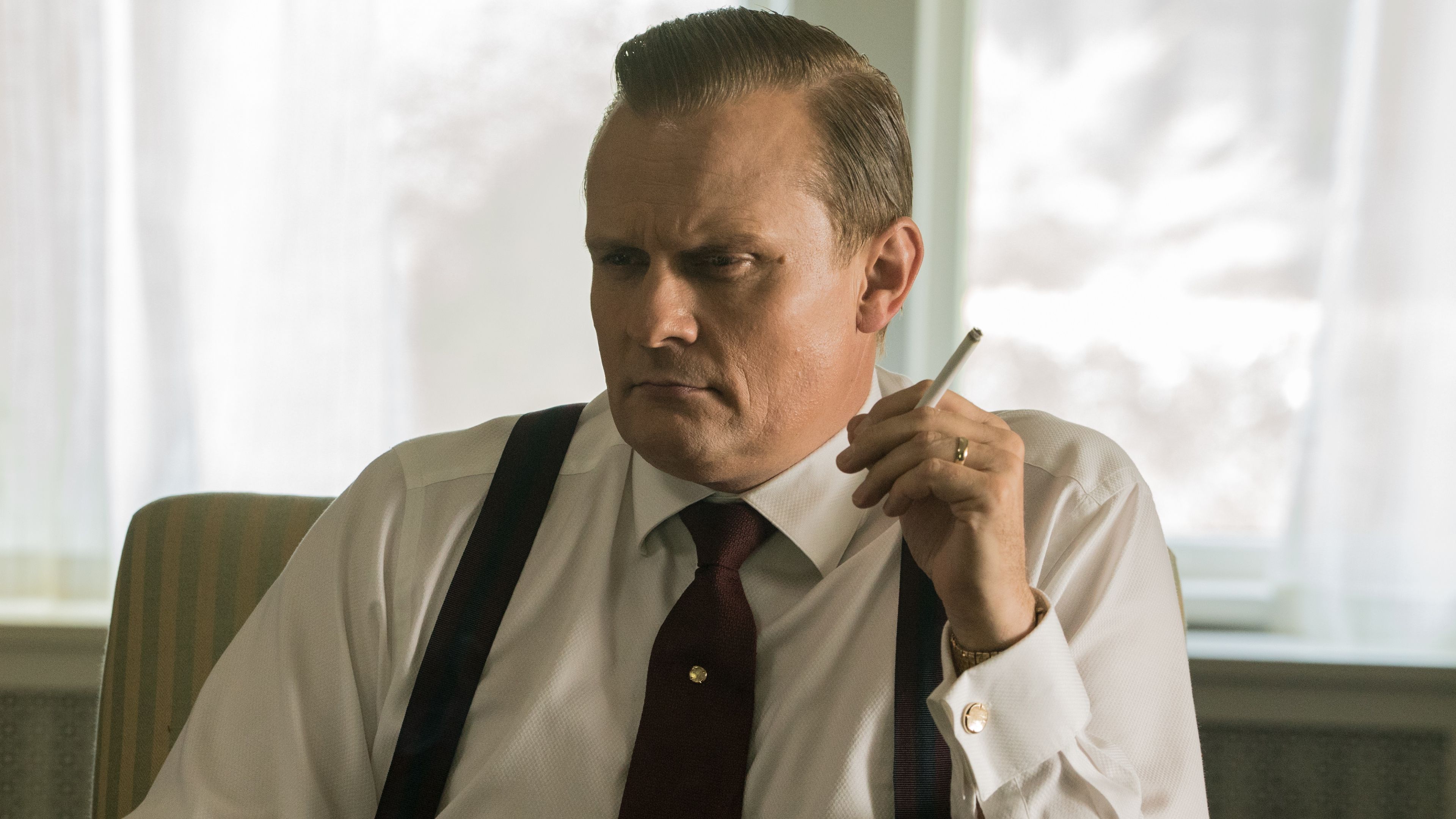
The idea of a multiverse – multiple parallel universes – has become incredibly popular in science fiction. We see it everywhere, from big superhero movies like those in the Marvel Cinematic Universe to wildly creative films like Everything Everywhere All At Once. But few stories explore this concept as thoughtfully and effectively as the show The Man in the High Castle.
Running from 2015 to 2019, The Man in the High Castle is a four-season series that presents a haunting alternate 1960s. Based on Philip K. Dick’s 1962 novel, the show explores a world where Germany and Japan won World War II, focusing on the lives of people living under Nazi and Japanese rule in America and their struggles with resistance and maintaining their beliefs.
Initially, The Man in the High Castle draws viewers in with its disturbing premise of an alternate history. But as the story progresses, the focus expands beyond that, centering on films showing different realities and the uncovering of parallel universes. In a time when many shows feature multiverse concepts, The Man in the High Castle offers a remarkably original take on exploring alternate worlds.
The Man In The High Castle Is Not Just An Alternate History Show
Parallel Realities Turn Alternate History Into Something Much Bigger
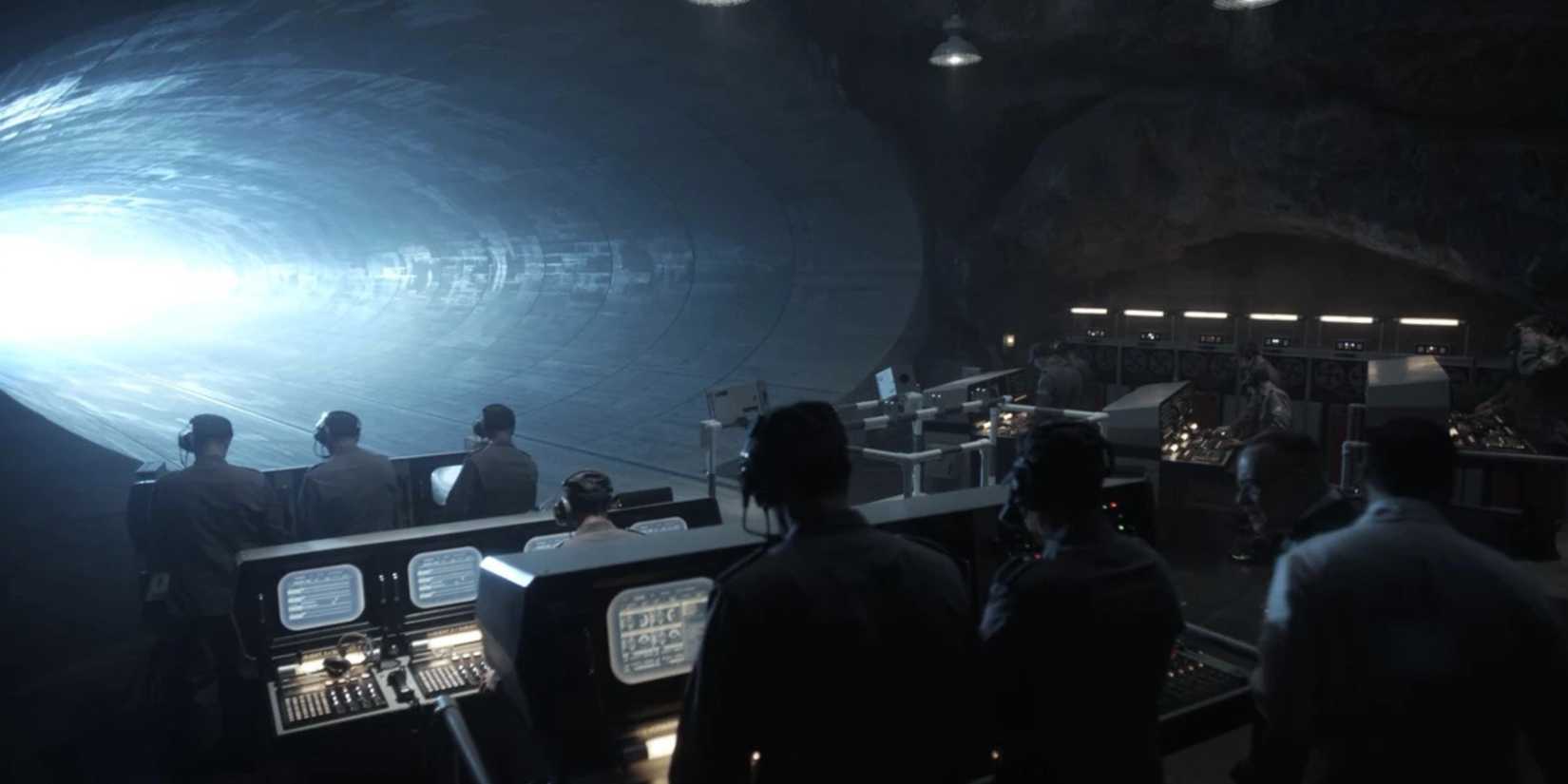
The first part of The Man in the High Castle heavily relies on its unique alternate history setting. The idea of a multiverse is introduced through enigmatic films that depict different versions of the past. At first, these seem like metaphors, but they quickly become evidence of actual, accessible parallel worlds. Unlike the action-packed multiverse of the Marvel Cinematic Universe, traveling between these worlds is uncommon, perilous, and can have a damaging effect on one’s mental state.
In The Man in the High Castle, traveling between different realities is a precarious undertaking, depending on both shaky scientific principles and the luck of the individual. Some people can naturally jump between worlds, while others try to force their way through with dangerous consequences. Because these journeys are so rare and difficult, each one feels significant, and the existence of multiple realities drives the story forward rather than simply being a backdrop.
Many science fiction stories explore multiple universes, but The Man in the High Castle uses these alternate realities to challenge how its characters see their own world. Characters like Juliana Crain are forced to face different versions of themselves and past events, revealing weaknesses in their beliefs. The show isn’t about endless possibilities; it’s about characters grappling with what could have been and what that means for who they are.
As a huge fan, what I really love about this show is how it doesn’t just add alternate realities for the sake of it. Everything happening in those other worlds feels connected to the main story, impacting the characters’ choices and the bigger political game. It’s not like they’re just side attractions; they genuinely deepen the conflicts we’re already invested in. It feels like a really natural and smart way to build on the original idea.
How Prime Video’s The Man In The High Castle Compares To The Book
Adaptation Choices Expand The Multiverse Beyond The Page

When comparing the TV series The Man in the High Castle to Philip K. Dick’s original novel, it’s clear the adaptation takes many liberties, particularly with the concept of the multiverse. Dick’s book is primarily concerned with ideas about reality, what’s genuine, and spiritual doubt, and the alternate history of an Axis victory serves mainly as a way to explore these themes. This also holds true for the book’s portrayal of parallel worlds.
Instead of characters physically traveling between dimensions, The Man in the High Castle uses storytelling tricks – like including a novel within the novel, called The Grasshopper Lies Heavy – to bend reality. The book explores the idea of multiple worlds through the power of literature and by questioning what is actually true. These other worlds exist as possibilities and visions, making characters – and readers – wonder what is real rather than actually showing them traveling to different places.
Philip K. Dick’s novel explores different realities as a way to question what people believe, focusing on personal thought and reflection. The TV series, however, uses these alternate worlds as a central part of the plot. In The Man in the High Castle, parallel realities aren’t just a thought experiment – they become a source of power, driving the political action and turning the show into more than just an alternate history science fiction story.
Both the book and the TV series, The Man in the High Castle, deal with how unreliable truth can be. The series takes this idea and shows it directly through the plot, rather than focusing on characters’ internal thoughts. This approach creates a more engaging structure for a long-running TV show while still keeping the central theme of how people perceive reality.
The Man In The High Castle Is One Of Prime Video’s Most Underrated Shows
A Thoughtful Sci-Fi Epic That Deserves More Recognition
While Amazon Prime Video has many popular original shows, The Man in the High Castle often gets overlooked. But its detailed setting and slow, deliberate storytelling create a deeply engaging experience for viewers who stick with it, offering more substance than quick thrills.
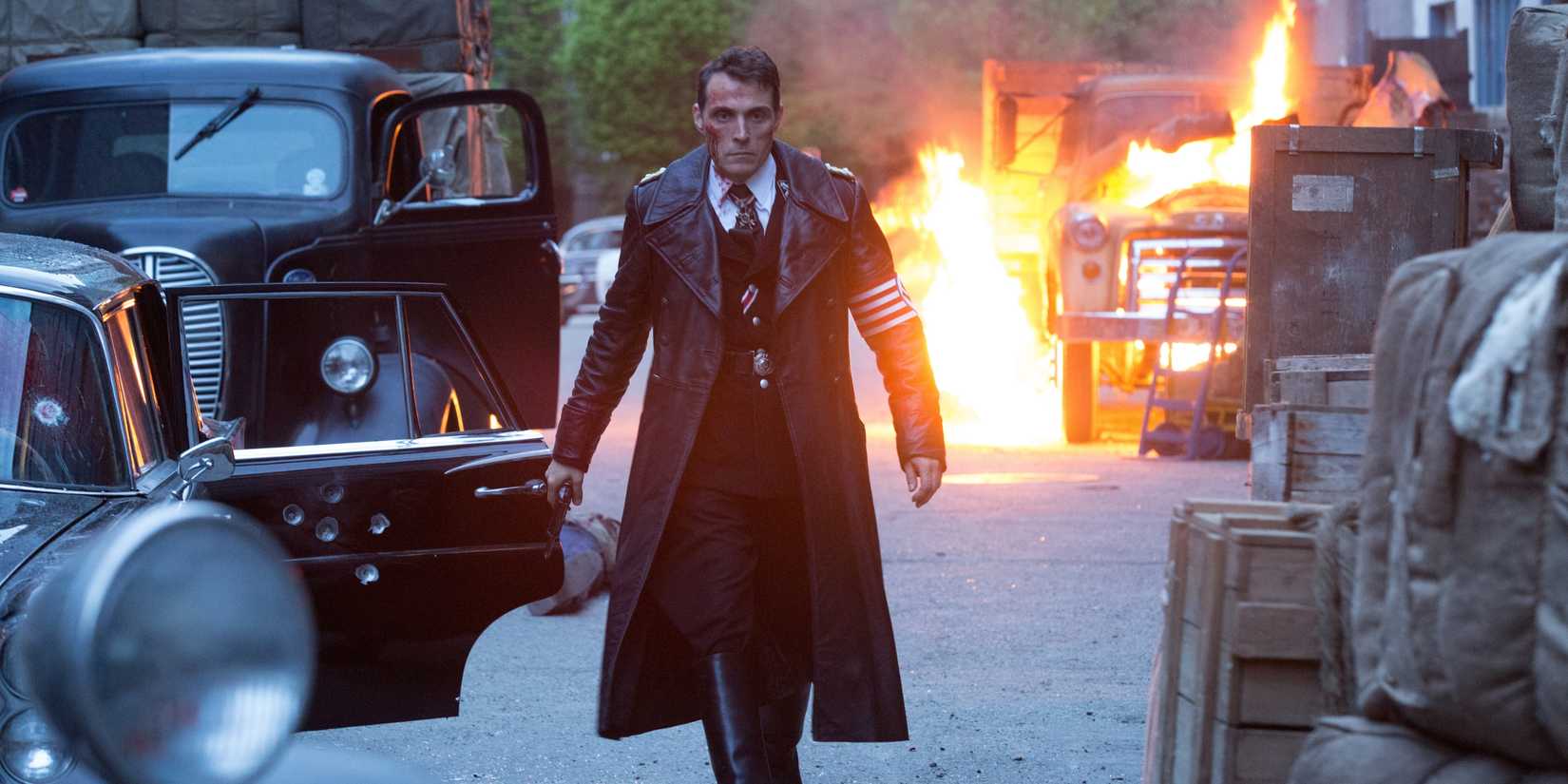
What truly sets The Man in the High Castle apart is its atmosphere and the deep ideas it explores. The show forces characters to grapple with questions of who they are, where their loyalties lie, and how they live with difficult choices in a troubling world. John Smith’s story is a prime example, offering one of the most complex and well-developed character journeys in recent science fiction television.
The show creates a sense of unease through its meticulous attention to detail. It’s surprising that The Man in the High Castle doesn’t receive more praise, given its high quality. The realistic sets, propaganda materials, and costumes make the show’s alternate history feel believable. This realism strengthens the impact of the story’s surprising twists involving parallel worlds, making them feel natural and justified rather than just shocking for the sake of it.
“The Man in the High Castle” doesn’t offer easy solutions. It skillfully combines political intrigue, heartbreaking personal stories, and thought-provoking alternate history, setting it apart from many other shows that rely on predictable plots. It’s a show that strives for intellectual depth.
Ultimately, The Man In The High Castle is unique in how it combines an alternate history with a realistic take on the multiverse. Those who appreciate a slower pace and complex storylines will find it to be one of Prime Video’s best sci-fi series – and it’s a show more people should see.
2026-02-23 03:49