The debate around AI generally falls into two camps: either fully accept it as the future, or reject it completely. However, Hirokazu Koreeda’s newest film offers a different perspective, suggesting AI could be beneficial – particularly for parents who are grieving.
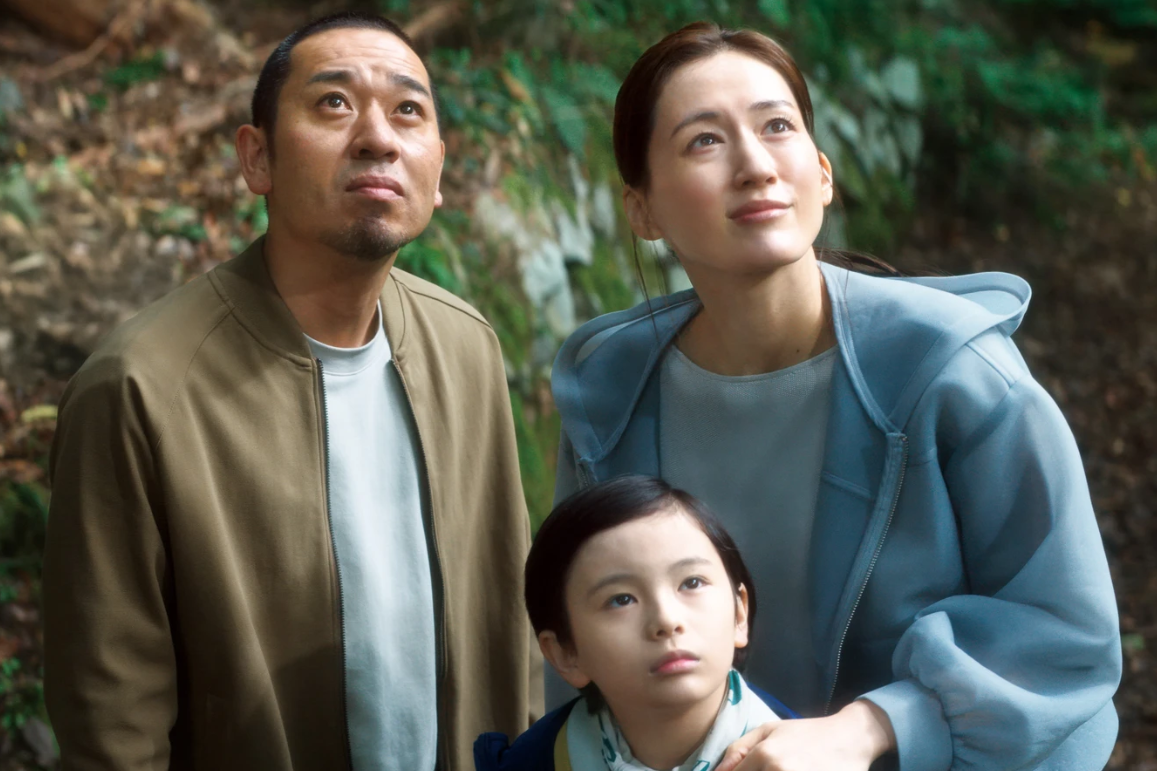
As a huge fan of thoughtful cinema, I was immediately drawn into this story. It centers around Otone and Kensuke, a married couple trying to navigate life two years after losing their seven-year-old son, Kakeru. The film hints that a train – something Kakeru loved – played a role in the tragedy, though the specifics aren’t immediately revealed. What really struck me is how Koreeda portrays their grief; it feels incredibly real and complex. They’re not frozen in sadness, but actively trying to move forward – Otone is throwing herself into her architecture work with new clients, and Kensuke is finding some solace in playing sports with friends. It’s a beautifully subtle depiction of a family trying to heal.
It’s been two years since their child passed away, so Otone and Kensuke are surprised when REbirth, a local AI company, begins promoting their new program with a drone. The program offers to create a humanoid robot resembling their deceased child, complete with restored memories. While it wouldn’t fully bring their child back, it could help them remember happy times and create new ones—as long as the robot isn’t given food or water. Otone is open to the idea, but Kensuke initially dismisses it, jokingly comparing the robot to a Tamagotchi or Roomba, adding a touch of humor to this sensitive story of grief.
Sheep In The Box‘s Portrayal Of AI Raises Thought-Provoking Questions

The book Sheep in the Box explores how we cope with difficult times and whether it’s possible – or even necessary – to move on from tragedy. Considering how advanced our technology has become, could artificial intelligence offer some assistance? However, like current AI systems, it can’t truly replace human connection. AI responds based on the information we give it, but it can’t replicate genuine human experience.
When creating the robot Kakeru, the technicians programmed him with only the happy memories his parents had chosen, avoiding any recollections of hardship, sadness, or anger. This setup foreshadows potential problems for Otone and Kensuke’s carefully constructed peaceful life. They aren’t preparing themselves for a realistic portrayal of their late son; instead, they’re trying to avoid difficult emotions and deny the painful aspects of loss altogether.
I was surprised by how deeply Sheep in the Box affected me. From the description, I almost expected a cold story, but it’s actually incredibly touching. Seeing the robot Kakeru grow and understand things for himself, especially through his friendships, was really moving. It made me feel for these machines, even while remembering they were created to help a family cope with loss. And it wasn’t just Kakeru – Otone and Kensuke had their own moments of realizing things, dealing with feelings like guilt and regret. It was all handled so simply and effectively, without ever feeling over the top or melodramatic.

The strength of Sheep in the Box really lies in its actors. Daigo starts as a reserved and distrustful father, unable to find solace in a robotic version of his son, but gradually learns to express his feelings at key moments. Ayase delivers a wonderful performance, fully capturing the idea that a mother’s love is unwavering and unique through her expressions of hope, worry, and happiness. Kuwaki is also excellent as Kakeru, using subtle smiles and meaningful looks to create a strong emotional connection with the audience.
With emotional depth and a gentle touch, Sheep in the Box explores how AI might help people cope with loss. The film realistically portrays the grieving process without judging anyone’s perspective on artificial intelligence. While it doesn’t revolutionize the way we see stories about sadness, it thoughtfully raises questions about the morality of using AI for emotional support. Director Koreeda doesn’t offer easy answers, but his script cleverly examines how far we’ll go to keep the memories of loved ones alive.
Sheep in the Box screened at the 2026 Cannes Film Festival.
2026-05-17 19:42