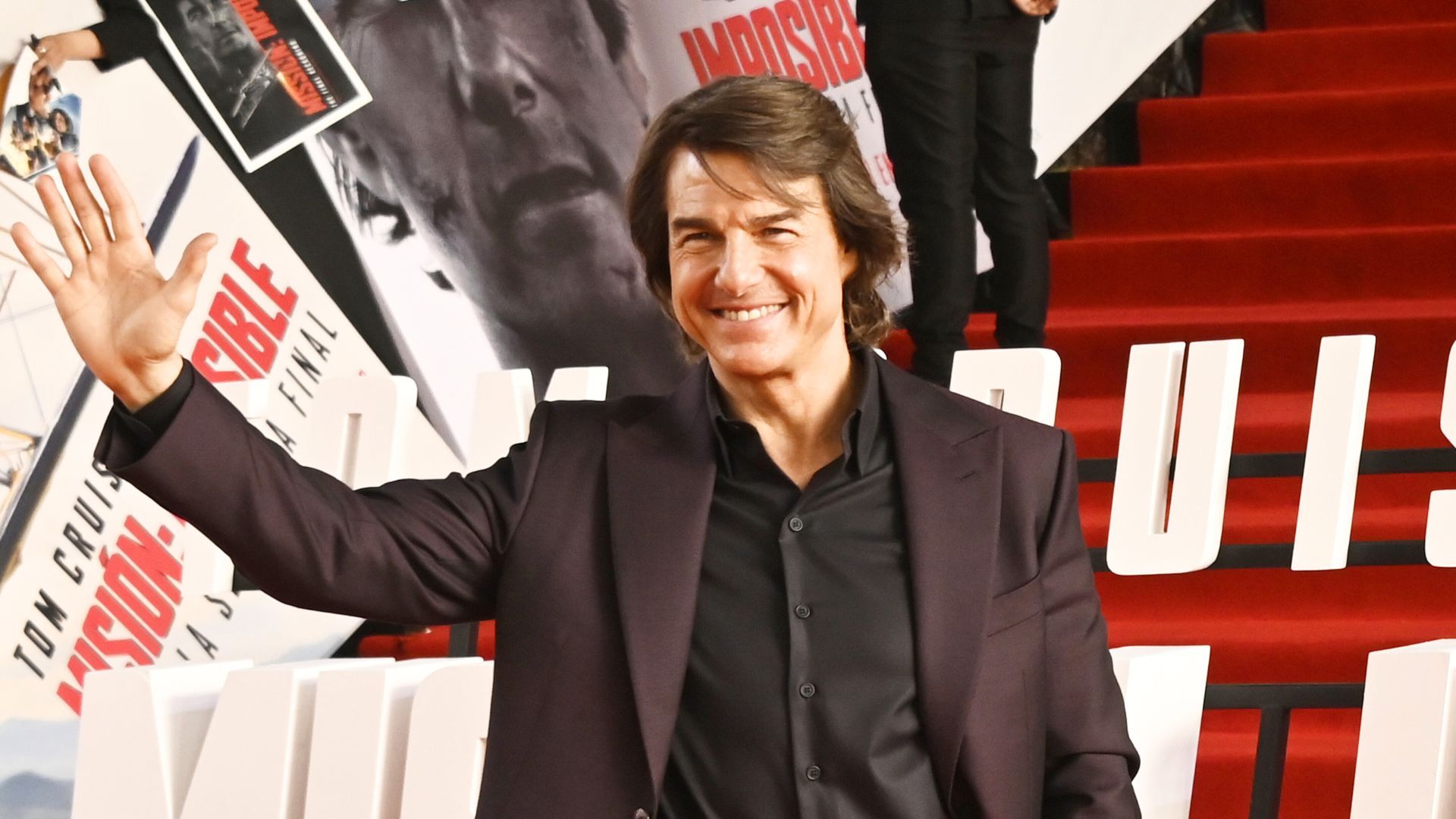
Tom Cruise had an early standout role in the 1992 legal drama A Few Good Men, and now you can watch it for free on Tubi. It’s a great opportunity to see Cruise at his best and revisit a critically acclaimed film – it boasts a strong 7.3 rating on IMDb and a rare A+ score from CinemaScore.
Even after 34 years, A Few Good Men remains more impactful than many recent action films, and is widely considered one of the greatest legal dramas ever made. Aaron Sorkin’s exceptional screenplay uses dialogue as a powerful tool, demonstrating how a simple argument about a flight log can create incredible suspense.
A Few Good Men Captured Tom Cruise At a Crucial Turning Point
At the start of the 1990s, Tom Cruise, already a huge movie star, was trying to change how people saw him. While famous for his successful action movies in the 80s, he wanted to show he could be a serious dramatic actor and be known for more than just his good looks and action roles.
Stepping into the starring role of a dialogue-driven military drama was a huge gamble for him, especially since it meant moving away from the big-budget action films he was known for. He committed to the role with intense dedication, undergoing a complete and believable character change.
As a critic, I have to say, taking on the role of Lt. Daniel Kaffee was a real challenge. He’s this incredibly complex character – outwardly, a quick-talking, somewhat lazy lawyer who always looks for the easy plea bargain. But underneath, he’s absolutely terrified of losing, and constantly feels overshadowed by his famous father. What’s fascinating is how he hides all that insecurity – he deflects with humor, acts casual, and even uses a baseball bat as a way to avoid any real, serious conversation. It’s a brilliant performance because you can really feel the weight he’s carrying, even when he’s cracking jokes.
This performance is often missed because the actor is so well-known for action roles that people forget his background in dramatic acting. Plus, Jack Nicholson delivers the movie’s most famous line, which tends to dominate everyone’s memory of it. However, a closer look shows that the lead actor truly carried the story, delivering a remarkably subtle and powerful performance.
Cruise’s Performance Had Restraint, Growth, and Presence
The most compelling part of this role is seeing the character’s initial arrogance crumble when faced with real challenges, creating a powerful transformation from self-assuredness to unwavering belief. When the lawyer realizes two Marines face a lifetime in prison unless he intervenes, he completely changes his approach and fights for them.
After a major defeat in the case, Kaffee has a complete emotional breakdown at home, fueled by alcohol. He confesses he’s afraid of the trial, fearing he isn’t as skilled a lawyer as he pretends to be and that his worst insecurities might be true.
Kaffee is a complex character, riddled with insecurities. He acts like he wants to save everyone, but he’s also fragile and worried about appearing foolish. This role is a departure for Tom Cruise, requiring him to portray emotional breakdowns, deliver lines in a detached way, and project a vulnerability that isn’t based on physical appearance.
As a fan, I’ve always been amazed by how Aaron Sorkin writes such emotionally resonant scenes, but what really blows me away is how difficult his scripts are to perform. The dialogue is unbelievably fast – it needs perfect timing to sound natural and keep that signature Sorkin rhythm going. Tom Cruise absolutely nails it, though. He takes all that complicated legal talk and those quick objections and turns it into this incredibly engaging, almost like a verbal boxing match – it’s just fantastic to watch!
He has fantastic on-screen chemistry with the entire cast, yet he doesn’t overshadow anyone. He particularly shines when interacting with Kevin Pollak’s witty remarks and expertly portrays the professional tension with Demi Moore. His scenes with Kevin Bacon, who plays the opposing lawyer, are compelling; they create a dynamic where it’s clear the true problem isn’t each other, but the flawed military system controlling them both.
The movie builds to a famous courtroom scene, now considered a classic. Facing off against Nicholson, who is intensely energetic, would be intimidating for any actor. Cruise expertly navigates the questioning, beginning with polite respect before subtly provoking the overconfident Colonel into a mistake.
Showing Kaffee’s fear, even through small details like his unsteady hands while drinking water, really raises the tension in the scene. This strong performance alongside a legendary actor creates the perfect build-up for Nicholson’s powerful outburst, making it truly impactful and leading to one of the
Why A Few Good Men Still Matters 34 Years Later
A Few Good Men really changed the typical legal drama, and it’s become known as one of the best. Unlike most legal stories that focus on lawyers or the courtroom, this film dealt with complex issues within a single institution: the U.S. military. The story emphasized bureaucracy and how it affected the case, rather than just the legal arguments themselves.
As a film buff, I’m really struck by how this movie pulls you into the incredibly closed-off and often frightening world of the US military. It poses a genuinely unsettling question: what happens when the harsh realities of survival in the armed forces clash with the very laws and values America is supposed to defend? What makes it so powerful, even now, is the way the script lays bare the disturbing truth about unchecked power and how easily it can corrupt.
Most people recall Colonel Jessup’s famous outburst – “You follow orders or people die!” – a line he believes completely justifies his actions. But there’s a strong irony at play, as Jessup is actually the most hypocritical character in the film. He insists that obedience to orders is essential for national security, yet he blatantly disregarded a direct order from the Commander-in-Chief to stop issuing Code Reds.
He completely disregarded the order, and the consequences were tragic: a young Marine died, and a dedicated officer, Markinson, committed suicide due to the guilt he felt. This is where the story becomes particularly compelling for Nicholson’s character, highlighting a key turning point. The courtroom scene is crafted in a way that makes it difficult to definitively say Jessup actually concedes to the young lawyer’s pressure and admits to ordering the Code Red.
Viewers are still discussing this scene and speculating about whether the character’s confession was genuine. Beyond simply revealing the truth, the film powerfully critiques powerful men who demand obedience from others while sacrificing their own team to save face. Rob Reiner deserves significant praise for allowing these complex themes to unfold organically and for creating one of the
Reiner skillfully directed the scene, allowing the actors to concentrate solely on the dialogue. What could have been a simple argument about orders transformed into a remarkably tense and gripping exchange. It’s a scene driven purely by the adrenaline of watching skilled professionals passionately defend their positions – there are no action sequences, just intense verbal sparring. This demonstrates that audiences continue to cherish and value the film’s unique and important place in cinematic history.
Read More
- Mckenna Grace’s New Body Horror Is Officially the No. 1 Film on Paramount+ in the U.S.
- Marvel Officially Confirms Captain America’s Design For The Avengers’ New Appearance
- Everyone Is Flocking to Taylor Sheridan’s Best Yellowstone Spinoff in Years
- New Lord Of The Rings Movie Confirms 25 Years Of Waiting Is Finally Over
- Disney’s Maleficent Is Officially a Cult Classic
- Sheep In The Box: Hirokazu Koreeda’s Curious Sci-Fi Drama Explores Grief Through AI
- The 8 Best X-Files Episodes Written By Vince Gilligan
- Garrett’s Tattoo Meaning & Origin Story In Off Campus Explained: What Does “Nullum Gratuitum Prandium” Mean?
- Star Wars Actor Wants To Join Prime Video’s Fourth Wing For The Perfect Reason
- The Mandalorian & Grogu’s Ending Explained: What’s Next For Din Djarin & Grogu?
2026-04-12 05:12