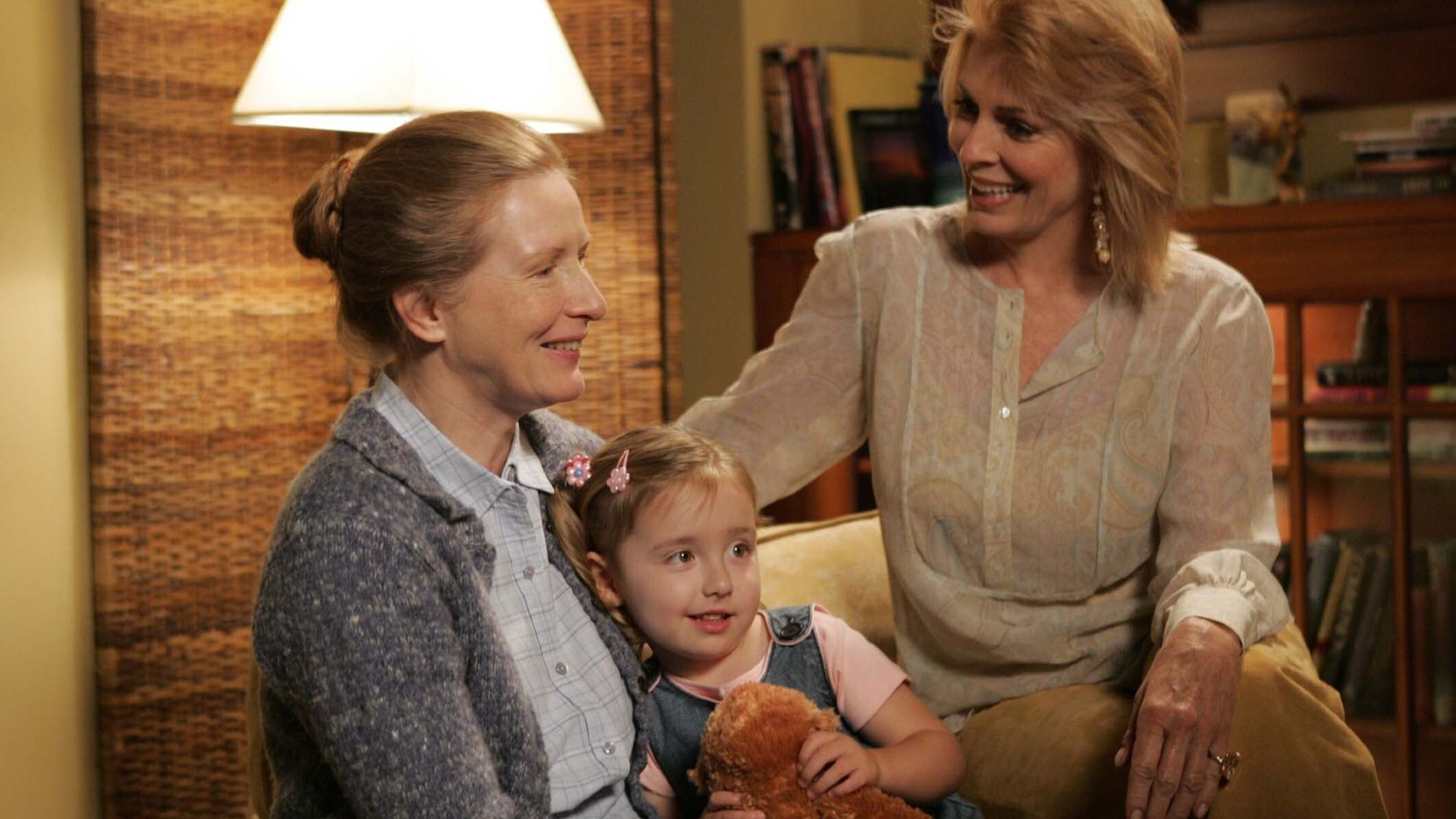
Good endings are difficult to achieve. They should feel deserved after everything that’s happened, be genuinely satisfying without feeling overly sentimental, and clearly connect to the story’s central ideas without simply repeating them. This is tough for any story, but especially for TV shows that have spent years developing their narratives. Sadly, most TV shows don’t quite stick the landing when it comes to their finales.
As a viewer, it’s frustrating when a show you love starts to decline way before it ends. It basically dooms the finale, no matter how hard they try to stick the landing. We saw this happen with Lost – it had issues for seasons, and even a decent ending couldn’t fully save it. Sometimes a show just loses its focus, but other times, like with the later seasons of That ’70s Show, it feels like they’re just dragging things out and there’s really nothing new or interesting happening. Honestly, I struggled to find a single storyline in those final seasons that felt essential.
Many shows maintained their quality for a while, but ultimately stumbled when it mattered most. The ending of Stranger Things disappointed fans so much that rumors spread about a hidden extra episode. And Ted Lasso‘s final season felt confusing – it seemed to both wrap up the series and set up potential future storylines, all in one episode, likely due to disagreements among the creators about whether the show should continue.
However, certain TV shows have truly excelled at building storylines that pay off beautifully over time, reaching the level of artistry. One prime example is Six Feet Under, whose finale is still considered a perfect ending, even decades after it originally aired.
Satisfying Closure Made Six Feet Under’s Ending Perfect

I still think about the finale of Six Feet Under – it was just brilliant. What I loved most was that it didn’t shy away from showing us each character’s fate. It wasn’t frustrating or mysterious; instead, it was incredibly moving. Seeing how everyone’s story ended, all set to Sia’s “Breathe Me,” was a bold choice, and it really stuck with me. It proved that a great finale can be both satisfying and deeply thought-provoking, something a lot of shows today seem to forget.
The show deliberately avoided letting viewers imagine what happened to the characters after the story ended, but the clear answers it did provide were surprisingly thought-provoking. Given its consistent focus on realistically portraying death, the unglamorous way many characters died felt perfectly appropriate.
The deaths in the show were sudden and lacked ceremony, reflecting the often-difficult truths of life. However, the way these deaths were presented – through a carefully crafted montage – was surprisingly emotional, inviting viewers to truly feel the weight of each loss. This approach was central to what Six Feet Under consistently asked of its characters and audience: to embrace grief, be honest about feelings, and avoid suppressing them.
As a finale, Six Feet Under really stuck the landing. It didn’t leave any loose ends hanging – every question felt answered, and it beautifully revisited the core ideas that made the show so special from the start. Honestly, it did everything a finale should do: it was deeply emotional, incredibly memorable, and left me thinking about it long after the credits rolled.
The Six Feet Under Finale Brought The Show Full Circle
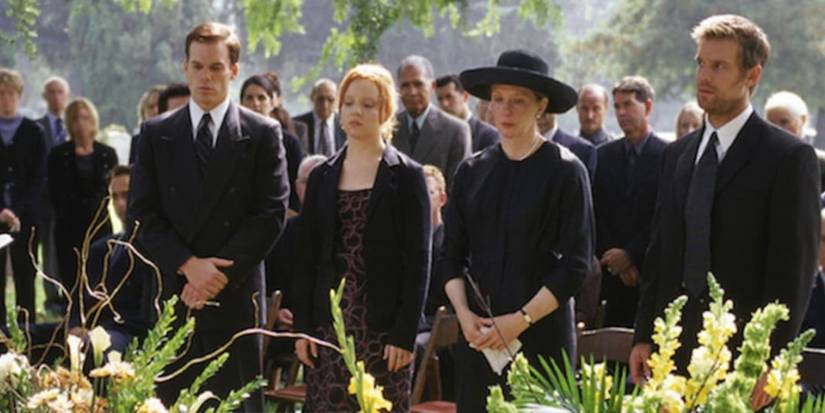
The final episode of Six Feet Under wasn’t just about life, death, and loss; it perfectly captured the show’s spirit and how much the characters had grown. The episode ended with a powerful montage, showing each character’s death in the show’s signature style – fading to white with their name and years of birth and death displayed on screen.
Every episode of the series began the same way, and viewers quickly learned to expect a death, which made those opening scenes particularly impactful. The finale used this familiar pattern with the “Breathe Me” sequence, creating a similar emotional resonance. It felt like a tribute to the show’s history, almost as much as it was about the characters themselves.
The famous montage happened as Claire moved to New York City to start a new, independent life. This contrasted sharply with Nate, who was returning to the emotionally difficult Fisher family at the beginning of the series.
The show’s finale, particularly with Claire driving away and the accompanying montage, provided a powerful emotional release that had been carefully developed throughout the entire series, right from the beginning, much like what Six Feet Under achieved.
Read More
- Mckenna Grace’s New Body Horror Is Officially the No. 1 Film on Paramount+ in the U.S.
- Marvel Officially Confirms Captain America’s Design For The Avengers’ New Appearance
- Everyone Is Flocking to Taylor Sheridan’s Best Yellowstone Spinoff in Years
- New Lord Of The Rings Movie Confirms 25 Years Of Waiting Is Finally Over
- Disney’s Maleficent Is Officially a Cult Classic
- Sheep In The Box: Hirokazu Koreeda’s Curious Sci-Fi Drama Explores Grief Through AI
- The 8 Best X-Files Episodes Written By Vince Gilligan
- Garrett’s Tattoo Meaning & Origin Story In Off Campus Explained: What Does “Nullum Gratuitum Prandium” Mean?
- Star Wars Actor Wants To Join Prime Video’s Fourth Wing For The Perfect Reason
- The Mandalorian & Grogu’s Ending Explained: What’s Next For Din Djarin & Grogu?
2026-04-11 21:48