Anime and video games have a lot in common – they both rely on exciting visuals, increasing intensity, and letting you experience a world beyond your own. But some anime series haven’t just been turned into games, they’ve completely redefined what an anime game can be.
When adapting anime into games, it’s crucial that the gameplay, story, and rules feel consistent with the original anime world. Successful games treat the anime not just as a recognizable name, but as a detailed guide for creating an authentic experience. Here are some of the best examples, all based on hugely popular anime from the last two decades.
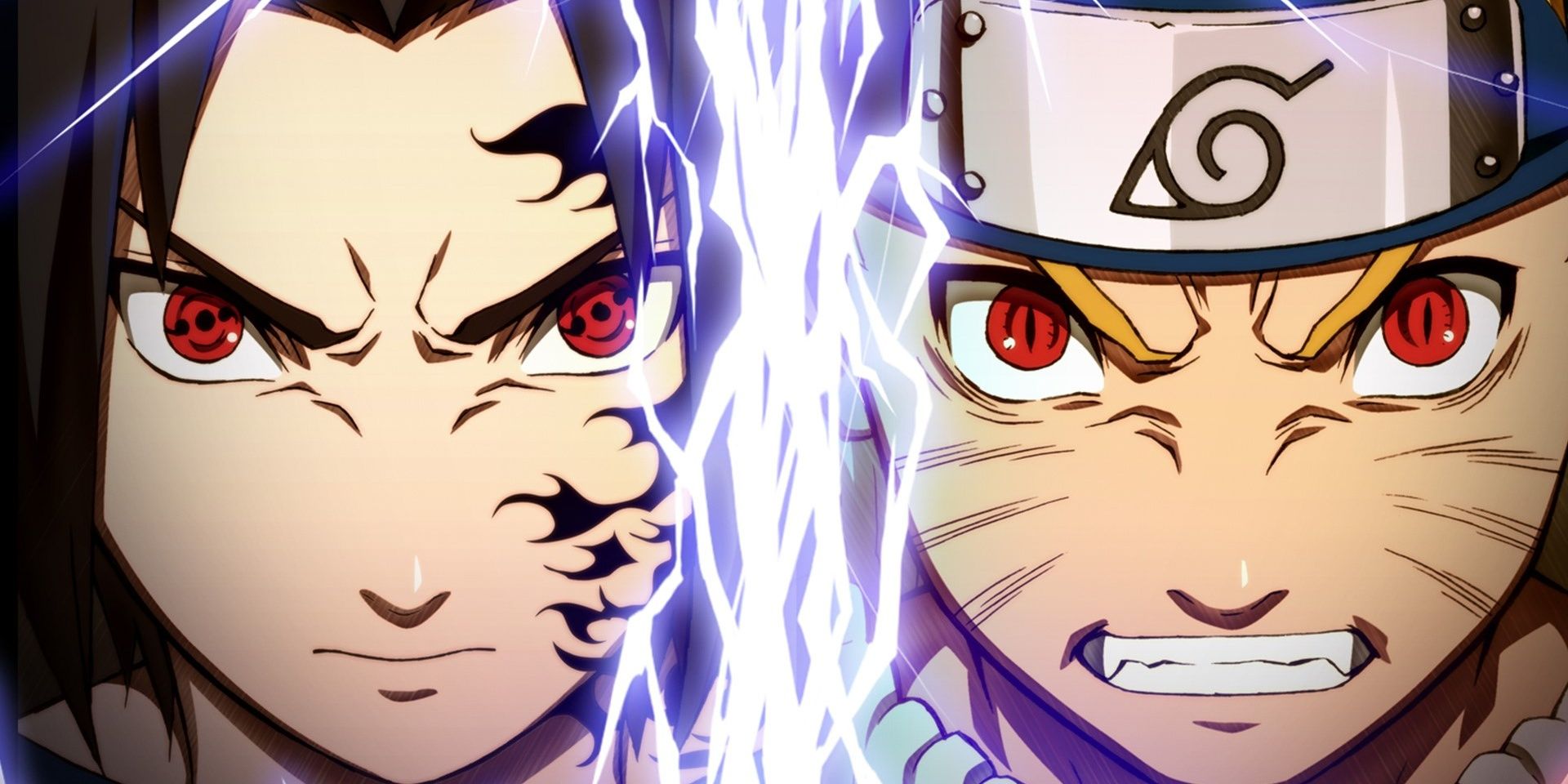
Naruto’s Ultimate Ninja Storm Series Raised the Bar for Every Anime Fighter That Followed
The Ultimate Ninja Storm games weren’t just simple fighting games featuring Naruto characters. They truly captured the spirit of the anime. Skillful play involved understanding the Naruto universe – things like precise timing for dodging and working effectively as a team – which were directly reflected in how the game worked. Storm 4 remains one of the best, and it deserved that reputation through its quality and gameplay.
The Storm fighting game series was ahead of its time in realizing that a large character roster isn’t a problem as long as each character feels unique and fights in a way that’s true to their personality. Even minor characters, like those briefly featured in the Chunin Exams, received detailed and creative moves inspired by their limited appearances in the anime. This attention to detail not only captivated casual players and turned them into dedicated fans, but also gave competitive players a diverse and strategically rich game to master.
Dragon Ball Xenoverse Made Players Responsible for the Franchise’s History
While Dragon Ball FighterZ really nailed the traditional competitive fighting game experience, this game went in a totally different direction. Instead of just watching the events of Dragon Ball Z unfold, I felt like I was part of the story, actively working to protect its history. Playing as a Time Patroller, fixing problems in the timeline, wasn’t just about remembering the past – it felt like we were all writing our own fan fiction together, building on the world we already loved.
Xenoverse 2 expanded on the idea of immersive Dragon Ball experiences with a constantly online world and a character list that grew to include heroes and villains from Dragon Ball Super and GT as they were released. Dragon Ball fans have long dreamed of living within the universe, and Xenoverse 2 comes closer to fulfilling that wish than any other game.
Demon Slayer’s Hinokami Chronicles Understood the Anime Better Than the Anime Did
When Demon Slayer: Kimetsu no Yaiba – The Hinokami Chronicles was released, the anime was already incredibly popular and captivating audiences. The game’s combat, featuring Water and Flame Breathing techniques, didn’t just recreate iconic moves from the anime – it actually looked even better than the animation itself. The game also presented a beautifully realized setting, bringing the Taisho period to life in a way rarely seen in the action genre.
The game’s story mode intentionally changed the pacing from the anime, taking things slower at the beginning to let the first chapters with Tanjiro and Nezuko unfold more fully and give smaller character interactions more attention. This meant even players already familiar with the story stayed interested, showing that Hinokami Chronicles understood what its audience wanted, beyond simply retelling the original plot.
Attack on Titan 2 Proved the ODM Gear Could Carry an Entire Game
The Omni-Directional Mobility Gear is a brilliantly designed feature of Attack on Titan, and Attack on Titan 2: Final Battle successfully built an entire game around it. The game’s design revolved around the exhilarating experience of swinging through levels and precisely targeting the weak spots of the Titans – a core visual highlight of the Attack on Titan series.
What made Attack on Titan 2 stand out from other game adaptations was its choice to let players experience the story as a new recruit, rather than simply retelling Eren’s story. This allowed longtime fans to see familiar events in a fresh light, adding new meaning to scenes they already loved, without ruining them. This level of creative confidence is rare in licensed games, especially those based on anime.
My Hero Academia’s One’s Justice 2 Succeeds Because It Refuses to Pick a Favorite
The success of My Hero Academia: One’s Justice 2 stemmed from its faithful adaptation of the source material. Unlike some fighting games that focus solely on the protagonist, this game gave equal attention to a variety of characters. Heroes like Endeavor and Hawks were just as detailed and complex as Izuku Midoriya (Deku), and players who favored characters like Best Jeanist or Mirko had complete, unique fighters to play, not just simple variations of others.
The One’s Justice games were helped by the detailed power system established in My Hero Academia over the past ten years. The anime carefully showed how different abilities work against each other and how strong they are relative to one another, essentially giving the game developers a ready-made balancing system before they even started building the game.
Fullmetal Alchemist’s Dual Sympathy Built Equivalent Exchange Into the Controls
The core principle of the game is equivalent exchange – the idea that everything has a cost, including using special abilities. This concept, known as Dual Sympathy, is woven into the game’s mechanics. Instead of simply charging up a meter to perform alchemy, players, as Edward Elric, carefully manage resources. Every action has a consequence, which mirrors the themes explored in Fullmetal Alchemist and makes the gameplay feel deeply connected to the story.
The Nintendo DS game Dual Sympathy cleverly used the system’s two screens to make players feel like they were performing alchemy. The gameplay involved quickly and accurately tracing patterns, and it uniquely connected these actions to the story and themes of the original anime. This kind of immersive storytelling through gameplay is rare in adaptations.
Sword Art Online: Alicization Lycoris Finally Justified the Franchise’s Gaming Ambitions
A key problem with the Sword Art Online anime is that its video game adaptations historically haven’t lived up to the exciting premise of being trapped inside a game. Alicization Lycoris finally changed that. The game’s world, called Underworld, allowed for a complete action-RPG experience, and the fast-paced combat system made the unique fighting styles of Kirito and Alice truly stand out.
Sword Art Online games are at their best when they fully embrace the role-playing game elements that are central to the anime – things like character progression, detailed worlds, and the idea that connections formed in virtual reality can feel real. Alicization Lycoris proved this by building its gameplay around those concepts, and that’s what made it truly compelling.
Bleach Brave Souls Kept the Franchise Alive When the Anime Couldn’t
For almost ten years, fans of Bleach have been frustrated because the anime series ended before the manga was complete. But during this break, Bleach: Brave Souls became one of the most popular anime-based mobile games ever created.
Even before the anime made a comeback with Bleach: Thousand-Year Blood War in 2022, Bleach: Brave Souls kept the fanbase engaged with detailed character progression, regular updates, and a genuine love for the series’ many characters. It successfully maintained a thriving community for years.
Jujutsu Kaisen Cursed Clash Is the Most Promising Prototype in Anime Gaming
While Jujutsu Kaisen: Cursed Clash received a somewhat mixed response from critics, it made a smart choice in how it played. Building the game around team-based battles, domain expansions, and special techniques perfectly captured the spirit of the anime, which emphasizes strategy and teamwork more than individual power. The game truly shines when characters like Yuji Itadori combine their skills to create powerful, cooperative attacks.
The way the game recreates the inner workings of Jujutsu Kaisen, like cursed energy and unique weapon creation, offers fans a chance to really dive into the anime’s power system. Cursed Clash demonstrates that a developer with a fresh vision can create a game that sets the standard for its genre, much like FighterZ did for Dragon Ball games.
Dragon Ball FighterZ Is the Purest Translation of Toriyama’s Combat Philosophy
Arc System Works designed Dragon Ball FighterZ with the idea that every blow should feel incredibly powerful. The game’s fast-paced action, huge energy attacks, and the way characters dramatically alter their surroundings led to widespread critical acclaim, and it remains a popular title in the fighting game scene.
Unlike previous Dragon Ball games, FighterZ found success by focusing on making players feel powerful through responsive controls and impactful attacks, rather than simply increasing numbers. This focus on solid fighting game mechanics—where each button press feels substantial—sets FighterZ apart, making it a truly competitive title and helping it stand the test of time among other anime fighting games.
Found an error? Send it so it can be corrected.
Read More
- Южуралзолото ГК акции прогноз. Цена акций UGLD
- The Odyssey Footage Reveals Charlize Theron’s Role & It’s Not What You Think
- Disney Breaks The IP-Focused Trend In Naming Their New ‘Up’ Attraction
- ‘Top Gun 3’ Officially Announced and Tom Cruise Is Returning
- 3 Best Netflix Shows To Binge-Watch This Weekend – #1 Is A Surprise Hit Crime Thriller Trending Worldwide
- Invincible Season 4 Just Revealed the Brutal Life of Viltrumite Children
- Marvel Studios Confirms Daredevil’s 6 Canon MCU Suits
- Bleach: TYBW Part 4 Will Be Available Without a Hulu Subscription
- Friends’ Matt LeBlanc Returns to TV With CBS Cop Drama
- This Returning Sonic 4 Character Is Great News For The Upcoming Spinoff
2026-04-22 05:18