
If I wanted to torture my brother when we were kids, I only needed to say two words:
“Blueberry Girl.”
Just hearing those thirteen letters would send him into a full-blown panic. He’d immediately run from the room, and I’d laugh hysterically. It was all because of ‘Blueberry Girl’ – better known as Violet Beauregarde from the 1971 movie Willy Wonka & the Chocolate Factory.
In the film, Violet Beauregarde is one of five lucky children who find a Golden Ticket. This ticket gives her an exclusive, unforgettable tour of Willy Wonka’s incredible factory, a place filled with amazing sweets, unbelievable things to see, and tempting – but potentially risky – treats.
Violet has a weakness for gum, and she can’t resist trying a new, incredibly advanced kind – a three-course meal in a single piece! Despite warnings from the strange, private chocolatier who created it, she chews a piece. As the blueberry pie flavor hits her tongue, she starts to change. Her skin shifts color and she begins to swell into a large, round shape. Her horrified father can only watch as she transforms, exclaiming the now-famous words, “Violet! You’re turning violet, Violet!”
Even for a kid in the late 1980s, my brother’s reaction to Willy Wonka & the Chocolate Factory – what I call the “Blueberry Girl” effect – didn’t make much sense. He could handle scary movies like Ghostbusters and Indiana Jones and the Temple of Doom, and even the frightening “Thriller” music video, but the mere idea of watching Willy Wonka would cause a complete meltdown. He’s never really explained why it affected him so strongly.
I realized early on that Willy Wonka & the Chocolate Factory could be genuinely frightening for certain viewers. Despite being based on a popular children’s book by Roald Dahl and carrying a G rating, the film can be truly terrifying under the right circumstances. However, it’s only recently occurred to me that Willy Wonka isn’t just scary—it’s actually built like a classic slasher film.
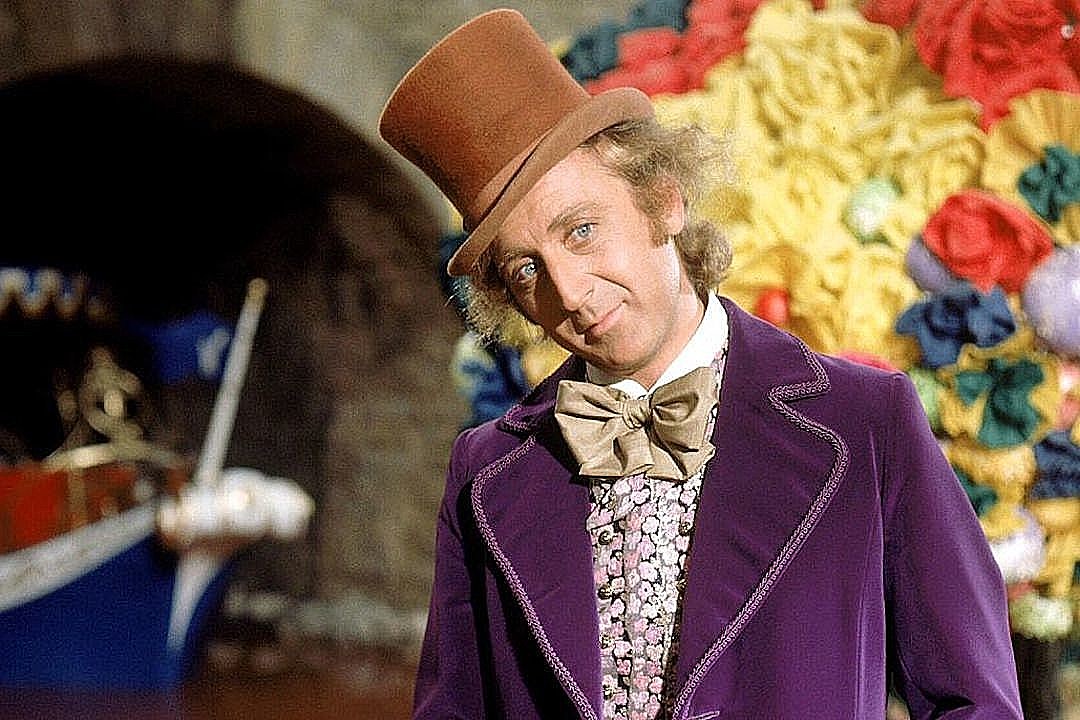
My family has been fully immersed in the world of Wonka recently. Our kids are rehearsing for a children’s theater production of Willy Wonka & the Chocolate Factory, which means we’ve been watching everything Wonkarelated available to stream – including the new Timothée Chalamet Wonka and, despite my protests, Tim Burton’s version. We’ve watched the original Willy Wonka & the Chocolate Factory* the most – it’s my favorite, and I always suggest it for family movie night. And each time I watch it, I’m struck by how many similarities it shares with actual horror movies made for adults.
The most striking parallel is with Willy Wonka himself. Like every classic slasher film, it needs a central figure who is both disturbed and strangely appealing – and has a memorable style. This character then proceeds to eliminate a group of young people, one by one, through increasingly elaborate and darkly humorous methods, leaving only a single survivor.
Gene Wilder’s portrayal of Willy Wonka in the 1971 film is a perfect fit for the character. Almost immediately after the Golden Ticket winners arrive, Wonka starts eliminating them one by one. Augustus Gloop falls into the chocolate river, Veruca Salt is thrown down a trash chute (and possibly into a furnace!), and Violet Beauregarde suffers the consequences of chewing experimental gum, requiring her to be squeezed like juice. Soon, only the kind-hearted Charlie Bucket is left.
Gene Wilder often told the story of how he secured the role of Willy Wonka. He insisted on being introduced as Wonka by dramatically walking with a cane, seemingly losing his balance and falling—but then recovering with a perfect somersault. When Mel Stuart, the director, questioned this unusual request, Wilder explained that he wanted to create an immediate ambiguity, so audiences would never be sure if he was being honest or deceptive.
Wilder’s portrayal was spot-on. He effortlessly shifts between charming and frightening, a bit like something sweet and innocent coated in something dangerous. You never know what his character will do next, and that unpredictability is genuinely unsettling.
One moment, he’s charming a group of young visitors with a playful candy creation. The next, he’s yelling at them during a bizarre and frightening boat ride, complete with disturbing images – even more shocking than anything you’d find in the latest Scream movie.
Although the movie Willy Wonka finishes with Charlie Bucket inheriting the chocolate factory, the offer happens during a surprisingly tense moment. Once the other Golden Ticket winners are taken care of, Wonka invites Charlie and Grandpa Joe on a ride in his “Wonkavator”—a special elevator he claims can travel anywhere.
Wonka doesn’t bother explaining the Wonkavator – or what it does – until after he’s convinced Charlie to press the button that sends it shooting towards the factory ceiling. Grandpa Joe yells that it will tear them apart. With a mischievous glint in his eye, Wonka admits, “I honestly don’t know what’s going to happen.”
The Wonkavator bursts through the factory roof and flies into the sky, and Wonka asks Charlie to bring his whole family to live and work at the factory with him. They share a hug as the movie ends with the credits rolling and a beautiful choir singing “Pure Imagination.”
Does the ending of Willy Wonka really feel happy? I’m starting to doubt it. The more I watch the movie, the more I think Wonka might not actually follow through on his promise to Charlie. It wouldn’t surprise me if, during their elevator ride, Charlie or Grandpa Joe accidentally did something that really annoyed Wonka – something unforgivable, even. He was quick to punish Violet for chewing gum, turning her into a blueberry! Imagine if Charlie accidentally let one slip in that small glass elevator – do you think Wonka would take it well?
If you really think about it, Willy Wonka shares a surprising amount in common with the Saw movies. Like those films, which center around a killer named Jigsaw who punishes people for what he sees as bad behavior, Willy Wonka involves trapping people in dangerous and elaborate “games” as a form of twisted punishment.
While less violent than Jigsaw, Willy Wonka uses surprisingly similar methods. Both target unpleasant, foolish people, and the audience is meant to feel a sense of satisfaction when these characters receive comeuppance. Like Jigsaw, Wonka also seems to be grooming a successor, testing a potential apprentice to see if they’re worthy of taking over his work when he’s gone.
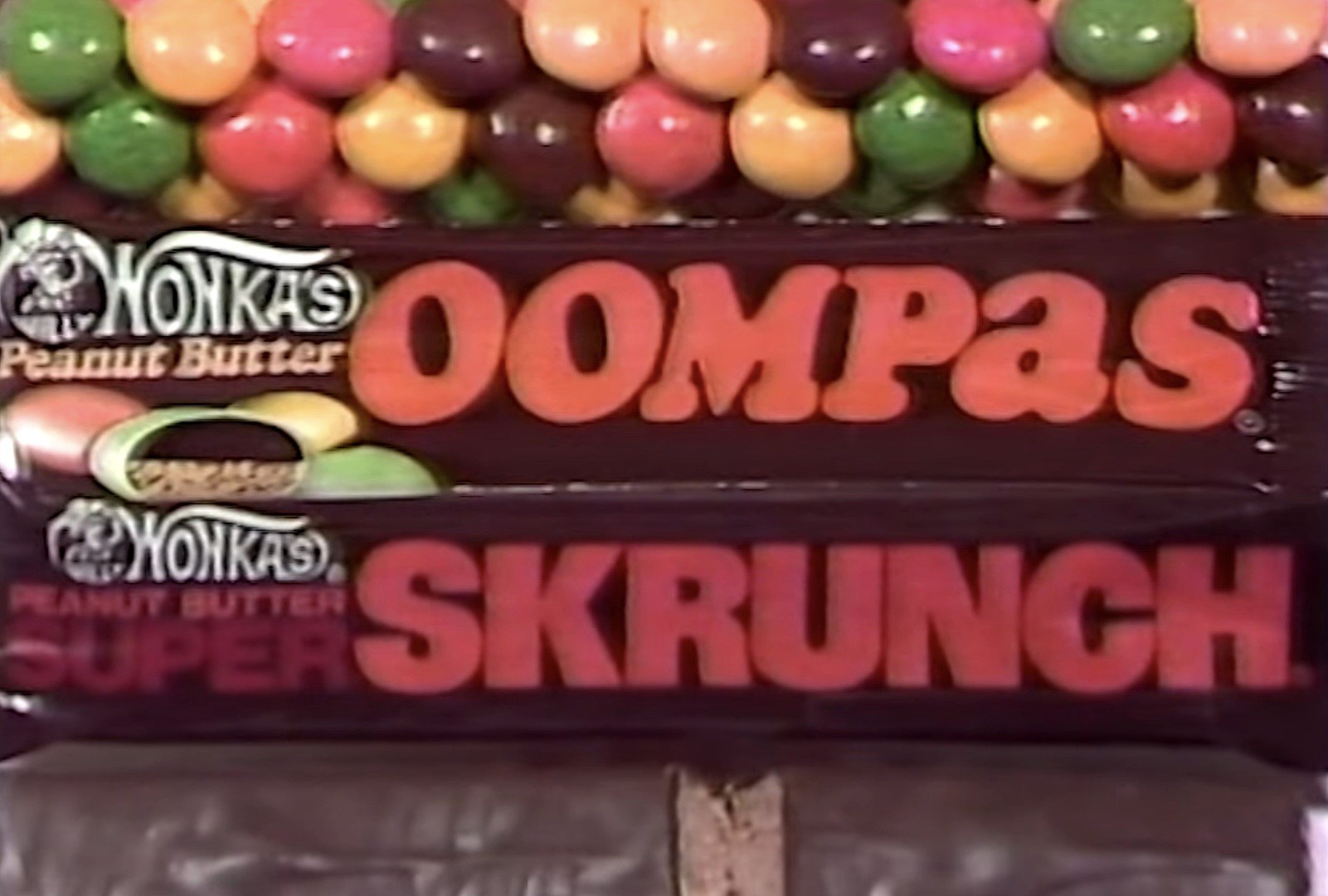
Willy Wonka came long before the first slasher films, and even before Norman Bates terrorized guests at his motel—in fact, Wonka existed decades before those stories even began. If you learned Wonka had a dark secret—like keeping his mother’s remains hidden and pretending she was alive while harming others—would it really shock you? The movies that truly defined the slasher genre, like The Texas Chain Saw Massacre and Halloween, didn’t appear until the late 1970s, by which time Willy Wonka was already captivating and frightening children for generations.
It’s time we recognized Willy Wonka as a key figure in a surprisingly dark genre: stories where unpleasant characters meet gruesome ends through elaborate traps. While the Everlasting Gobstopper is famous, Wonka’s real impact should be his contribution to this type of storytelling. However, sharing this observation is a bit frightening, as it might inspire someone to create a low-budget horror movie based on Willy Wonka, similar to the exploitative Winnie-the-Pooh: Blood and Honey.
Famous Horror Movies That Got Surprisingly Good Reviews
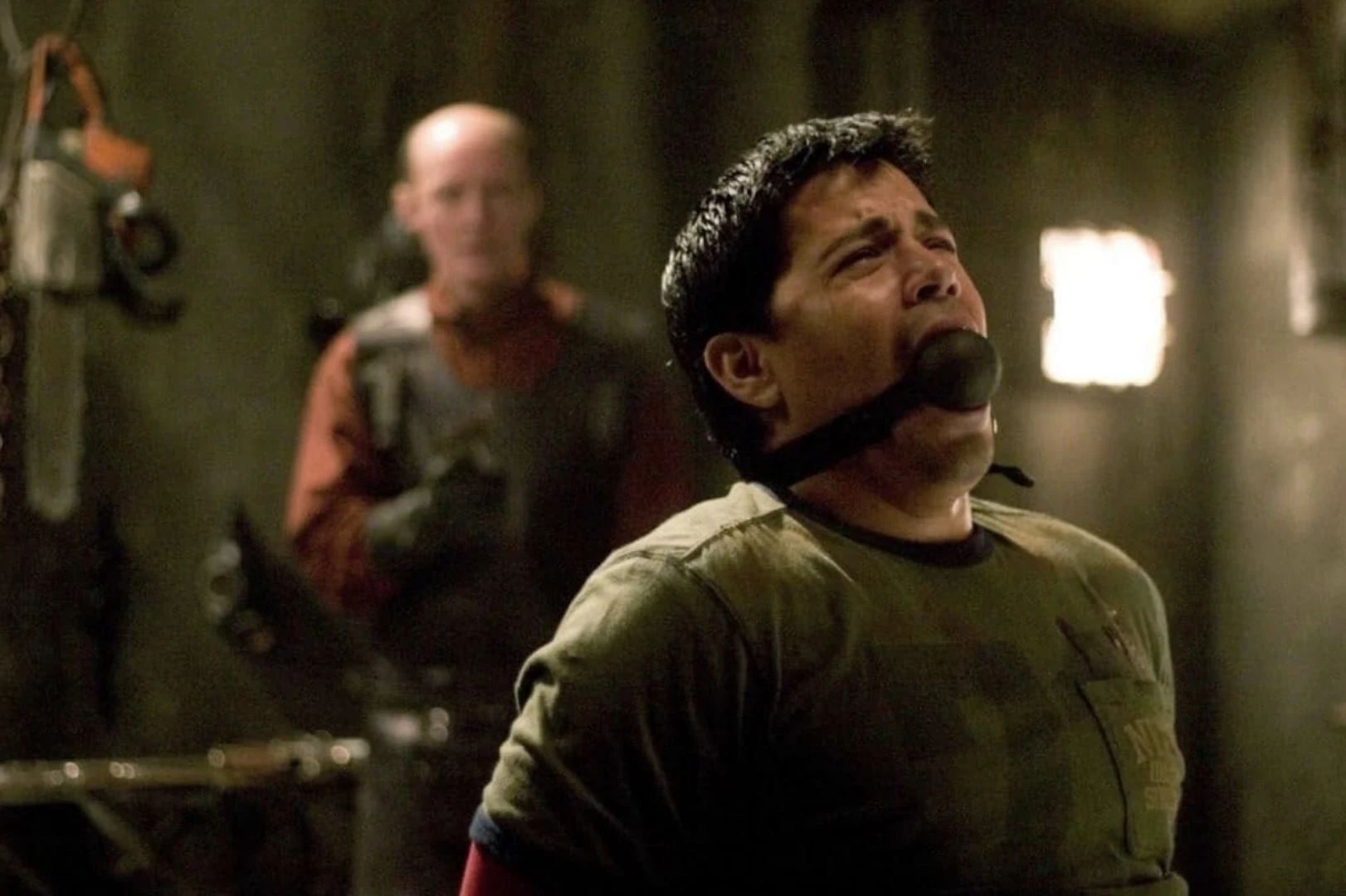
Hostel (2005)
Horror movies often seem to be judged this way: the more gore, the harsher the reviews. It’s a curious trend someone should really investigate! Eli Roth’s Hostel is definitely a very graphic film, focusing on tourists brutally attacked in Europe, yet it surprisingly received reasonably good reviews. A score of 60% on Rotten Tomatoes isn’t amazing, but it’s better than most films in the “torture porn” genre – the sequel, Hostel: Part II, for example, didn’t fare nearly as well.

The Toxic Avenger (1984)
With a Rotten Tomatoes score of 71%, Troma Entertainment’s films aren’t known for critical acclaim – and with titles like The First Turn-On!, Killer Condom, and Rabid Grannies, that’s not surprising. However, some of their movies, including their most famous creation, The Toxic Avenger, have received decent reviews. This success led to three sequels and a recent, higher-budget remake starring Peter Dinklage.
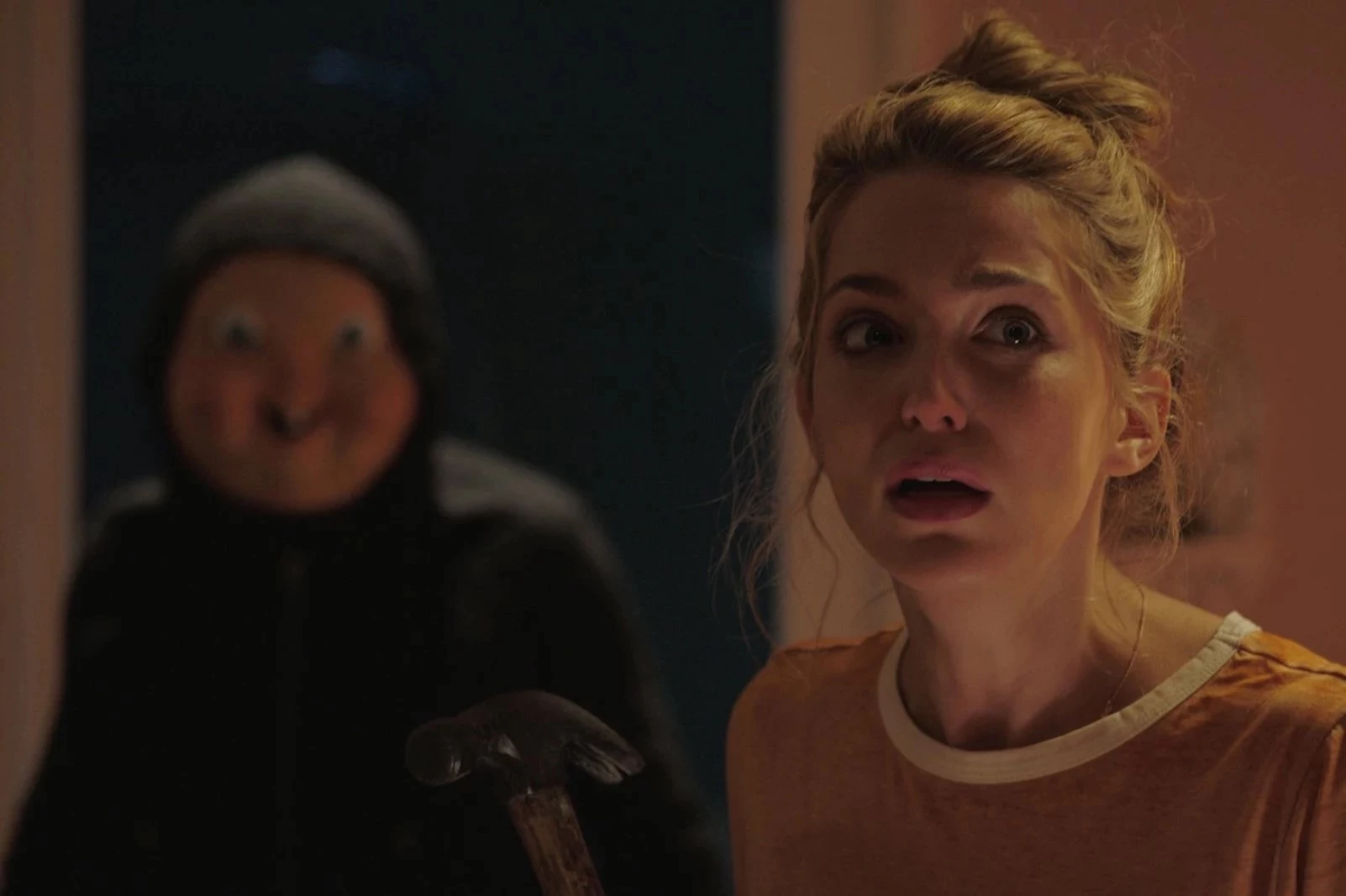
Happy Death Day (2017)
With a Rotten Tomatoes score of 71%, Happy Death Day initially seemed like a simple copy of Groundhog Day, featuring a protagonist stuck in a time loop, reliving the day of her murder until she could figure out how to survive. However, the film surprised both critics and audiences, becoming a box office success with $125 million in worldwide earnings and even spawning a sequel, Happy Death Day 2U.

Malignant (2021)
With a Rotten Tomatoes score of 77%, James Wan’s Malignant initially appeared to be a standard psychological horror film about a woman experiencing frightening visions that become reality. However, the trailers deliberately concealed a completely unexpected and surprising twist. Once revealed, the film’s positive critical reception becomes much clearer – it’s a bold and ambitious movie that truly takes risks.

The Shallows (2016)
With a Rotten Tomatoes score of 79%, The Shallows surprises viewers. While the premise – Blake Lively fighting a shark in a bikini – sounds sensational, director Jaume Collet-Serra delivers a genuinely well-made and suspenseful film. It’s an intense and thrilling battle between Lively’s character and a relentless shark.

Saw X (2023)
With an 81% score on Rotten Tomatoes, Saw X is a surprising success. Before this film, none of the nine previous Saw movies had received a positive rating on the site. The series had even tried to restart twice after a seventh film falsely advertised as the last one. Despite a history of negative reviews, confusing storylines, and extreme violence, Saw X is the best-reviewed film in the franchise. Its success might be due to a simpler approach: the story takes place between the first and second films, allowing it to avoid the complicated events and character changes that followed. It seems keeping things straightforward works for these horror sequels – which is a bit ironic, considering the Saw films are known for their elaborate and deadly traps.

Ouija: Origin of Evil (2016)
With a Rotten Tomatoes score of 83%, the movie Ouija started as an adaptation of the popular board game known for scaring kids. It’s no surprise the first film received largely negative reviews, becoming one of the worst-rated horror movies of the 2010s. Despite this, it was a financial success due to its low budget—likely fueled by the psychological phenomenon of the ideomotor effect—leading to a sequel. Surprisingly, the prequel received excellent reviews, thanks to director Mike Flanagan, a talented horror filmmaker who was allowed to create a standalone story. He used the Ouija board as a starting point to tell a gripping tale of a family of fake psychics haunted by a real ghost.

Crawl (2019)
With an 84% score on Rotten Tomatoes, Crawl demonstrates a point made by film critic Roger Ebert: how a movie is made matters more than what it’s about. The premise – a woman pursued by alligators – sounds like a typical, low-quality thriller. However, director Alexandre Aja, with guidance from horror expert Sam Raimi, transformed it into a genuinely terrifying and gripping monster movie.
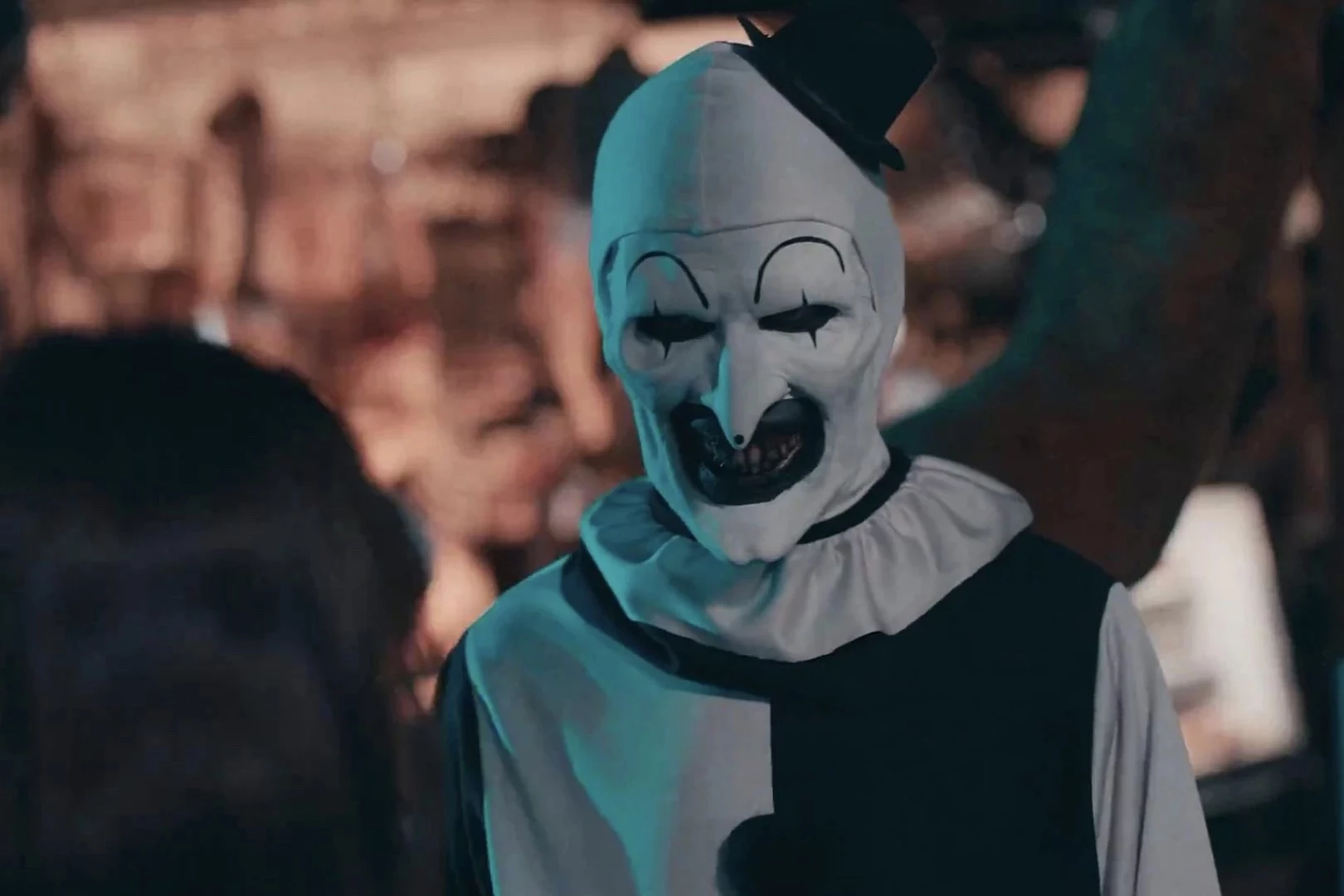
Terrifier 2 (2022)
I’m a huge fan of the Terrifier series, and it’s incredible how popular it’s become! It started as a small independent project, but now Art the Clown has his own action figures and even a haunted house at Universal’s Halloween Horror Nights! It’s definitely gotten some buzz, but people seem to really enjoy it – all three movies are ‘Fresh’ on Rotten Tomatoes. And get this – Terrifier 2 actually has a higher score than some classic films like Easy Rider and A Clockwork Orange! It’s just wild to see how far it’s come.
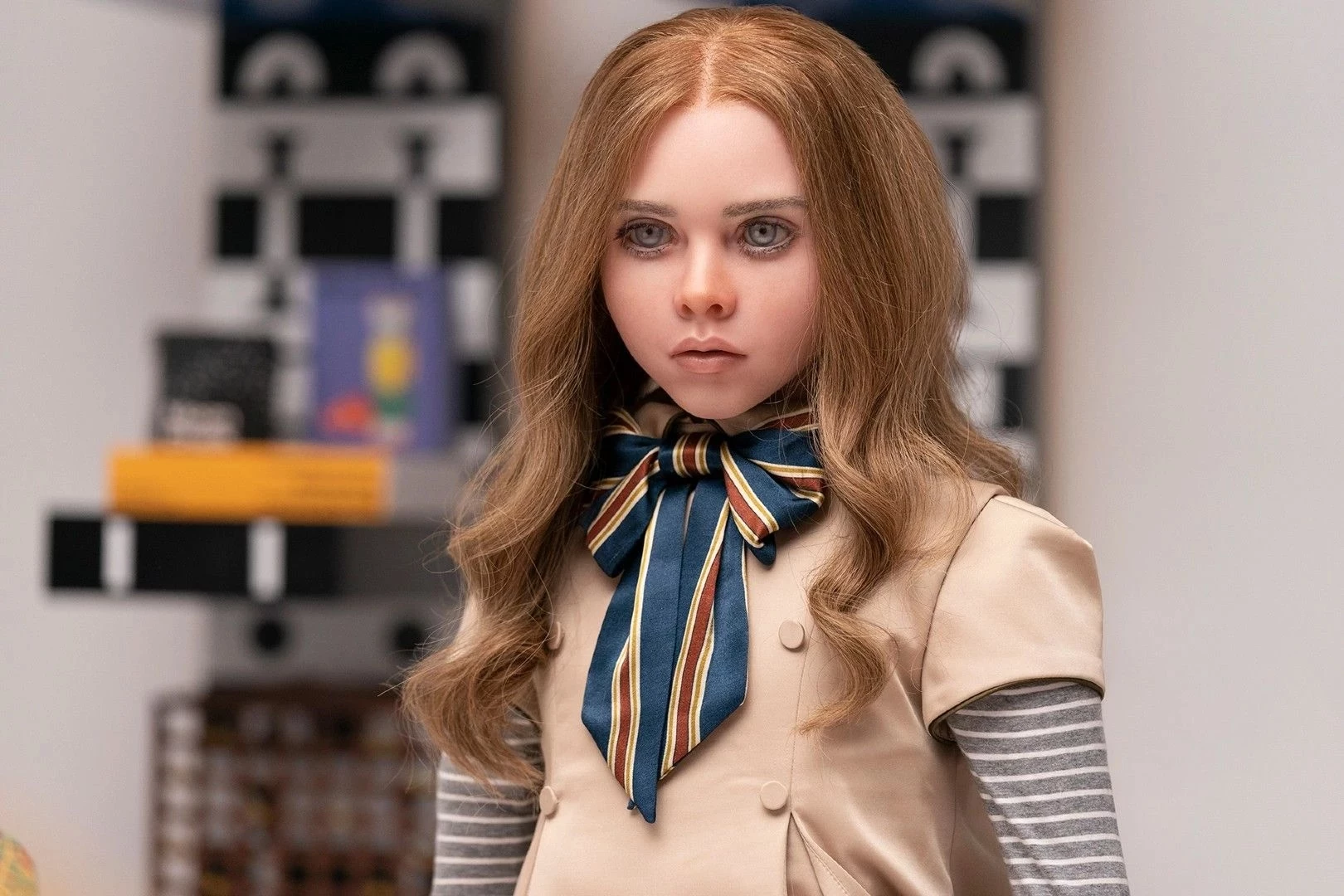
M3GAN (2022)
With a 93% score on Rotten Tomatoes, the 2022 hit M3GAN quickly gained critical acclaim. The film centers around a life-sized doll powered by AI who becomes overly protective of her owner. What makes M3GAN stand out is that it successfully blends humor with genuinely unsettling themes, and critics largely recognized and appreciated this unique balance – a rare feat for a horror movie.
Read More
- Прогноз криптовалюты ATOM: прогнозы цены ATOM
- Avengers: Doomsday’s New Trailer Reveals The Doctor Doom Fight That Could Kill A Major MCU Hero
- Золото прогноз
- The Sarah Connor Chronicles Was So Good, It Beat The Last 4 Terminator Movies
- Ryan Reynolds Reveals Deadpool’s Big Change in Next Team-up Movie
- John Wick-Style WWII Action Thriller Sisu Takes Netflix by Storm
- The Godfather Secretly Inspired Star Wars’ Most Satisfying Character Death
- Street Fighter Action-Packed Trailer Rivals Mortal Kombat II
- After The Star Wars Clone Wars Movie, Starkiller Needs an Animated Movie
- Invincible Season 4 Finale Trailer Teases Where Thragg & Viltrumites Went
2026-03-12 17:29