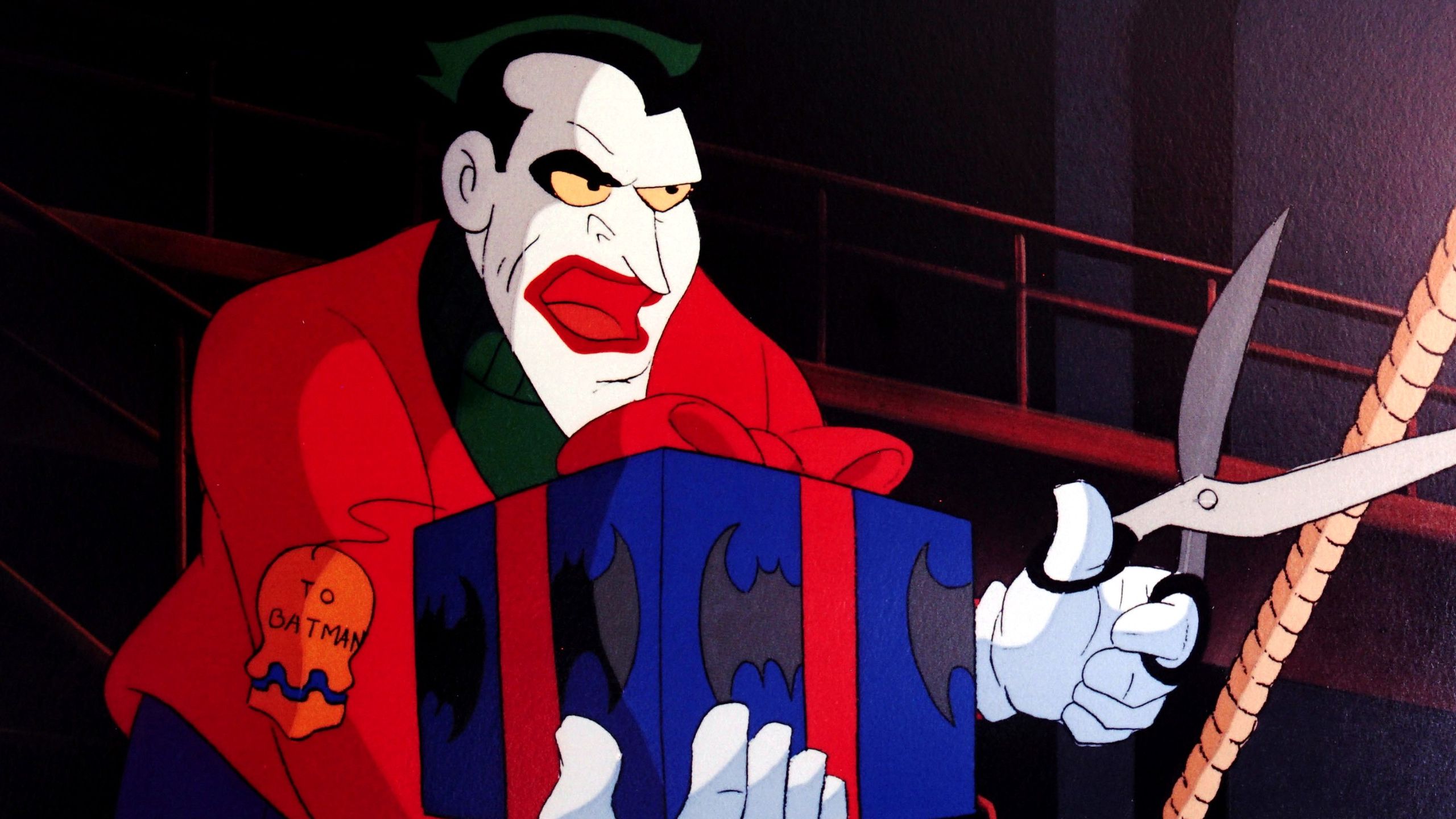
First airing over 30 years ago, Batman: The Animated Series remains one of the best superhero cartoons of all time. Its dark and realistic style made it different from other shows, and it wasn’t afraid to tackle difficult or even frightening topics, leading to some genuinely scary episodes. While it had its limits, the show wasn’t afraid to make viewers uncomfortable.
Lots of superhero cartoons have attempted to follow in the footsteps of Batman: The Animated Series, either by copying its look and feel or building on what made it great. But even those aimed at younger viewers rarely achieve the same sense of unease and darkness when BTAS delves into more serious stories.
As a huge animation fan, I truly believe this show deserves all the praise it gets – it’s easily one of the best ever. What makes it so special is that it wasn’t afraid to take risks. While it definitely had its share of heartwarming, heroic moments and valuable life lessons, some of its most unforgettable episodes were genuinely terrifying. That blend of genres is what really stuck with me, and why I keep coming back to it.
“It’s Never Too Late”
Season 1, Episode 12
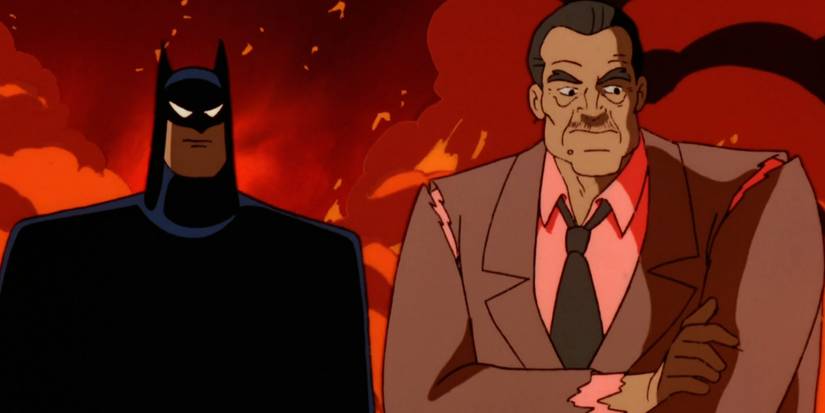
Batman is known for battling eccentric supervillains with grand, often destructive, plans. However, Gotham’s criminal world also includes more grounded threats like organized crime. The Batman: The Animated Series episode “It’s Never Too Late” showed a realistic portrayal of how drug gangs can affect ordinary people.
This episode features Batman taking on Arnold Stromwell, a drug kingpin connected to Rupert Thorne. Instead of using force to get information, Batman does something unexpected: he brings Stromwell to the hospital to see his own son, who is battling a drug addiction, hoping to appeal to his sense of responsibility.
The reveal was powerfully disturbing, shifting the story from simply dark to truly frightening because it felt so realistic. While it wasn’t a typical action-packed thrill ride, witnessing the devastating consequences of Gotham’s drug problem was far more terrifying than the usual tone of Batman: The Animated Series, solidifying its status as a classic.
“House & Garden”
Season 2, Episode 5
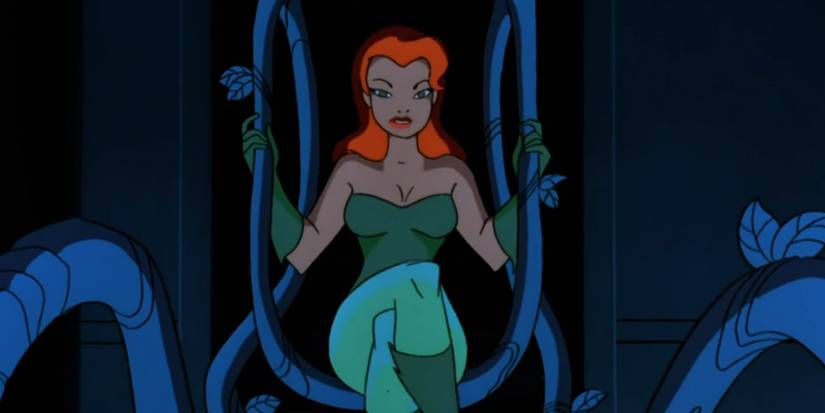
The “House & Garden” episode of Batman: The Animated Series started like many others, but it quickly became one of the show’s most unsettling. The story focused on a series of crimes seemingly connected to Poison Ivy, even though she had supposedly reformed and was living a quiet family life.
She had convincing alibis and appeared to be reformed, but Batman and Robin discovered the deception. Poison Ivy hadn’t fallen for Dr. Carlyle; instead, she used her powers to control him into breaking her out of Arkham, then kidnapped him. She then used plant creatures disguised as Carlyle and his family to carry out her plans.
It appeared Ivy had reformed, but she was actually continuing to commit crimes. The revelation that her family was fake was unsettling enough, but the terrifying appearance of her creations made this feel more like a horror story than a superhero show for kids, truly highlighting how evil Ivy was.
“On Leather Wings”
Season 1, Episode 1
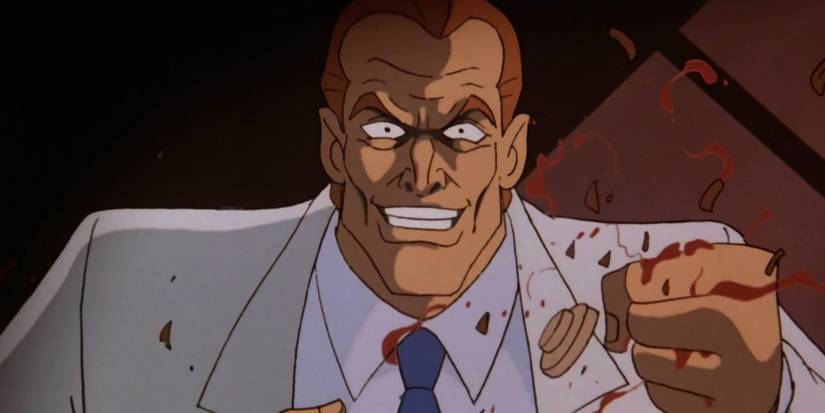
The first episode of Batman: The Animated Series, “On Leather Wings,” immediately showed viewers just how dark and unsettling the show could be. It introduced Man-Bat, a truly frightening villain, and every time he appeared, it created a consistent sense of fear and suspense.
The longer the creature stayed free, the more frightening things became, ultimately leading to a shocking discovery. It turned out that Dr. Kirk Langstrom was actually the Man-Bat – a being who could change from a human into a dangerous, winged monster with incredible powers.
It’s still unsettling to remember the frightening expression on Kirk’s face as he transformed, and the whole sequence was deeply disturbing. Starting the series with such a dark and gloomy story was a bold move, and although Batman: The Animated Series explored darker themes later on, this episode truly felt like pure horror.
“Dreams In Darkness”
Season 1, Episode 28
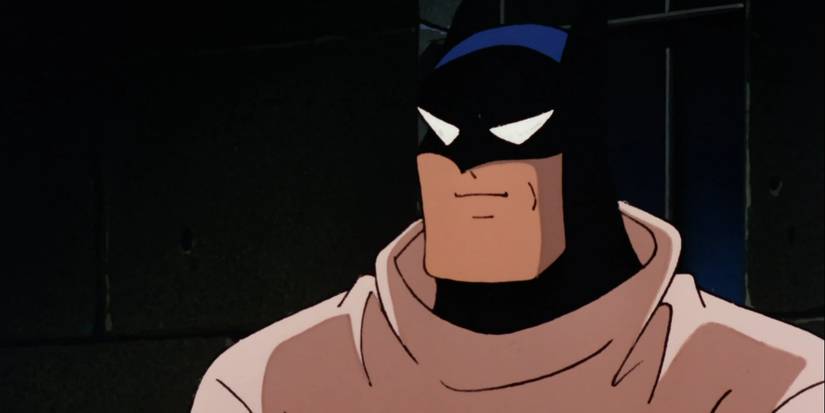
Batman is usually the one sending criminals to Arkham Asylum, not the other way around. But in “Dreams in Darkness,” Scarecrow’s fear toxin lands Batman inside Arkham, and it’s a really unsettling story to watch.
The team brilliantly created a truly oppressive atmosphere in Arkham Asylum, and the interactions with doctors and psychiatrists only amplified the psychological strain of being trapped there. The episode, clearly inspired by the comics, even shows Batman struggling, perfectly capturing his internal state in Batman: The Animated Series.
The hero’s ordeal wasn’t over, as he was plagued by terrifying hallucinations that forced him to relive the trauma of his parents’ death. He even had to fight both his usual enemies and his friends, creating a truly agonizing experience. Despite Batman ultimately escaping this nightmare, it remains one of the most disturbing and memorable episodes of the series.
“Feat Of Clay”
Season 1, Episode 21
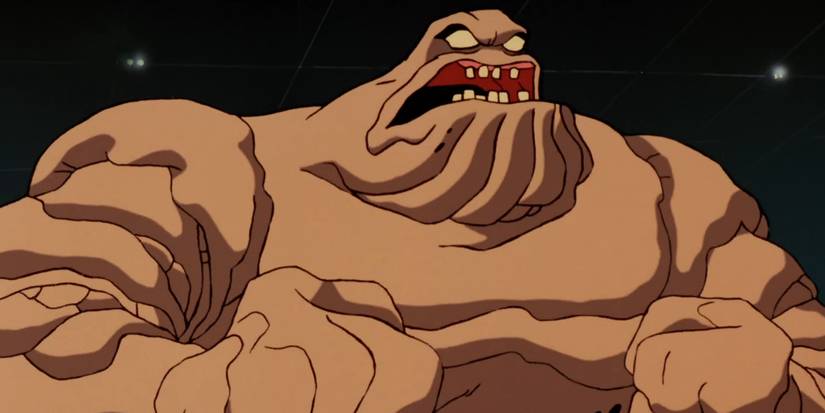
The episode “Feat of Clay” introduces the villain Clayface in Batman: The Animated Series. Beyond giving him a deliberately frightening look, the show also explores a sad story behind the character. It focuses on Matt Hagen, a well-known actor, and his reliance on a special cream that lets him change his face, concealing scars in the process.
His addiction to the chemical led him to desperate measures, culminating in a break-in at Daggett Laboratories. There, Daggett’s men forcibly administered a large dose of the substance, which transformed him into Clayface. While the two-part story is enjoyable, it also explores some disturbing ideas.
While Clayface is a prominent villain in this story, Batman: The Animated Series actually introduced Roland Daggett as the real threat. He’s a truly frightening character, and his willingness to exploit people in need, like Matt, highlights how large companies often take advantage of those who are vulnerable.
The episode also touches on body image issues, as Matt trying to hide his scars ultimately makes things much worse for him. What truly makes “Feat of Clay” frightening isn’t just the visuals, but how it connects to real-life struggles, solidifying it as one of the show’s most unsettling stories.
“Mad Love”
The New Batman Adventures, Season 1, Episode 21
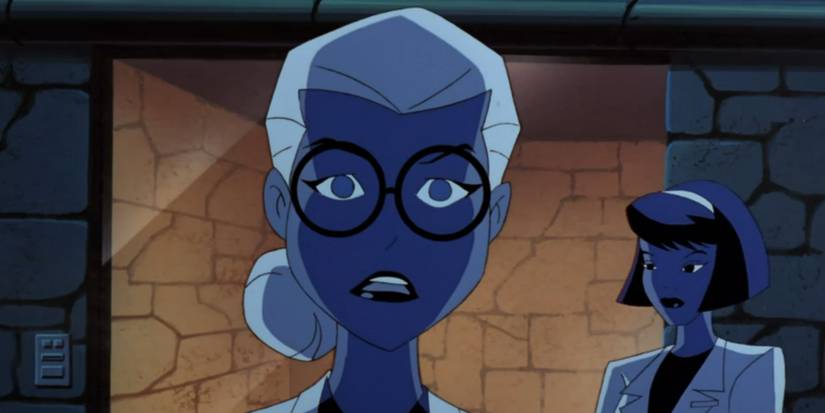
Most Batman fans are familiar with the toxic relationship between the Joker and Harley Quinn, but the story “Mad Love” was the first time audiences really saw it unfold. When Harley Quinn first appeared in the animated series, she was simply the Joker’s assistant, obediently following his orders with little recognition or care in return.
Despite this, she fell deeply in love with him, and the story revealed how much the famous villain had controlled her. Using his considerable charm, the Joker persuaded Harley to abandon her successful career to assist in his escape from Arkham, and has treated her poorly ever since.
The Joker’s manipulation of Harley’s feelings and his treatment of her as just a tool to get to Batman revealed his deeply cruel nature, and it also gave Harley Quinn’s character more complexity.
It was surprisingly moving – and disturbing – to hear Batman bluntly explain the truth about Harley and the Joker’s relationship, especially for a show aimed at younger audiences. The moment when the Joker threw Harley out a window perfectly illustrated how little he valued her and just how bleak the story of “Mad Love” truly is.
“Over The Edge”
The New Batman Adventures, Season 1, Episode 12
When it comes to difficult episodes of Batman: The Animated Series to watch, “Over the Edge” is probably the most unsettling. While the Scarecrow plays a central role, the episode isn’t scary because of creepy visuals or settings. It’s the disturbing idea behind the story that really stays with you.
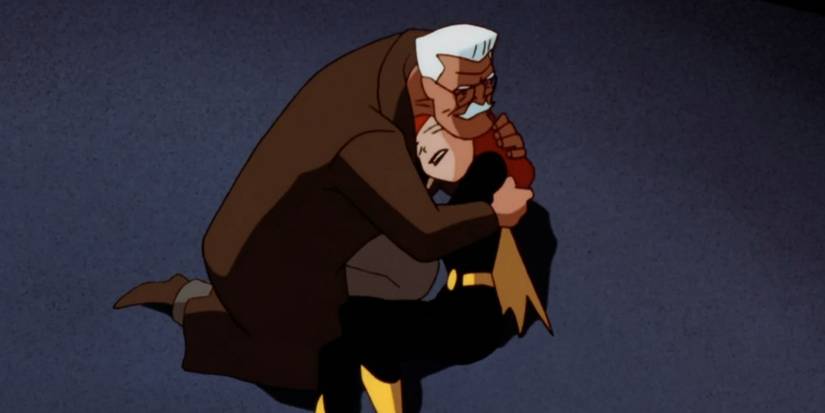
The story “Over the Edge” begins with the Gotham City Police Department pursuing Batman and Robin, and even attempting to kill them. The reason for this aggressive pursuit is later revealed. During a confrontation with the Scarecrow, Batgirl falls from a rooftop and dies, tragically in her father, Commissioner Gordon’s, arms. He doesn’t realize she’s his daughter until he removes her mask, leading him to hold Batman responsible for her death.
Watching these two characters clash creates a consistently tense experience, forcing the audience to decide who to sympathize with – the hero who’s often misunderstood, or a father dealing with immense loss. The show generally avoids dealing with death, making the decision to kill off a member of the Bat-Family particularly surprising and impactful.
The episode’s twist – that everything was a hallucination caused by Scarecrow’s fear toxin, experienced by Barbara – is still deeply unsettling. This installment of Batman: The Animated Series is a true masterpiece, and its frightening nature proves just how strong the show’s writing is.
2026-03-08 00:21