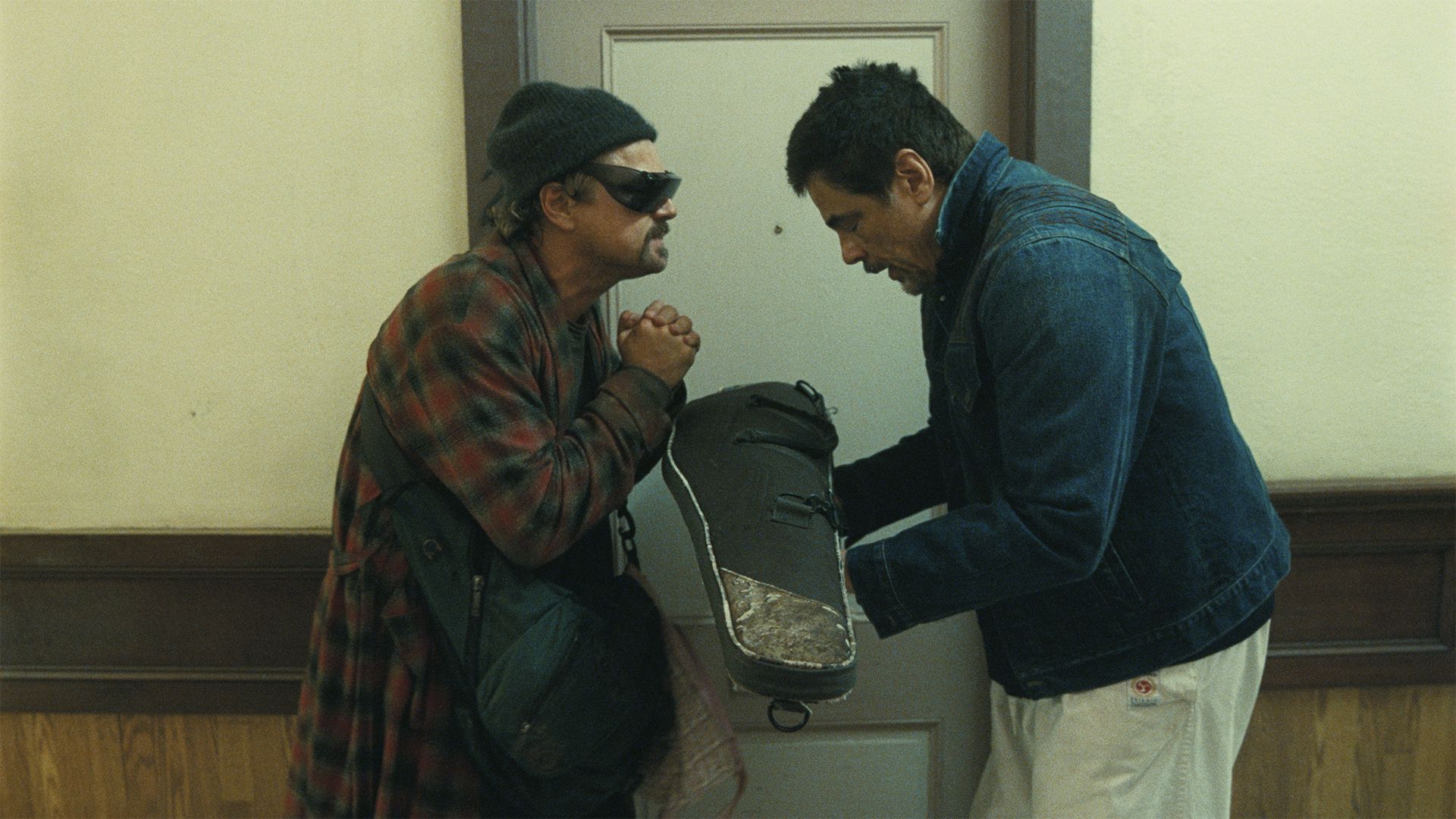
With the Oscars approaching, Paul Thomas Anderson’s ambitious film, One Battle After Another, is a leading contender. Inspired by Thomas Pynchon’s novel Vineland, the movie stars Leonardo DiCaprio as a former revolutionary struggling to protect his daughter, Willa (played by Chase Infiniti), while his past threatens to unravel his present. The film has received 13 Academy Award nominations and is a favorite to win, thanks to both its stellar cast and the skillful work of the creative team behind the scenes.
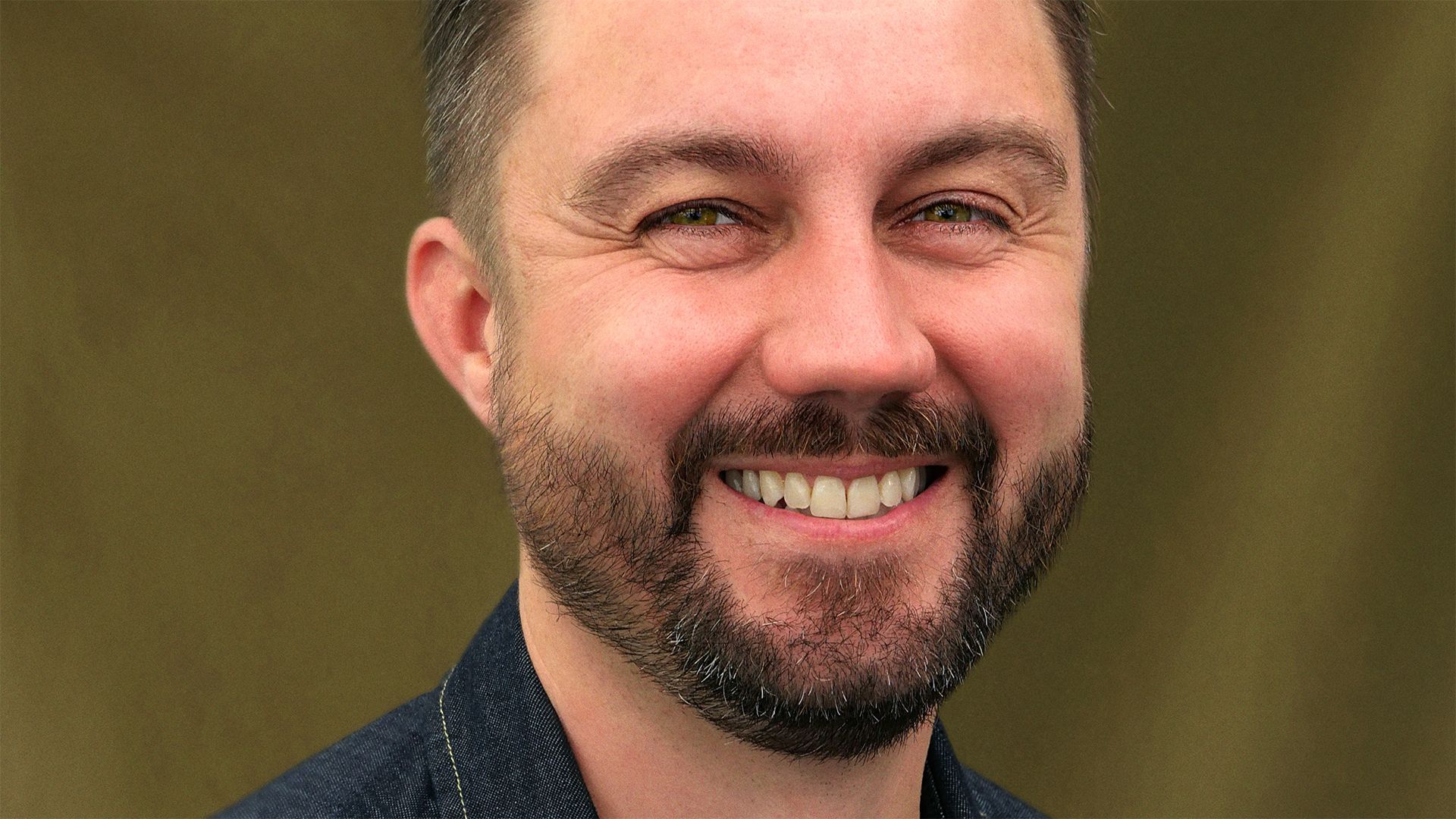
The film One Battle After Another shifts dramatically in tone, which could be jarring for viewers, but the skillful editing by Andy Jurgensen, along with director Paul Thomas Anderson’s vision, prevents that. Jurgensen has been nominated for his first Oscar and first worked with Anderson in 2014 as an assistant editor on Inherent Vice. He’s since become a frequent collaborator, also editing Phantom Thread and Licorice Pizza.
Jurgensen, in a conversation with Todd Gilchrist at ScreenRant, discussed key elements of the film One Battle After Another. He explained his focus on developing characters, using a pivotal scene between Perfidia (Teyana Taylor) and Lockjaw (Sean Penn) as an example. He also emphasized the crucial role music played in the filmmaking process, and shared the story behind how the character Sensei (Benicio del Toro) ended up admitting to having “a few small beers.”
One Battle After Another Walks A Fine Line Between The Serious & The Satirical
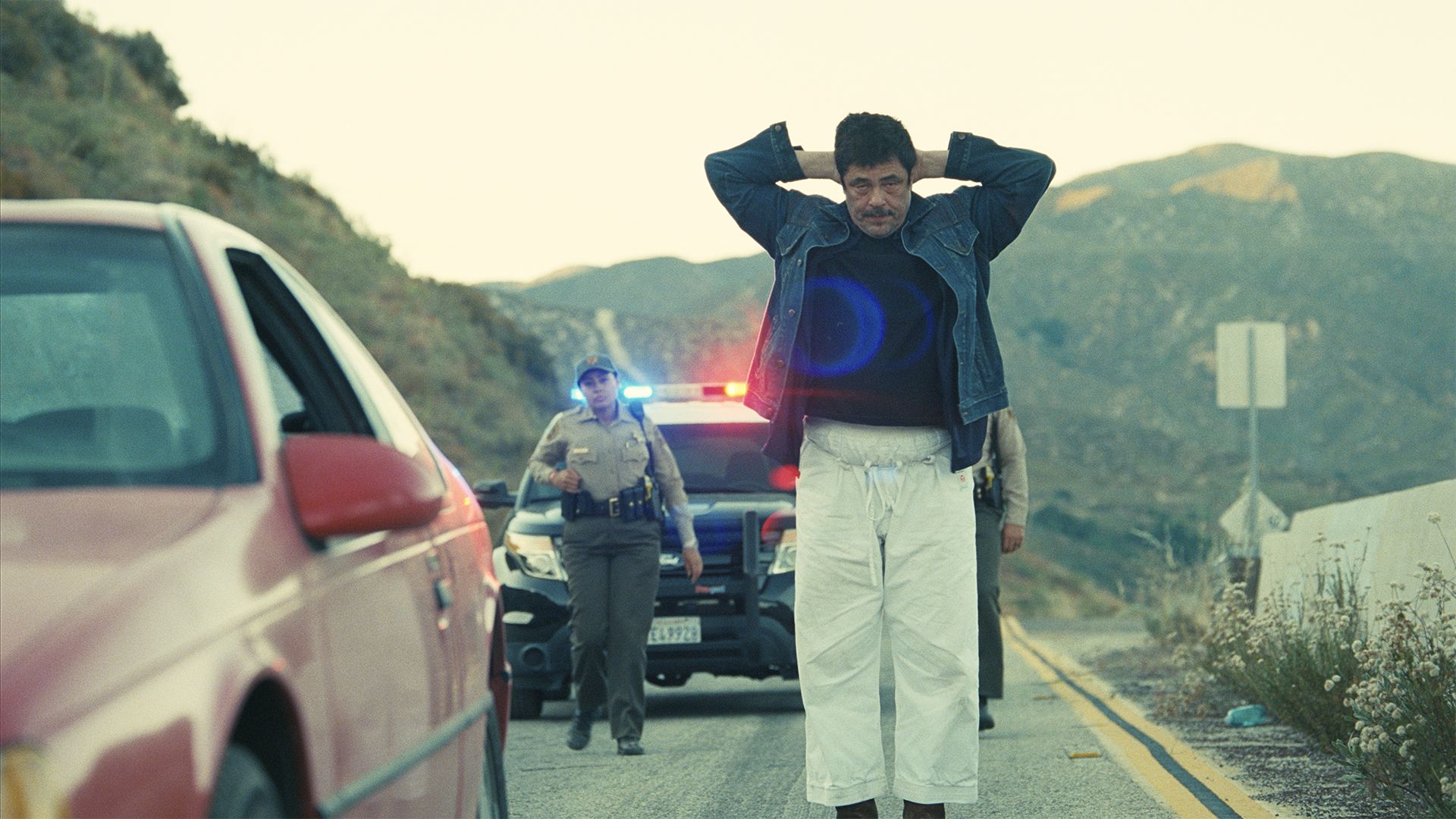
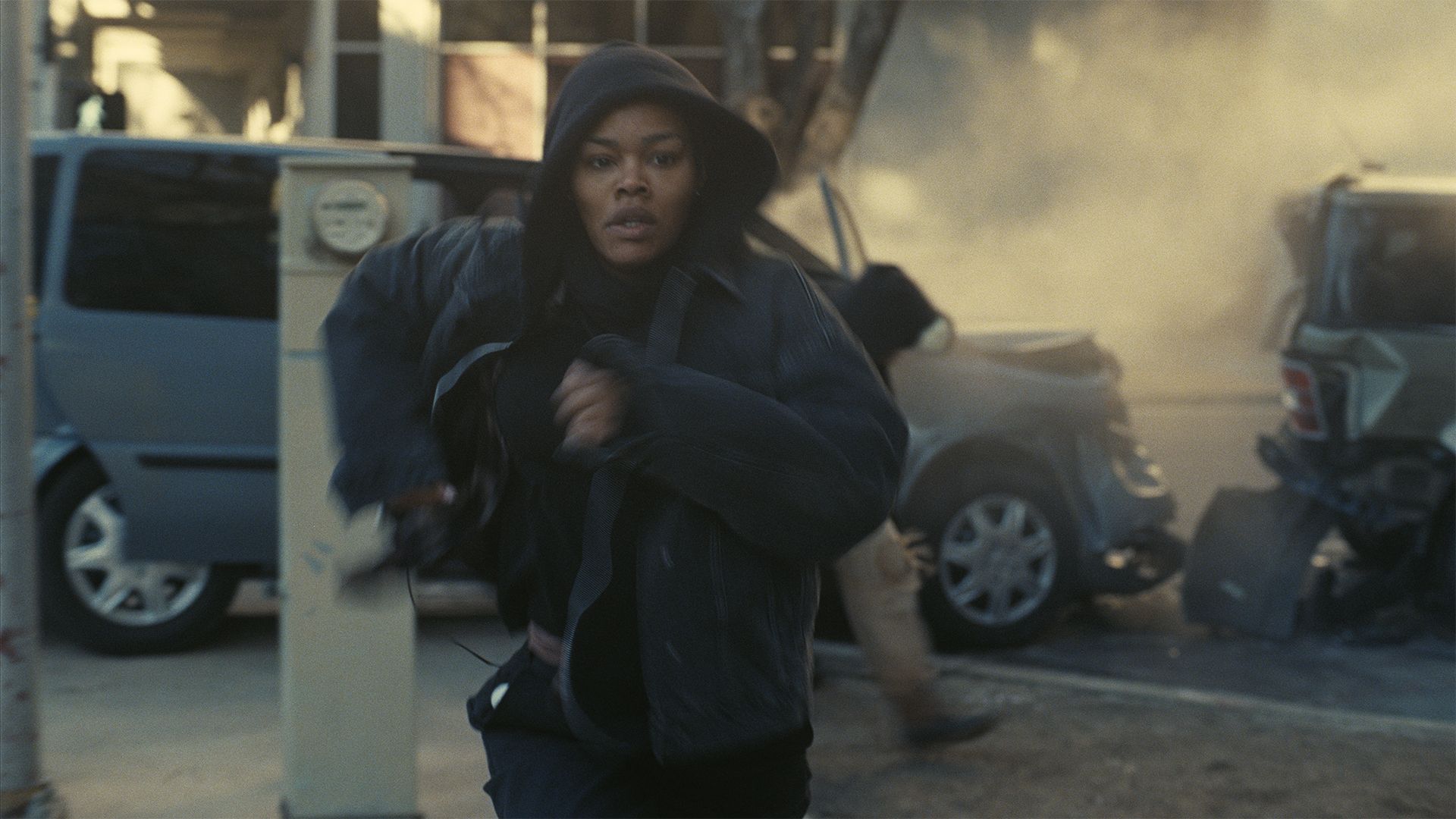
ScreenRant asked: When editing Paul Thomas Anderson’s films, do you and he discuss the deeper meaning and how to shape the audience’s understanding of the characters? Or is your role primarily technical – simply assembling the footage as he directs?
It’s a combination of things, really. You always start by looking at the actors’ performances and seeing what they bring to the scene. Then, because he’s so good at working with actors, they naturally start trying different approaches and improving as filming goes on, until everyone feels confident. You begin to recognize when they’ve really found their rhythm and then focus on using those takes.
This movie had a lot going on, with a complex story and a fast pace. It was tricky finding the right moments to slow down and give the audience a break. We also had to carefully manage the shifts in tone – making sure it wasn’t too funny in some places or not intense enough in others. We figured this out by watching audiences react to the film during test screenings.
Recently, a lot of discussion around this movie has focused on its political themes. However, I see those politics as simply setting the stage for what’s fundamentally a story about a father and daughter. I was curious about how you decided to introduce the revolutionaries – it seemed like a delicate balance between making it satirical and keeping it grounded in seriousness.
The opening of the story was challenging because we needed to establish a lot of background information about Perfidia and her personality before she largely vanishes from the narrative until the climax. Our main goal was to introduce all the key players and then delve into Perfidia’s perspective, charting her journey. We had to depict her struggles with post-partum depression, the bank robbery and its consequences, and crucially, how her choice to inform on everyone dramatically alters the course of events.
We’re exploring various approaches to revolution through different characters. Sensei, for example, is a revolutionary in his own right – calm, collected, and very different from the impulsive Bob. Lockjaw, meanwhile, seeks belonging within an established group. These diverse personalities all contribute to the story as we prepare Willa to take on a leadership role.
The car crash scene involving Lockjaw is filmed with a really impressive single take, but it’s not an over-the-top, action-packed explosion like you might see in a Michael Bay movie. Was there a discussion about how to best show this moment and still tell the story effectively?
The car crash sequence was filmed realistically, with cameras mounted inside the vehicle. We intentionally avoided excessive footage, selecting only the most impactful moments from the various angles we captured. The final sequence consists of four shots, and we always planned to conclude it that way. I managed to extend the scene slightly by switching between different camera angles, effectively manipulating the perceived length of time. It was crucial to maintain a clear understanding of the scene’s layout – the ditch, the position of the blue car, and its movements – to ensure everything made sense.
Look, I’m not a fan of overly flashy editing. This film actually has a ton of quick cuts at the climax, but what we always aim for is telling the story in the most powerful way possible, and surprisingly, that often means using fewer cuts. It’s a constant balancing act, honestly. Staying with a shot longer just feels more real, less like you’re being tricked. We’re always trying to find that sweet spot – keeping things exciting without feeling manipulative.
We were mainly focused on getting the audio just right and selecting the strongest three or four takes before moving forward. The unexpected nature of the scene often surprises viewers – they aren’t prepared for something so shocking, like wondering if a character has died. Because the reveal is so impactful, we intentionally avoided exaggerating it.
How 1 Take Can Change A Character Arc
 Still courtesy of Warner Bros.
I noticed more nuance in Perfidia’s feelings and motivations during a rewatch of her scene with Lockjaw. Small details, like a gesture or facial expression, can really shift how viewers understand a character. Are there any specific moments you remember where the filmmakers discussed and refined those details to ensure the character came across as Paul intended?
We nicknamed one particular shot the ‘Walk of Shame’ because it was a key moment in showing the character’s inner conflict. Even if other shots didn’t quite land, we always kept this one – it highlighted her secret feelings and the complicated dynamic between her, Bob, and Lockjaw.
When working on Lockjaw, we aimed for a balance. He’s often portrayed as incredibly powerful, and we wanted to embrace that, but also create a fully realized character. We especially focused on this during scenes like the DNA test with Willa and the hospital scene with Perfidia. Sean Ryan, the actor, delivers such a strong performance and trusts our director, Paul, so he naturally leans into those bigger moments. However, we sometimes needed to subtly scale back his performance to ensure later, more intimate moments in the scene would have a greater impact.
We really worked on making his character complex. Even though he does awful things, you end up feeling sorry for him. The actor, Sean, brought so much to the role – his little laughs hinted at the tragic end coming, and ultimately, he portrayed a truly heartbreaking character.
ScreenRant asks if the movie successfully balanced its humor with the genuine danger faced by the characters Bob and Willa, or if the comedy undermined the tension. They wonder if it was difficult to strike that balance.
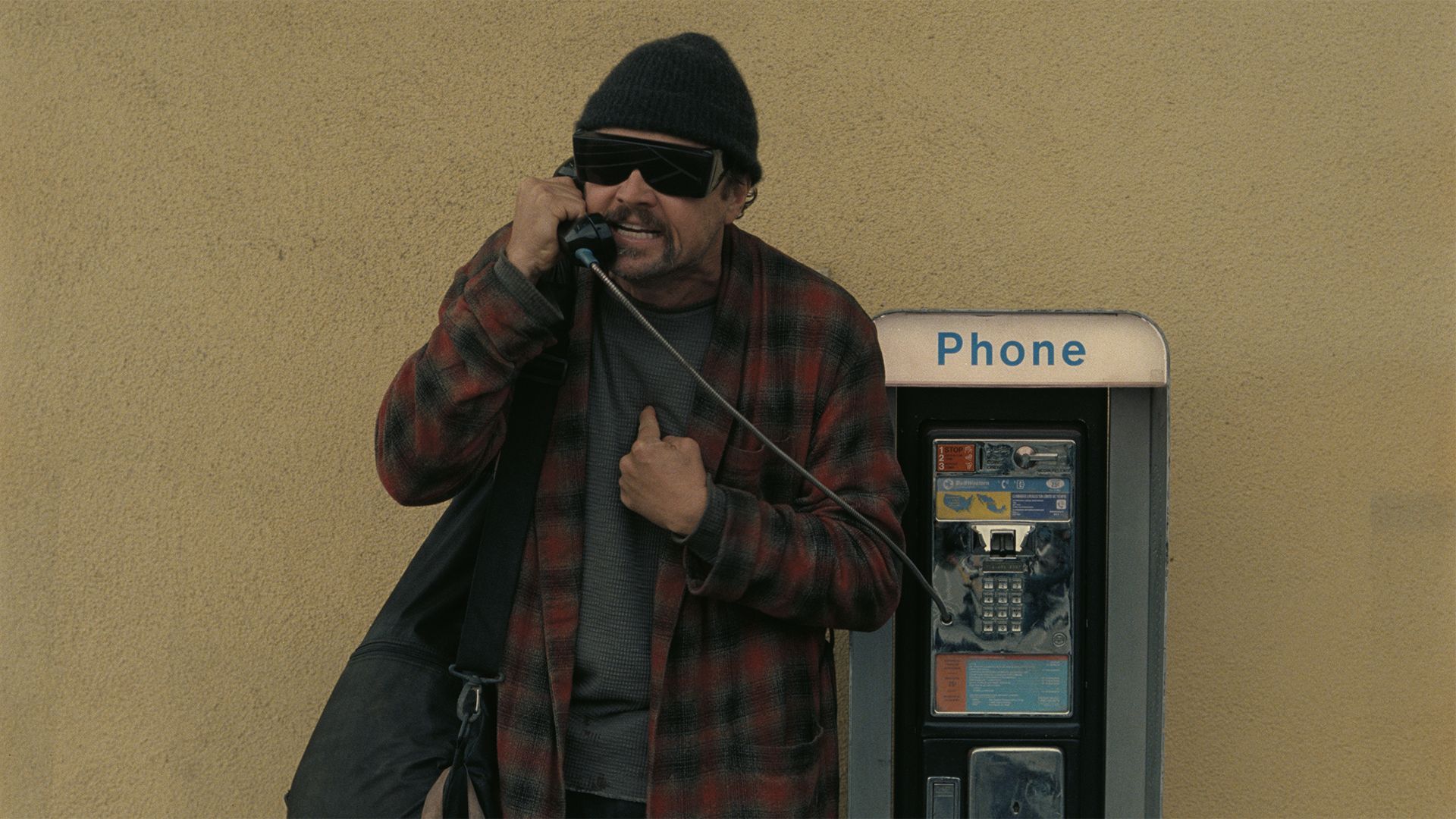
Andy Jurgensen felt they might have been a bit reserved in the initial edits. They consistently emphasized the comedic aspects, particularly in the Christmas Adventurer scenes, using a deadpan delivery to highlight the inherent silliness. They were also confident Bob’s phone calls would consistently get a good reaction from audiences.
Once we began showing the film to test audiences, we started focusing on what was working well – the scenes that got laughs, for example. Then we’d brainstorm ways to add even more moments that would resonate with viewers. We weren’t afraid of changing the tone, but we wanted to make sure those shifts felt natural and didn’t confuse people. The audience screenings confirmed that people were following the story and understanding the changes in mood and style.
Benicio del Toro’s performance as Sensei was a highlight of the film, successfully blending emotional depth with comedy while still maintaining the story’s suspense. Jurgensen also revealed a surprising detail about how his character developed.
Sensei’s performance was great, so we started brainstorming ways to expand his role. The bit about the ‘few small beers’ wasn’t originally in the film; we added it later. It’s not essential to the story – he could have simply driven off and disappeared for a while. But we decided to give the audience a little more of Sensei, as it was a funny moment.
We initially added a lot to that section, including a scene with Bob questioning someone’s name in a paddy wagon. Ultimately, that scene wasn’t necessary – we could have gone straight to the police station. We were just trying to see if we could add more and extend the sequence. Now, with the line about “a few small beers” becoming so popular, I’m really happy we kept it. It’s a fitting end for his character, and it proves that experimentation can lead to great results.
ScreenRant asked about a specific moment in the film: Lockjaw’s reaction after receiving his DNA test results. He simply says “Uh-oh,” which signals to the audience that part of the story is finished. The scene then cuts to black, but it’s cleverly revealed that this is because a character, Penn, is standing between Chase and the camera. The interviewer was curious about the reasoning behind these specific choices.
The DNA test scene went through many revisions. Originally, it was much longer, and we rearranged the dialogue to control the pacing. The actor actually said a few more lines after the initial reaction, but we felt the scene had reached its conclusion. We repeatedly cut back to the test results visually, and when everything finally aligns, it’s quite a surprise – and then the scene ends.
Since that moment created a sense of immediate danger, we needed to swiftly remove him from the situation. The specific editing technique we used allowed for a quick escape. We then aimed to strengthen the connection between Willa and Bob in the following scene, particularly during Bob’s dialogue about her hair. Our intention was to finish with a close-up on Willa’s face, then immediately transition to a close-up of Bob’s face. That was the core of our approach.
The shot of him walking away framed in black felt like a striking way to move the scene forward. It’s a bit unsettling, making you wonder what’s happening, and that’s actually a good thing. A slightly strange ending can be really effective, and in this case, the weirdness really works.
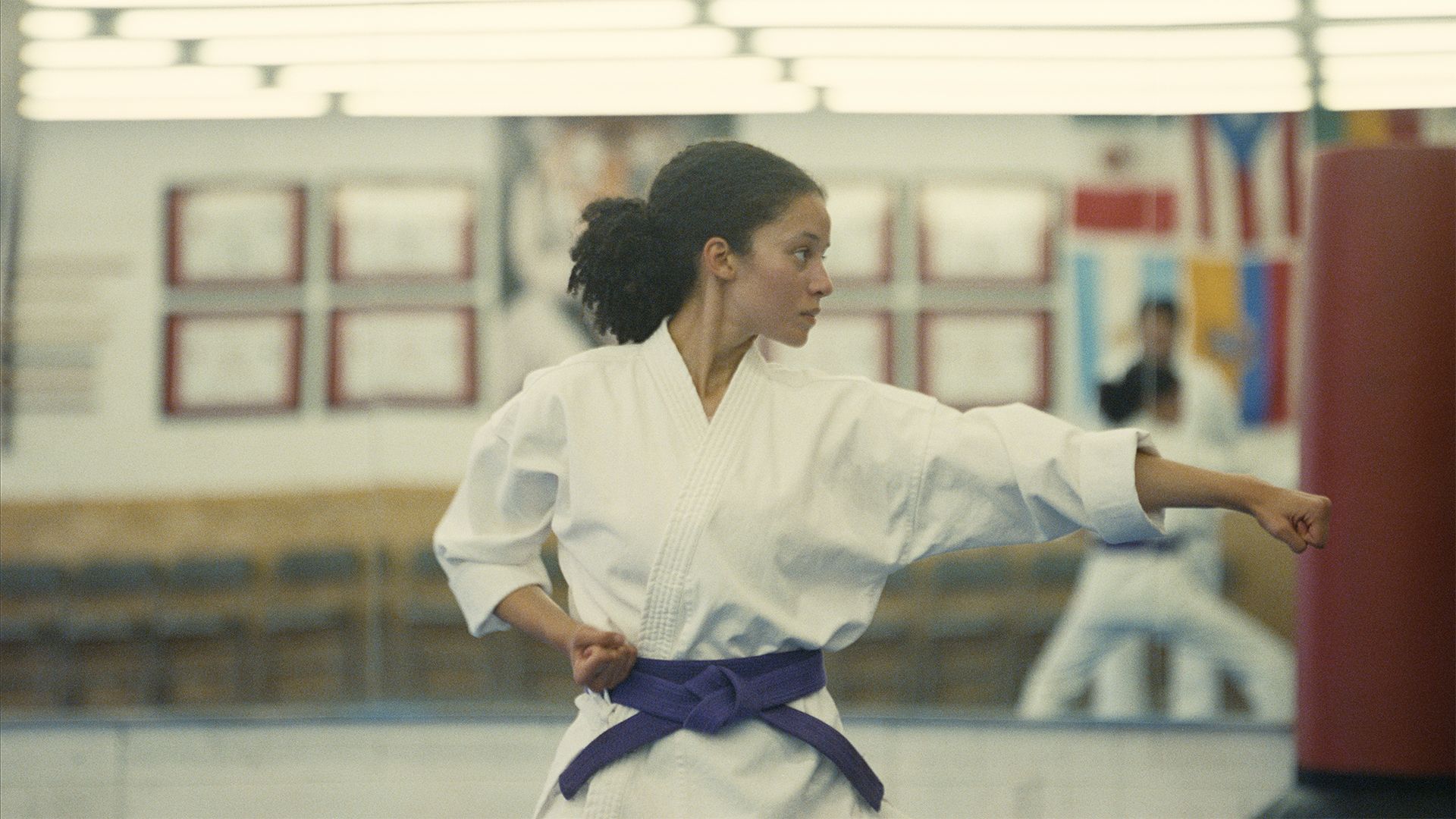
Chase Infiniti’s impressive performance as Willa heavily influenced the filming process, and Jurgensen was quick to acknowledge her talent.
Sometimes, you simply have to focus on the actor’s performance. Her expression in that particular take was fantastic – she really conveyed the fear. After that, we needed to decide how to best capture that in the shot, which led us to try using a black frame technique.
Andy Jurgensen Reveals Details About The Evolution Of His PTA Collaborations
 Still courtesy of Warner Bros.
Paul Thomas Anderson’s filmmaking style has evolved since Boogie Nights, but he still includes elements of his earlier, more extravagant approach. He’s known for frequently filming scenes from inside cars – a technique I haven’t seen anyone else use so often. The question is whether to discourage him from relying too heavily on these familiar techniques, or to embrace and celebrate them as nods to his past work.
We often include references and nods to other films in our work. When deciding how to display the movie’s title, we initially considered showing it on a black screen, but we realized we’d already used that technique in our previous two films. So, we opted for a different approach and placed the title later in the movie.
He appreciates creative shots, like the ones of the car door, but they always need to serve the story. We only include them if they enhance a scene. For example, the shot of Willa closing the car door and driving away at the start of the river of hills sequence was perfect because it felt authentic and created a strong opening for that part of the film. It simply fit and worked really well.
ScreenRant asked if, having collaborated with Paul multiple times, I review the previous work of editors like Dylan Tichenor to understand what Paul prefers. They wanted to know if I try to match that style, or if I focus on developing my own editing approach regardless of past work.
I’m familiar with all the earlier films, of course. I also know Dylan and Leslie Jones well – they’ve both worked on quite a few of Paul’s movies in the past.
I began my work with Paul Thomas Anderson as an assistant editor on ‘Inherent Vice,’ where I collaborated with Leslie and observed the filmmaking process. Later, I worked with Dylan on ‘Phantom Thread.’ Observing Paul’s direction of both Leslie and Dylan taught me a great deal. Alongside those projects, I also worked on music videos and smaller films, which allowed me to develop a strong working relationship with him.
Having worked with Anderson for a long time, Jurgensen instinctively understands how he approaches his work.
You start to understand his preferences – what he responds to and what doesn’t work for him – and get a sense of what will naturally draw him in or feel out of place during a performance. He prefers things to be a little imperfect, because that’s what makes a scene captivating. It’s important to embrace those quirks and imperfections.
I’m incredibly grateful for my 12-year working relationship with Paul, and I’m really proud of how far we’ve come. We’ve grown together, even through big changes like moving from a smaller project, Licorice Pizza, to his – and my – largest film yet. We were both figuring things out as we went along.
What was most touching about Jurgensen’s response, however, was the praise he gave to everyone he’s collaborated with creatively, even those who weren’t involved in One Battle After Another.
Leslie and Dylan are fantastic, and it feels like we’re all still one big family. Our connection with Paul, built over years of working together, extends to the entire crew – especially the camera department, who have been with him for five films now. We’ve all been collaborating for over a decade, so we have a great understanding of how to communicate and get things done. Paul’s loyalty to his team really benefits everyone involved.
Making Musical Choice With Paul Thomas Anderson
 Still courtesy of Warner Bros.
ScreenRant asked about the use of the Jackson 5 song in the film, noting it was tried in several scenes before being finalized for Bob’s hospital escape. They were curious about how many songs Paul provided to work with during the editing process, and how much creative control the editor had over choosing where those songs were placed in the film.
Andy Jurgensen is incredibly talented with music. He consistently came up with fantastic ideas, and we started exploring those ideas while reviewing the daily footage from filming. We’d play potential music tracks – everything from pre-existing songs to early versions of the score – right then and there, using his phone to play them through the sound system. This allowed us to quickly see how the music felt with each scene and whether it was a good fit.
While working on Steely Dan, we’d often put on Jackson 5 songs during the daily review of footage, especially during scenes with car chases. I specifically remember a shot where Lockjaw’s team landed from a helicopter, briefed the police, and then drove off while being pursued. We had a lot of takes of that scene, and at one point, we were playing “Ready or Not Here I Come (Can’t Hide from Love)” while watching the footage.
The song’s lyrics were okay on their own, but they really came to life when we used it in the hospital scene. It resonated with everyone, and I remember Paul and I just sharing a smile. It was a hopeful, uplifting moment in the music that smoothly transitioned the story forward.
Jurgensen explained how songs were added to the album One Battle After Another – most were already chosen by Anderson – and shared more details about how the album was created.
I mostly help with the musical ideas. Paul has a very clear vision and a playlist he’s created while writing. We experiment with different tracks – sometimes pieces from Jonny Greenwood’s scores for past films, and other times just random songs. I offer suggestions, and we’ll try things out, like different Christmas songs or other Ella Fitzgerald tunes, to see what fits.
Unlike some productions, we don’t get a list of songs to start with. Our music supervisor carefully selects music with a clear vision in mind, which is incredibly helpful. For example, with ‘Licorice Pizza,’ many of the songs were already included in the script. While we still explored other options, music is central to Paul’s filmmaking process – he considers it throughout the entire writing stage.
ScreenRant wonders if the ending of the film includes a tribute to director Jonathan Demme, specifically referencing a scene from ‘American Girl’ that may have been particularly meaningful to him.
Yes, we absolutely talked about it. The Silence of the Lambs is a movie he—and I—both really love. It was definitely something we were thinking about.
The song felt like the perfect fit for the movie’s ending, especially during the final running scene. We weren’t necessarily choosing it because of Jonathan Demme, but he was definitely on our minds. It was already on our list of possible songs, and once we used it, it flowed beautifully through the ending and credits. It’s a nice bonus that it also honors Jonathan Demme’s work.
Check out our previous interviews here:
- Leonardo DiCaprio & Benicio del Toro
- Chase Infiniti, Teyana Taylor & Regina Hall
2026-03-05 22:17