As a lifelong Marvel fan, I have to admit things haven’t been great since Avengers: Endgame. They’ve released so many movies and Disney+ shows – honestly, it’s been overwhelming! It feels like they prioritized quantity over quality, and the results have shown. Box office numbers haven’t been as strong, reviews have been pretty lukewarm, and even some of us dedicated fans are starting to feel a little…disconnected. It’s pretty clear now that the franchise, which used to dominate everything, doesn’t have the same hold on audiences that it once did.
Kevin Feige and the team at Marvel Studios are counting on Avengers: Doomsday to restore the Marvel Cinematic Universe to its former glory. However, they’ll need to address a longstanding weakness: creating villains as captivating as their heroes. They’re taking a big risk by focusing everything on this film, and it’s uncertain whether it will succeed. It’s been puzzling that Marvel has struggled with villains, especially considering a previous Marvel horror film already demonstrated how to create compelling and frightening antagonists.
The MCU’s Villain Problem Has Been Fans’ Most Consistent Complaint For Years
From 2008 to 2019, the Marvel Cinematic Universe (MCU) achieved remarkable success, fundamentally changing how major movie studios made franchises. Almost overnight, every studio wanted to create their own interconnected universe of characters and stories, but none could match Marvel’s success. This was largely because, for a long period, Marvel consistently delivered more high-quality films than disappointments.
The studio had a winning formula for making popular and successful movies, as seen in hits like Iron Man, Captain America: The Winter Soldier, Guardians of the Galaxy, Black Panther, Avengers: Infinity War, and Thor: Ragnarok. Despite all the exciting heroes and adventures, a common complaint was that the villains in these films weren’t very strong.
As much as I love the MCU, let’s be real – for every iconic villain like Thanos or Loki, they threw a lot of lesser-known baddies at us. Guys like Whiplash, Ronan, Killian, even Dar-Benn… honestly, even I struggle to remember which movies they were in, let alone who played them or what they were trying to accomplish. It’s a crowded universe, and some of those villains just didn’t stick in my memory!
It eventually became obvious that the biggest weakness of most Marvel Cinematic Universe villains wasn’t the actors, but the writing. They were often used simply to move the plot forward, lacking the depth and complexity to feel like fully developed characters.
As this trend continued, fans started to miss the earlier Marvel movies. Before Kevin Feige created the Marvel Cinematic Universe, Marvel allowed other studios like Sony, Fox, and New Line Cinema to make films featuring their popular characters. This resulted in popular franchises like Sam Raimi’s Spider-Man trilogy, Bryan Singer’s X-Men films, and Tim Story’s Fantastic Four movies.
Back then, most villain portrayals were really strong – far better than many of the villains Marvel created after starting to make its own movies. Characters like Willem Dafoe’s Green Goblin, Alfred Molina’s Doctor Octopus, and Ian McKellan’s Magneto were so iconic that Marvel has now incorporated them into its current storylines using the idea of the multiverse.
The Most Underrated Villain of the Pre-MCU Era is Jared Nomak From Blade II
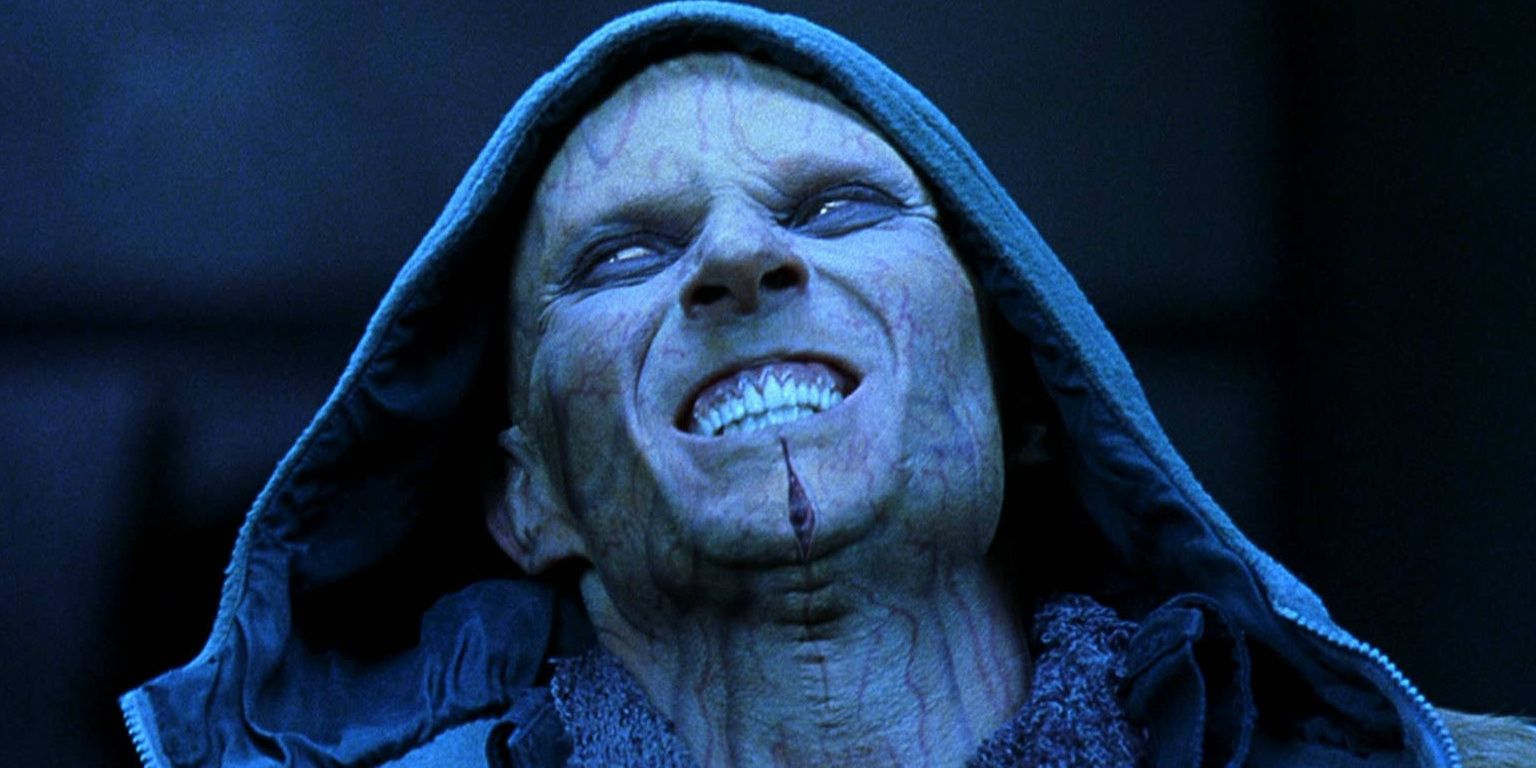
While the Marvel villains before the MCU were fantastic, let’s not forget Jared Nomak from Blade II. He never returned for another film or became part of the main MCU storyline, but he remains one of the most overlooked and compelling villains in a Marvel movie. Nomak was terrifying, brutal, and disturbing, yet also strangely sad and sympathetic.
Despite appearing to be very different, these factors didn’t diminish Luke Goss’s talent or his strong on-screen presence. Goss, famous for being in the ’80s pop group Bros and for his work in Blade II, delivers a standout performance that deserved to launch a more successful career. Blade II came out in 2002, four years after the original film became a surprise hit – especially considering it was based on a relatively unknown comic book character from a publisher without a strong presence in Hollywood.
Wesley Snipes brought a powerful presence, undeniable coolness, and impressive fighting skills to the role, quickly making the vampire hunter a fan favorite. The director changed for the second film; Stephen Norrington was replaced by Guillermo del Toro, who was recovering from a difficult experience on his 1997 film, Mimic. He had even returned to Mexico to direct 2001’s The Devil’s Backbone. Fortunately, del Toro enjoyed making Blade II much more, and he brought his signature style – a love for dark, gothic horror and sympathetic monsters – to the movie.
The movie Blade is set in a world very similar to ours, where vampires live secretly and even throw underground parties called blood raves. Blade II takes place in a more extreme and fantastical version of that world, introducing a team of skilled vampire mercenaries known as the Bloodpack – think of them as a Dirty Dozen of vampires. This sequel also features a terrifying new type of vampire with a unique and gruesome feeding method: their faces split open to reveal a mouth-like proboscis filled with barbed, venomous fangs.
The group is led by Nomak, who is unique in his ability to speak and think clearly. The others behave like wild, aggressive animals, moving on all fours and attacking in chaotic waves. Despite their animalistic behavior, they consistently obey Nomak, functioning almost as extensions of his will – he directs them like a queen controls her swarm.
Nomak’s Backstory Makes Him a Tragic Figure, But Doesn’t Lessen His Fear Factor
In Blade II, the villain Nomak doesn’t appear on screen often, much like the shark in Jaws. However, his threatening presence is felt throughout the entire film. Whenever he does appear—whether he’s attacking a drug dealer, battling Blade in a ruined church, or trapping Whistler in the sewers—the audience is kept constantly on edge.
Goss delivers a fantastic performance as Nomak. He’s convincingly menacing and dramatic without being over-the-top, and a simmering rage is always just below the surface. What makes him a compelling villain is that he’s a danger to everyone – both Blade and the Bloodpack. The Reapers will attack humans and vampires without discrimination, making Nomak a truly formidable opponent, even more powerful than Deacon Frost in the original movie.
What makes Nomak a compelling villain – and one the Marvel Cinematic Universe could have used more of – is that despite having a sad and tragic past, he remains incredibly dangerous. It’s revealed that Eli Damaskinos, the vampire who recruited Blade into the Bloodpack to hunt Nomak, is actually his father. Adding to this, Damaskinos was responsible for creating the Reapers through a virus he developed.
He tried to fix the problems with being a vampire by using genetics and his own DNA, but the experiment failed and instead created a dangerous new strain called “Reaper.” Even worse, Damaskinos tested it on his own son, turning him into the first carrier, who now suffers constant, agonizing pain and unending hunger. This horrific act of betrayal drove Nomak to seek revenge against all vampires.
Had Blade II been part of the Marvel Cinematic Universe, Nomak likely would have become a conflicted antihero rather than a straightforward villain. He was motivated by a desire to avenge the wrongs done to him by his own family, targeting the same creatures Blade hunts. Considering Nomak wasn’t a mindless monster – he even spared Whistler’s life – it’s easy to see him as one of the most relatable and sympathetic figures in the Blade series.
Del Toro and screenwriter David S. Goyer wanted to keep Nomak a truly terrifying villain, so he attempts to force his sister, Nyssa, to share his terrible fate by biting her. This leads to a brutal fight where Blade manages to wound Nomak’s heart with his sword. Ultimately, a fatally injured Nomak takes his own life to escape a life of constant pain. Devastated, Blade is then left to watch Nyssa disintegrate in the sunlight, preventing her from becoming a Reaper—a final, vengeful act by Nomak, determined to make his family suffer as he did.
Found an error? Send it so it can be corrected.
Read More
- Южуралзолото ГК акции прогноз. Цена акций UGLD
- Disney Breaks The IP-Focused Trend In Naming Their New ‘Up’ Attraction
- ‘Top Gun 3’ Officially Announced and Tom Cruise Is Returning
- 3 Best Netflix Shows To Binge-Watch This Weekend – #1 Is A Surprise Hit Crime Thriller Trending Worldwide
- ‘House of the Dragon’s Season 1 Finale Still Has TV’s Best-Ever Chase Scene
- Brand New Day Has To Break This 7-Year-Long Spider-Man Trend
- The Odyssey Footage Reveals Charlize Theron’s Role & It’s Not What You Think
- The Sisterhood Of The Traveling Pants 3 & Potential Book Accuracy Addressed By OG Director 18 Years Later
- 20 Years Later, Twilight’s Robert Pattinson Just Noticed A “Strange” Acting Choice For One Edward Cullen’s “Vampiric Thing”
- Bryan Cranston’s Highly-Anticipated Comedy Revival Becomes American Streaming Sensation 20 Years After Original Series Ended
2026-02-28 16:08