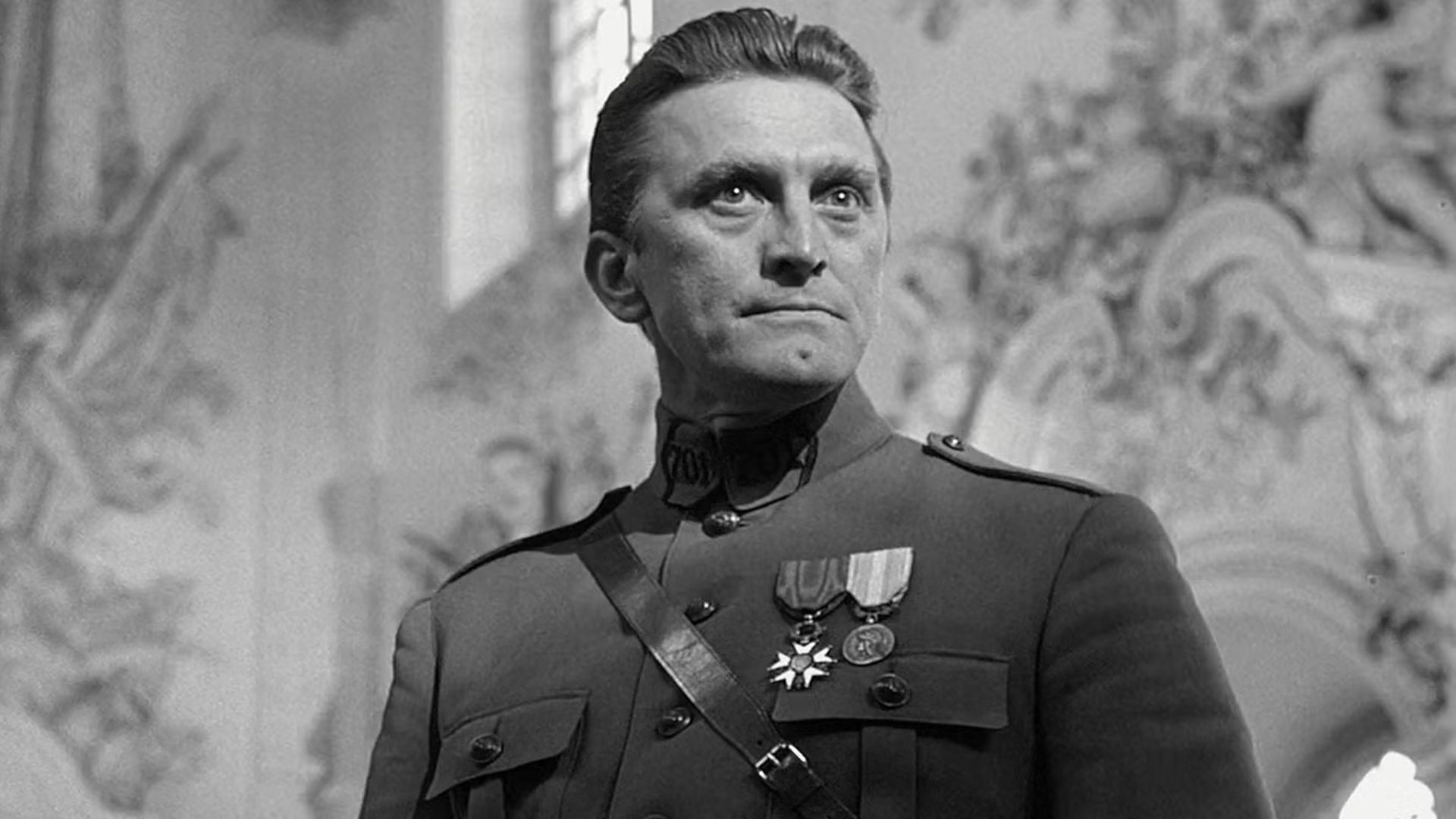
War movies usually focus on the experiences of the victors – often showing the American or British side of major conflicts like the World Wars. This tendency to tell stories from the winner’s perspective has been consistent throughout film history, even in older Westerns based on historical events.
As a film buff, I’ve always appreciated war movies that go beyond the usual ‘good guys vs. bad guys’ narrative. The really powerful ones, for me, show the conflict from all angles – even the losing side. It’s also incredibly moving when a film focuses on how war impacts ordinary people, the civilians caught in the crossfire, rather than just the soldiers. Seeing things from the enemy’s perspective can be especially impactful, and these different viewpoints create a truly unique and unforgettable cinematic experience.
It’s important to remember that war affects people on all sides. Often, the soldiers involved aren’t fighting by choice – they may have been drafted or forced to enlist. Sometimes, they’re primarily focused on protecting their comrades rather than fighting for a specific country or cause.
It’s compelling to see how war films portray traditionally ‘villainized’ characters, like German soldiers during World War II. This movie humanizes them, showing they were often forced into difficult situations with no real options. Interestingly, it also reveals that even the ‘good guys’ sometimes have flawed or even morally questionable people fighting alongside them.
These war films offer a fresh viewpoint, and understanding why that change is significant is often key to the story. The most impactful ones expose aspects of war that traditional movies don’t – or won’t – reveal.
Stalingrad (1993)
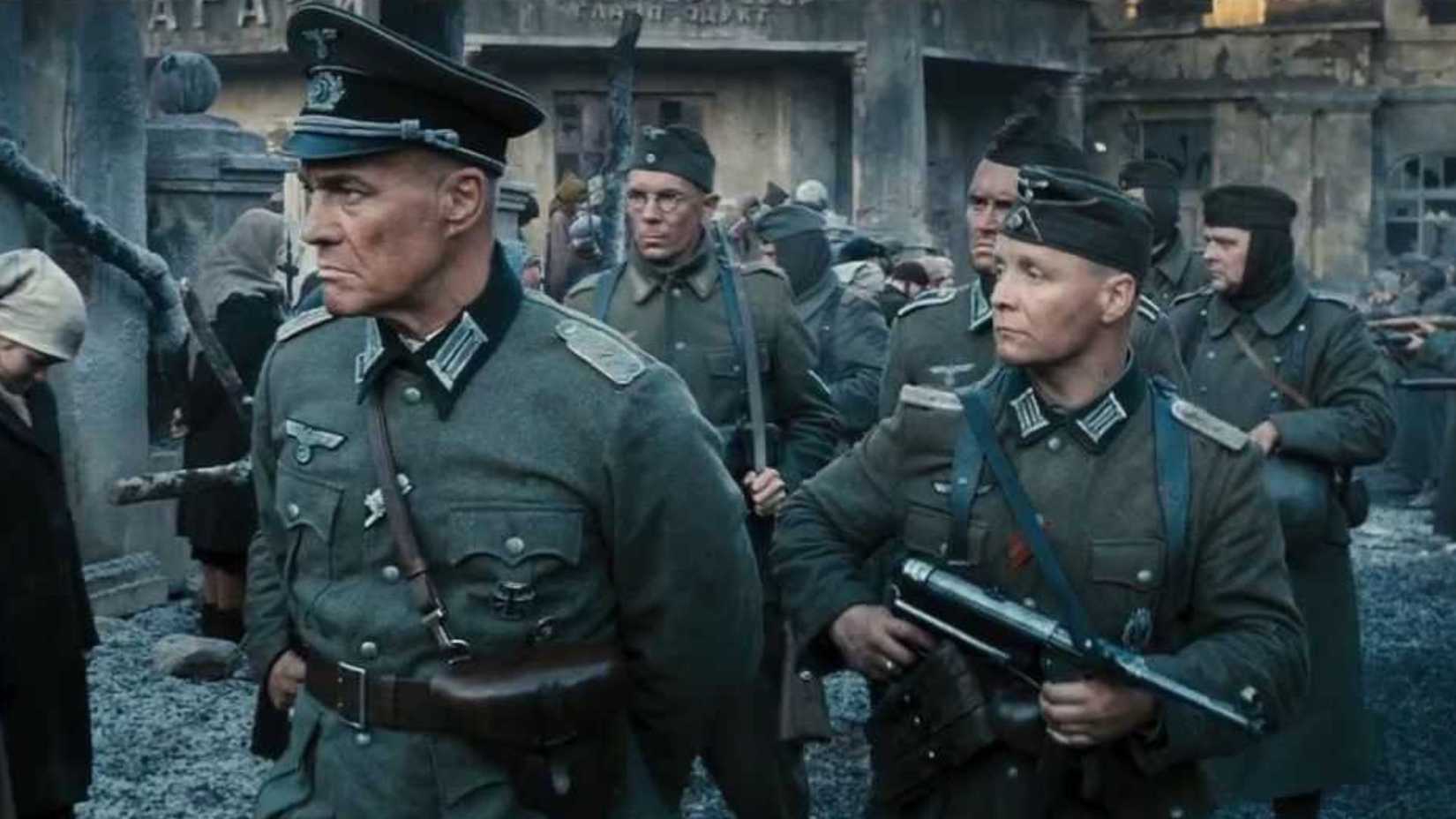
Released in 1993, Stalingrad is a German war film directed by Joseph Vilsmaier. The movie portrays the harrowing journey of a German infantry unit, from the Italian beaches all the way to the brutal Battle of Stalingrad. It’s known for being a remarkably realistic and uncompromising portrayal of that conflict.
The film is disturbing, and uniquely focuses on the experiences of German soldiers. Depicting a battle with over two million casualties, it honestly portrays Germany’s devastating losses and how this conflict became a crucial turning point leading to their defeat on the Eastern Front. It doesn’t gloss over the scale of this loss for the German army.
As a war movie, this one really struck me. It doesn’t glorify the German soldiers at all – forget any heroic narratives or redemption arcs. We see them enter the conflict brimming with misplaced confidence, committing terrible acts against civilians, and ultimately facing complete defeat at the hands of the Soviets. It’s a brutally honest portrayal, and I understand it’s a film Germans watch without a sense of national pride – which, frankly, is exactly how it should be.
Paths Of Glory (1957)
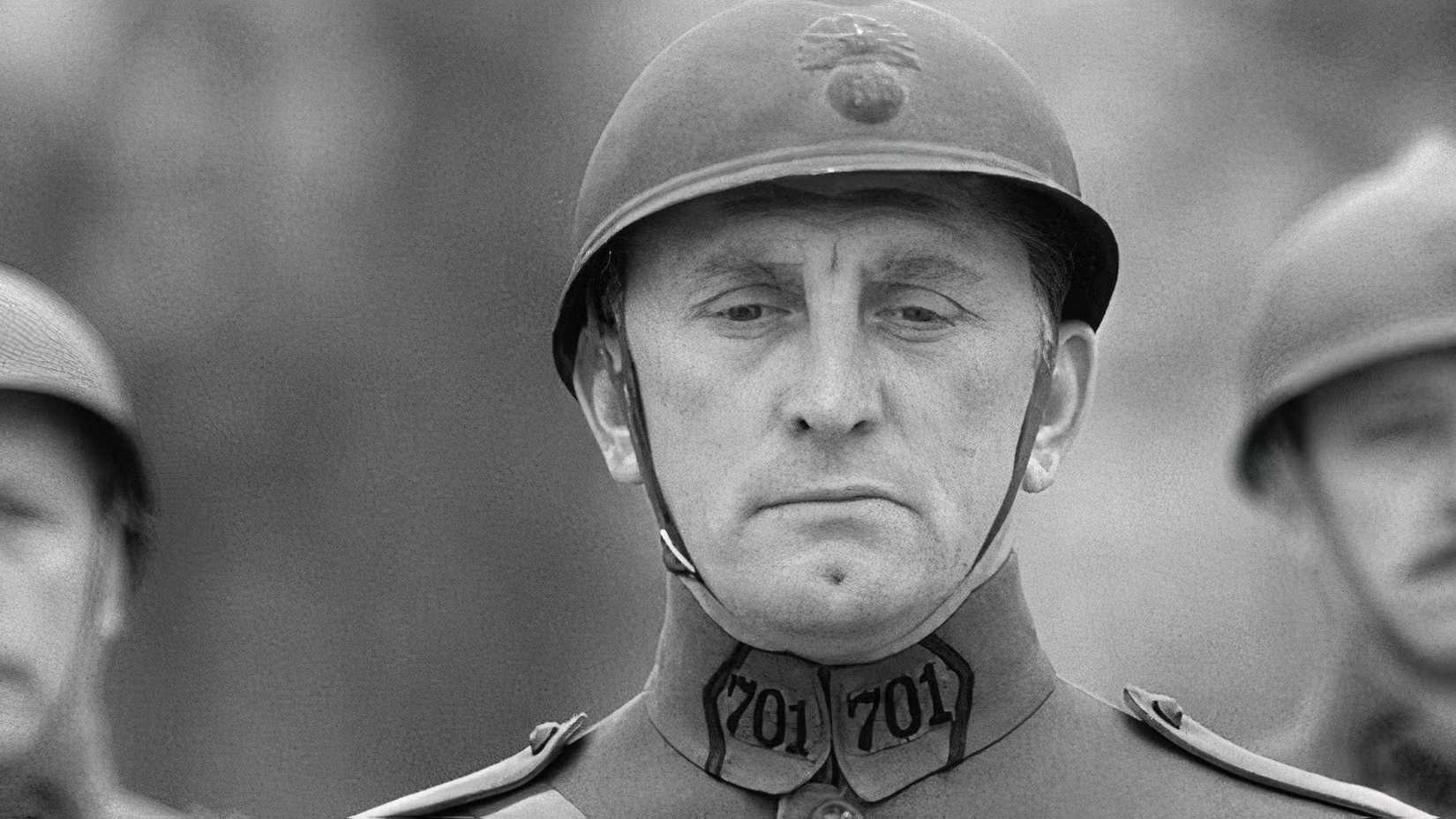
What sets Stanley Kubrick’s Paths of Glory apart as a remarkable war film is its unique approach: it’s structured like a courtroom drama, exposing the injustice within the military system. The film, set during World War II, centers on French soldiers falsely accused of cowardice and subjected to a court-martial.
In this film, Kirk Douglas plays Colonel Dax, a lawyer tasked with defending soldiers facing a court-martial. He knows the outcome is predetermined – they will be executed regardless of any evidence he presents. The movie portrays incompetent military commanders who order a hopeless attack and then attempt to cover up their mistake.
I just finished watching Paths of Glory, and wow, it’s a powerful anti-war film. It really gets under your skin showing how some military leaders are more concerned with their careers than the lives of the men they command. It’s chilling to see how far they’ll go to protect their positions, even if it means sacrificing their soldiers. Honestly, Colonel Dax was the only one who seemed to have a moral compass in the whole situation. It’s a tough watch, but a really important one.
Merry Christmas, Mr. Lawrence (1983)
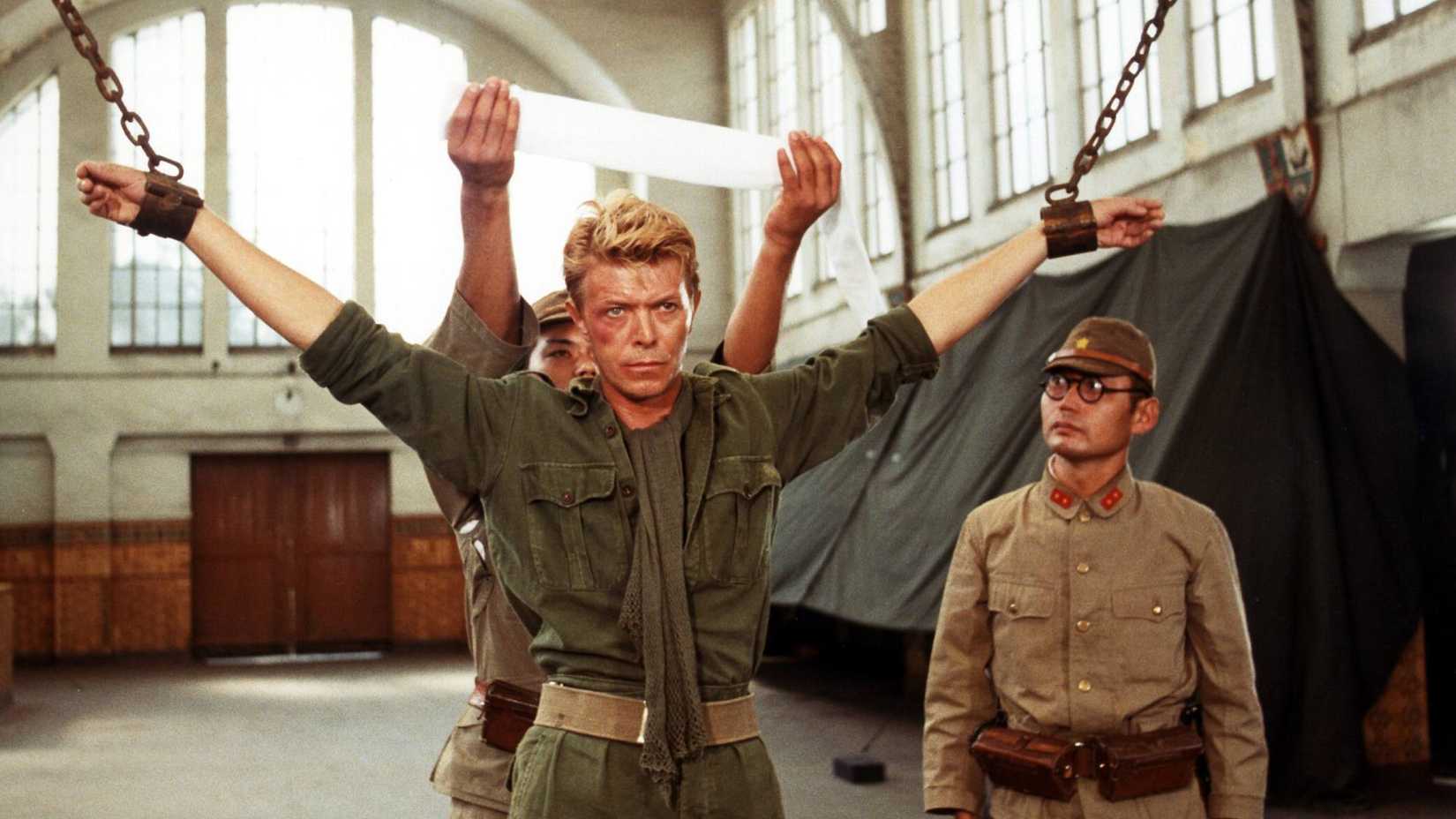
Released in 1983, Merry Christmas, Mr. Lawrence is a unique war film set in a Japanese prisoner-of-war camp in Java during 1942. It stars David Bowie as a British prisoner and Ryuichi Sakamoto as a Japanese officer who becomes intrigued by him. This film stands out as being quite different from most war movies.
This work isn’t focused on the fighting itself, but rather on the inner lives of the characters—specifically, their hidden desires and ideas about what it means to be a man. It also explores the differences between Western and Japanese concepts of honor. Adding to its artistry, Sakamoto composed the music for this exceptional piece.
This war film stands out because it avoids portraying the Japanese captors as simple villains. Instead, it shows them as complex individuals influenced by their nation’s values. It was groundbreaking in its depiction of a Japanese prisoner of war camp, moving away from the typical villainous representation.
Cross Of Iron (1977)
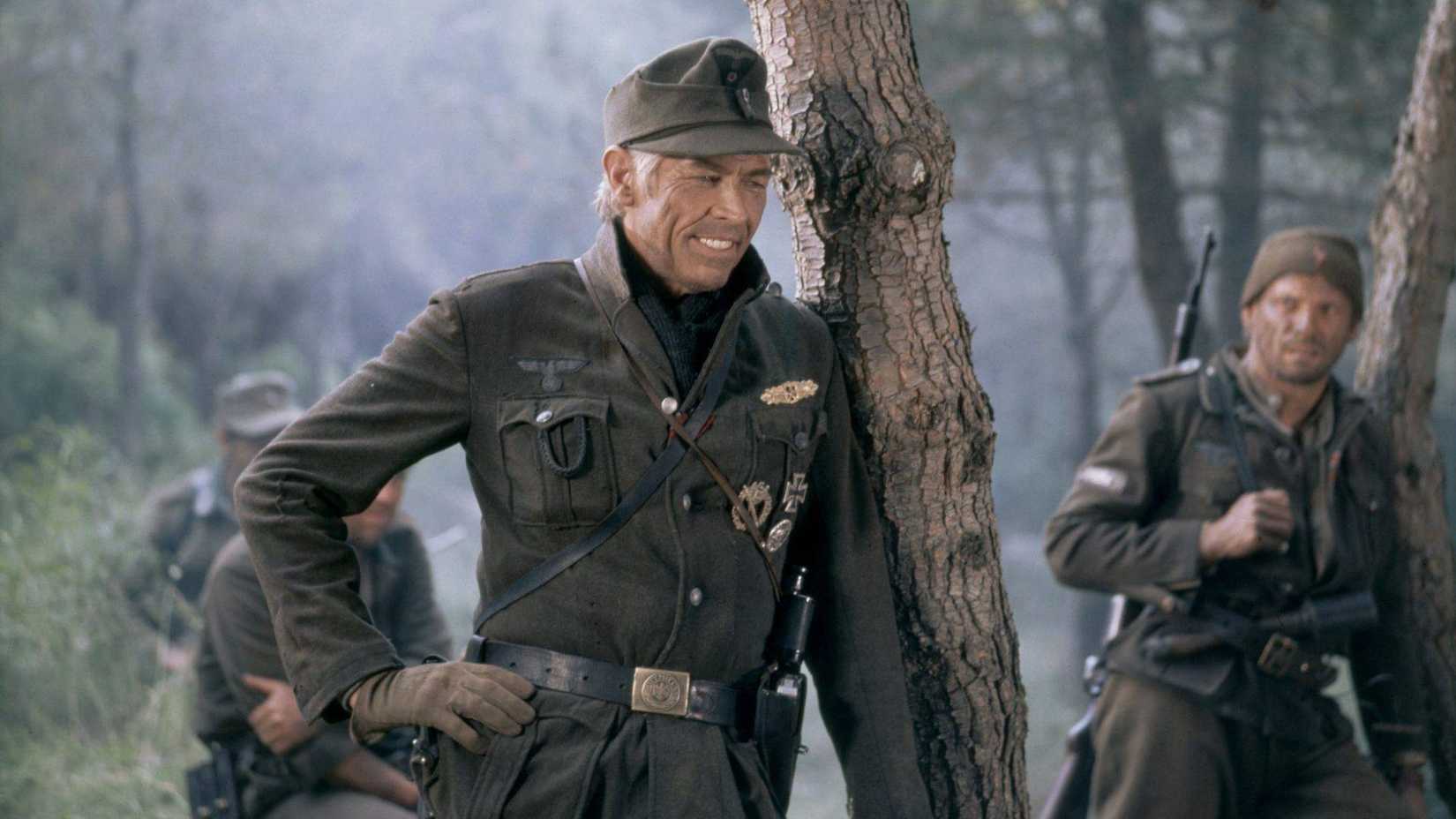
Sam Peckinpah’s 1977 film, Cross of Iron, based on the novel by Willi Heinrich, portrays a German infantry platoon battling on the Eastern Front in 1943. The film uniquely depicts the harsh realities of the German army’s retreat from a devastating defeat by Soviet forces, told through the eyes of the German soldiers themselves.
The film creates sympathy for German soldiers in World War II by portraying Sergeant Steiner (James Coburn) as a man who rejects Nazi ideology and resents being forced to fight. Essentially, it’s an American-made war movie told from the German perspective.
Although the film didn’t do well in theaters when it first came out, it’s now considered a classic anti-war movie by critics and film experts, alongside films like Saving Private Ryan and The Thin Red Line. In fact, the legendary Orson Welles proclaimed it the best anti-war film he’d ever seen.
Downfall (2004)
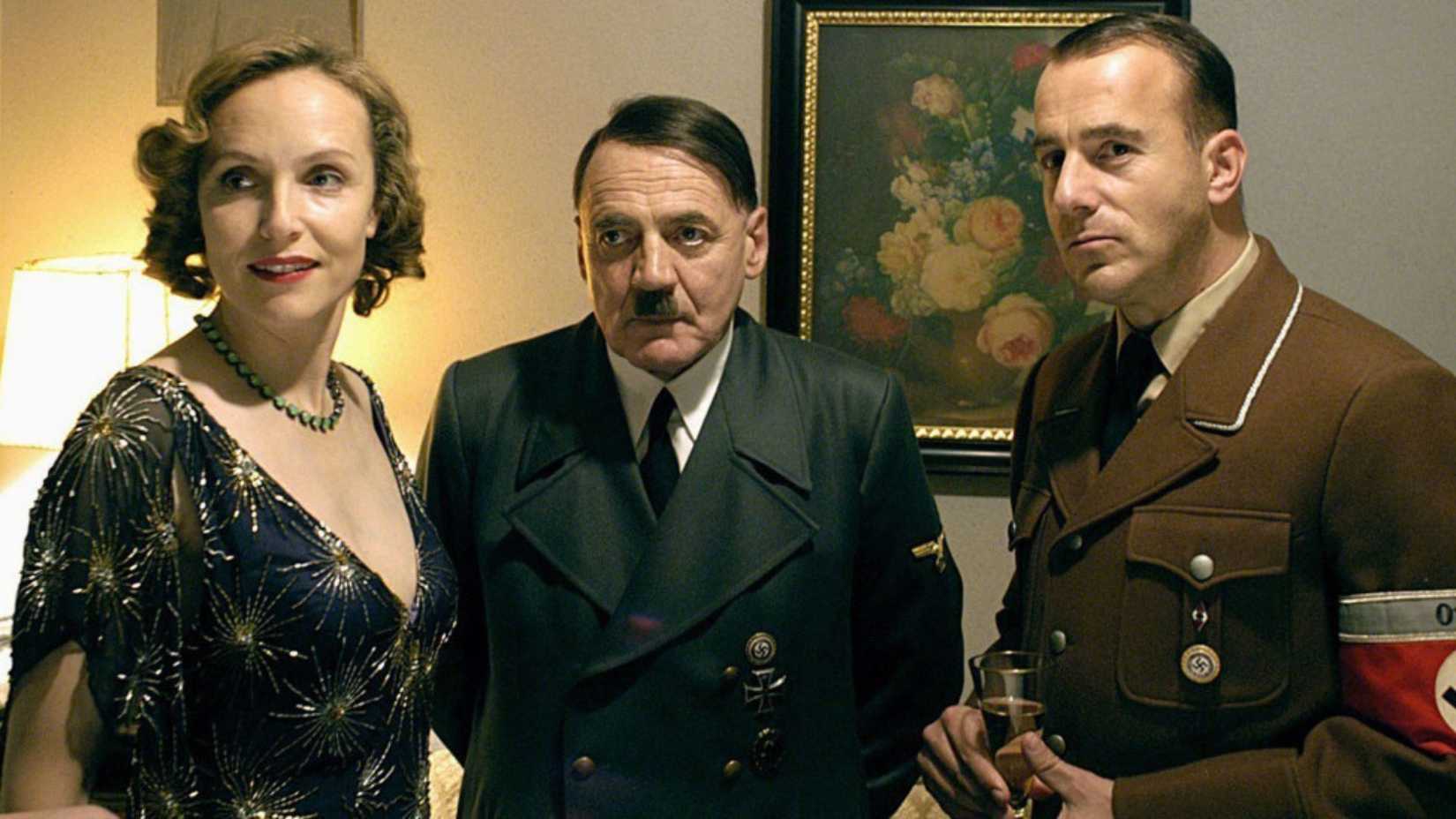
When Downfall was first released, it faced criticism for portraying Adolf Hitler and his Nazi officials as people with human qualities, rather than simply as villains. This approach, however, ultimately made the film more unsettling and impactful than many other World War II movies.
Bruno Ganz portrayed Hitler in the final days of World War II, specifically during the last twelve days spent in his bunker. Rather than depicting a terrifying monster, Ganz showed Hitler as a physically failing, sick, and trembling man, making him appear more pitiable than frightening.
The film is told through the eyes of Traudl Junge, Hitler’s former secretary, who lived through the war and wrote a memoir that inspired the movie. What sets this war film apart is its exploration of how ordinary people could be responsible for the terrible acts committed by the Nazis. To address this, the filmmakers deliberately portrayed the characters as human, rather than monsters, to better illustrate the point.
Grave Of The Fireflies (1988)
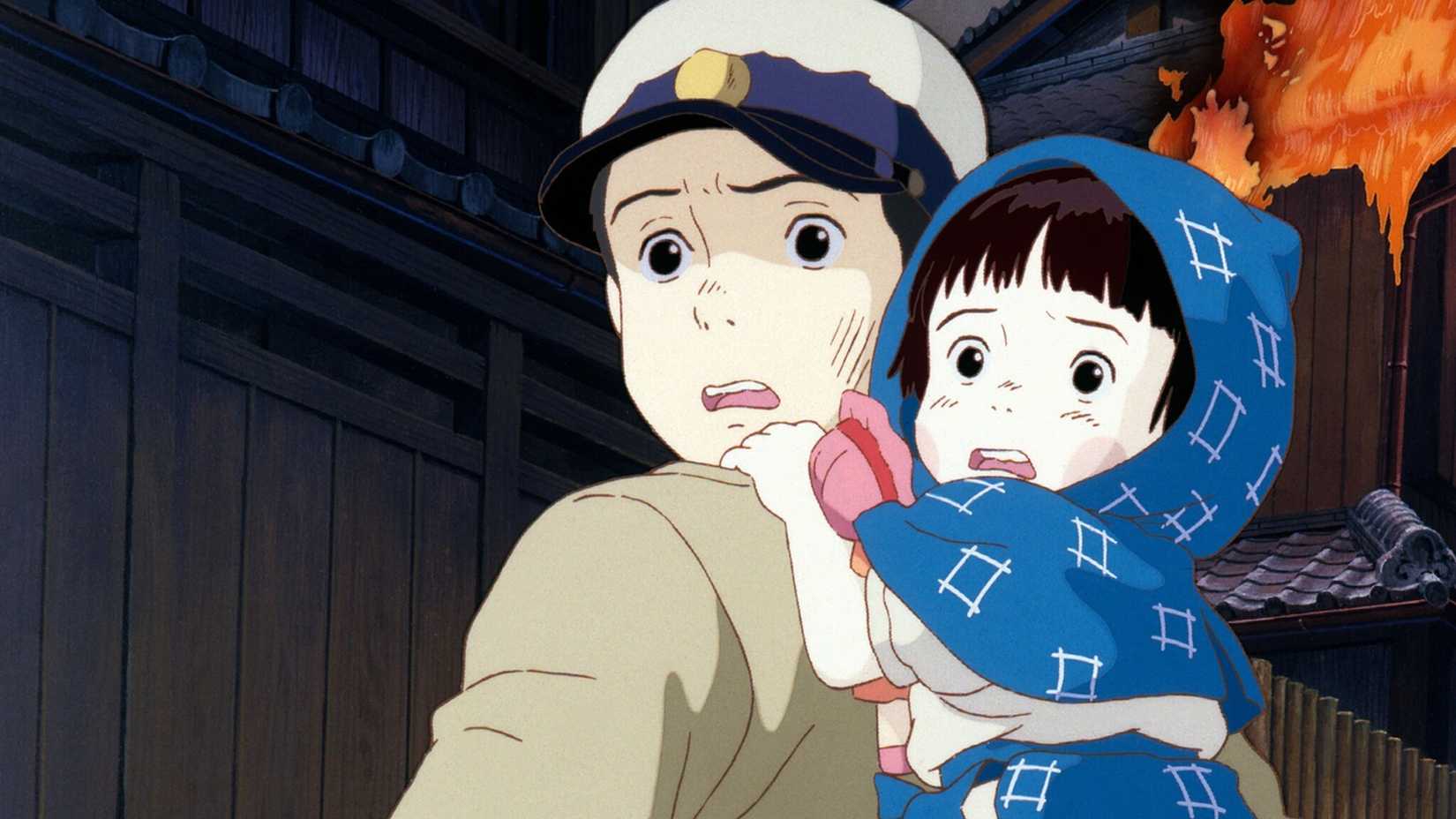
Grave of the Fireflies is a powerfully moving animated film about the horrors of war. It’s often considered one of the most emotionally devastating movies ever made, both animated and live-action. The story centers on two siblings, Seita and his younger sister Setsuko, as they struggle to survive in Japan following the devastating firebombings during World War II.
Most World War II films don’t depict the devastating firebombing of Tokyo in March 1945, which killed a huge number of civilians – a tragedy on the same scale as the atomic bombings. The film Grave of the Fireflies powerfully tells this story, and by showing it through the eyes of children, it creates an even more profound and unforgettable impact.
Isao Takahata’s film, created for Studio Ghibli, is a powerful depiction of the hardships faced by civilians during wartime and deserves careful consideration. It doesn’t attempt to justify Japan’s actions, but rather focuses on the tragic reality of starvation and loss among children, ensuring their suffering isn’t overlooked.
The Grand Illusion (1937)
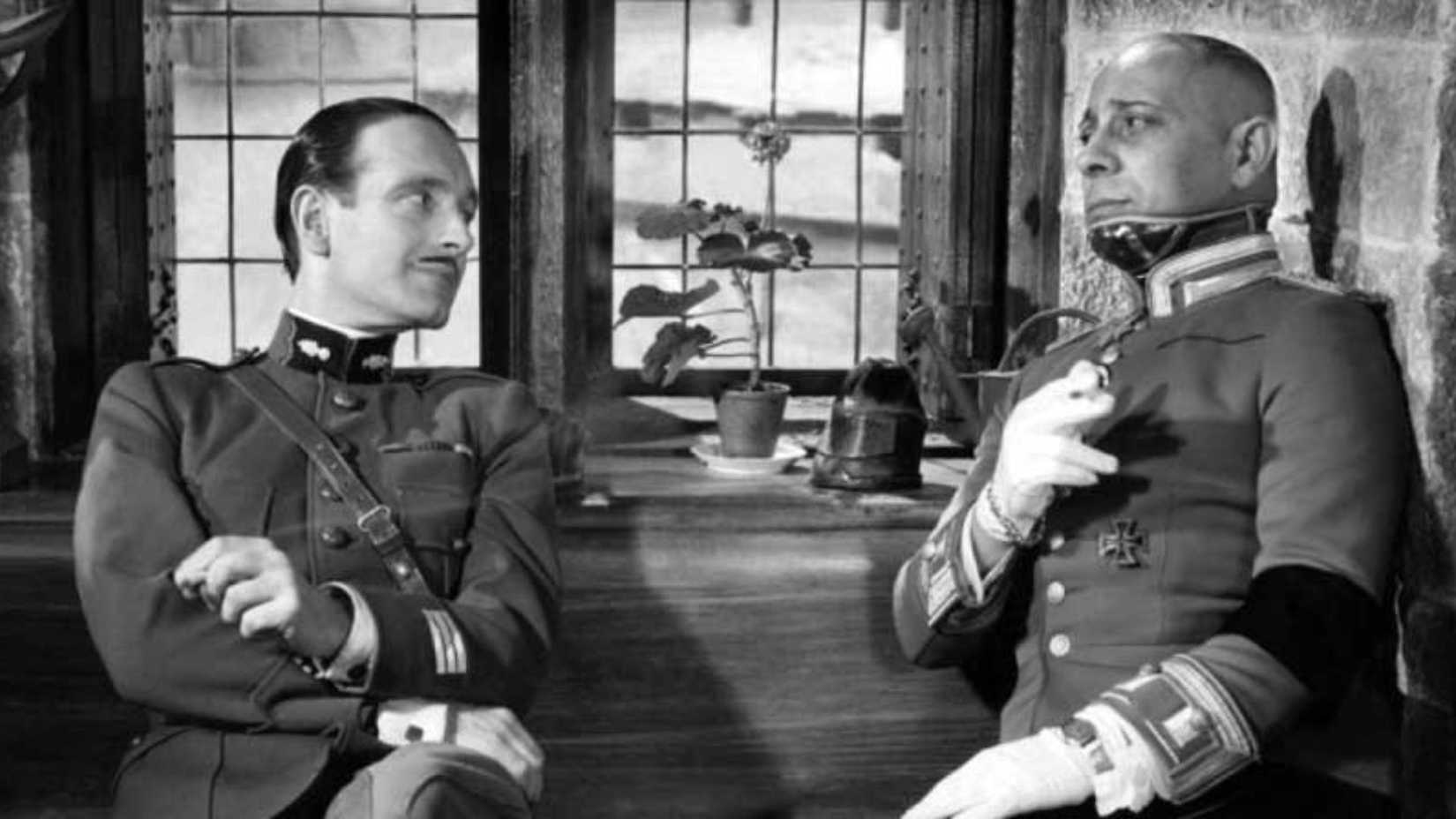
Jean Renoir’s 1937 film, The Grand Illusion, is considered a classic. Set in a German prisoner-of-war camp during World War I, and made before the outbreak of World War II, the movie uniquely explores the idea that social class was often a stronger bond than national pride.
The film explores the surprising connection between a French aristocrat, Pierre Fresnay, and his German captor, Erich von Stroheim. Despite being enemies due to war, the two men find they have more in common with each other than with people from their own social classes. Ultimately, the story challenges the idea of national pride and suggests that shared humanity can transcend national boundaries.
The film The Grand Illusion achieved a historic milestone as the first foreign-language movie to be nominated for the Academy Award for Best Picture. Like many anti-war films, it argues that wars aren’t natural events, but are created by those in power, and the true opponent is the system that sends people to fight.
All Quiet On The Western Front (1930)

I’ve seen both versions of All Quiet on the Western Front – the original from 1930 and the newer one from 2022 – and they’re both incredibly powerful. They’re both based on Erich Maria Remarque’s book from 1928, which really struck me as a strong statement against war. I even learned the book was actually banned in Germany for a long time! It’s amazing to think that both the book and the first movie were among the very first to openly protest the horrors of war.
This film depicts the grim journey of young men who reluctantly join the German army and are subsequently thrown into the brutal reality of World War I trench warfare. It was so powerfully anti-war that even Joseph Goebbels, the Nazi propaganda chief, tried to suppress it by staging protests at showings before ultimately banning it.
The 2022 film adaptation received four Academy Awards and retold a familiar story: the stark contrast between the patriotic ideals instilled in young soldiers and the brutal reality of war, where survival becomes their only goal, not serving their country.
Das Boot (1981)
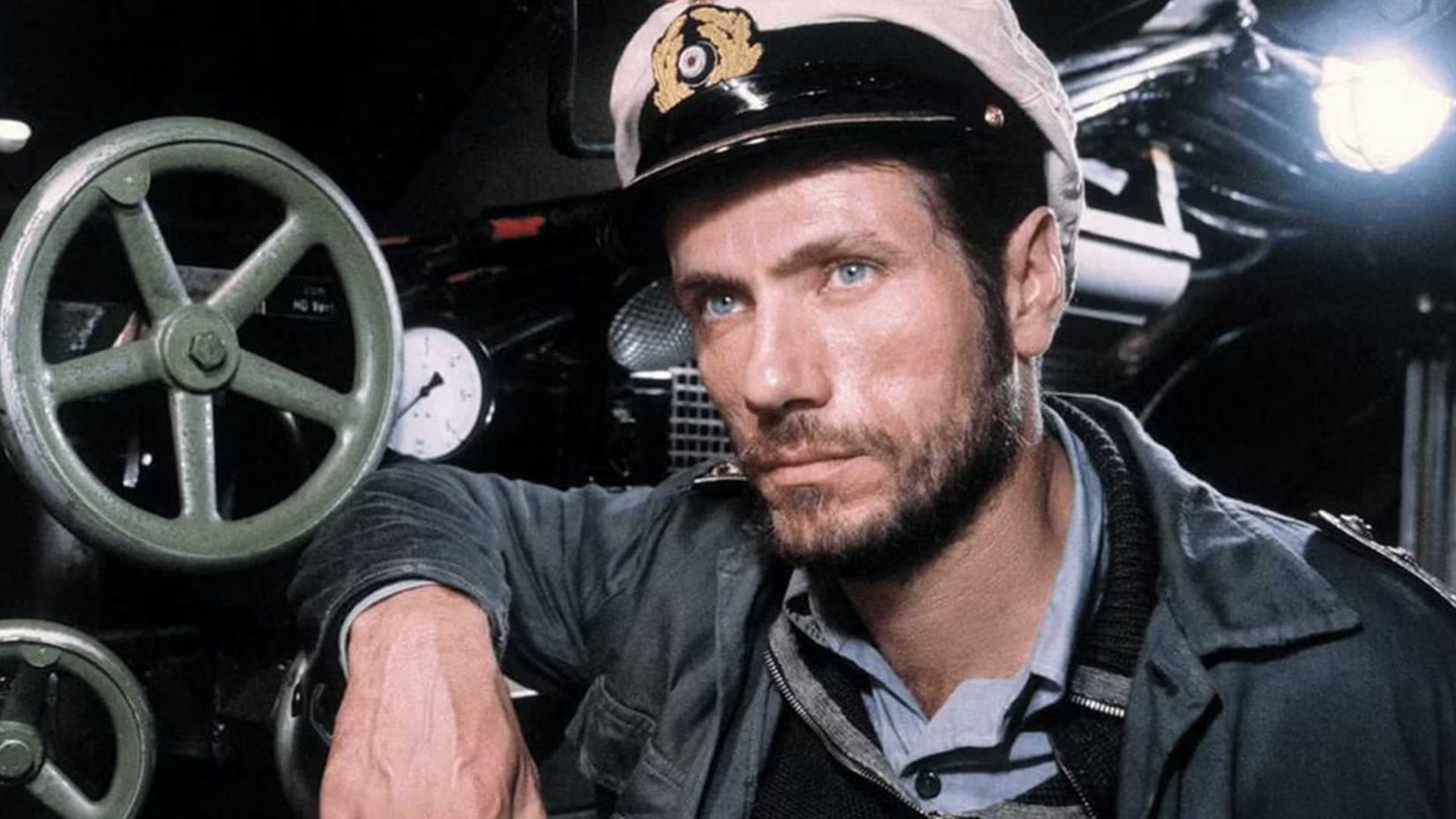
Released in 1981, Wolfgang Petersen’s Das Boot is a gripping film that takes place entirely inside a German U-boat during the Battle of the Atlantic. What’s remarkable about the movie is its immersive approach – it puts the audience right alongside the crew, experiencing their lives and struggles as they fight for a cause many of them secretly oppose.
The sailors in Das Boot are German, but they don’t support the Nazi regime and resent being sent on a dangerous mission. The film was nominated for six Academy Awards and remains one of the most financially successful German movies of all time, considering inflation.
The film Das Boot is important because it offered a new perspective on German soldiers during World War II, portraying them not as enthusiastic Nazis, but as men often trying to survive difficult circumstances. Director Steven Spielberg has cited it as an inspiration for his own war film, Saving Private Ryan.
Letters From Iwo Jima (2006)
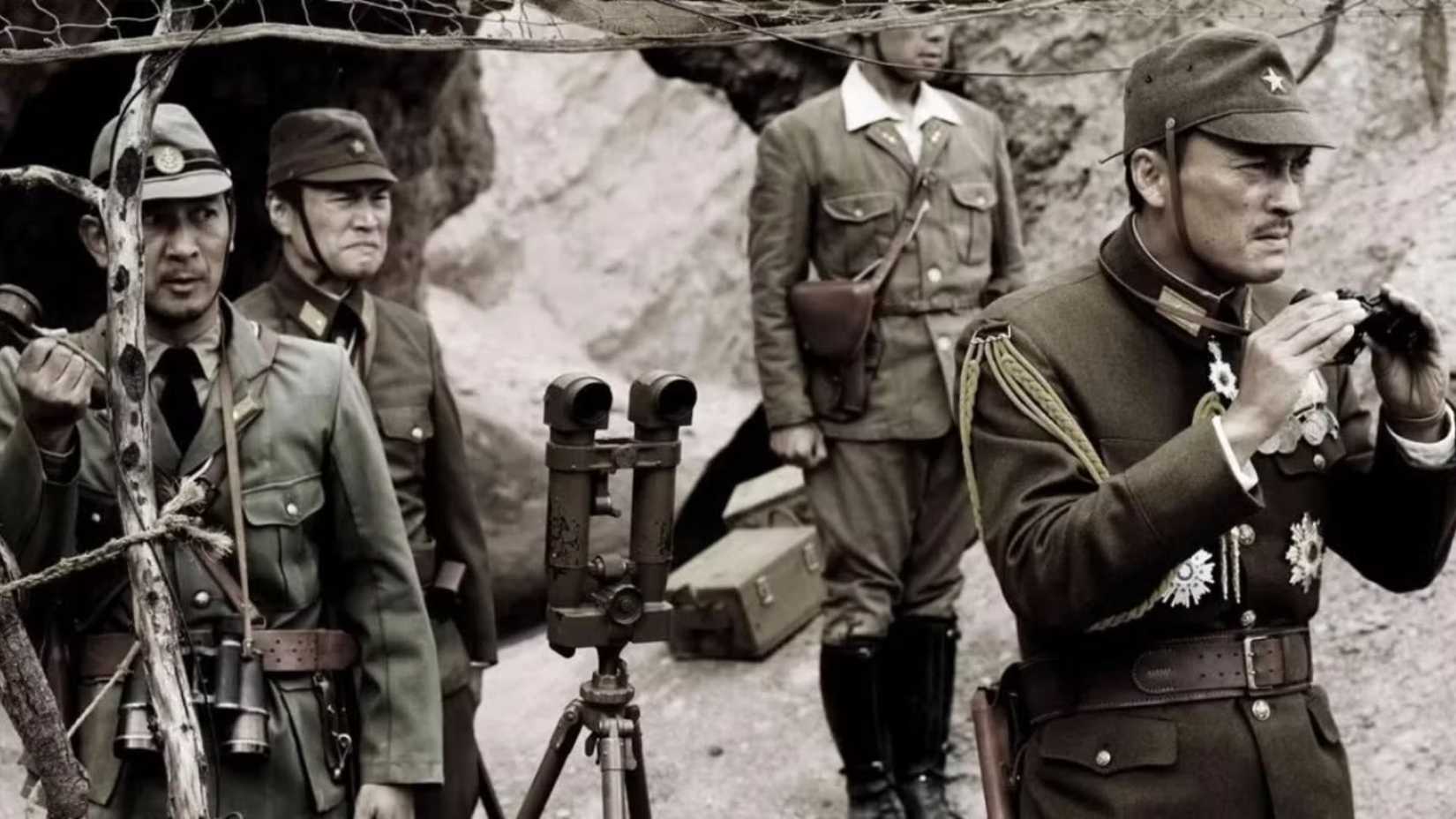
In 2006, Clint Eastwood directed two films about the Battle of Iwo Jima. Flags of Our Fathers presented the story from the perspective of the American Marines who raised the flag on Normandy. His other film offered a contrasting view, depicting the battle from the Japanese side.
Ken Watanabe led the cast of Letters from Iwo Jima, and director Clint Eastwood made the unusual choice of filming the entire movie in Japanese – a rarity for a Hollywood production. Watanabe plays a general ordering his troops into battle knowing they likely won’t survive, and the film presents this factually, without judgment or glorification.
The film portrays Japanese soldiers as complex individuals with families and personal struggles, moving away from the typical depiction of them simply as the enemy. Unlike its American counterpart, Letters from Iwo Jima received four Academy Award nominations and is even used as a teaching tool in Japanese schools.
Read More
- Южуралзолото ГК акции прогноз. Цена акций UGLD
- Прогноз криптовалюты ATOM: прогнозы цены ATOM
- Marvel Officially Returning To San Diego Comic-Con After Shocking 2025 Absence
- 3 Spider-Man Movies Rule Streaming Charts Ahead of Brand New Day Release
- Whalefall Trailer: Epic Battle Inside A Sperm Whale Unfolds
- Avengers: Doomsday’s New Trailer Reveals The Doctor Doom Fight That Could Kill A Major MCU Hero
- The Mandalorian Season 4 Plot Revealed
- The Odyssey Footage Reveals Charlize Theron’s Role & It’s Not What You Think
- 10 Greatest Turn-Based RPGs of the Last 30 Years
- Elle Fanning’s Margo’s Got Money Troubles Is a Streaming Hit on Apple TV
2026-04-26 17:52