Anime and video games seem like a perfect match – both rely on action, engaging characters, and consistent, understandable worlds. But, looking at how anime series have been turned into games, it’s clear that not all of them work well as games.
Sometimes, even with all the right ingredients – a dedicated fanbase, great characters, and a popular original story – developers still fail to create a successful product. This often happens when they simply license an idea instead of building upon it and truly making it their own. Licensing should be the first step, not the entire project.
Saint Seiya: Soldiers’ Soul Forgot That Armor Means Something
Saint Seiya is a hugely popular anime series. A key part of its appeal is the detailed system of Gold Saints, organized around a twelve-house astrological structure that fans have studied and discussed for years. Despite this rich source material, the game Soldiers’ Soul ultimately created a fairly standard arena fighting game.
Despite its potential, Soldiers’ Soul didn’t capture the strategic depth of the Cosmo system in a satisfying way. Battles consisted of repeating the same special moves without building tension. The anime series portrays fights as meaningful exchanges about strength of will and self-sacrifice, but the game’s repetitive gameplay couldn’t convey those themes. Soldiers’ Soul had the right look, but ultimately felt empty—a frustrating experience that only happens when a game is based on truly excellent source material.
Fairy Tail’s 2020 RPG Wasted One of Anime’s Largest Ensemble Casts
What sets Fairy Tail apart from many other action anime is its focus on teamwork. The story doesn’t rely on a single hero, and the diverse magic system is designed to make every member of the guild feel important and special. Unfortunately, the 2020 RPG based on the Alvarez Empire arc failed to capture what made the story so engaging.
Traditional turn-based battles made different types of magic feel the same, turning unique attacks like Natsu’s Fire Dragon Roar and Gray’s Ice-Make Lance into simple button presses with only visual differences. This meant that switching between characters during a fight didn’t really change your strategy at all.
Tokyo Ghoul;re Call to Exist Turned Psychological Horror Into a Brawler
Tokyo Ghoul expertly builds tension by delving into the terrifying reality of becoming a monster to survive and the resulting mental toll. The story focuses on Kaneki’s struggle with his transformation, his loss of identity, and feeling like he doesn’t belong in either the human or ghoul world. In contrast, Call to Exist completely abandons these themes, offering a cooperative shooter where ghouls and investigators work together without any real conflict or consequences.
In the anime Tokyo Ghoul, a character’s Kagune is a physical representation of their inner hunger and psychological state. However, the game Call to Exist turned these unique abilities into simple, swappable weapons that had no connection to the characters themselves. The franchise had previously emphasized that power always comes with a cost, but the game treated power as something you could just select from a menu. It wasn’t that Call to Exist misinterpreted Tokyo Ghoul; the game’s design simply didn’t attempt to grasp the core ideas of the source material.
One Piece: Burning Blood Reduced the Grand Line to a Logia Spam Tournament
The battle system in One Piece is incredibly complex. Over a thousand episodes were dedicated to establishing a power structure based on Devil Fruit vulnerabilities, different levels of Haki, and the special qualities of each ability. However, the Burning Blood game simplified this complex system to the point where characters with Logia-type Devil Fruits became overwhelmingly powerful, eliminating much of the strategic depth found in the original anime and manga.
The character list was truly strong, and the game’s art style beautifully matched Eiichiro Oda’s original work. But, since the One Piece series is known for its complex character abilities and how they interact in battle, the game needed to reflect that. Unfortunately, Burning Blood didn’t give Haki – a key power that allows characters to fight on equal footing with those who have incredibly difficult-to-counter abilities – the attention it deserved.
Evangelion: Jo Mistranslated Existential Dread Into a Side-Scroller
Neon Genesis Evangelion is unique because it focuses on the mental and emotional breakdown of its main characters. The giant robots, called Eva units, are frightening because piloting them takes a hidden toll on Shinji, Rei, and Asuka—something a 90s video game adaptation didn’t capture. That game simply showed the Eva units as typical heroic robots fighting enemies, much like any other action game of the time.
Ultimately, the game lost the haunting atmosphere, sense of fear, and complex characters that made the original Neon Genesis Evangelion so impactful. The game was clearly made to boost sales during the anime’s initial run, and that focus on profit drove every creative choice. Considering the anime revolutionized psychological storytelling, the SNES game stands as a disappointing example of uninspired design.
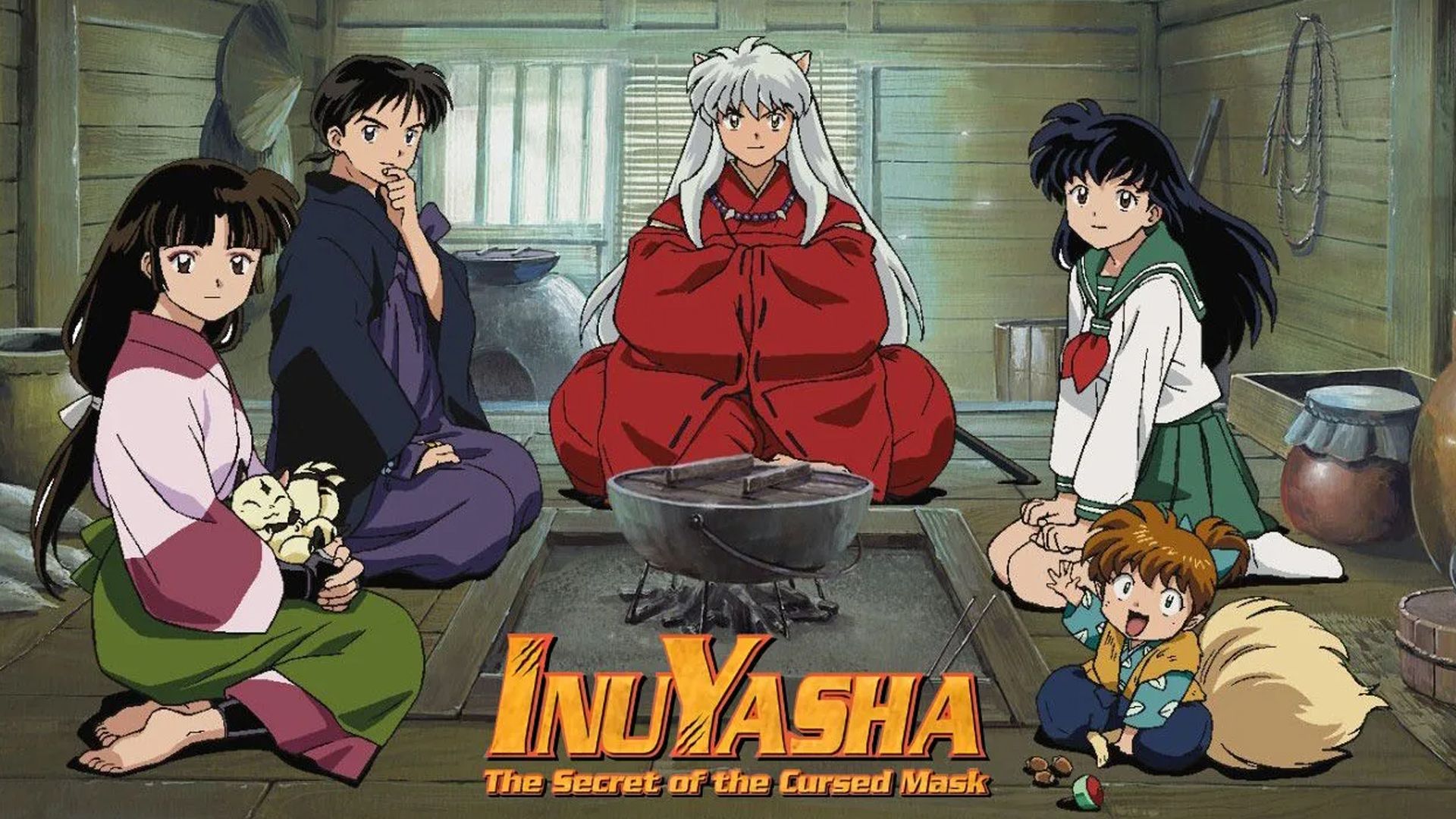
Inuyasha: Secret of the Cursed Mask Turns a Dynamic Cast Into Passenger Characters
What always made Inuyasha popular was its focus on relationships. The push and pull between Inuyasha and Kagome, the complex bond between Miroku and Sango, and even Sesshomaru’s slow change from enemy to reluctant protector kept viewers engaged. The addition of a new central character also revitalized the series and made it truly special.
The Inuyasha story felt like a perfect fit for a role-playing game. Unfortunately, the original character took over the story, leaving Inuyasha, Kagome, and Miroku with less focus and turning them into characters who simply reacted to the new protagonist’s story. Fans wanted to experience the existing relationships from the anime, not play as a brand new character introduced to the Sengoku period.
Hunter x Hunter: Wonder Adventure Didn’t Understand Nen at All
Nen, a unique power system in anime, is a key part of what makes Hunter x Hunter special. The six different Nen types, the rules users set for themselves to boost their abilities, and the complex strategies in battles shifted the series away from typical action and towards a more suspenseful, psychological style. Unfortunately, the Wonder Adventure game on PSP simplified all of this, turning it into a basic beat-’em-up.
The anime featured characters who battled using complex mental strategies and personal limitations, but the game, Wonder Adventure, turned them into simple fighters with basic elemental powers. The game had the potential to be incredibly unique by translating those intricate strategies into gameplay, but the developers chose a much simpler approach, missing a chance to create something truly special.
Berserk and the Band of the Hawk Turned Tragedy Into a Dynasty Warriors Clone
Berserk has always been more than just a story about overwhelming strength. For decades, the manga and its anime versions have shown that power isn’t enough to keep people safe or excuse harmful actions. What makes the main character, Guts, so interesting is that every victory comes at a personal cost. The ‘Band of the Hawk’ arc, however, shifted focus, becoming centered around quickly defeating large numbers of repetitive enemies.
The change in tone was really jarring. Watching Berserk always felt impactful because every fight felt personal and had real stakes. But this new game replaced that with just quickly defeating large groups of enemies, which didn’t feel true to the source material at all – it actually went against it. A game centered around Guts should never make you feel like you can’t be hurt, yet Band of the Hawk seemed to reward invincibility right from the start.
Sailor Moon: Another Story Prioritized Nostalgia Over Mechanical Substance
Released when Sailor Moon was incredibly popular, Another Story seemed to rely heavily on the strength of the license itself. Unfortunately, the role-playing game elements weren’t very good for the time, and despite being based on the anime’s established planets and elements, the different character abilities didn’t feel unique or impactful in gameplay.
The game’s plot, involving time travel for the Sailor Guardians, had a lot of promise, but the characters weren’t developed well. While Sailor Moon fans are famously dedicated, Another Story simply presented them with familiar faces in a story that didn’t challenge anyone – either the characters or the player.
Assassination Classroom: Ending Note Turned a Ticking Clock Into a Trivia Game
The strength of Assassination Classroom comes from the ticking clock – the students have one year to complete their mission, and the anime skillfully uses this to create meaningful connections and emotional impact. However, Ending Note for Nintendo 3DS throws that tension away. Instead of feeling urgent, the game focuses on building friendships through trivia, feeling more like a life simulation spin-off than the original series.
What makes Koro-sensei so interesting is the way he balances kindness with danger. If you take away the threat he poses, he just becomes a cute, harmless character. The story, Ending Note, relied on the tension created by Koro-sensei’s impending disappearance, but the game ignored that core idea and treated it as mere background detail. The ticking clock was the central focus, and the game overlooked its importance.
Read More
- Южуралзолото ГК акции прогноз. Цена акций UGLD
- 3 Best Netflix Shows To Binge-Watch This Weekend – #1 Is A Surprise Hit Crime Thriller Trending Worldwide
- Прогноз криптовалюты ATOM: прогнозы цены ATOM
- Whalefall Trailer: Epic Battle Inside A Sperm Whale Unfolds
- The Odyssey Footage Reveals Charlize Theron’s Role & It’s Not What You Think
- МТС акции прогноз. Цена акций MTSS
- Hard Fantasy Movies to Watch Before Apple’s Cosmere Universe
- Netflix’s Hit 8-Part Heist Thriller Returns This Week & It’s One Of The Best New Shows To Binge
- Mortal Kombat 2’s Epic Popcorn Bucket With Shao Kahn Helmet Revealed
- Ridley Scott’s Hit Horror Series Returns With Dark New Demonic Villain In The Terror Season 3 Trailer
2026-04-24 03:55