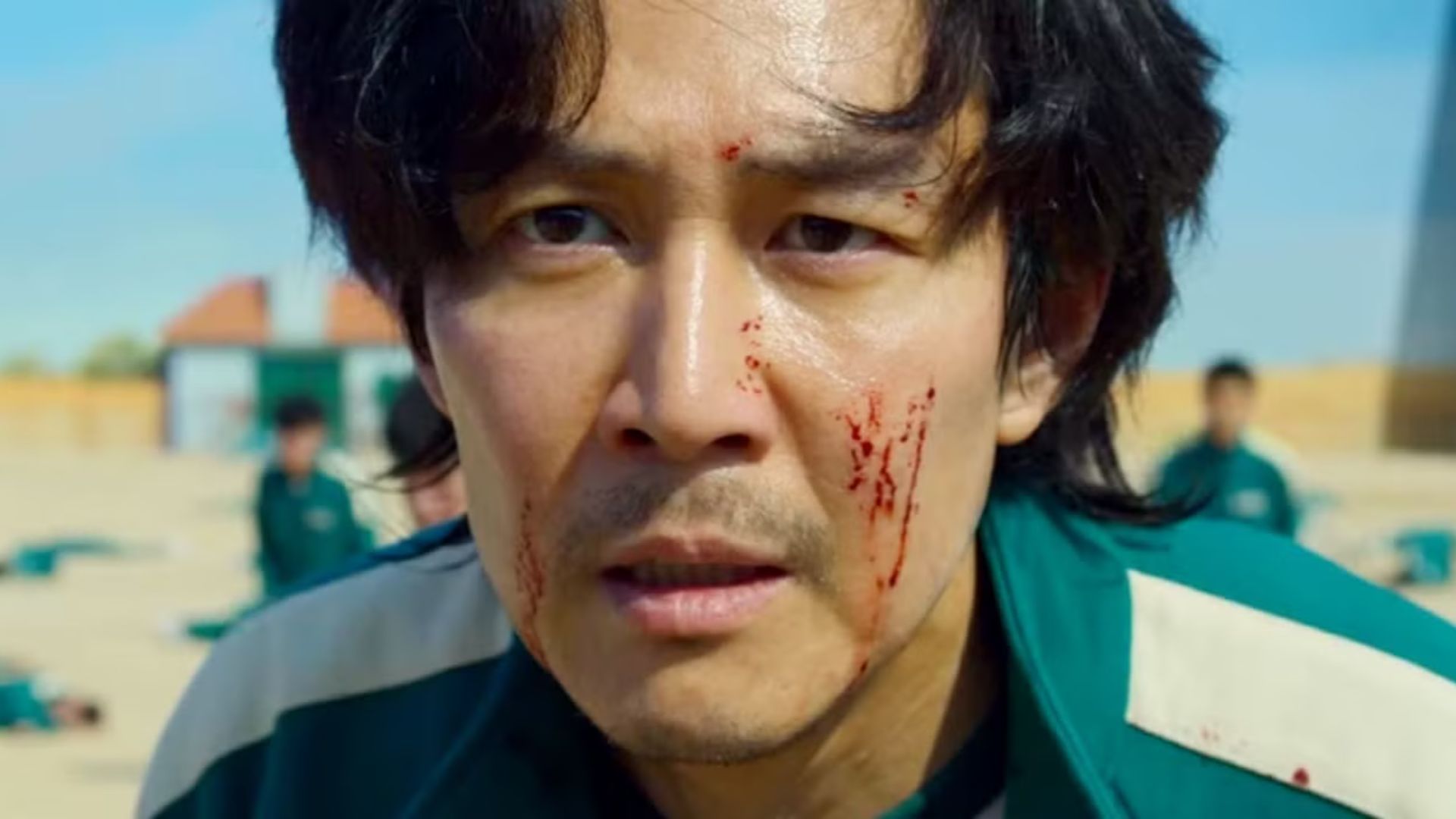
It’s inevitable that any new show about people fighting for their lives gets compared to Netflix’s Squid Game, which remains incredibly popular and has really set the standard for this type of story. These ‘death game’ shows usually involve characters competing in dangerous challenges, testing their limits and often making us think about what it means to be human and the problems with society. But very few can claim to have actually inspired Squid Game itself.
Currently streaming on Crunchyroll, the anime Liar Game premiered on April 7, 2026. While the anime is new, the original Liar Game manga actually started in 2005 and even inspired Hwang Dong-hyuk, the creator of Squid Game. For over two decades, fans have considered the manga a hidden treasure, praising its focus on psychological strategy rather than physical survival. With its distinctive and engaging approach, Liar Game is a standout show of the spring 2026 season.
Liar Game Was a Pillar of the Genre Long Before Its Anime Adaptation
I’ve noticed this really interesting manga, Liar Game, hasn’t gotten much attention outside of Japan, which is surprising. It seems the biggest reason is that it’s never been officially translated into English. The author, Shinobu Kaitani – you might know their other work, One Outs, which is also a mind-bending story – and it makes me wonder if publishers thought there wasn’t enough global interest in stories about deadly games. For over 20 years, no one seemed to take the chance, but then Squid Game became a huge hit, proving there’s definitely an audience for this kind of thrilling, high-stakes genre.
The huge popularity of Squid Game – still Netflix’s most-watched show ever – likely led to the recent anime adaptation of Liar Game. Liar Game was a key inspiration for Squid Game’s creator, Hwang Dong-hyuk, who also drew ideas from Battle Royale and Gambling Apocalypse: Kaiji when designing the show’s dangerous game format. It’s fitting that Liar Game is now getting attention, especially considering the less-than-stellar response to its previous live-action versions in Japan and Korea.
Despite lacking an official English translation or anime release for a long time, Liar Game gained a dedicated fanbase. Fans took the initiative to translate the manga themselves and built thriving online communities to discuss the story, even before the anime was announced. In 2025, Studio Madhouse will finally adapt Liar Game, adding it to their impressive catalog alongside popular series like Death Note, Paprika, Death Parade, One Outs, and Kaiji: Ultimate Survivor.
Squid Game’s Lethal Tournaments Bear a Striking Resemblance to Liar Game
The story of Liar Game centers around Nao Kanzaki, an innocent young woman who is unexpectedly forced to compete in the dangerous Liar Game Tournament, where she risks losing a huge sum of money – 100 million yen. She teams up with Shinichi Akiyama, a former con artist, to try and win. While Squid Game shares a similar setup, the main character, Seong Gi-hun, voluntarily enters the games, though he doesn’t initially realize they are a fight for survival.
I’ve been thinking about Liar Game and Squid Game, and it’s clear that money problems are central to both shows. Both have characters struggling with huge debts. But the way those debts come about is different. In Squid Game, people enter hoping to win money to solve their existing problems. Liar Game is much more unsettling, though. They give contestants a large sum of money at the beginning, and then the debt grows as they lose rounds. It feels more sinister because these characters are burdened with debt they didn’t initially have, and it’s debt they’ll be paying off for the rest of their lives.
While both Liar Game and Squid Game involve high-stakes competition, Squid Game’s rules are particularly brutal and unfair. Squid Game focuses on physical challenges based on traditional Korean children’s games, whereas Liar Game centers around deceiving opponents to win money. Gi-hun in Squid Game often succeeded through luck and the help of others, and Nao in Liar Game similarly forms alliances, using her perceived vulnerabilities to her benefit.
Liar Game’s Nao and Squid Game’s Gi-hun are Similarly Lovable Main Characters
It’s easy to root for characters like Seong Gi-hun and Nao Kanzaki. Both are charmingly unaware of how serious their circumstances really are. At the start of their stories, they’re driven to win by a sick parent, and they’re both too trusting of others, making them easy to control. Nao is simply too innocent and honest, while Gi-hun is a jobless gambler, but…
At the beginning of their competitions, both Nao and Gi-hun found themselves at a disadvantage. They quickly learned to team up with other players to improve their chances. In Squid Game, Gi-hun often depended on the generosity of others and barely managed to win each round, mostly by luck. Meanwhile, in Liar Game, Nao partnered with the skilled con artist Shinichi, but she didn’t just follow his plans. She used the alliance as a chance to learn and become more resourceful as the competition went on.
I’m really fascinated by how both Nao and Gi-hun refused to just accept things as they were. Even after winning, they weren’t content to pocket the money and move on – they genuinely wanted to take down the systems that put them through such horrific games and protect others. What’s so clever about shows like Squid Game and Liar Game is how they use these shadowy, masked organizations – it’s not just about the surface-level thrills, but a powerful way to explore bigger ideas about capitalism and what’s right and wrong.
Squid Game and Liar Game Attempt to Expose the True Nature of Humanity
Both Liar Game and Squid Game share a common thread: they depict the harsh realities of capitalism and how it preys on vulnerable people. Squid Game portrays characters from various disadvantaged backgrounds who see the deadly games as their last chance for a better future. Liar Game demonstrates how the promise of wealth can fuel greed, which is then exploited by the tournament itself. While both shows try to reveal what people are really like, they ultimately offer contrasting views on human nature.
The intense violence in Squid Game reveals how far people will go when facing extreme pressure, ultimately showing that everyone is equal under a capitalist system. The show portrays even the ‘villains’ not as inherently evil, but as desperate individuals struggling to survive and escape crippling debt. Despite its dark themes, Squid Game offers glimmers of hope by showcasing acts of kindness, even when those acts don’t offer a personal advantage.
In the anime Liar Game, Nao represents a sense of hope by staying honest and working with others, even when the game pushes players to be deceitful. This contrasts sharply with the other characters, who are often dishonest, manipulative, and motivated by greed, despite already having plenty of money. Unlike many of her opponents, who aren’t struggling financially, Nao faces rivals who choose to be dishonest simply for the sake of it, creating a pessimistic view of human nature.
While Squid Game clearly takes inspiration from the basic idea of Liar Game, the two shows approach their deadly competitions in distinct ways. If you enjoyed Squid Game‘s unique characters and insightful look at society, you’ll likely love Liar Game – it’s a great choice for anyone who enjoys psychological thrillers. Now that the anime has been confirmed to have 24 episodes, it’s a perfect time to start watching on Crunchyroll and experience all the surprising plot twists.
Read More
- Южуралзолото ГК акции прогноз. Цена акций UGLD
- ‘House of the Dragon’s Season 1 Finale Still Has TV’s Best-Ever Chase Scene
- Brand New Day Has To Break This 7-Year-Long Spider-Man Trend
- 3 Best Netflix Shows To Binge-Watch This Weekend – #1 Is A Surprise Hit Crime Thriller Trending Worldwide
- Nicolas Cage to Return For Another ‘Longlegs’
- Spider-Man’s Live-Action Show Is Our Best Shot At Seeing This Classic Hero After The Movies Changed Him Forever
- Stream Guy Ritchie & Jason Statham’s Action Thriller ‘Wrath of Man’ for Free on Tubi in May
- Why Homelander Fans Should Brace for Disappointment With The Boys Season 5 Finale
- Only 5 Dystopian Movies Are Better Than Escape From New York
- Darby and Joan – Series 2 – Review
2026-04-21 04:01