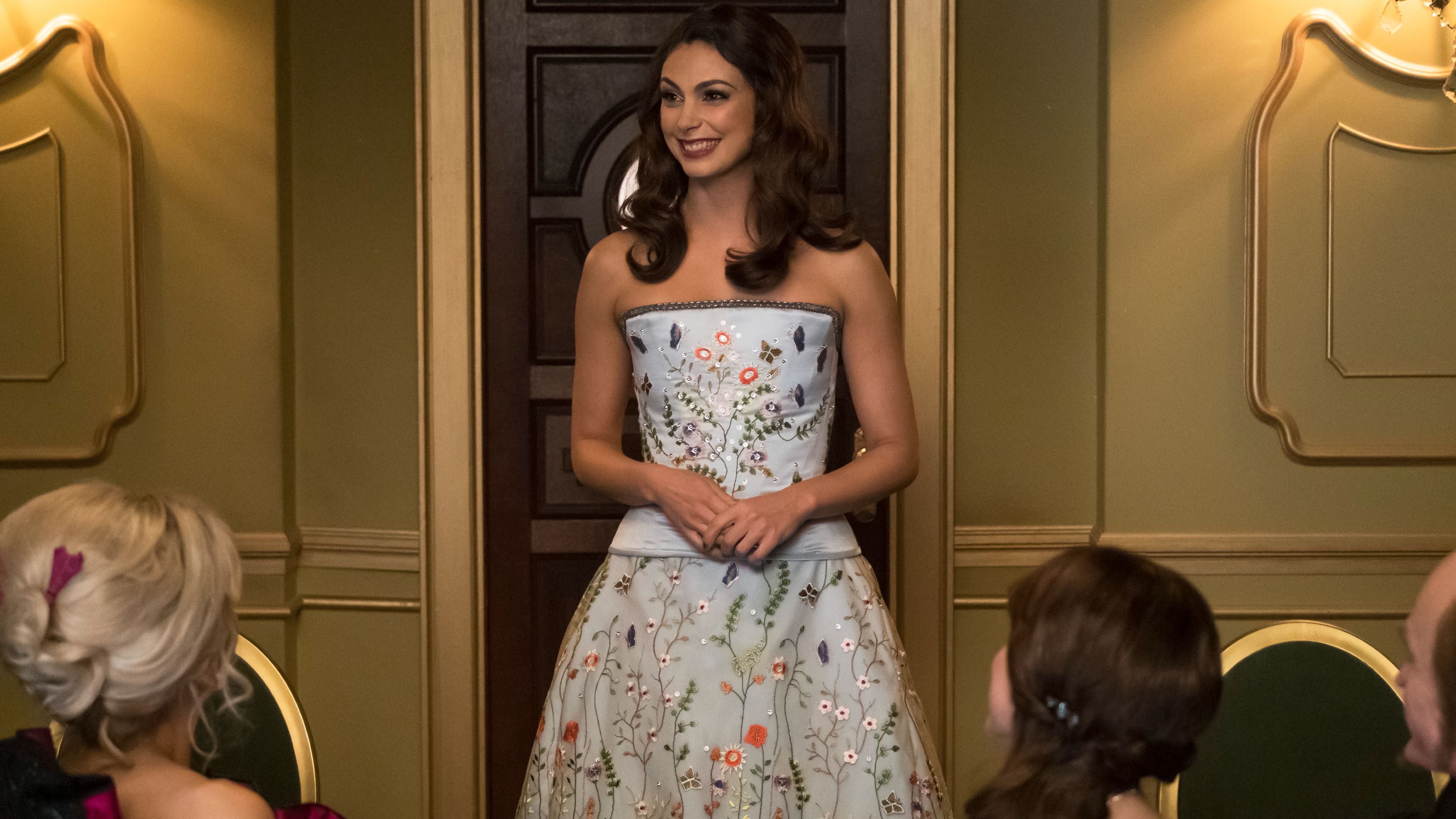
As a big fan of both Stranger Things and The Chronicles of Narnia, I’ve always felt a surprising connection between them. They seem totally different on the surface, but they both tell stories about kids thrown into really tough situations. The adults either can’t help, or aren’t around, so these kids have to figure things out themselves, using their wits and bravery. It’s a classic kind of story, and I think Stranger Things, one of Netflix’s best shows, really nails that feeling.
Based on the popular books by Lemony Snicket, A Series of Unfortunate Events aired from 2017 to 2019 and offers a uniquely dark and funny take on the classic orphan story. The show follows the unlucky Baudelaire children as they try to escape their villainous guardians – especially the scheming Count Olaf, played by Neil Patrick Harris – and survive in a world that seems determined to make their lives miserable. It’s a blend of spooky atmosphere and sharp, witty humor.
The show truly stands on its own merits. With a 96% rating on Rotten Tomatoes, A Series of Unfortunate Events is consistently ranked among Netflix’s best original series and is a standout example of a successful book-to-screen adaptation. But what really makes it special is how it cleverly echoes and flips expectations from shows like Stranger Things and books like The Chronicles of Narnia, resulting in something both unique and exceptional.
A Series Of Unfortunate Events Places Talented Kids Against Adult Incompetence
Brilliant Children Forced To Outsmart A World Run By Foolish Adults
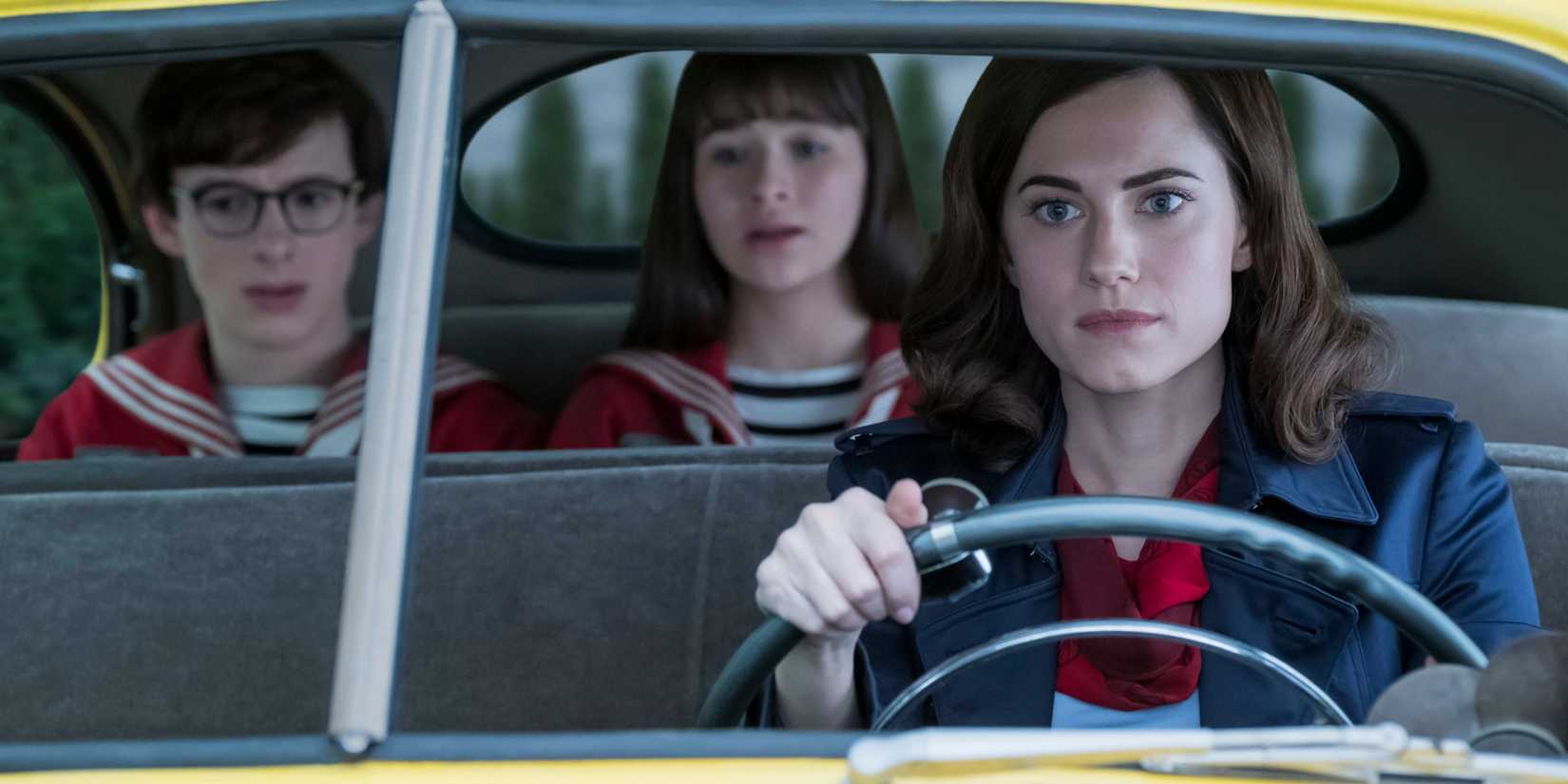
The heart of A Series of Unfortunate Events is the story of three orphaned children struggling to survive in a difficult world. Violet, Klaus, and Sunny Baudelaire are constantly either overlooked or pursued by the adults around them. They must rely on their own intelligence and resourcefulness because the adults who should be helping them consistently let them down.
This story shares many similarities with The Chronicles of Narnia. Like in The Lion, The Witch, and the Wardrobe, a group of siblings discovers a magical world under the rule of a cruel tyrant. The White Witch (played by Tilda Swinton) doesn’t gain power solely through magic; her rise is a consequence of widespread problems within the society itself. Those in positions of power either supported her reign or were too weak to prevent it.
In A Series of Unfortunate Events, Count Olaf consistently manages to find the Baudelaire orphans because the adults in charge are often ineffective. These guardians and officials prioritize following rules over noticing clear signs of danger. Olaf takes advantage of this weakness again and again, putting the children in constant danger.
Both stories highlight how little support the children receive, yet they still manage to overcome danger. Even Aslan in The Lion, The Witch, and the Wardrobe doesn’t directly rescue the Pevensie children – he encourages them to act themselves. Similarly, the Baudelaire orphans must depend solely on their own skills – Violet’s ingenuity, Klaus’s knowledge, and Sunny’s biting. In the end, both stories show that when adults and systems fail to protect children, it’s the children’s own cleverness and resilience that allow them to survive.
Just Like Stranger Things, ASOUE Takes Place In A World Turned Upside Down
Ordinary Lives Collapse Into Chaos
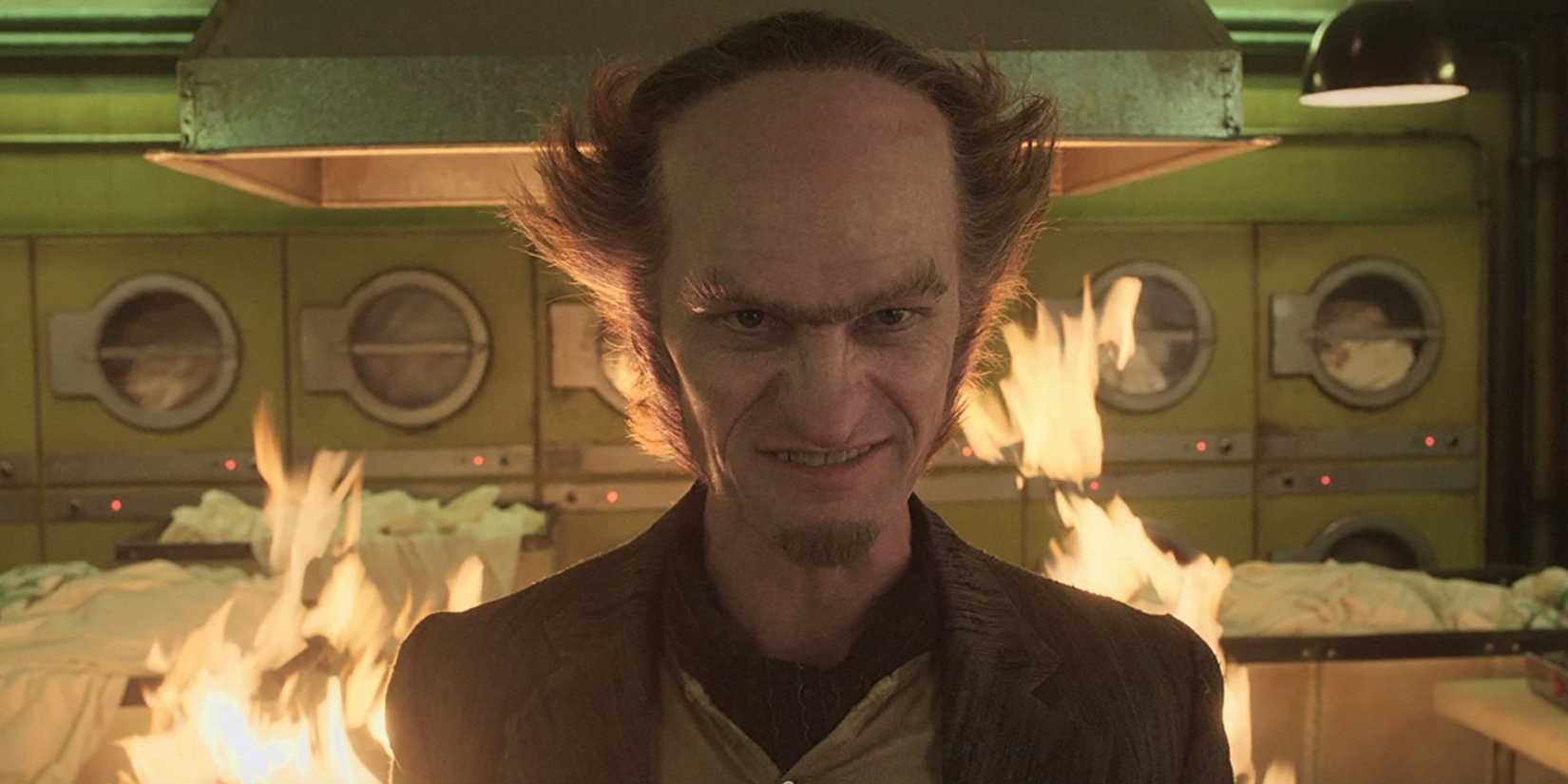
I’ve always been struck by how both A Series of Unfortunate Events and Stranger Things really hit you with this feeling of everything suddenly falling apart. Both stories start in a place that feels pretty normal, and then completely throw their young characters into chaos. With the Baudelaires, it’s instant – their parents die in a fire, and just like that, their safe world is gone, replaced by constant danger and not knowing what’s going to happen next. It’s a really powerful way to start a story.
The show Stranger Things features a similar turning point when Will Byers vanishes. His friends—Mike, Dustin, and Lucas—suddenly find themselves in a frightening new world called the Upside Down. Their ordinary childhood is quickly replaced by a relentless fight against mysterious and powerful enemies.
Both shows center around captivating stories that begin with a disruption to everyday life. In A Series of Unfortunate Events, the Baudelaire orphans are constantly on the run, switching between guardians while Count Olaf relentlessly pursues them. Similarly, the children in Stranger Things find themselves repeatedly pulled back into perilous situations, facing everything from secret government plots to otherworldly dangers.
Though one is a darkly whimsical fantasy and the other a scary science fiction story, both A Series of Unfortunate Events and Stranger Things consistently keep their characters on edge. This constant sense of danger is crucial. The kids in both shows never really feel safe, and there are no dependable adults to help them. When the Baudelaire orphans or the kids from Hawkins do succeed, it feels meaningful because failure – and even death – are always possible. This constant pressure is what makes both shows so captivating, and it’s why their young heroes are among the most determined and resourceful in modern television.
Read More
- Южуралзолото ГК акции прогноз. Цена акций UGLD
- 3 Best Netflix Shows To Binge-Watch This Weekend – #1 Is A Surprise Hit Crime Thriller Trending Worldwide
- Whalefall Trailer: Epic Battle Inside A Sperm Whale Unfolds
- ‘Top Gun 3’ Officially Announced and Tom Cruise Is Returning
- 10 Greatest Ongoing Rivalries in Shonen Anime
- Stephen King Loved M. Night Shyamalan’s ‘Servant’ on Apple TV
- Прогноз криптовалюты ATOM: прогнозы цены ATOM
- МТС акции прогноз. Цена акций MTSS
- The Odyssey Footage Reveals Charlize Theron’s Role & It’s Not What You Think
- Orphan Black: The Perfect Sci-Fi Starter Show
2026-04-23 19:50