If you’re familiar with popular anime and manga like One Piece, Bleach, or Naruto, you’ll likely find they first appeared in Weekly Shonen Jump magazine. Since it began publishing in 1968, Weekly Shonen Jump has had a massive impact on the manga and anime world, building huge fan bases in Japan and then around the globe. The publisher, Shueisha, has since created a range of Jump magazines to appeal to all kinds of readers.
Despite growing competition from online platforms, Shonen Jump is still thriving by embracing digital formats as more fans read manga online. With the recent news of an anime adaptation for Kagurabachi, it feels like Shonen Jump is starting a fresh, exciting chapter, continuing to lead the way in manga after nearly 60 years.
Shonen Jump Introduced Manga to a Generation of American Fans
Around the early 2000s, anime and manga were starting to become popular outside of Japan. The Cartoon Network’s Toonami block played a key role in introducing Western viewers to these Japanese art forms. However, official English translations of manga were hard to find, so fans often had to rely on unofficial copies. Recognizing this demand, manga publisher Shueisha and American company Viz Media teamed up in 2002 to release an English-language manga anthology.
Viz Media carefully chose manga series they thought American readers would enjoy, focusing on titles that already had fans and those likely to attract new ones. Popular franchises like Dragon Ball Z, Naruto, Yu-Gi-Oh!, and Bleach became widely available in English for the first time. It’s surprising to think that Shonen Jump originally aimed to adapt content specifically for American audiences.
When Shonen Jump began being distributed in the U.S., it dramatically increased manga’s popularity around the world. For the first time, mainstream audiences could easily access manga and anime, rather than being limited to specialty shops or late-night television. Along with its sister publication, Shojo Beat (launched in 2005), Shonen Jump became the most popular and widely read manga magazine in North America. As reading habits shifted online in the 2010s, Shonen Jump successfully changed with its audience.
Shonen Jump Has Adapted Digitally to Stay Relevant in 2026
Back in 2012, Viz Media launched a digital version of Weekly Shonen Jump, recognizing that fans were increasingly reading manga online and watching anime through streaming. This evolved into the Shonen Jump+ and Manga Plus apps by 2019, offering a subscription service that lets manga fans around the world read on their phones. Now, it’s simpler than ever to stay up-to-date with new manga chapters, and Shonen Jump continues to lead the way in how manga is distributed.
Thanks to the digital format, manga releases on platforms like Shonen Jump now happen worldwide at the same time as in Japan – something that would have seemed impossible just a few decades ago. This lets Shueisha, the publisher, connect with fans around the globe and get feedback on new series much more quickly. Plus, the move to digital makes it easy for fans to share and discuss their favorite moments and new chapters online, which is boosting the worldwide popularity of manga and anime.
How people read and enjoy manga has evolved significantly. Today’s fans like stories that move quickly, similar to how chapters used to be released weekly. With apps like Shonen Jump offering free previews of the first few chapters, it’s crucial for a manga to grab readers’ attention right away. This has also encouraged creators to combine different genres – like romance, sports, action, and comedy – into a single series to appeal to a wider audience.
The Old Giants of Shonen Jump are Gone
The huge success of Shonen Jump in the manga world is mostly due to long-running, incredibly popular series that anime fans everywhere recognize. Titles like these have become major franchises with well-loved anime adaptations. Now, it’s almost become true that just appearing in Weekly Shonen Jump can set a manga up for success.
Even the most popular manga series eventually come to an end. As of 2026, several long-running titles are concluding, including My Hero Academia, Jujutsu Kaisen, and Chainsaw Man (excluding any related spin-offs). Even One Piece, which started in 1997, is now entering its final storyline. While older series will always find new readers, it feels like we’re seeing the close of a particularly great period for the magazine.
The endings of these incredibly popular manga series create a significant shift for Shonen Jump, essentially requiring a fresh start. Because both established and newer series are finishing around the same time, 2026 will bring a complete change in the magazine’s top titles. This situation could have led to a decline in readership, but Shonen Jump has once again proven its resilience by continuing to create popular trends instead of simply following them.
Kagurabachi is the Best of Shonen Jump’s New-Gen Lineup
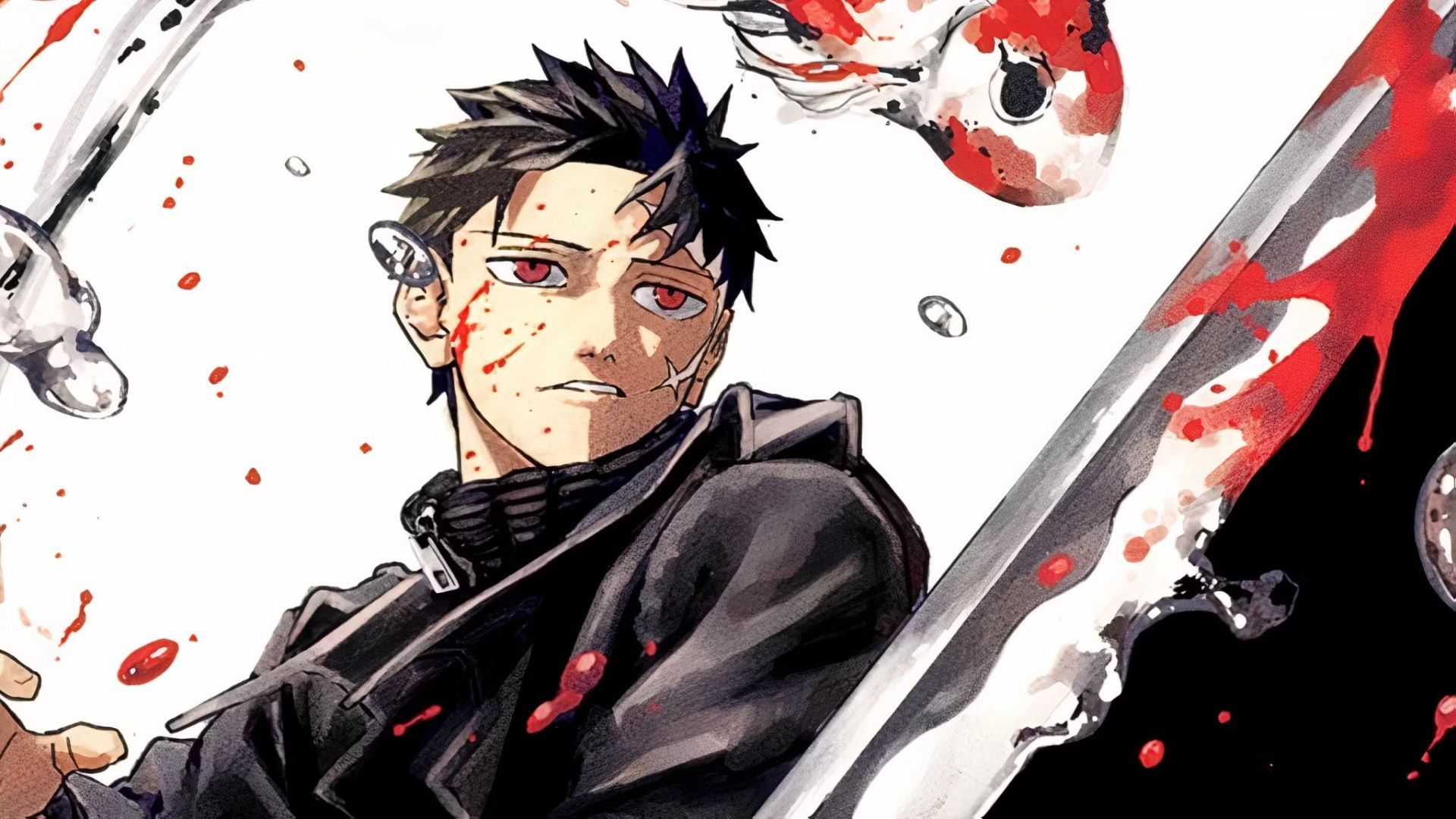
Exciting new manga series are quickly becoming popular in Shonen Jump magazine. Titles like Sakamoto Days, Blue Box, and Kagurabachi are currently the most highly ranked, signaling a trend towards stories that mix different genres. While they haven’t reached the same level of popularity as the “Big Three” yet, they’re definitely making an impact. Kagurabachi, created by Takeru Hokazono and featured in Weekly Shonen Jump, is particularly noteworthy – it’s currently second only to One Piece in popularity. This dark fantasy manga focuses on sword fighting and…
I’m completely hooked on Kagurabachi! It follows Chihiro Rokuhira, a young guy learning the art of sword-making from his dad. But tragedy strikes when this shadowy group, the Hishaku, attacks and steals six incredibly powerful, magically-infused blades – and they kill Chihiro’s father in the process! Driven by revenge, Chihiro takes up the seventh blade, Enten, and sets out on a quest to find the Hishaku and make them pay. It’s an amazing story where he uncovers the secrets behind his blade and faces all sorts of challenges along the way.
The anime series Kagurabachi will be animated by Cypic, the studio known for the popular Netflix anime The Summer Hikaru Died. To celebrate its global reach, Kagurabachi is launching a World Tour. Fans will get a first look at the first 20 minutes of the first episode in cinemas around the world in the summer of 2026, showcasing the influence of Shonen Jump internationally.
Despite having led the manga world for decades, Shonen Jump continues to thrive in 2026, consistently delivering globally popular manga and anime. Kagurabachi is its newest hit, and based on the enthusiastic response from anime fans online, it has the potential to become a defining shonen series for a new generation.
Read More
- Золото прогноз
- Прогноз криптовалюты ATOM: прогнозы цены ATOM
- Netflix’s New Psychological Thriller Unchosen Tops Global Streaming Charts
- 5 Things About Reacher That Make No Sense
- Avengers: Doomsday’s New Trailer Reveals The Doctor Doom Fight That Could Kill A Major MCU Hero
- Star Wars: Maul – Shadow Lord Finally Made the Inquisitors Scary
- DC’s ‘Clayface’ Can Redeem Sony’s $2.17 Billion Spider-Man Franchise
- Marvel Studios’ New Spider-Man Symbiote Story Sets Up Tom Holland’s Venom
- Modern Cartoons Owe Everything to The Marvelous Misadventures of Flapjack
- Oscar Isaac Pushes For Moon Knight’s Return In Marvel Cinematic Universe With 1 Condition For Rumored Movie
2026-04-29 16:40