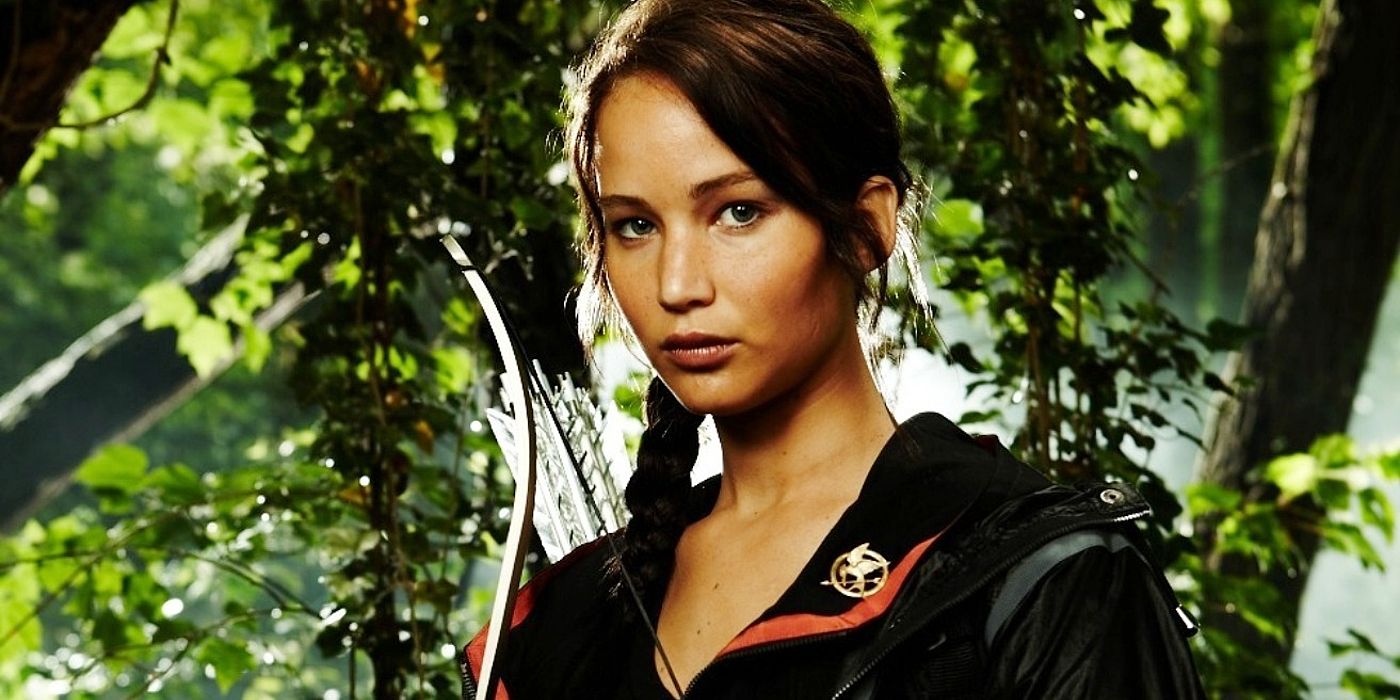
During the early 2010s, The Hunger Games dominated the young adult dystopian fiction trend, and its popularity continues with the new prequel movies. However, Veronica Roth’s Divergent trilogy, set in Chicago, always offered something different and, in many ways, was a stronger series that deserved more recognition.
Despite being remembered as a major cinematic failure, especially with the low ratings of later films, the original story of the Divergent series is actually very strong. The flawed way the studio made the films hid a genuinely exciting thriller that deserves to be appreciated.
Tris Prior Shines As A Flawed Heroine In The Divergent Books
The movie’s biggest weakness was its portrayal of the main character’s inner turmoil. Instead of showing Tris Prior, played by Shailene Woodley, as a complex person grappling with difficult issues, she often came across as a typical action hero. The books, however, delve into the conflict between her unique personality and the selfless values she was raised with.
I really connected with Tris because she wasn’t some flawless hero. She felt so real! She could be totally self-centered at times, but then incredibly giving when it mattered most. It was refreshing to see her be brave, but also genuinely scared – it felt honest. And even though she believed in telling the truth, she wasn’t afraid to lie if it meant protecting herself or others.
Readers of the books will recognize that Tris changes a lot throughout the story, but she always stays true to her beliefs. Veronica Roth actually wrote the first book while she was still in college, and that youthful energy really comes through in her writing, making it feel intense and immediate.
Suzanne Collins built her world on years of careful observation, but Veronica Roth excelled at portraying the intense, emotional turmoil of being a teenager and used that to drive the story. The books are known for their fast pace and constant tension, making every decision Tris faces feel incredibly important and meaningful.
It’s a mistake to compare this series directly to The Hunger Games or Divergent. The Hunger Games focused on physical survival in a dangerous arena, with the struggle being public entertainment. Divergent, on the other hand, was about overcoming a psychological challenge, and the movies didn’t fully capture the main character’s inner conflict.
The Divergent Novels Had Much Darker Psychological Aspects
Many critics say the Divergent series doesn’t have a clear overall message, but the books actually make a pretty straightforward point. The first book clearly shows how dividing people into strict groups can be harmful. Some readers thought the different factions were intentionally stereotypical, and looking back, that seems to be exactly what the author did.
New members joining a group receive serums designed to strengthen characteristics aligned with the group’s values and suppress any opposing feelings. This process blurs the line between natural tendencies and deliberate conditioning, delivering a powerful and impactful message that effectively reinforces the group’s ideology.
The story clearly demonstrates how segregation fosters harmful environments where prejudice grows, because it limits people to interacting only with those who share their beliefs. This reinforces negative and even dangerous biases towards anyone different. It also explores the importance of ethics in progress, arguing that intelligence and scientific breakthroughs, without empathy, will ultimately lead to harm.
The series really shows how much it costs to be different. Any society that tries to force everyone into the same mold will inevitably create a group of people who don’t fit in and are left behind. Choosing a faction in Divergent isn’t like attending classes with students from different backgrounds, as seen in other stories; it’s more like being sentenced to a specific prison.
After being assigned to a faction, you’re separated from your family and expected to forget your past. The movies hinted at the complicated mystery of trying to survive the difficult Dauntless initiation while secretly being Divergent, but they didn’t fully explore or explain it, which was a significant weakness.
The Movies Wasted Massive Potential Despite A Perfect Cast
While the movie series definitely lost its way towards the end, the first film released in 2014 was surprisingly strong. The casting choices were particularly excellent. Shailene Woodley perfectly captured Tris’s raw and realistic vulnerability, and Theo James shared a natural and believable connection with her as Four. Adding a celebrated actress like Kate Winslet as the villain, Jeanine Matthews, immediately elevated the film’s quality and gave it a lot of respect.
The first two movies did very well in theaters, but then the series suffered because the studio prioritized profits. Trying to repeat the success of franchises like Harry Potter and The Hunger Games, studio executives made the risky choice to divide the final book, Allegiant, into two films – a move that proved to be a mistake.
What started as a suspenseful psychological thriller quickly fell apart. The filmmakers sacrificed the story’s cleverness and chilling atmosphere for cheap special effects and typical sci-fi action. The actors seemed disengaged, the plot stalled, and the third film was a major failure, leading the studio to scrap the fourth one. Even the original cast wouldn’t participate in a low-budget television adaptation, effectively ending the story without a proper conclusion.
A New Divergent Adaptation Could Finally Deliver A Sci-Fi Masterpiece
Even though the Divergent movies weren’t very successful, the ideas behind the story still feel fresh and insightful. In some ways, the themes are even more important now than they were ten years ago. Today, we’re increasingly separated into groups online, where we mostly hear opinions that confirm our existing beliefs, and algorithms tend to push us toward extreme viewpoints.
The idea of prioritizing group loyalty over family – once a staple of dystopian fiction, like in the book Divergent – now feels eerily relevant to today’s political climate. With author Veronica Roth revisiting this world, and a new book, The Sixth Faction, planned for 2026, there’s a natural opportunity to reimagine and revitalize the story, especially since the new book explores what would have happened if the main character had made a different choice.
A streaming service like Apple TV+ or HBO could revitalize the Divergent story by focusing on the books’ intense, suspenseful, and psychologically thrilling elements. The original series wasn’t a failure of the story itself, but rather a case of a great story not being well-suited to its original format. The foundation for a truly excellent adaptation already exists, and all it needs is a fresh start that captures the essence of the books.
Read More
- Золото прогноз
- Mortal Kombat II Scores Fresh Rotten Tomatoes Score In Franhise First
- Don Rosa: The Legendary Comic Book Writer America Shouldn’t Soon Forget
- The Boys Series Finale Officially Arrives Early (With a Twist)
- Dazed and Confused Remains the Best R-Rated Comedy Of All Time
- Miral Extends Bid Deadline for Harry Potter Land at Yas Island
- 10 Best Chase Cards in Pokémon TCG: Perfect Order
- Bambi The Reckoning Sets Peacock Streaming Date in March 2026
- I Did Not Have Swiftie Boyfriends Complaining About Being On A ‘Clock’ After Her Proposal On My Bingo Card
- 7-Part Netflix Series Starring A Hollywood Icon Broke All The Rules
2026-05-16 03:10