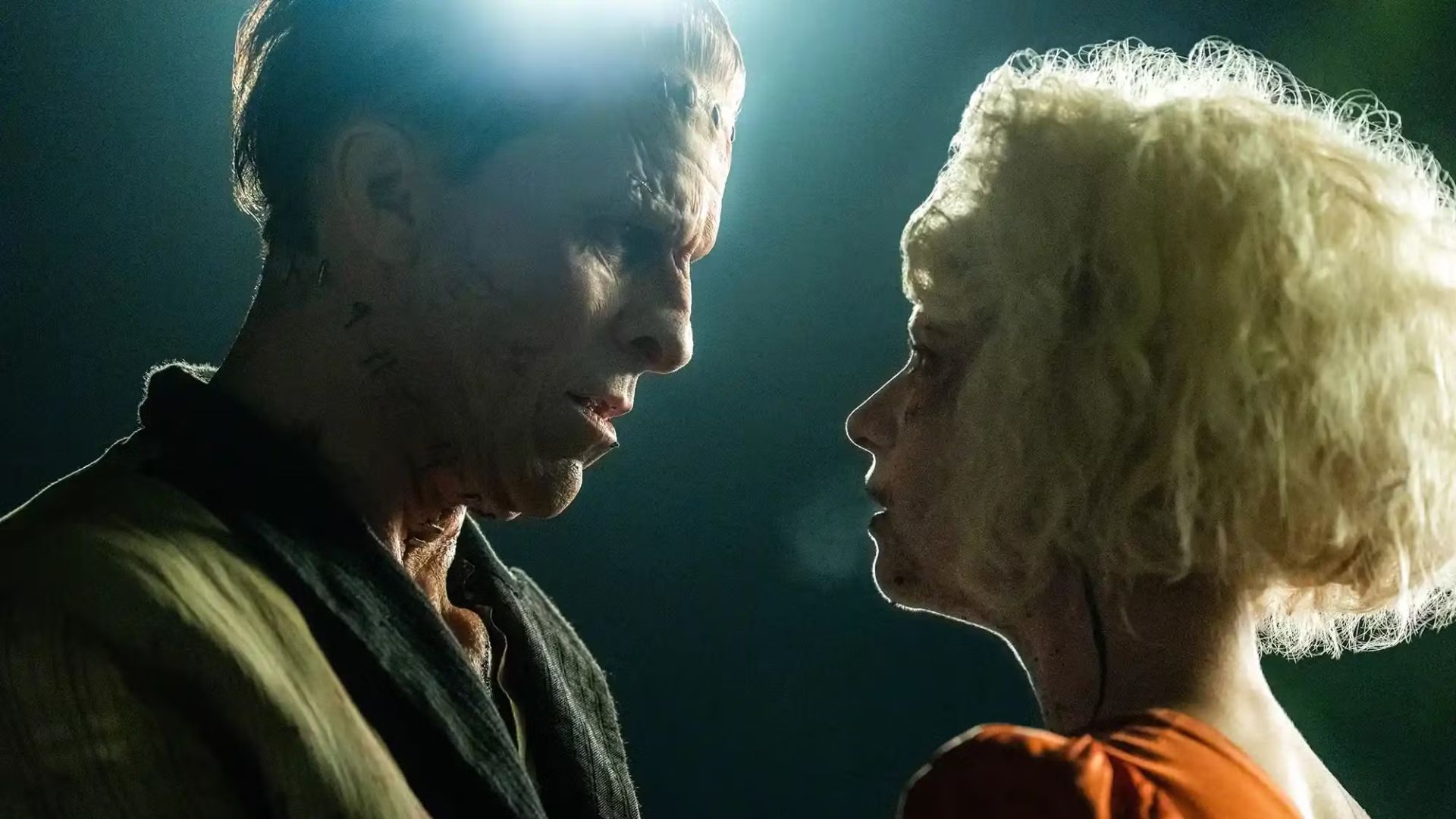
The Bride concludes with a chaotic and ambiguous finale, but powerfully reinforces its central theme in a dramatic burst. It’s a strange blend of horror and art-house cinema, clearly inspired by both Frankenstein and Young Frankenstein.
Ultimately, The Bride is a beautifully made film about a woman reclaiming her power and choosing her own path, despite societal expectations. Jessie Buckley delivers a stunning performance, embodying the character of Ida, the Bride, and even the rebellious spirit of Mary Shelley. The film culminates in a powerful reveal of the Bride’s true self.
The Bride And Frankenstein Get Another Chance (Or Do They?)

As a classic horror fan, I always found the start of The Bride of Frankenstein fascinating. After 111 years of solitude, Frankenstein – he’s adopted his creator’s name, you know – seeks out Dr. Euphronious hoping she can build him a companion. But the body they unearth from a poorhouse grave isn’t exactly cooperative, and things quickly escalate into a wild, almost *Bonnie and Clydeesque adventure after she’s brought back to life.
After Frankie kills two men attempting to assault The Bride, and she subsequently kills a police officer while defending herself, both become wanted for murder, triggering a large-scale manhunt. Frankie’s proposal to The Bride—and her rejection of it—actually pleases him, and he is then shot and killed by the police. This event brings the story full circle, returning to the beginning.
The Bride brings the lifeless body of Frankie to Dr. Euphronious, pleading with her to revive him, but the doctor refuses. While a detective pursuing them explains what happened, the police arrive and fatally shoot The Bride in a chaotic burst of gunfire. The Bride and Frankie are left dead side-by-side.
After this event, Detective Mallow (Penélope Cruz) asks the officers to leave the house, allowing Dr. Euphronious and her housekeeper Greta (Jeannie Berlin) time to get ready for questioning. Mallow is aware of the consequences that will follow when the police depart.
We never see inside the lab in the movie. But as Detective Mallow looks at the house, she hears an explosion and the lab lights begin to flicker. This is followed by a scene showing The Bride and Frankie both moving their hands, ultimately reaching out to grasp each other as the film concludes.
The movie doesn’t show what happens next, and with so much police presence, it seemed impossible for the monsters to get away. Despite this, the ending suggests they somehow come back to life, offering a glimmer of hope for what might happen later.
Did Mary Shelley Really Possess The Bride?
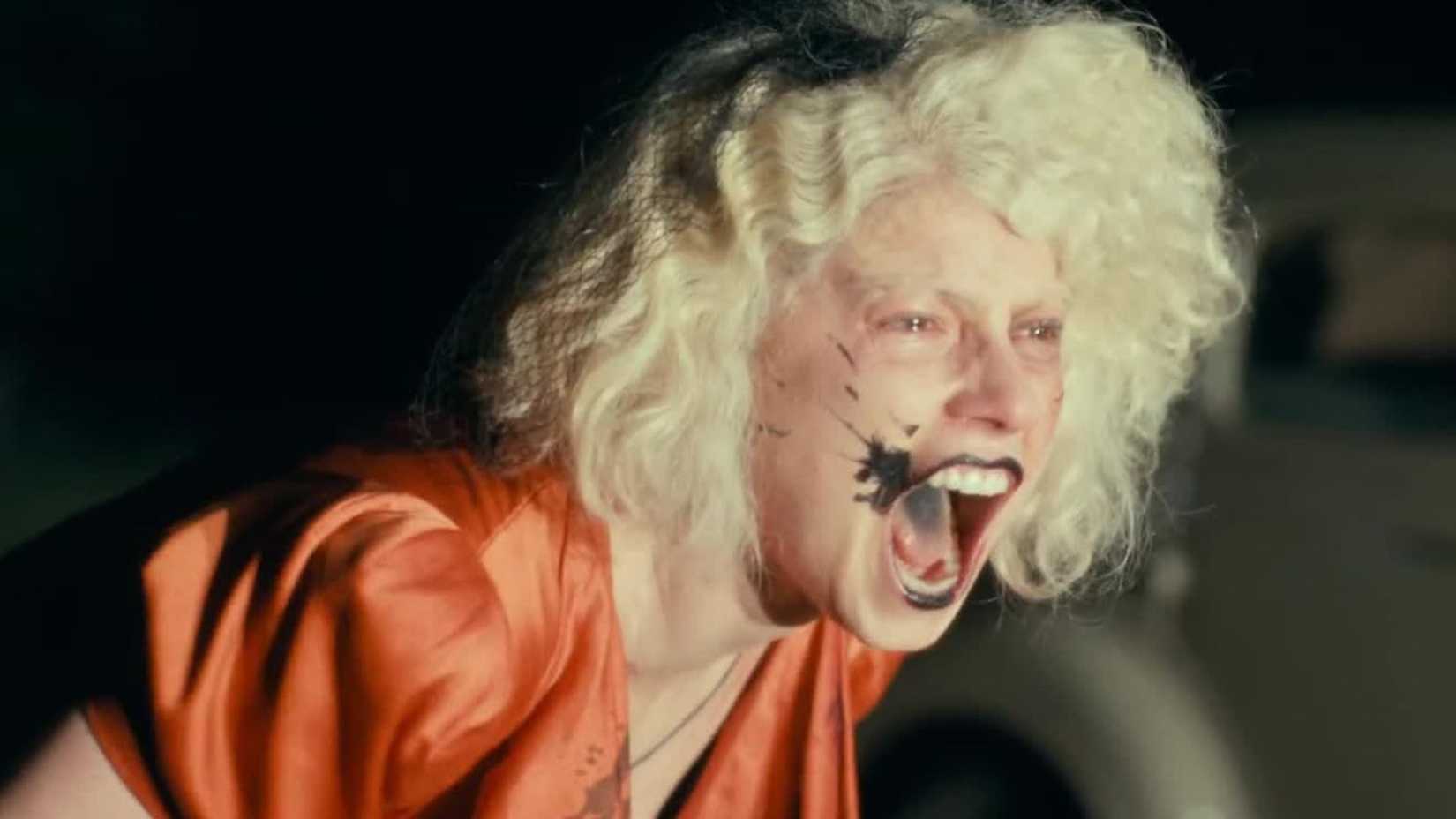
The movie began with a striking scene featuring Mary Shelley (Jessie Buckley) speaking directly to the audience. She explained that she felt limited in expressing herself both in her famous novel and in her own life, but now she has the opportunity to share her true story.
The film The Bride begins with the main character accompanied by a young woman named Ida (played by Jessie Buckley). Ida, who seems to be experiencing some kind of possession, publicly accuses a man in a restaurant of abusing and murdering young women. Shortly after, two men lead her away, and one of them kills her by pushing her down a flight of stairs.
The concept of possession led the movie down an unusual path. Mary Shelley would sometimes address Ida – who Frankie had learned was actually named Penelope, and now went by Penny – directly.
The movie sometimes shifts in tone, making it unclear what’s actually happening versus what’s taking place inside The Bride’s head. While some scenes feel like imagined events, others—like the elaborate dance sequence—seem to be real, possibly due to Mary Shelley’s influence. It’s often difficult to distinguish between reality and illusion.
At the film’s conclusion, Mary Shelley exposes the truth by revealing the identities of all the women murdered by a rich man (played by Zlatko Burić). Driven by rage and aware of the cover-up by the authorities, she seeks retribution, and “The Bride” is her means of delivering a strong message about these crimes.
Why Were The Two Detectives Chasing The Bride And Frankenstein?
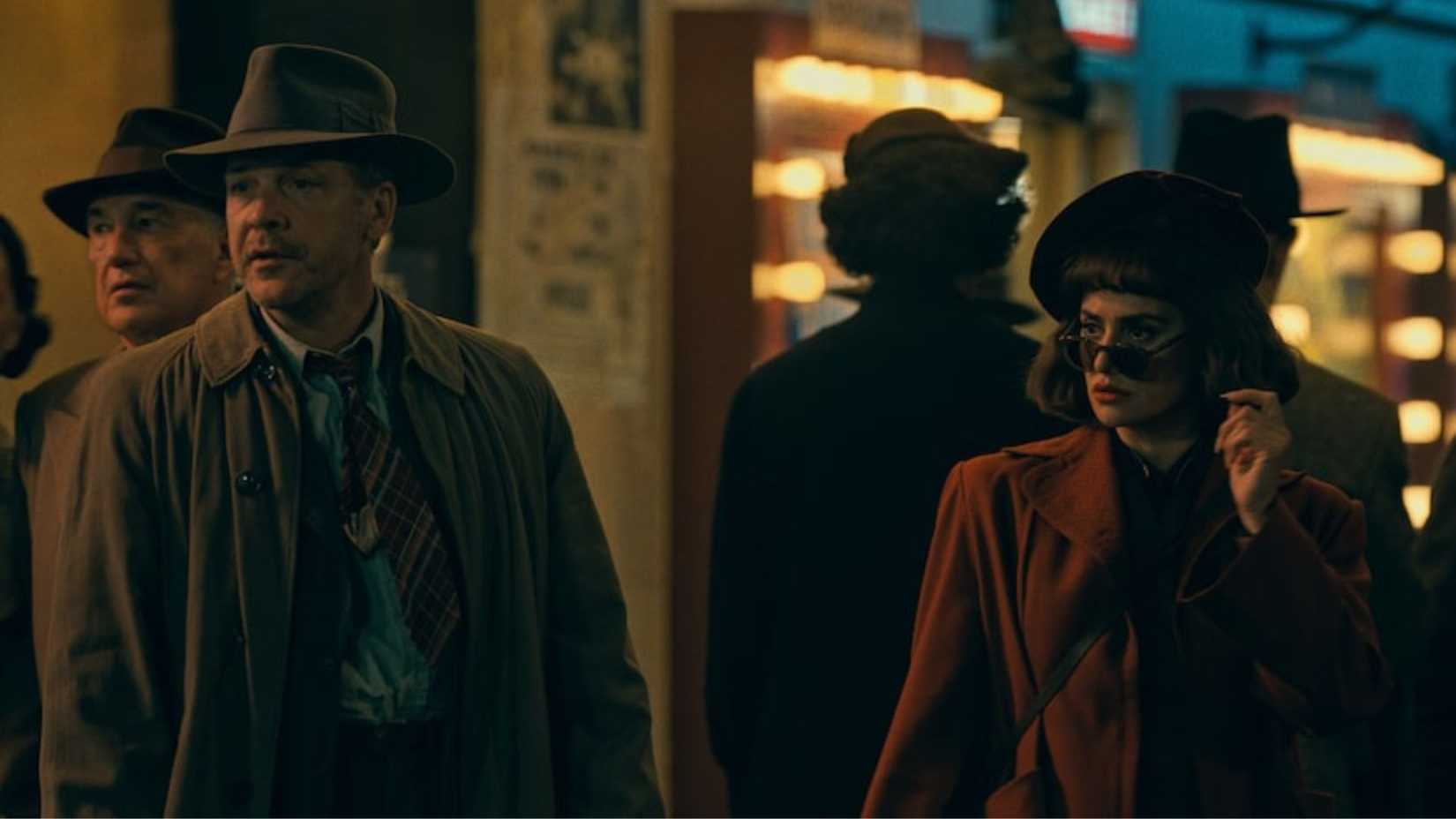
As the police searched for The Bride and Frankie, Detectives Jake Wiles, played by Peter Sarsgaard, and Myrna Malloy, played by Penélope Cruz, were also investigating the case. Wiles was the lead detective, but Malloy was the one who really figured things out.
Wiles was keeping a secret: he’d had a relationship with Ida while she was working undercover to investigate crime boss Lupino. After Ida’s death, he felt responsible, but he was also a dishonest officer secretly protecting Lupino and was searching for a way to make amends.
Detective Malloy was a remarkably talented investigator, but her male colleagues often underestimated her. She earned a leadership role when Wiles stepped down, with the stipulation that he choose his successor – and he chose Malloy. It was a poignant situation: a woman overcoming the obstacles created by powerful men, working to solve the murder of another woman at their hands.
Why Did The Bride Reject Frankenstein’s Proposition?
Just before the police fatally shot Frankenstein, he proposed to his Bride. While it seemed like a significant moment for her, she responded with a phrase she’d used repeatedly: “I’d prefer not to.” She had previously told Dr. Euphronius this same thing several times after being brought back to life, and interestingly, it was also a quote from the author Mary Shelley herself.
I’m really struck by the phrase “I’d prefer not to” – it comes from a classic story, Bartleby, the Scrivener. In the book, the main character uses it as a quiet way of standing up for himself, almost a gentle rebellion. But when Ida says it, and repeats it, it feels so much more powerful. For her, it’s about refusing to let anyone, especially men, control her life. It’s incredibly moving, and when she says it again when Frankie asks her to marry him, it really hits home – she’s claiming her own agency and choosing her own path.
Most men would have been upset by the rejection, but Frankie just smiled. The Bride turned him down because she valued her freedom and wanted to remain independent, not become a wife. It was exactly the right choice, and Frankie fully understood. It was the only way their unusual love story could have ended.
What Happened To Lupino At The End?
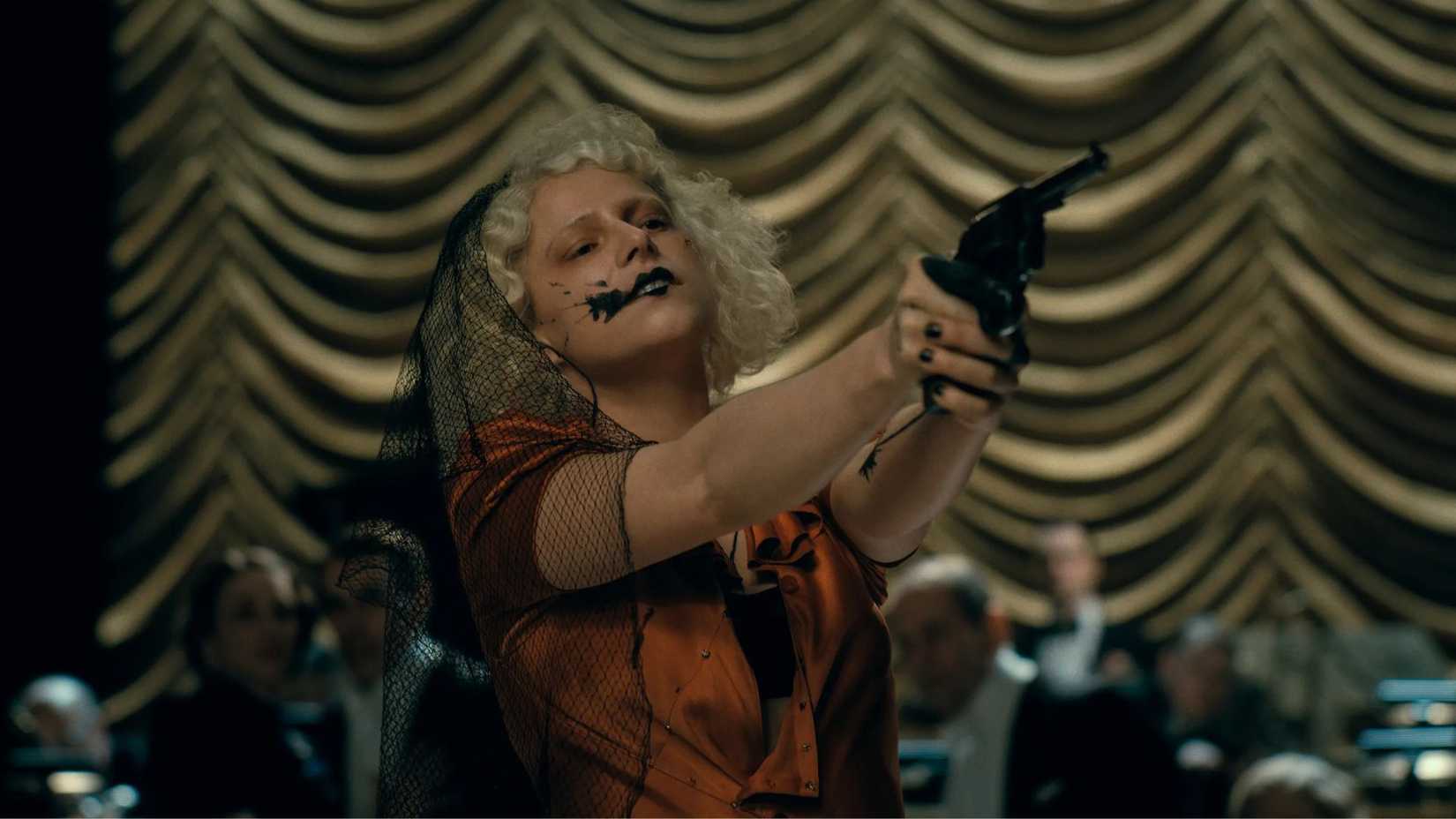
The movie included a scene after the credits that demonstrated how far-reaching The Bride’s impact had been. Throughout the film, women had begun to show solidarity with her by painting her scars on their own faces and confronting the men who had mistreated them. Ultimately, Mary Shelley’s goal was to avenge the deaths of Ida and her friends, and she sought retribution against all men who embodied evil.
Lupino had a disturbing habit of collecting the tongues of those he murdered. After the credits, a group of his victims were seen with Wiles. The camera then focused on Lupino, tied up and receiving the same facial tattoos as The Bride, suggesting he may have also had his tongue removed. Ultimately, Ida got her revenge with Wiles’ help.
The True Meaning Behind The Bride
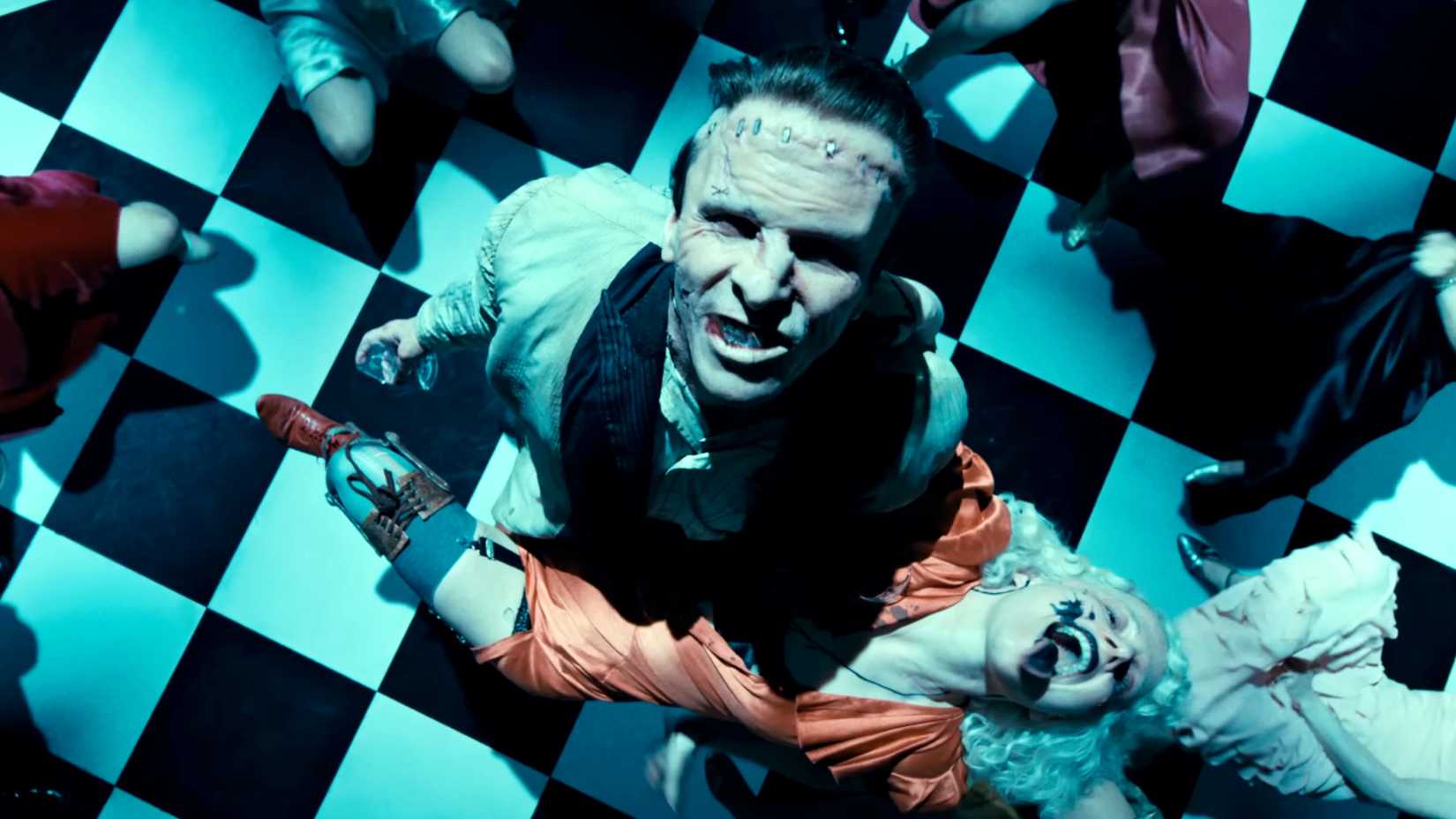
The movie The Bride explores themes of anger and retribution against a society that historically marginalizes women and allows abusers to act with impunity. Given current events like the downfall of figures like Harvey Weinstein and the revelations in the Epstein Files, the film presents a powerful story of a woman taking matters into her own hands.
Maggie Gyllenhaal’s film takes a strange turn as the main character’s rage and disorientation intensify. It explores the idea that when women are relentlessly pushed to their limits, they can unleash a fierce, almost monstrous side. Ultimately, the protagonist survives – either in reality or symbolically – and the men who oppressed her are finally held accountable for their behavior.
2026-03-07 01:53