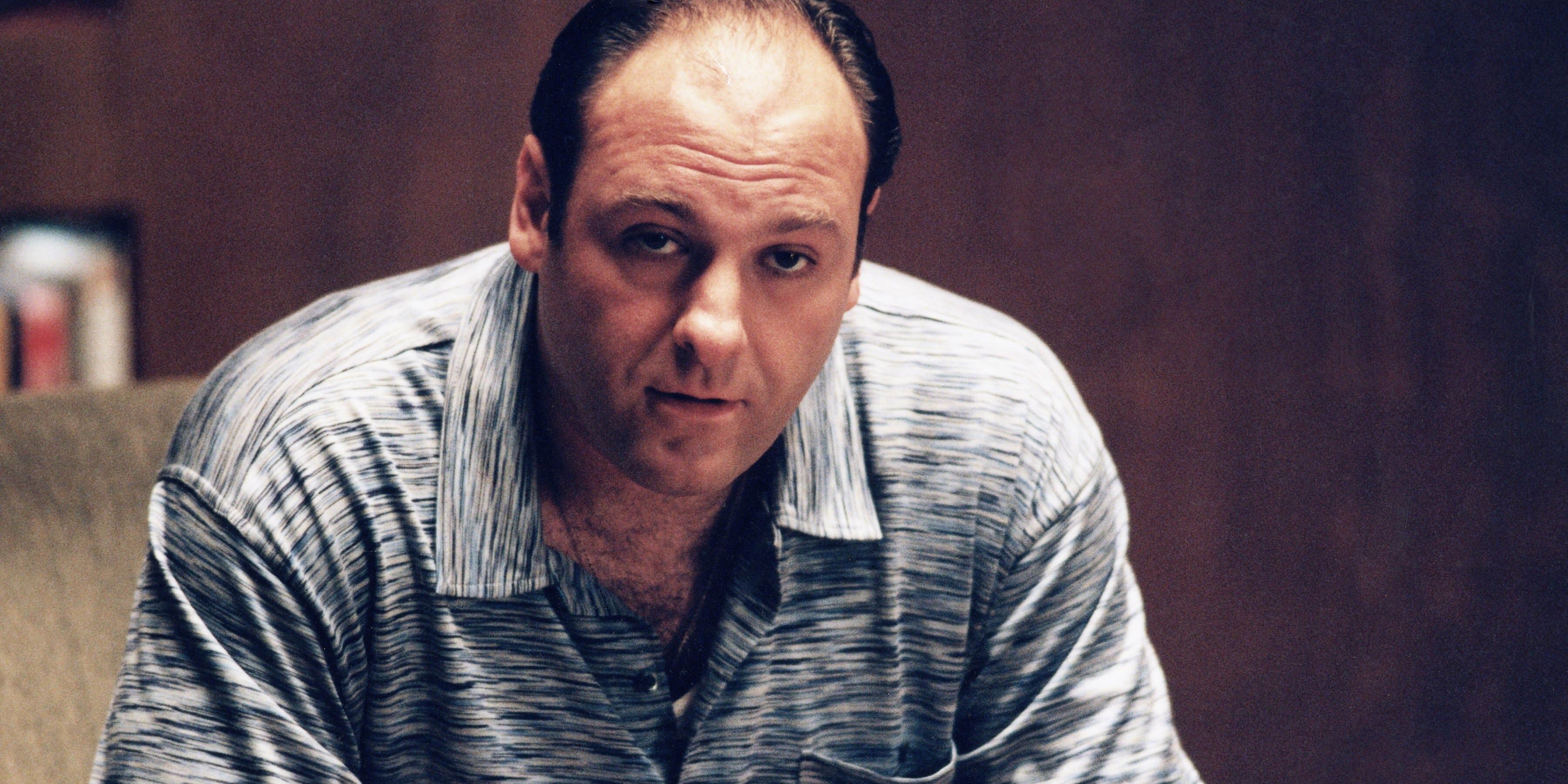
Debuting in 1999, this show revolutionized television. Created by David Chase for HBO, it centers on Tony Soprano, a New Jersey mob boss struggling to balance his criminal life with his personal issues. The series was groundbreaking for its portrayal of Tony in therapy, offering a unique and complex look at a man who was both ruthless and deeply troubled.
Even after just one season, The Sopranos was clearly revolutionary. The show used Tony’s therapy sessions to deeply explore themes of guilt, what it means to be a man, and how trauma affects families, slowly revealing that he wasn’t as powerful as he seemed. From the very first episode, it was obvious Tony wasn’t a typical bad guy on TV, and a single line perfectly captured his perspective, laying the groundwork for his entire story over the next six seasons. With Paramount now owning Warner Bros., The Sopranos may soon be available on a new streaming service, but fans will still be able to follow Tony Soprano’s compelling journey, starting with that pivotal first line.
Tony Soprano’s Opening Lines Perfectly Revealed His Nature
Many consider this to be one of the best TV episodes ever made, as it first introduces viewers to the complex character of Tony Soprano, a mob boss struggling with inner turmoil. The episode begins with Tony attending his first therapy session with Dr. Melfi after experiencing a panic attack, where he cautiously begins to share details about his personal and professional life.
As a critic, I found this character utterly compelling. He’s a man desperately trying to salvage his family life, and these therapy sessions become his way of grappling with his past mistakes. You immediately sense he’s struggling with a fundamental conflict – the person he was supposed to be versus who he actually is, and it’s visibly draining him. There’s a particularly poignant moment around the midpoint where he turns to his therapist, Dr. Melfi, and asks, almost plaintively, “Whatever happened to Gary Cooper? The strong, silent type?” It really encapsulates his longing for a simpler, more traditionally masculine way of being.
The question highlights Tony’s sadness over the loss of someone he admired. By bringing up Gary Cooper, a classic American hero known for his strength and stoicism, Tony is essentially contrasting himself with an image of traditional masculinity – one that was simple, independent, and seemingly unbreakable.
This moment reveals Tony’s feelings of not being good enough and how old-fashioned ideas about men are changing. He reluctantly goes to therapy, seeing it as a place where he has to deal with emotions he would normally suppress. It’s a difficult but important process, forcing him to think about his upbringing and admit that his tough exterior isn’t as strong as he pretends.
By mentioning Gary Cooper, Tony highlights how unrealistic it is to live up to such a perfect image. This sets up the central conflict: a man torn between the pressures of traditional masculinity and his own human weaknesses. It also establishes the overall theme of the series, which explores both the fading of classic American values and the personal battles of a powerful mob boss.
Tony Soprano Longs for a Forgotten Archetype That Fuels His Anxiety
When Tony talks about Gary Cooper, he’s not really focused on the actor himself, but on the idea Cooper represents. He longs for a past era when men were seen as reliable and didn’t overthink things.
Cooper embodies a type of manhood where emotions don’t matter, and Tony secretly wishes he could be like that. He feels stuck in a world that now values openness and sensitivity alongside strength. However, that longing for a simpler time is misleading.
The idea of the ‘strong, silent type’ is a myth, or at least not how many people imagine it. It wasn’t genuine strength, but a carefully constructed act, and the effort to maintain that facade has harmed many men. Tony’s desire to be that kind of man stems from a fear that he has nothing valuable to offer without it.
These moments of vulnerability are a complete contradiction to the image Tony Soprano tries to project. Each therapy session with Dr. Melfi forces him to do the opposite of what he believes a strong man like Gary Cooper would do – he reveals his feelings, doubts himself, and acknowledges his weaknesses. Ironically, this self-exposure is the only thing preventing him from falling apart. Tony’s internal conflict transforms the idea of the ‘strong, silent type’ from a symbol of power into a constant reminder of the person he feels he can never truly become.
This is a truly pivotal moment in the series. It’s when Tony reveals the core conflict within himself: he longs to be stoic and strong like a classic Western hero, but he’s actually a man struggling with his feelings and trying to come to terms with them. In just that one line, The Sopranos perfectly captures the experience of modern manhood and lays the groundwork for Tony’s entire journey.
Tony’s Arc is Perfectly Set up By This Seemingly Throwaway Line
Throughout the series, Tony consistently tries to appear strong and in control. However, as the very first episode demonstrates, this is just a facade. His therapy sessions with Dr. Melfi gradually expose his hidden struggles with guilt, sadness, and emotional vulnerability.
Throughout the series, Tony becomes more and more aware of his own issues, but this understanding doesn’t change him. He recognizes his flaws, yet consistently avoids addressing them. When Dr. Melfi finally ends their sessions, explaining that he’s been using therapy to his benefit, the show reinforces its central message about his character.
Tony is aware of the damage he causes but refuses to reform. He tries to project a traditional, strong image of masculinity, constantly referencing an idealized version like that of Gary Cooper, but never quite lives up to it. What makes The Sopranos so insightful is that Tony embodies both the worst aspects of traditional masculinity and, at the same time, represents broader themes within American culture.
Tony desperately wants power, respect, a family, and a comfortable life, but he avoids taking responsibility for his actions or looking inward. He believes that projecting an image of strength will protect him, but the difference between who he pretends to be and who he truly is keeps increasing, highlighted by his panic attacks and ongoing therapy.
He presents a facade of strength to Carmela, masking his sadness, and even feigns illness – claiming allergies – during therapy to avoid truly confronting his emotions. The image of actor Gary Cooper appears repeatedly throughout the show, first in a dream sequence during the episode Funhouse, and later resurfaces in his therapy sessions.
By the very end, during that diner scene, it really hit me – Tony was still putting on an act. He was trying so hard to look strong, but you could see how anxious he was underneath it all. It was like he was finally realizing the tough, quiet guys he always looked up to weren’t real – they just didn’t show their feelings.
Tony’s Entire First Therapy Session is a Storytelling Masterclass
Focusing an episode on a therapy session was a clever move by Chase, as it offered viewers different perspectives on the story. We didn’t just see events through Tony’s point of view; we also saw the contrast between what actually happened and how Tony presented it to others. The way Italian-American mobsters are depicted often reveals interesting things about the idea of the American Dream.
Like the character Bonasera in The Godfather, who seeks help from Don Corleone after feeling let down by society, Tony Soprano often expresses a pessimistic outlook. He frequently laments the loss of better times, observes a decline in societal values, and even cites statistics – such as the fact that ‘eighteen million Americans are clinically depressed’ – as he questions what has happened to the country.
Even today, these points still hold true. We see a feeling of things getting worse through Tony’s annoyance, Big Pussy admitting times are changing, and Junior’s complaints that Tony’s generation isn’t as good as those before it.
I was completely captivated by how Chase tapped into that deep-seated fear we all share – it really drew me in. But what I loved even more was how he connected it to Tony’s personal struggles. The episode is packed with lines that just tell you everything you need to know about him, and cleverly foreshadow what’s coming. Seeing Tony in therapy, you really get a sense of the conflict within him – the man he thinks he should be versus the man he truly is. It’s a powerful portrayal.
Tony’s values and behavior are a result of how he was raised and the traditional ideas about what it means to be a man that he learned growing up. Despite this, he genuinely wants to protect and provide for his family. The show begins by creating a strong feeling of unease and suspense, immediately drawing viewers in. This powerful opening has been key to the series’ lasting success, even after many seasons.
Found an error? Send it so it can be corrected.
2026-03-04 21:08