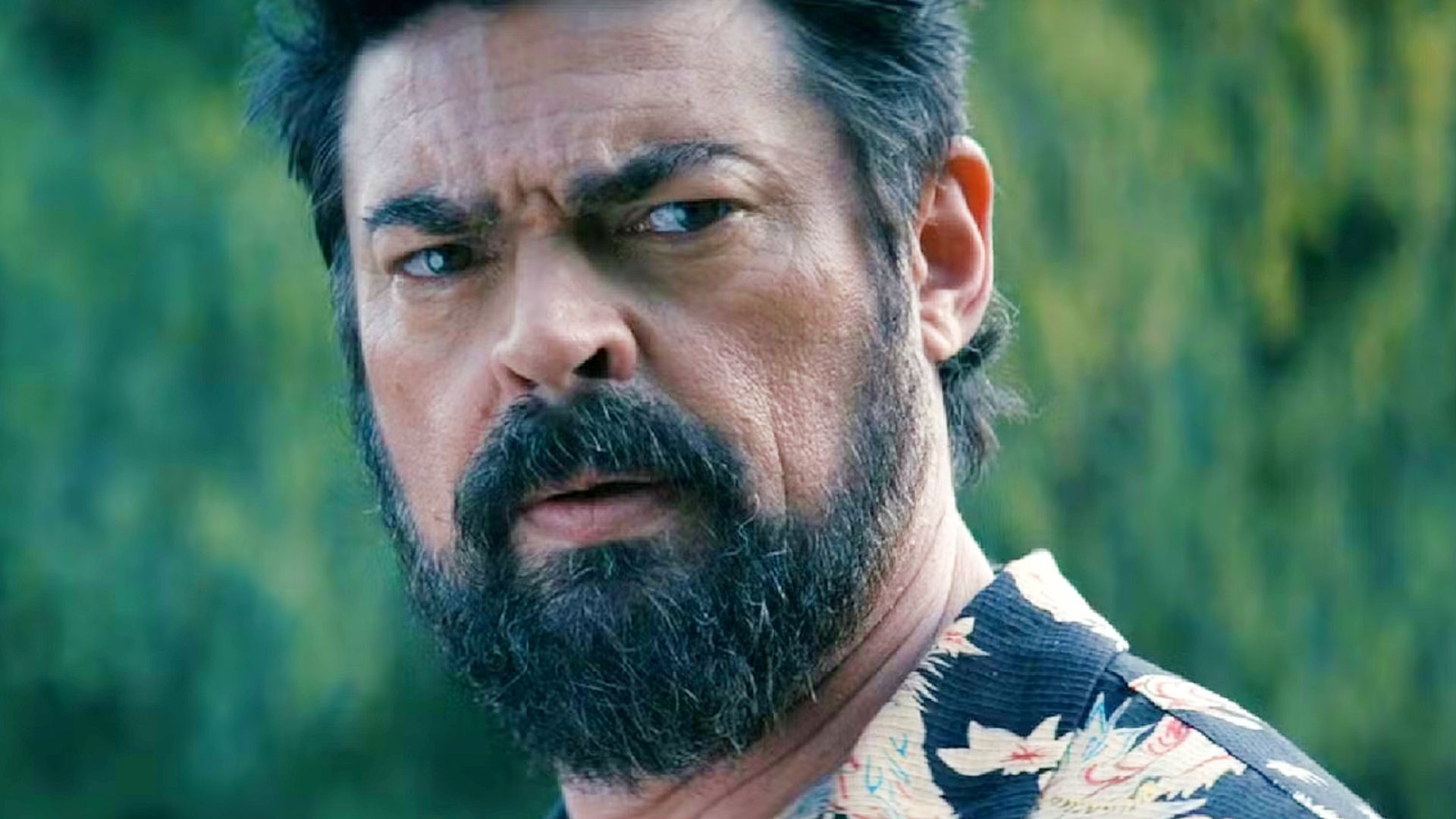
Be warned: this contains spoilers for the final episode of The Boys and the original comic books! The story of Butcher, Hughie, Starlight, and Homelander has concluded, and the finale featured several major character deaths and a surprising plot twist that changes everything.
The ending of The Boys didn’t sit well with everyone. Some viewers criticized several aspects, including Homelander’s fate, Butcher’s transformation into a villain, and what they saw as unnecessary setup for a new spin-off series.

Interestingly, Garth Ennis, one of the creators of the franchise, actually criticized a specific part of the ending seven years before it even aired, calling it “the worst idea in history!”
How The Boys Just Killed Off Homelander

The last episode of The Boys, titled ‘Blood and Bone,’ centers on two big fights. The first involves Butcher, Kimiko, and Ryan battling Homelander, ultimately stripping him of his powers and delivering the brutal, embarrassing defeat he’s deserved throughout the series.
Kimiko gains the power to take away a Supe’s abilities using radiation and uses it to neutralize Homelander, stripping him of his powers. Ryan prevents Homelander from escaping, and Butcher delivers the final blow with a crowbar. The story then moves towards what seems like a happy ending, though its true outcome remains uncertain.
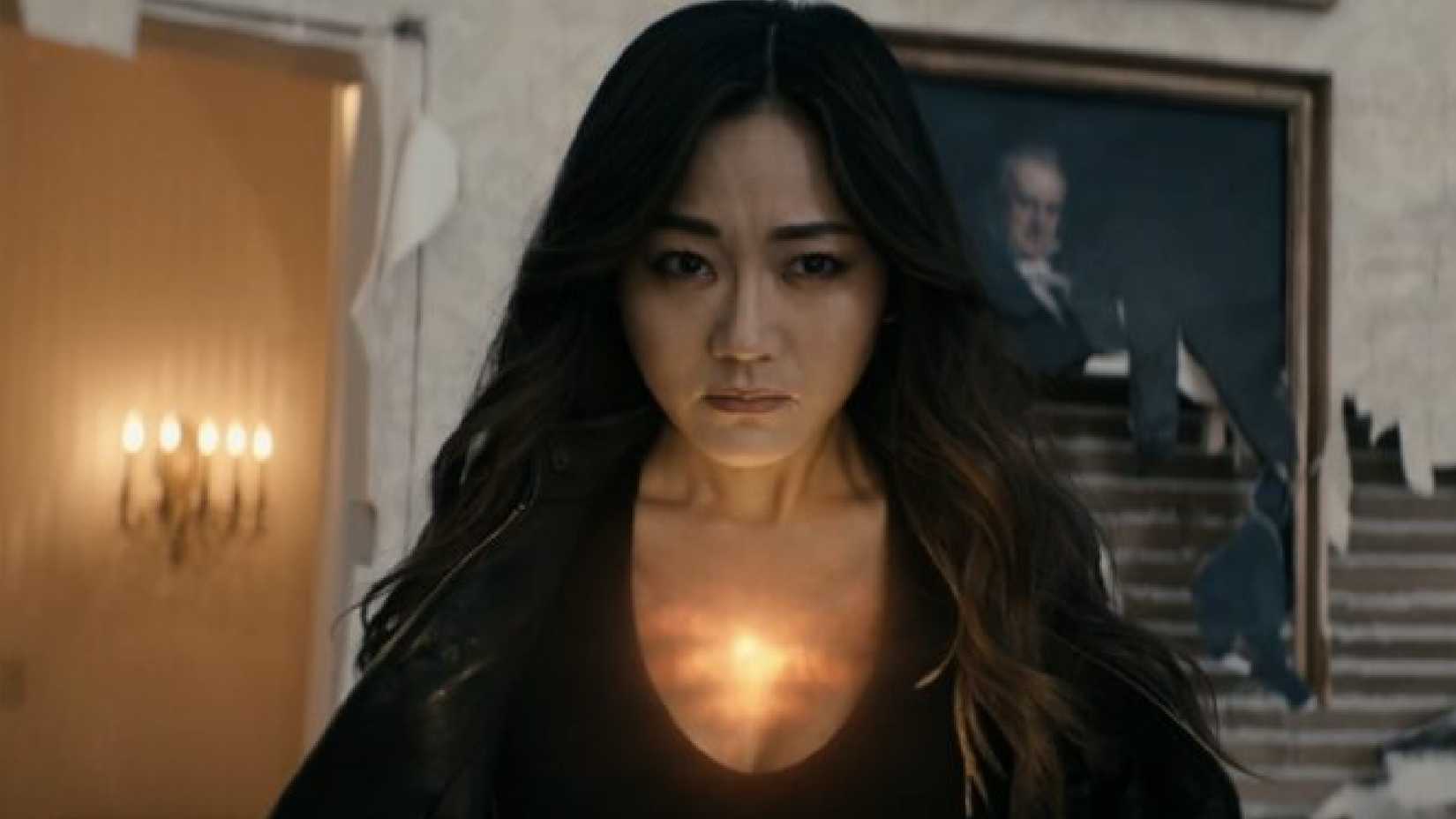
After being rejected by Ryan and feeling like there’s no future, Butcher resolves to kill all Supes. This leads to a showdown with Hughie, who ultimately manages to kill Butcher, spurred by their connection and memories of Butcher’s brother.
The episode concludes with a few more unexpected developments and hints at storylines for the upcoming prequel series, Vought Rising. But the big question is: what specific part of this episode did one of the show’s creators dislike even before it was released?
Why The Boys’ Creator Slammed Depowering Supes

Fans of The Boys know the series began as a comic book by Garth Ennis and Darick Robertson. Though the show changed a lot of the story from the original comics, the finale ultimately gave each character a similar ending to what was planned in the source material. Interestingly, the show’s ending also relied on an idea that was initially rejected when the comic was first proposed.
In 2019, Dynamite published a new collection of The Boys as omnibus editions, complete with bonus materials. Among these extras was Garth Ennis’s initial series proposal, which included his notes on how the story ultimately differed from his original plan. A major idea that was cut was the ability for Butcher’s team to remove the superpowers of the Supes.
The Boys’ true strength only emerges when all five of them are together. This ability, a side effect of the serum they took, lets them cancel out other people’s superpowers through focused concentration. They simply gather around the target, concentrate, and instantly reduce them to the level of a normal human. This means magical abilities are nullified, super speed is lost, and even gods become powerless.
Ennis almost immediately scrapped that idea and didn’t include it in the comic. Instead, he gave Butcher’s team slight superpowers – enough to handle typical superheroes, but not nearly enough to defeat someone as powerful as Homelander.
Ennis strongly disagrees with the decision to remove the powers of the Supes in The Boys, and he made his objections clear in his notes, writing:
**** me rigid. What next, stand in a circle and shoot beams of love from their eyes?
Jesus!
Despite the show’s initial, flawed concept, I quickly understood that the action in The Boys shouldn’t focus on superpowers. Instead, it should feel like a brutal, real-world fight – like getting jumped outside a bar at 2 a.m., where you’re outnumbered, helpless, and completely overwhelmed. It needed to be a shockingly unfair and brutally effective kind of violence.
The TV series not only revisited the concept of stripping superheroes of their powers – a concept from the original comic – but Kimiko actually accomplishes this using a beam of light. Eric Kripke, the showrunner of The Boys, apparently believed this idea – which comic book author Garth Ennis once called his “worst idea” – was the key to a truly satisfying conclusion.
How The Boys’ Comic Ending Differed from the TV Show

If the comic book version of The Boys doesn’t strip Homelander of his powers, the story still reaches a similar conclusion. However, a key difference is that the comics reveal Black Noir to be a clone of Homelander, specifically created to eliminate him if he ever threatens Vought.
Frustrated by his failure, Black Noir intentionally provokes Homelander, ultimately leading to Homelander’s attempt to take over the United States. Black Noir manages to kill Homelander in the Oval Office, but is severely wounded in the process. After being heavily attacked by the army, Butcher is finally able to kill Black Noir with a crowbar, fulfilling his desire for revenge for his wife’s death.

Homelander’s death in the comics is actually more humiliating than what happened on screen. It turns out he wasn’t even the main villain – his turn to evil was just a result of someone else’s scheme. Instead of a heroic final battle, he’s simply ripped apart while throwing a fit.
If Ryan hadn’t been part of the story, Butcher would have pursued his original plan: eliminating all Supes, a goal he’d been working towards since the team first formed. This would have meant killing everyone in The Boys, leaving only Hughie alive. However, Hughie doesn’t defeat Butcher with violence. Instead, he accidentally falls from the Empire State Building while struggling with him, and Butcher instinctively dives to save Hughie, sacrificing himself in the process – essentially acting as a protective older brother.

At its heart, the comic explores how goodness and skill work together. It suggests that being decent without being capable, or capable without being decent, is either useless or harmful.
Was Garth Ennis Right About The Boys’ Ending?
Considering everything, and knowing Ennis disliked a concept Kripke liked, does the comic book’s ending work better than the TV show’s? Was the show misguided in introducing the idea of weakening superheroes, and then making its final episode about taking away Homelander’s powers?
Although the comic and TV show versions of The Boys share some connections and similar conclusions, they ultimately aim to achieve different goals. The original comic was a harsh critique of the superhero genre, fueled by a real dislike for it. Because the comic actively rejected superhero tropes, it didn’t make sense to include the common idea of negating superpowers – something already frequently seen in the media it was criticizing.

Unlike the original source material, the TV show doesn’t focus on making fun of superhero stories. Instead, it uses the look and feel of superheroes to critique celebrity life, politics, and dishonest business practices. Kimiko’s ability to negate superpowers fits perfectly into this approach, as it supports the show’s main ideas.
Homelander Is One of the Biggest TV/Comic Differences in The Boys

Let’s talk about Homelander. The TV show’s version is quite different from the comic book character. In the comics, Homelander isn’t as frightening or relatable. He’s powerful, yes, but also portrayed as silly, small-minded, and basically like a teenage bully.
The TV series presented Antony Starr’s Homelander as a particularly captivating villain, delving into his troubled past and psychological issues. By removing the surprise reveal about Black Noir, the show firmly established Homelander as the primary antagonist.
I always thought killing Homelander off quickly like they did in the comics would have been a mistake. Antony Starr just owns that role, and it would have felt so disappointing if they’d just gotten rid of him that easily. The way Kimiko’s powers worked against him was perfect, though. It gave us a really satisfying way to see him finally get what he deserved, and honestly, it felt crucial for the show to work.
Did The Boys Make a Mistake? Our Final Verdict

It’s funny how the TV show The Boys actually used a concept the original creator thought was terrible. Despite that, it turned out to be a surprisingly good decision.
The TV adaptation of The Boys wasn’t just different in how it told the story; it also explored different ideas and aimed its humor at different targets. Although the creator of the comic book, Garth Ennis, feels a certain plot point wouldn’t have worked in the original series, it fit well in the show. And while some fans disliked the final episode, this particular change isn’t one of their biggest complaints.
2026-05-23 16:11