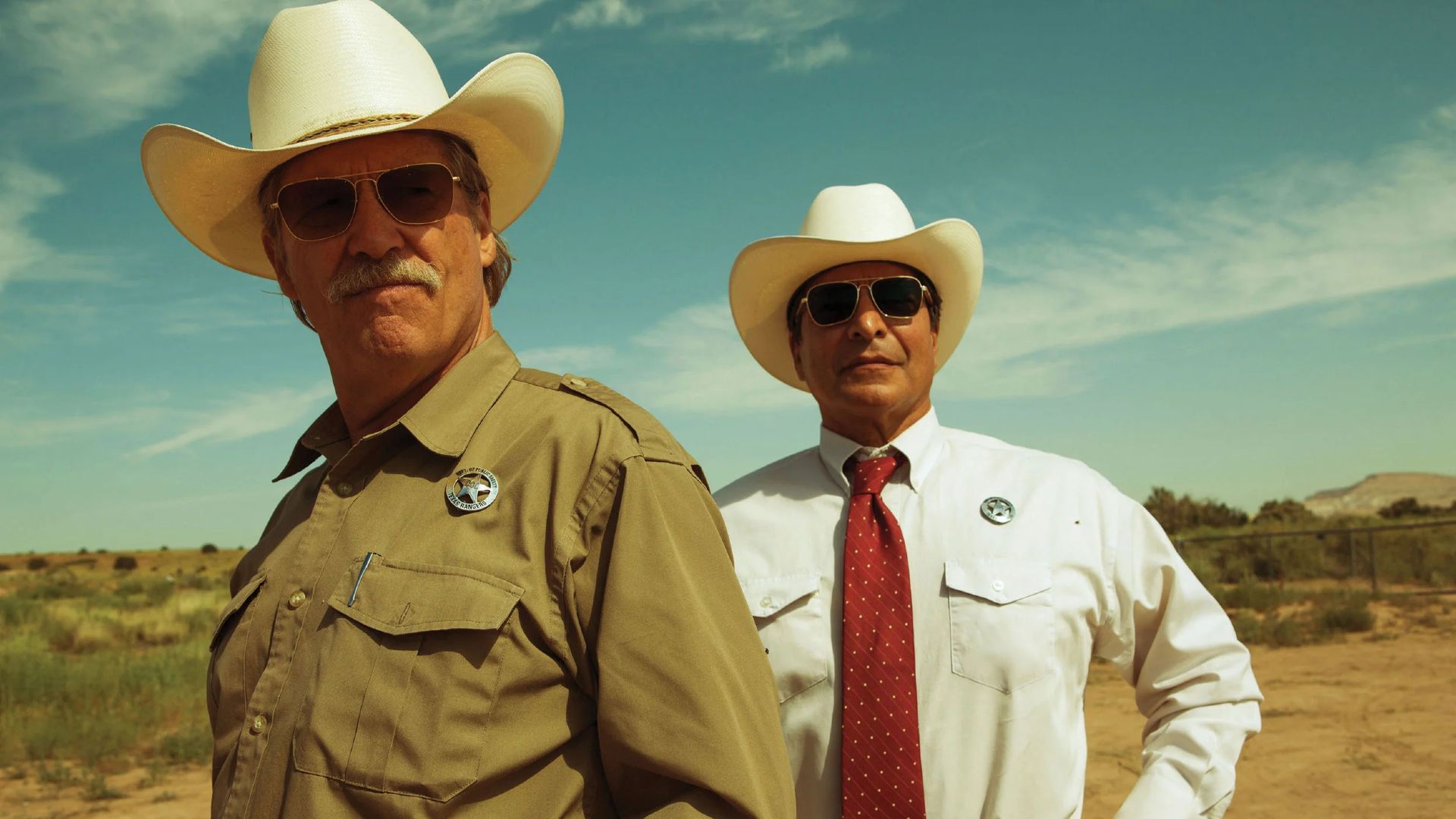
The Western is arguably the most iconic and enduring genre in American film. Appearing on screens in the early 1900s, its basic elements have stayed remarkably consistent for over a century, though it has gone through periods of great popularity and change. Interestingly, the Western has seen a revival in recent years, becoming popular again in the 21st century.
Early films often featured Westerns because they were popular and affordable to make. By the end of World War II, this led to what’s known as “The Golden Age of the Western.” Throughout the 1940s and 50s, Westerns were a dominant force in cinema, establishing the key themes we now associate with the genre. These themes typically revolved around ideas like the glorification of westward expansion, the brave cowboy hero, the pursuit of fairness, and stories of love and revenge.
When classic American Westerns lost their appeal, Spaghetti Westerns became popular in the 1960s. These films offered a more realistic and harsh portrayal of the American West, and were largely made by Italian filmmakers, often shot on location in Europe. While still using familiar Western themes and visuals, Spaghetti Westerns featured flawed characters instead of traditional heroes, moving away from the optimistic tone of earlier Westerns.
After a period of decline, Westerns regained popularity in the 1990s and evolved further in the 2000s. These newer films, often called “Neo-Westerns” or “Revisionist Westerns,” typically delve into themes like the impact of modern life, struggles with identity, and a decline in moral values. Unlike traditional Westerns that celebrated American expansion, these modern films use the familiar style and imagery of the genre to examine complex issues and challenge old ideas.
No Country for Old Men (2007)
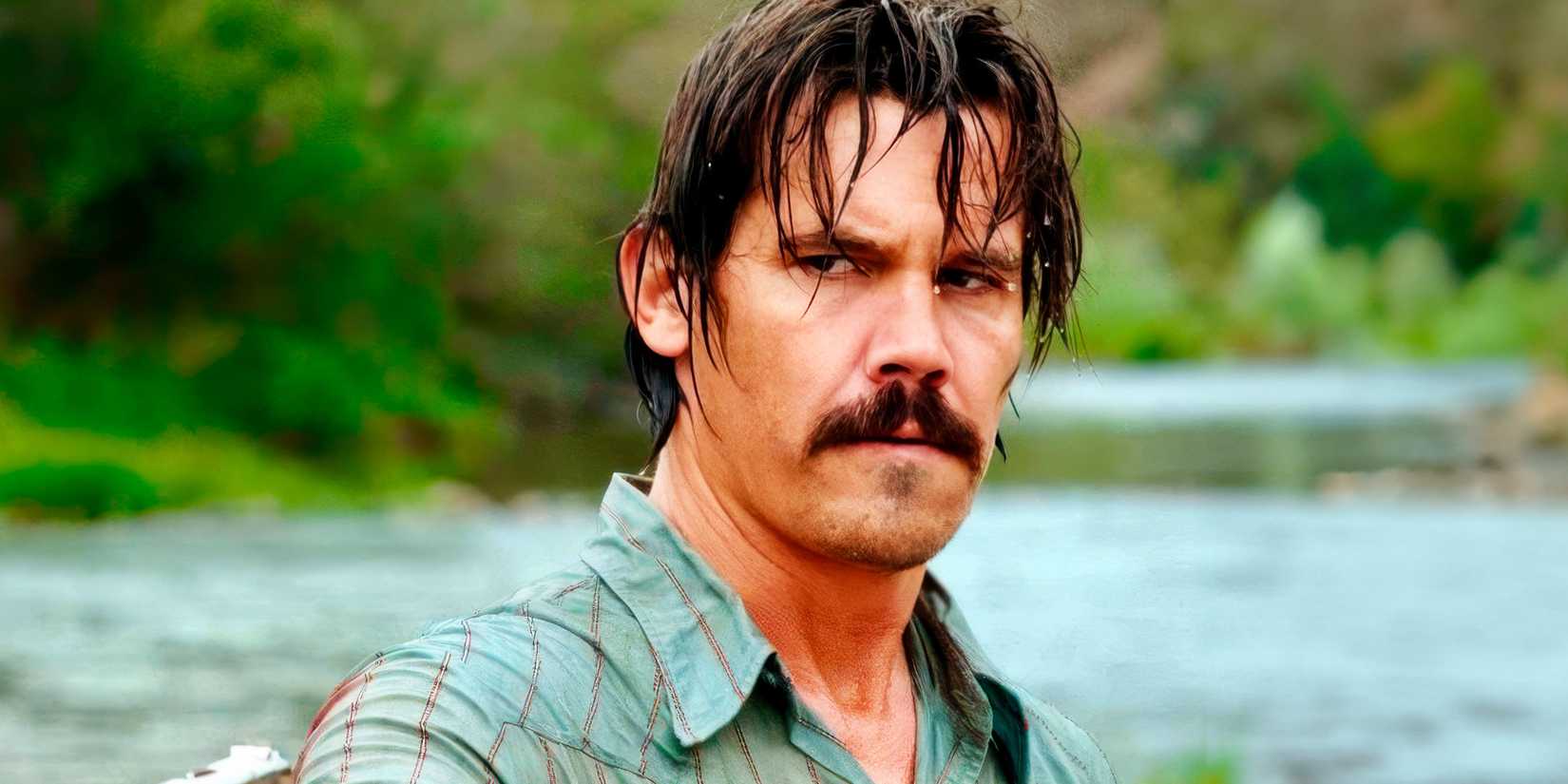
The Coen Brothers’ film, No Country for Old Men, presents a bleak view of morality and violence in today’s American West. The filmmakers draw on traditional Western themes to contrast this modern, hopeless landscape with the romanticized, virtuous West of the past.
The movie, adapted from Cormac McCarthy’s book, follows a hunter who finds money at a crime scene and is then pursued by a relentless killer. Sheriff Bell (Tommy Lee Jones), a lawman representing an older generation, struggles to understand and catch the criminal. He’s unable to grasp the motivations of these new, amoral characters who operate outside his traditional sense of right and wrong.
As a huge fan, I always say that No Country for Old Men really shook things up. If you were expecting a traditional Western, this movie wasn’t it! It completely changed the game and basically created a whole new style of Western film – the Neo-Western, as some call it. It’s no surprise it won Best Picture; it left a lasting impact on the genre.
There Will Be Blood (2007)
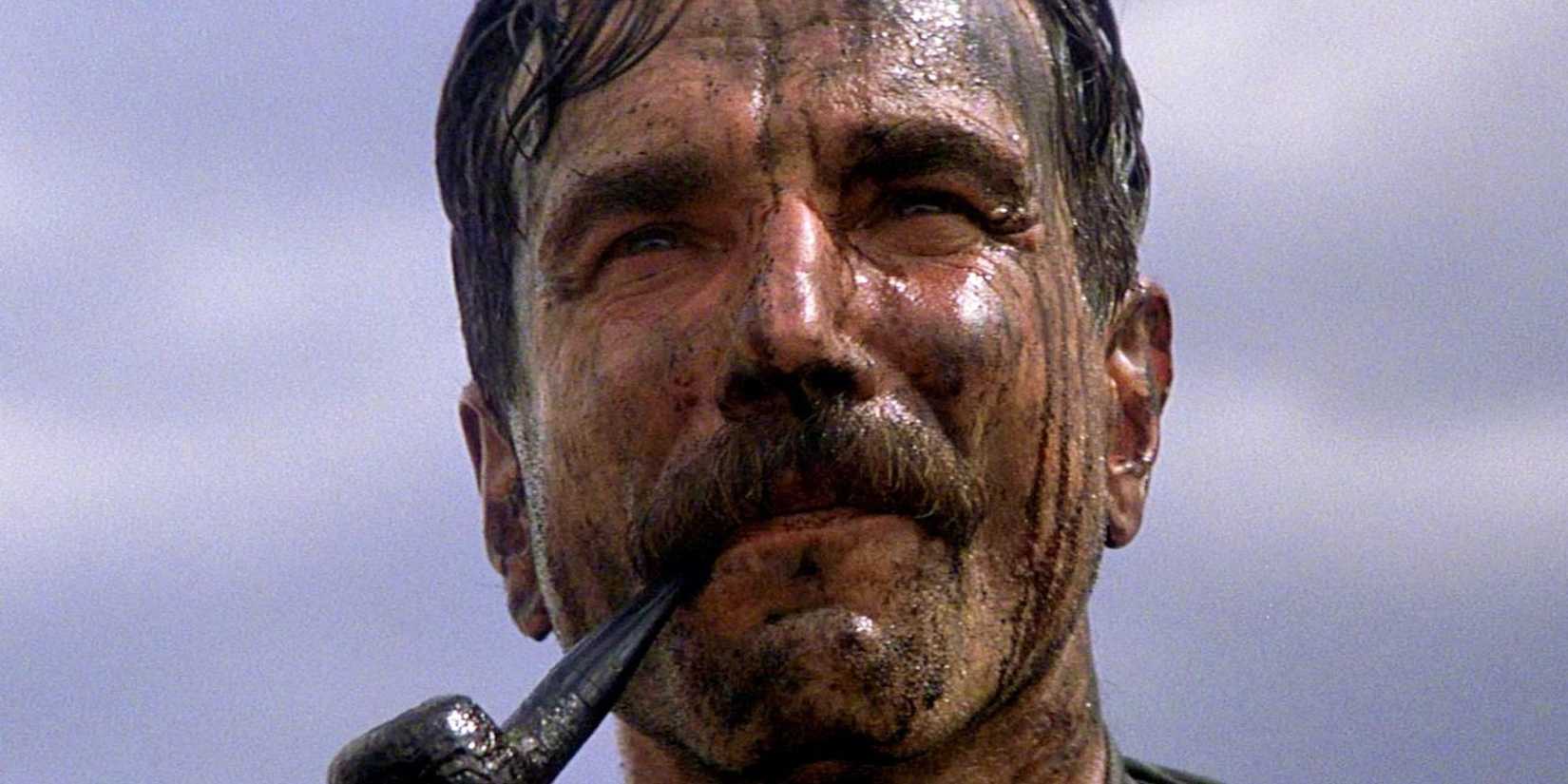
Paul Thomas Anderson’s film, There Will Be Blood, powerfully reveals the harsh and damaging side of the American West’s expansion. The movie centers on Daniel Plainview (Daniel Day-Lewis), a driven man whose relentless pursuit of success transforms him from a humble silver miner into a wealthy, yet deeply flawed, oil magnate.
As a film buff, I’m always struck by how There Will Be Blood visually echoes classic Westerns – the cinematography even won an Oscar! But it’s not just beautiful scenery. The film brilliantly flips that traditional imagery to show the destructive side of chasing wealth. There’s one shot in particular that gets me every time: Daniel Plainview completely covered in oil, and it feels like he’s literally bathed in the consequences of his ambition, like it’s the blood of everyone he’s stepped on to get ahead.
Despite losing the Best Picture Oscar to No Country for Old Men, The Guardian has declared the Anderson film the best movie of the 21st century.
True Grit (2010)
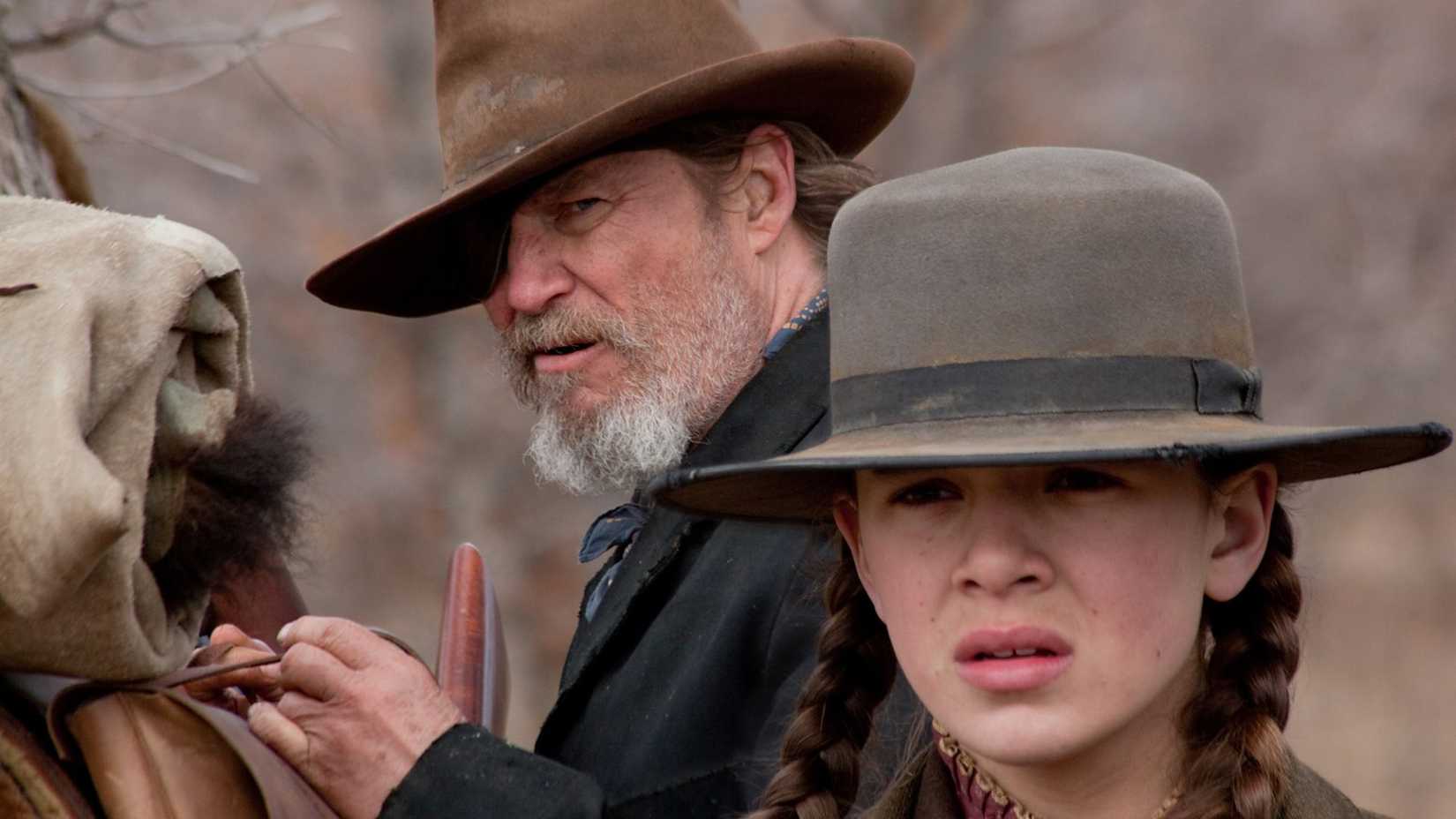
The Coen Brothers’ 2010 version of True Grit is remarkable because it’s actually better than the original 1969 film. Although John Wayne’s True Grit is a beloved classic, the Coens’ remake stays closer to the Charles Portis novel it’s based on. The story centers around a young girl named Mattie Ross who enlists the help of a tough U.S. Marshal, Reuben J. Cogburn, to find the man who murdered her father.
The 1969 film True Grit takes Portis’s complex and nuanced story and reshapes it to align with the more hopeful and traditional style of classic Westerns, focusing on Rooster Cogburn as the main character.
The Coen brothers’ 2010 film, True Grit, takes advantage of the more forgiving tone common in modern Westerns to deliver a more realistic and harsh portrayal of the story found in the original novel. The movie also refocuses the narrative on the character of Ross, played by Hailee Steinfeld, and highlights the book’s often-dark comedic elements.
Rango (2011)
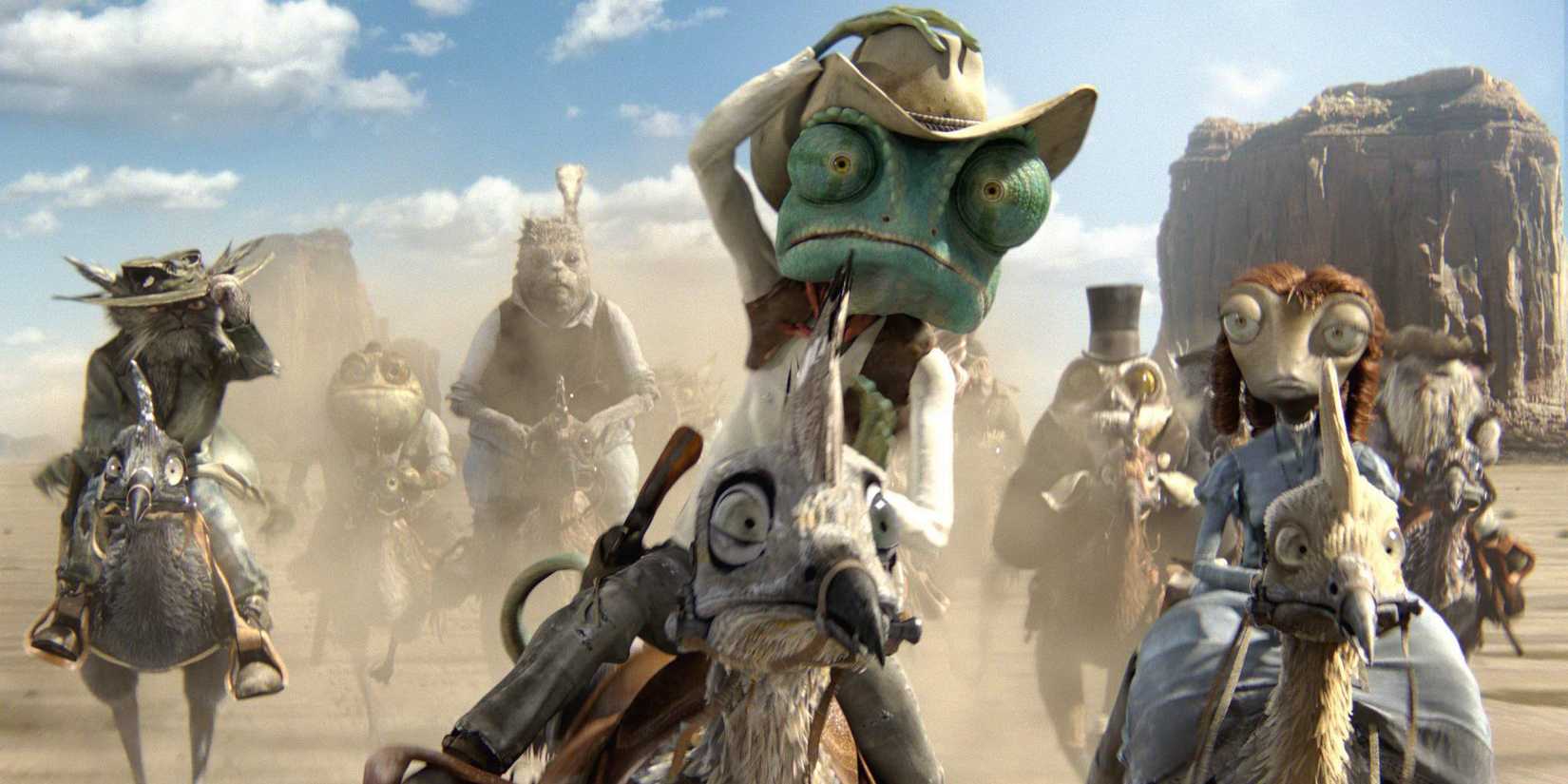
Rango stands out against a saturated genre as one of the most innovative Westerns of the modern era.
Following his success with the Pirates of the Caribbean films, director Gore Verbinski took on the animated project Rango. He brought in Industrial Light & Magic – the visual effects company behind Pirates – to handle the animation using motion capture technology. This marked the first fully animated feature film for both Verbinski and Industrial Light & Magic (according to The Hollywood Reporter).
The animated film Rango overcame a difficult production to create something truly original. The story follows Rango, a shy lizard voiced by Johnny Depp, who unexpectedly becomes the hero of a dusty Western town. Having lived a sheltered life, Rango discovers his courage and finds himself through the challenges he faces, embodying the adventurous spirit of the Old West.
The Hateful Eight (2015)
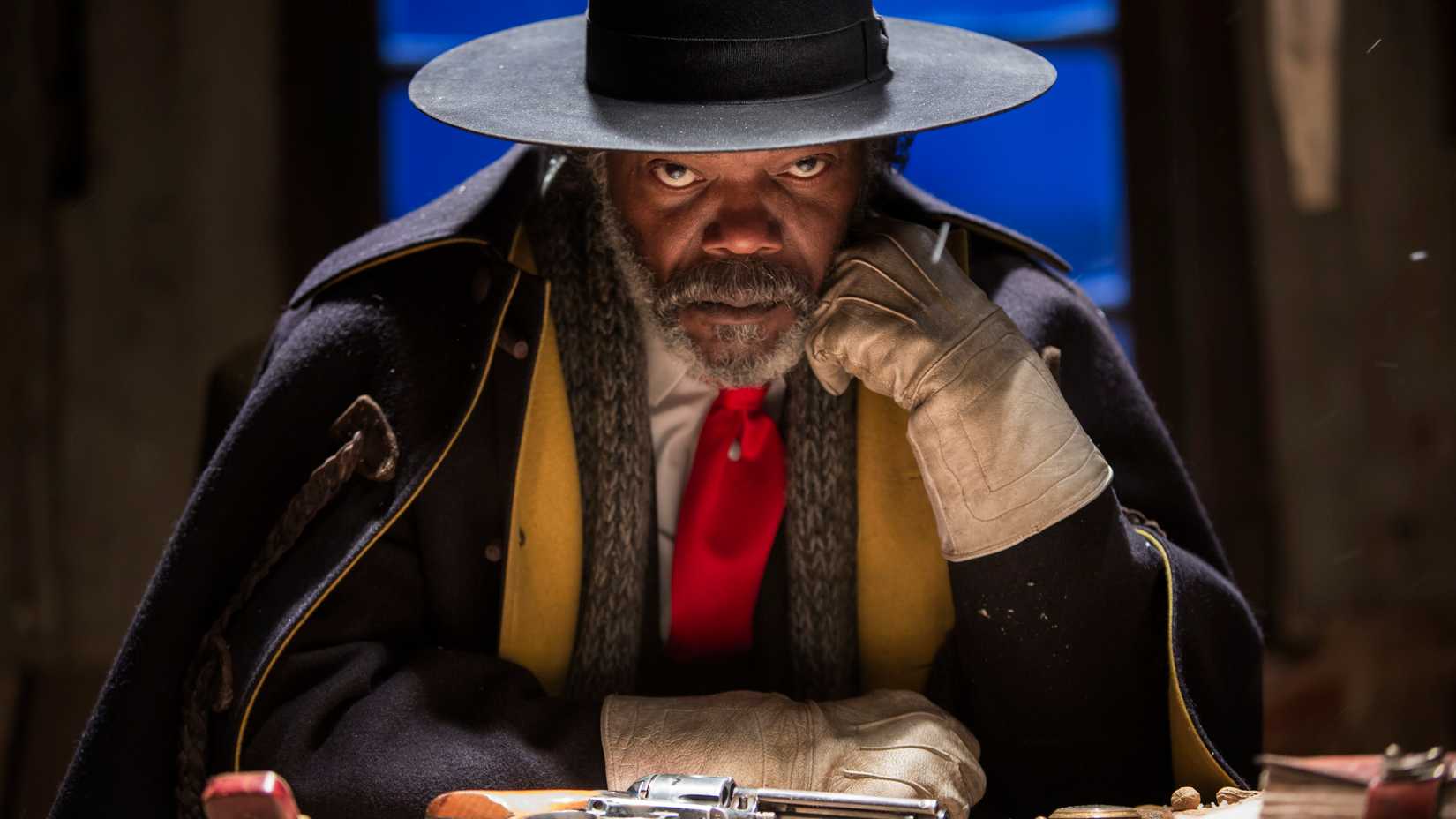
Quentin Tarantino’s The Hateful Eight is his second Western film, after 2012’s Django Unchained. Tarantino aimed to create a truly authentic feel of Westerns from the 1960s with this movie.
To capture the vast, snowy scenery of the Rocky Mountains and evoke the feel of classic American films, the director shot the movie on 1960s Ultra Panavision 70mm film (according to Collider). Quentin Tarantino also enlisted the renowned Ennio Morricone to compose the film’s score. Morricone, famous for his work on Spaghetti Westerns like Once Upon a Time in the West – Tarantino’s personal favorite – created a truly magnificent soundtrack.
The film The Hateful Eight actually begins by directly referencing the classic 1939 Western Stagecoach. Though it pays tribute to traditional Westerns, The Hateful Eight puts its own spin on the genre, featuring Tarantino’s trademark dark humor, rough language, and intense violence. Because of this, it’s often categorized as a Revisionist Western.
Hell or High Water (2016)
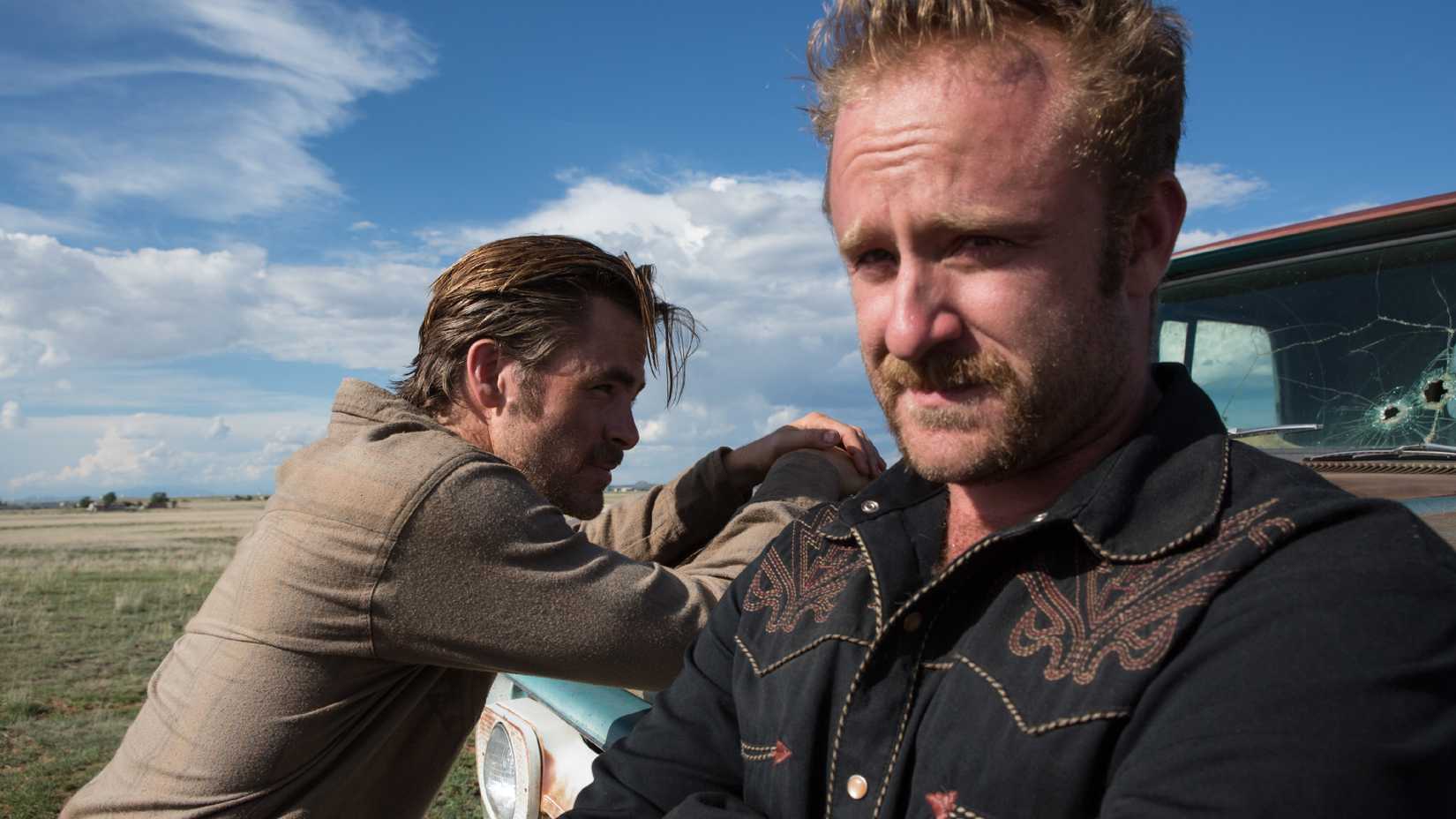
The film Hell or High Water explores how its characters are caught between the historical promise of American expansion and the realities of modern capitalism, creating a difficult and paradoxical situation.
Created by Taylor Sheridan (known for Yellowstone), this Western crime drama centers on two brothers trying to save their family ranch from being taken away by the bank. Feeling betrayed by the promise of the American Dream and believing the system is unfair, they resort to robbing banks as a last resort. But unlike typical Western outlaws, these brothers aren’t seen as villains – they’re portrayed as justified antiheroes fighting against a corrupt system.
Released in 2016 at the Cannes Film Festival, Hell or High Water quickly gained both popular and critical acclaim as a fresh take on the Neo-Western genre.
First Cow (2019)

Kelly Reichardt’s First Cow is a standout film in the emerging style of Revisionist Westerns. It thoughtfully links the hopeful beginnings of American westward expansion with the issues we face today.
Jon Raymond adapted his 2004 novel, The Half-Life, into a film script alongside director Kelly Reichardt (according to Time magazine). The film centers on two men traveling through the harsh landscape of the Pacific Northwest in the early 1800s, trying to make money by selling milk from a cow that actually belongs to a rich landowner.
The film First Cow explores who really owns natural resources, and this leads to a broader consideration of how land itself has become something to be bought and sold.
Kelly Reichardt’s film offers a different approach than many modern Westerns like There Will Be Blood, which tend to be full of action and bleakness. Instead, her film combines social commentary with beautiful visuals, a calming soundtrack, and a hopeful view of human nature.
The Power of the Dog (2021)

Okay, so I just finished watching The Power of the Dog, and wow. It’s not your typical Western – it’s more of a psychological thriller set in that world. What really struck me is how it digs into the whole idea of ‘tough guy’ masculinity you often see in Westerns, but instead of glorifying it, it shows how damaging and stifling it can be for the men living within that code. Jane Campion, the director, really uses the classic cowboy image to unpack the pressures of being a man and how that can be incredibly suffocating.
Set on a Montana ranch in the 1920s, the film The Power of the Dog doesn’t have a typical villain. Instead, the story focuses on two brothers struggling with the complicated and often unattainable idea of what it means to be a man – a concept that both limits and eludes them.
The damaging concept of traditional masculinity is shown in stark contrast to beautiful images of nature, highlighting the freedom and adaptability found in the natural world.
The Harder They Fall (2021)
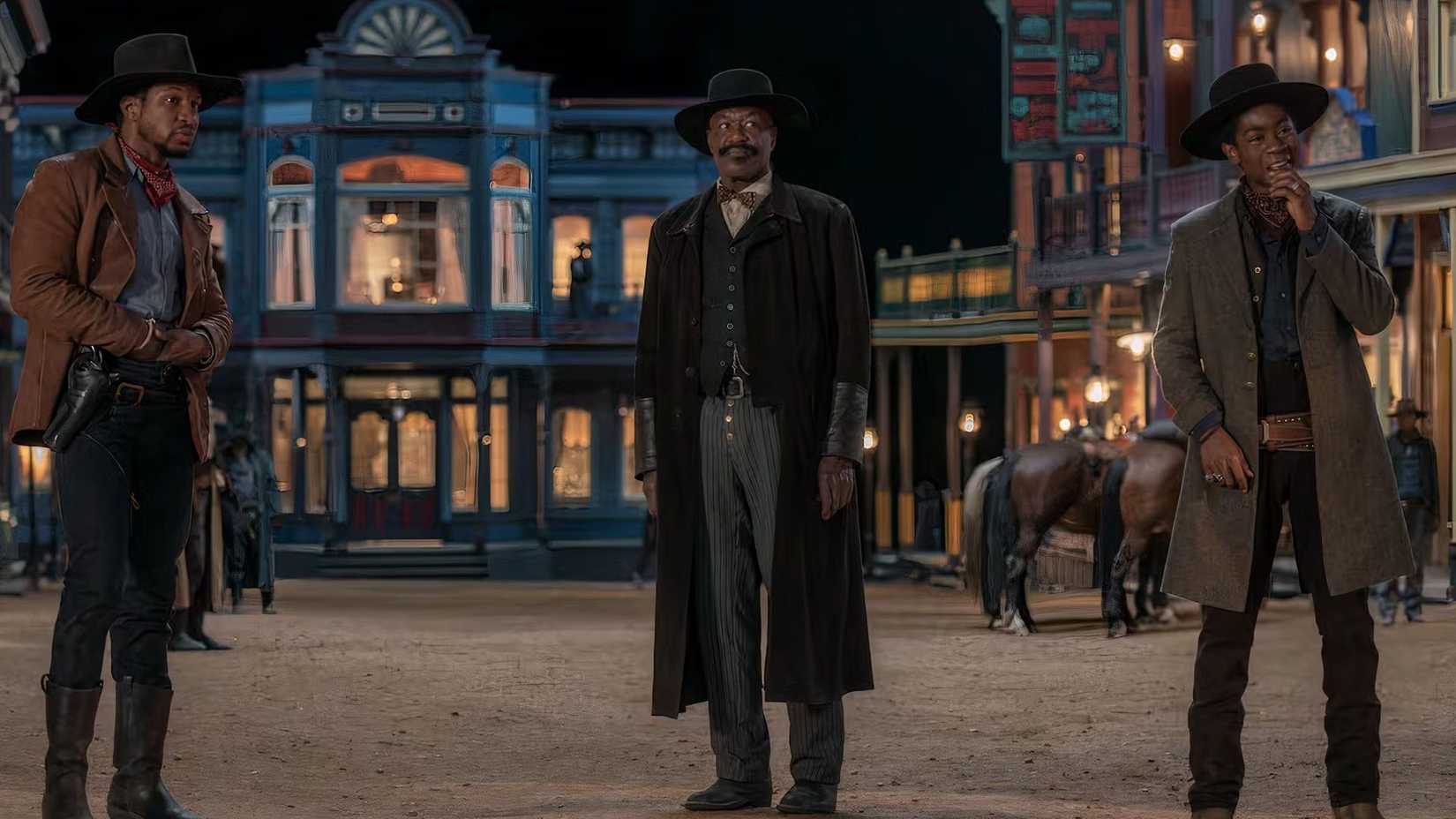
The movie The Harder They Fall reimagines the Western genre, which has traditionally excluded Black stories. It features fictionalized versions of real historical figures who were often left out of these types of films. The movie begins with a powerful message: these people were real and lived full lives.
Jeymes Samuel’s film, The Harder They Fall, is a traditional Western, not a modern take on the genre. It tells the story of Nat Love (Jonathan Majors), an outlaw seeking revenge on his enemy, Rufus Buck (Idris Elba), and his crew. The movie embraces all the classic Western tropes, even featuring villains who literally wear black hats.
While The Harder They Fall doesn’t stray from typical Western themes, its filmmaking is remarkably fresh. Produced by Jay-Z, the movie uses striking visuals, fast editing, and a modern soundtrack that feels like a music video. Many consider this overlooked Netflix film to be among the best Westerns made recently.
Read More
- Южуралзолото ГК акции прогноз. Цена акций UGLD
- Прогноз криптовалюты ATOM: прогнозы цены ATOM
- Marvel Officially Returning To San Diego Comic-Con After Shocking 2025 Absence
- 3 Spider-Man Movies Rule Streaming Charts Ahead of Brand New Day Release
- Whalefall Trailer: Epic Battle Inside A Sperm Whale Unfolds
- Avengers: Doomsday’s New Trailer Reveals The Doctor Doom Fight That Could Kill A Major MCU Hero
- The Mandalorian Season 4 Plot Revealed
- The Odyssey Footage Reveals Charlize Theron’s Role & It’s Not What You Think
- 10 Greatest Turn-Based RPGs of the Last 30 Years
- Elle Fanning’s Margo’s Got Money Troubles Is a Streaming Hit on Apple TV
2026-04-26 16:53