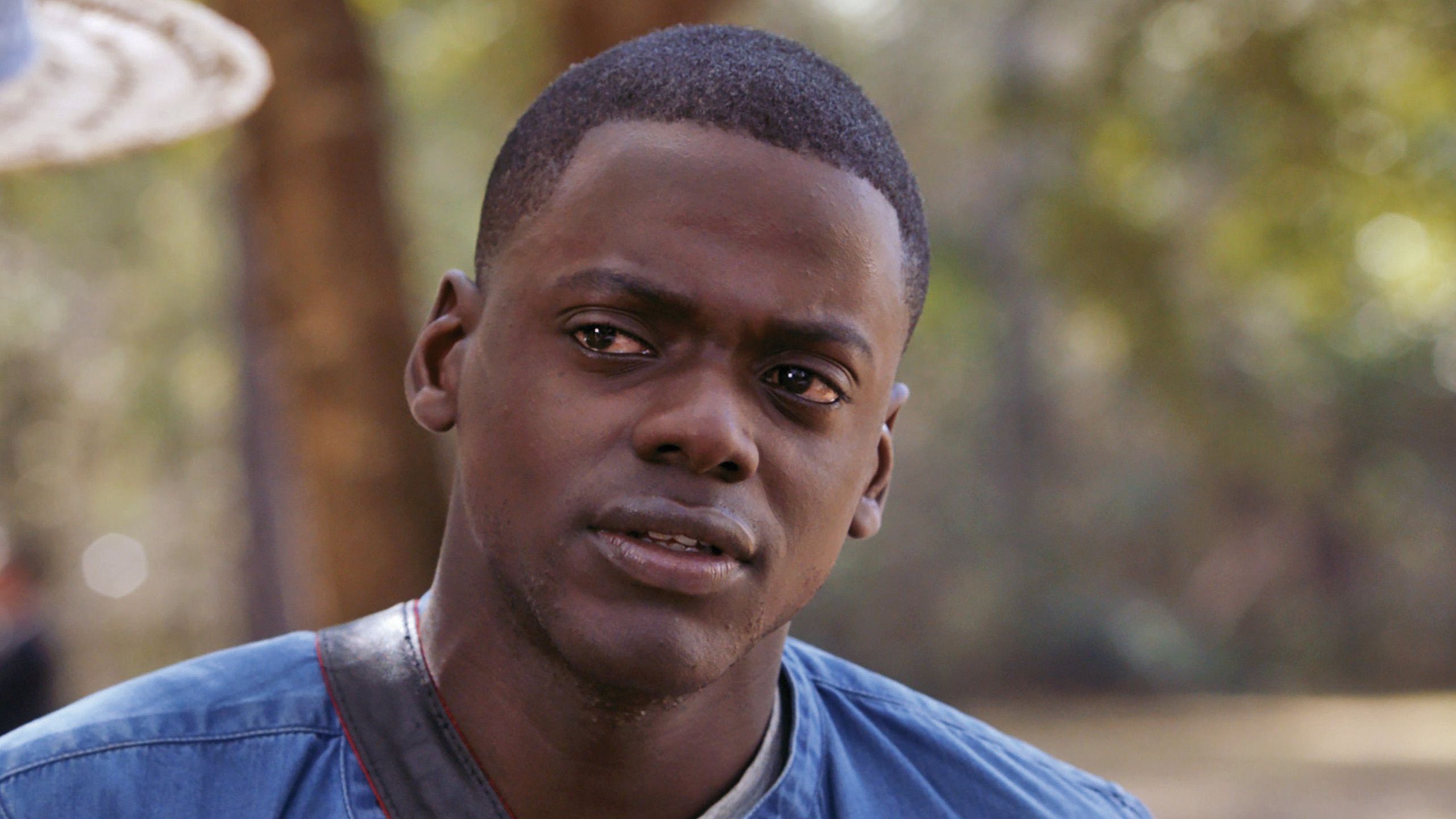
Horror movies aren’t always about excessive gore; some of the most effective ones focus on psychological thrills. While scary visuals have their place, it’s often more unsettling to see a character’s life gradually unravel with no clear way out. These films are particularly powerful because they present situations that feel realistically possible.
A24 is a film studio known for making horror movies that stand out. They’ve become experts at creating psychological horror, giving the genre a sense of importance it hasn’t had in a while. But this approach isn’t entirely new – A24’s films tap into classic horror themes like dread, paranoia, and grief, focusing on deeper fears instead of relying on cheap jump scares.
The most effective psychological horror movies from the past two decades don’t just briefly scare audiences. They leave a lasting impact, causing viewers to feel genuinely uneasy long after the credits roll – checking locks, turning on lights, and even questioning the people around them. It’s this deep sense of paranoia and fear that makes these films truly unforgettable and haunting.
Vivarium (2019)
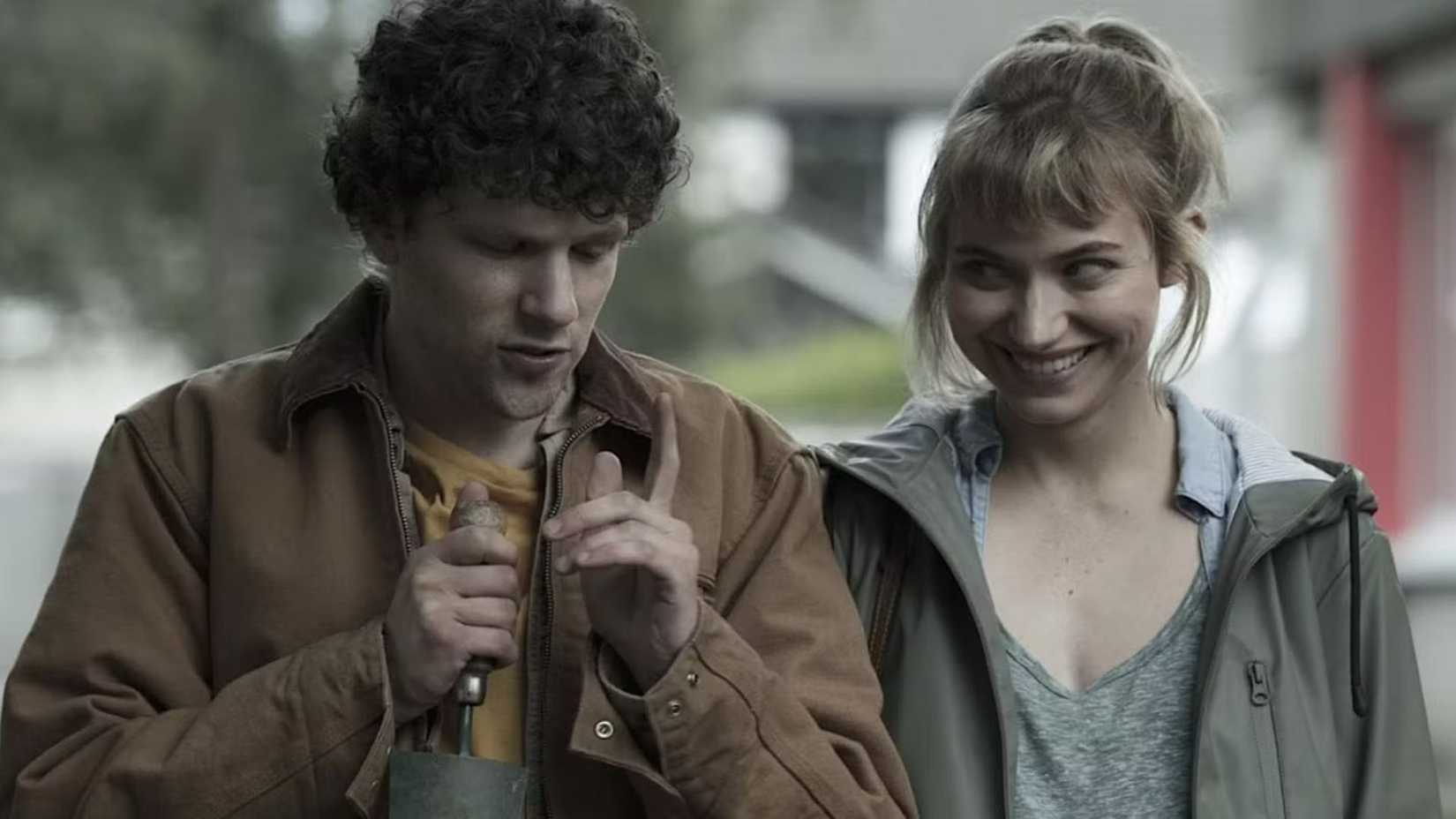
The movie Vivarium centers on a young couple, Gemma and Tom, who get stuck in a strange, identical-looking suburban neighborhood. After being left there by a real estate agent, they repeatedly try to escape, but always end up back at the same house. Their situation takes a bizarre turn when a baby is left with them, and they’re told they must raise the child if they ever want to leave. The baby grows at an incredibly fast rate – aging nearly ten years in just a few months – and things quickly spiral out of control.
Lorcan Finnegan’s film features strong performances from Jesse Eisenberg and Imogen Poots as their relationship falls apart, and they desperately try to escape their difficult situation. The movie uses a chilling story to explore the loss of self through the challenges of parenthood and the emptiness of suburban life. With a particularly unsettling performance from young Éanna Hardwicke, the film is one that stays with you long after the credits roll.
Annihilation (2018)
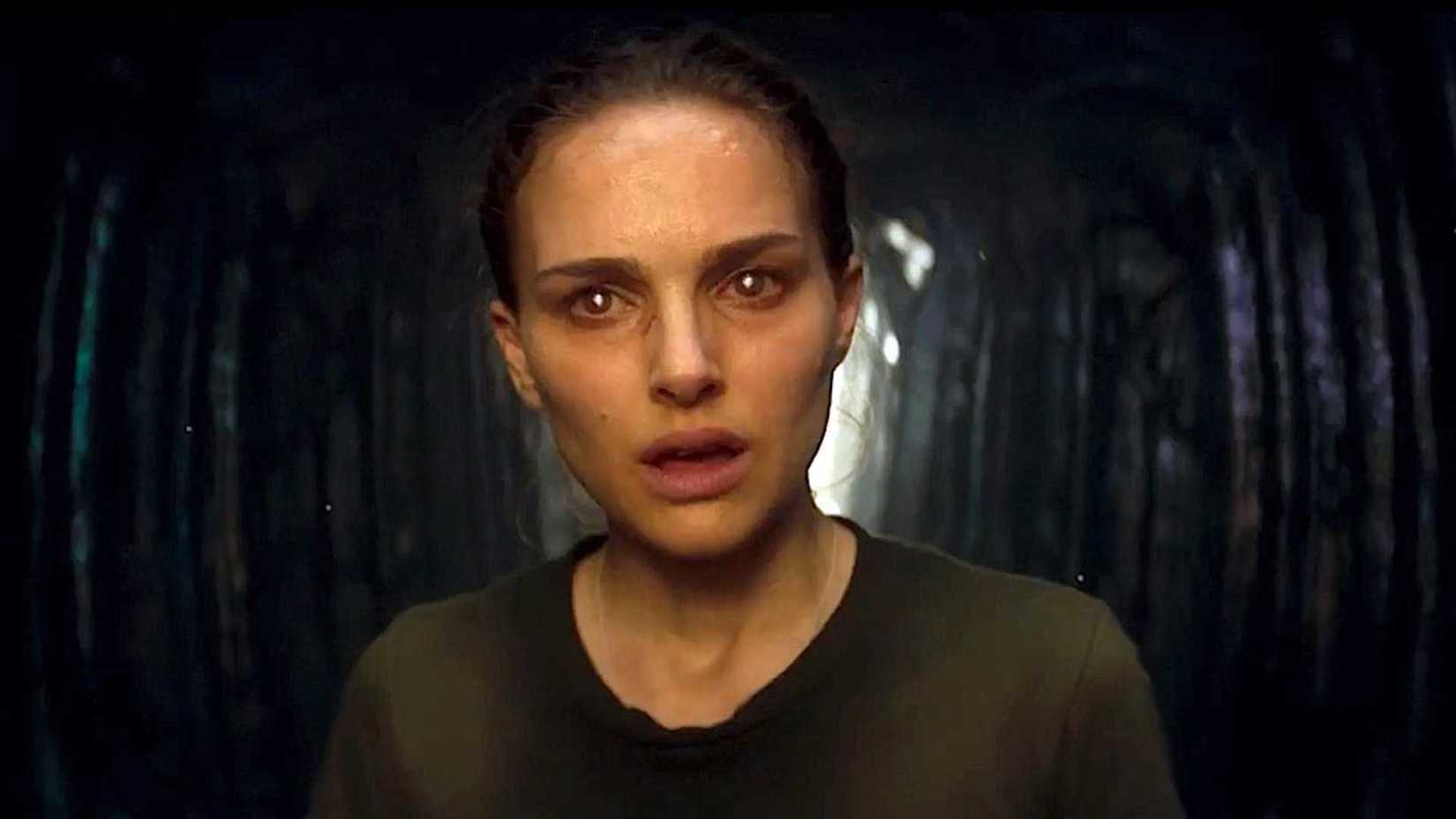
The sci-fi horror film Annihilation isn’t scary because of aliens or monsters, but because of the unsettling mystery at its core. Directed and written by Alex Garland, the movie centers on a team of female scientists and soldiers sent to investigate the Shimmer, a strange, growing area that has consumed the landscape. A previous team disappeared within it. Natalie Portman stars alongside Jennifer Jason Leigh, Tessa Thompson, Gina Rodriguez, and Tuva Novotny in this captivating story.
The movie is critically acclaimed, with an 88% rating on Rotten Tomatoes. Its unsettling ending is a direct result of the producer, Scott Rudin, insisting on the director’s original vision. The film excels as psychological horror by cleverly using themes of self-destruction, grief, and depression. Rather than explaining the mysterious ‘Shimmer,’ the movie focuses on its impact on the main character, Lena (played by Portman), and how it ultimately overwhelms her.
The Lighthouse (2019)
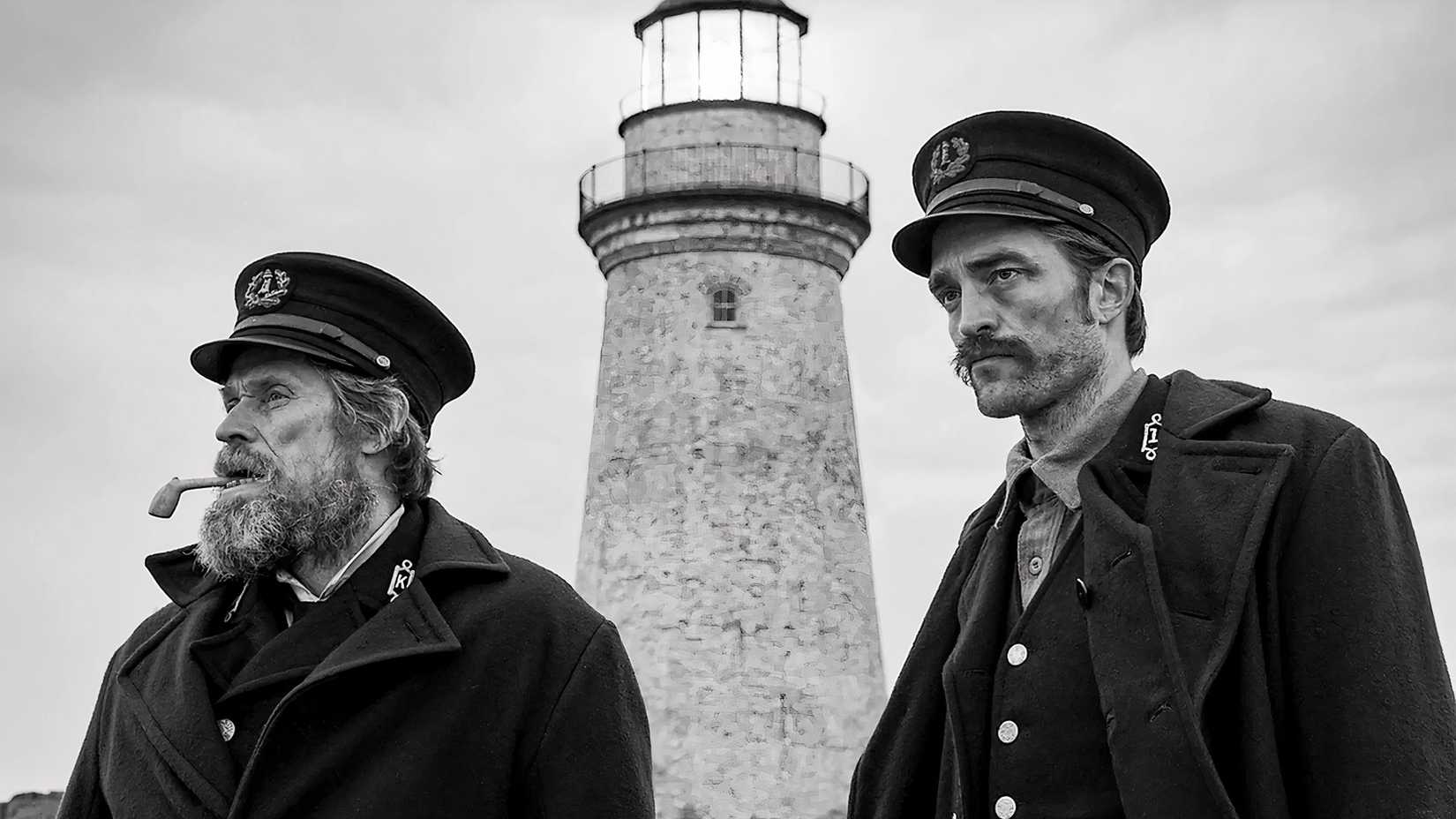
Robert Eggers is a highly acclaimed independent filmmaker, and his A24 horror film, The Lighthouse, stands out as a truly unique cinematic experience of the 21st century. The movie centers on two lighthouse keepers—the experienced Thomas Wake (Willem Dafoe) and a new recruit named Ephraim Winslow (Robert Pattinson)—who are stationed on a secluded New England island. As tensions rise between them, Ephraim starts to lose his grip on reality and question his own perceptions.
Eggers made a bold choice by filming and releasing his movie in black and white, but it paid off. It’s now a beloved cult classic, boasting a 90% rating on Rotten Tomatoes and gaining popularity over time. The film’s success as a psychological horror stems from its ambiguity – it never confirms whether the frightening events are real or imagined. Heavily inspired by H.P. Lovecraft, the movie focuses on overwhelming the senses, leaving the audience feeling confused and disoriented.
Black Swan (2010)
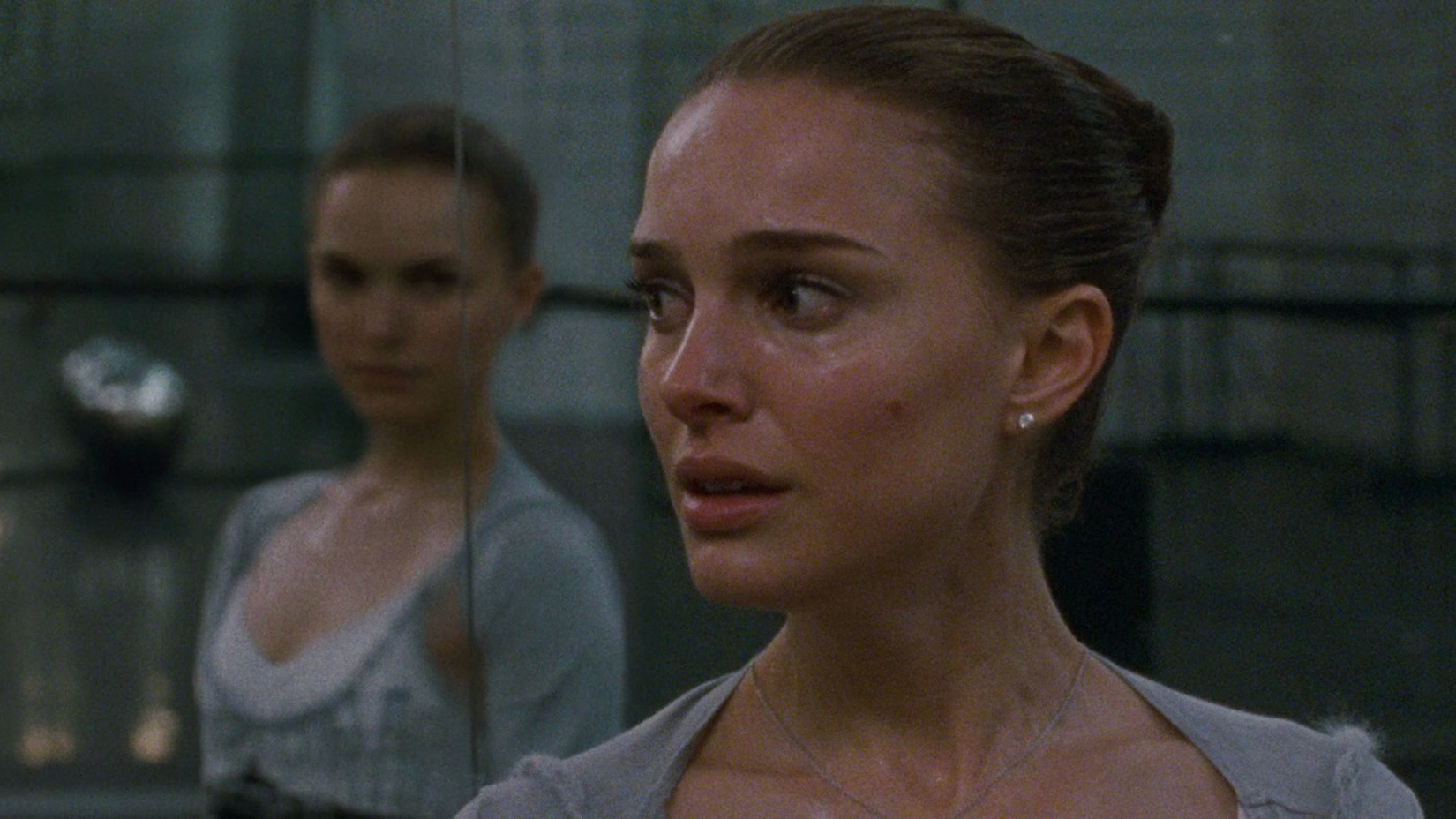
Darren Aronofsky’s horror film, Black Swan, stars Natalie Portman as Nina, a ballerina who earns the lead role in a production of Swan Lake. As she dedicates herself to preparing for the performance, she starts to lose touch with reality while trying to portray both the innocent White Swan and the dangerous Black Swan. The arrival of a rival dancer, Mila Kunis, ultimately pushes Nina to her breaking point.
With an 85% rating on Rotten Tomatoes and five Academy Award nominations – including Best Picture and Best Director – Black Swan was a critical success. Natalie Portman won the Best Actress Oscar for her performance. The film is a psychological horror that draws inspiration from classics like Repulsion and The Tenant, blurring the line between reality and Nina’s perceptions. Portman has noted similarities between Black Swan and Rosemary’s Baby (according to Bloody Disgusting), both of which explore the extreme pressures faced by women.
It Follows (2014)
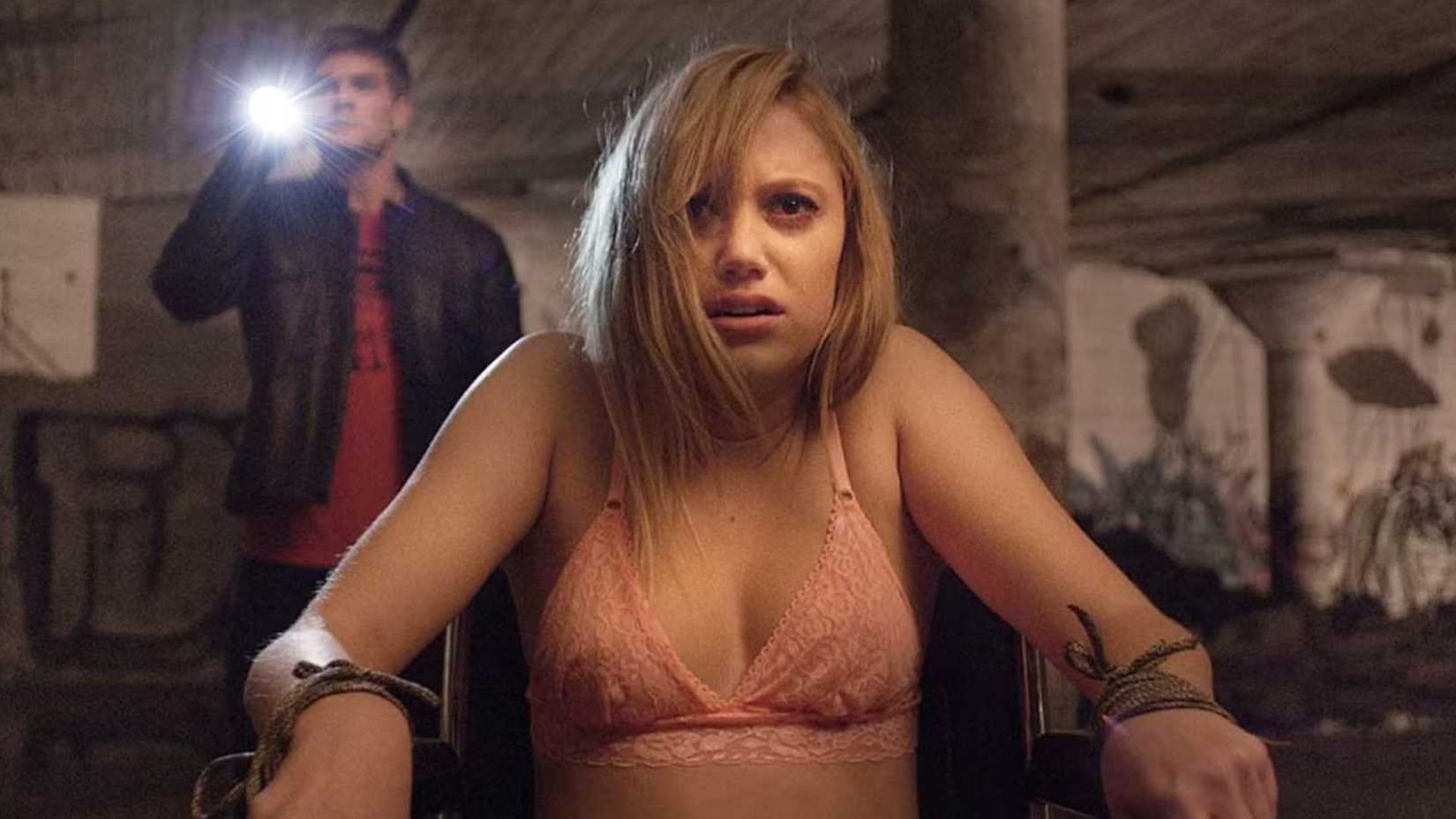
The 2014 horror film It Follows, starring Maika Monroe, is a truly frightening story. It centers on Jay, who after a casual encounter, finds herself haunted by a mysterious, slow-moving being that only she can see. She discovers the only way to escape this terrifying curse is to pass it on to someone else. Praised by critics with a 95% score on Rotten Tomatoes, the movie offers a unique take on the common horror theme of sexual activity and its consequences.
The movie creates a gripping and unsettling experience as Jay battles with the difficult choices she faces to survive. It effectively captures the fear of being watched and the constant feeling that something terrible is about to happen. Beyond that, the film serves as a powerful metaphor for the complexities of young people’s sexual lives and the anxieties surrounding sexually transmitted infections. Themes of death, worry, and past trauma further enhance the movie’s strong psychological horror.
Midsommar (2019)
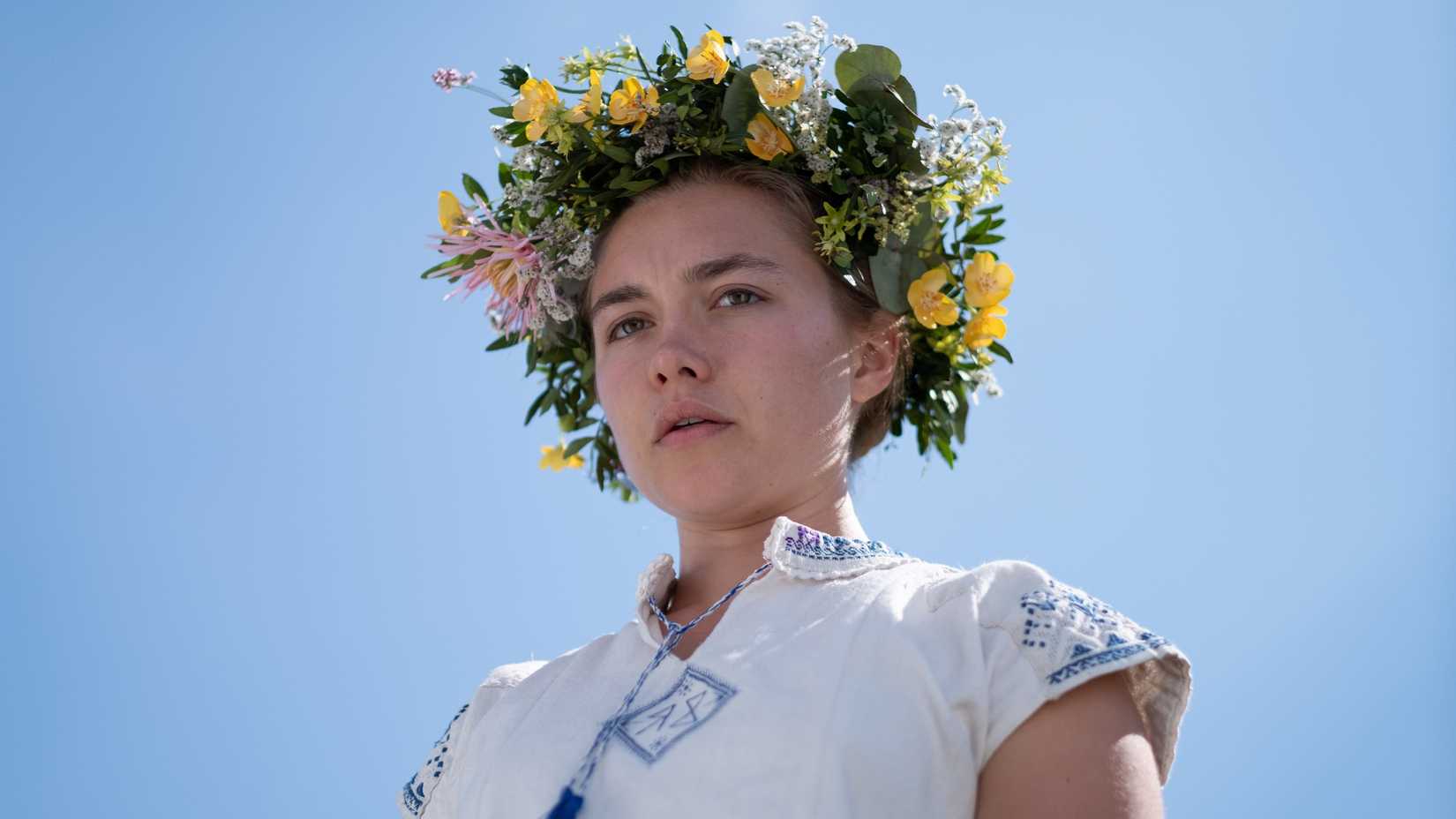
The 2019 film Midsommar, starring Florence Pugh as Dani, is a psychological horror story about grief and survival. After experiencing a devastating family tragedy – the murder of her parents and her sister’s suicide – Dani joins her boyfriend and his friends on a trip to a remote Swedish village for a midsummer festival. What starts as a vacation quickly turns terrifying when they become the target of a violent pagan cult, forcing Dani to fight for her life and choose a side.
Ari Aster directed the film with a modest budget of $9 million, but it became a significant success, earning $48 million and receiving numerous award nominations. Midsommar is deeply unsettling because the story unfolds entirely in broad daylight, set against a picturesque rural backdrop. The contrast of violence happening in such a bright, beautiful setting makes the deaths feel even more inescapable and horrifying.
The Babadook (2014)
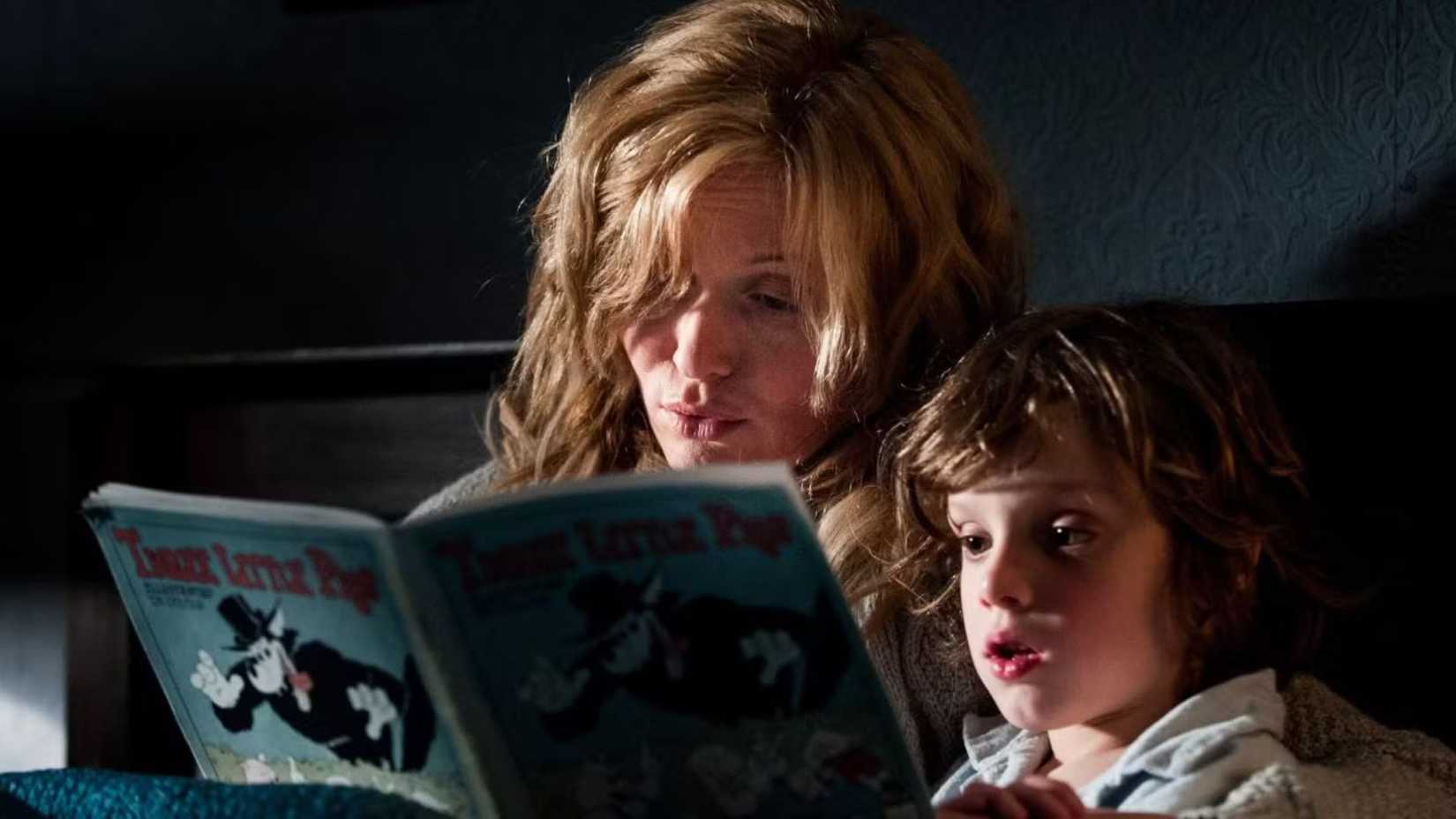
Jennifer Kent’s debut film, The Babadook, is an Australian horror movie about Amelia, a grieving widow, and her troubled son, Samuel. After reading a creepy pop-up book about a monster called the Babadook, their lives begin to unravel as they suspect the creature is real and haunting them.
This psychological horror film builds tension as Amelia struggles with her grip on reality, fluctuating between furious outbursts and complete emotional breakdowns. Noah Wiseman’s performance as Samuel was also highly acclaimed. With a 98% rating on Rotten Tomatoes, the movie creates fear through atmosphere and suspense, rather than relying on cheap jump scares. The Babadook is a powerful symbol of hidden grief and depression, suggesting that these feelings can’t be eliminated, only understood and managed to restore a sense of control.
The Witch (2015)
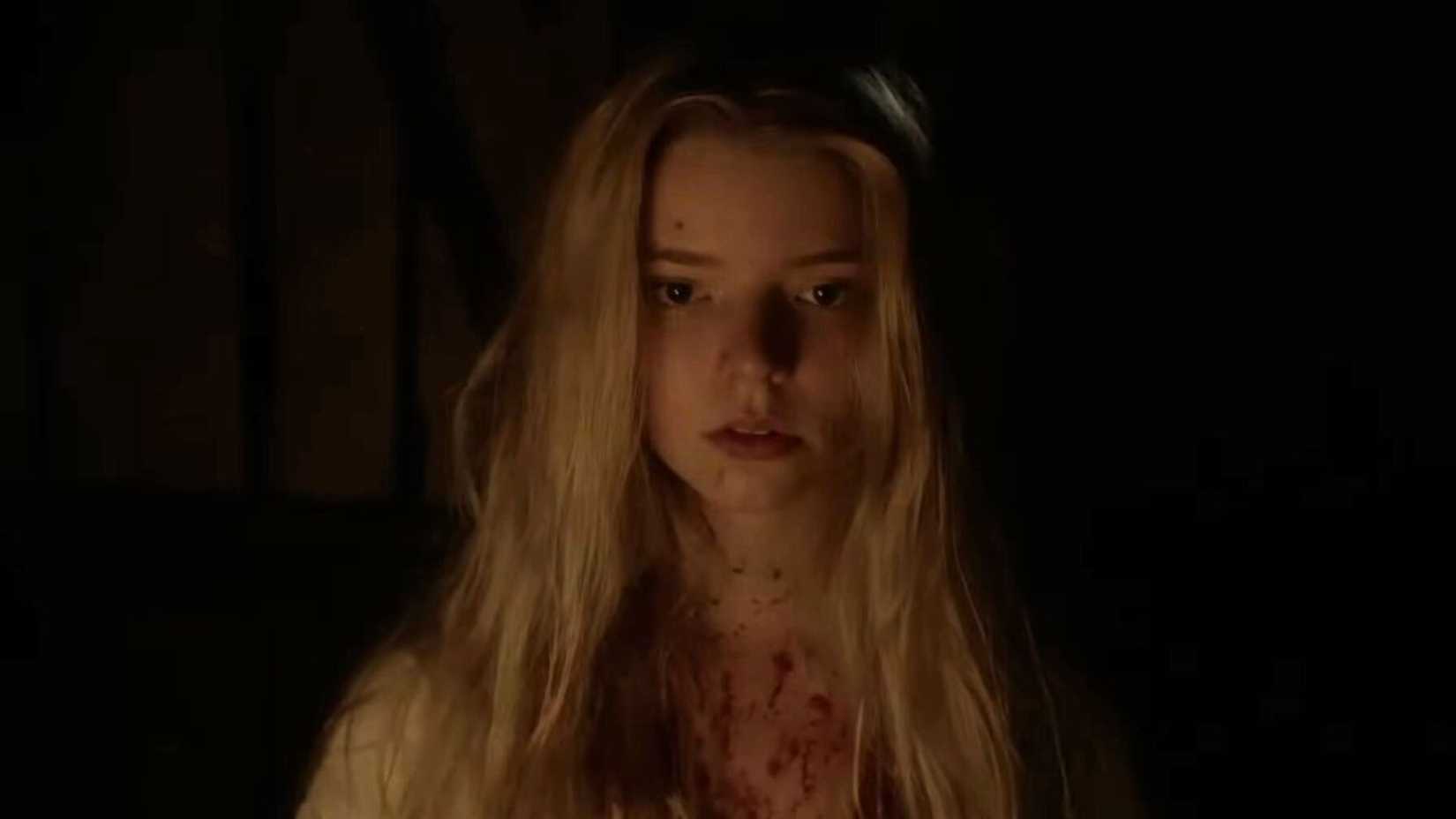
Robert Eggers’ first film, The Witch, came out in 2015 and feels like an old New England story. It centers on a deeply religious Puritan family who are forced off their land in the 1630s. Strange and frightening things begin to happen near their new home, and they start to suspect their daughter, Thomasin (played by Anya Taylor-Joy), might be involved in witchcraft. When Thomasin discovers a talking goat in her barn, she embarks on a terrifying journey to discover what’s truly happening.
The film creates a chilling atmosphere without ever confirming whether witchcraft is actually happening. Instead, it suggests that Thomasin’s experiences might be fueled by her family’s extreme religious beliefs and the emotional abuse she endures. Director Robert Eggers enhances this unsettling feeling by filming almost entirely with natural light and candlelight, contributing to a pervasive sense of dread.
Get Out (2017)
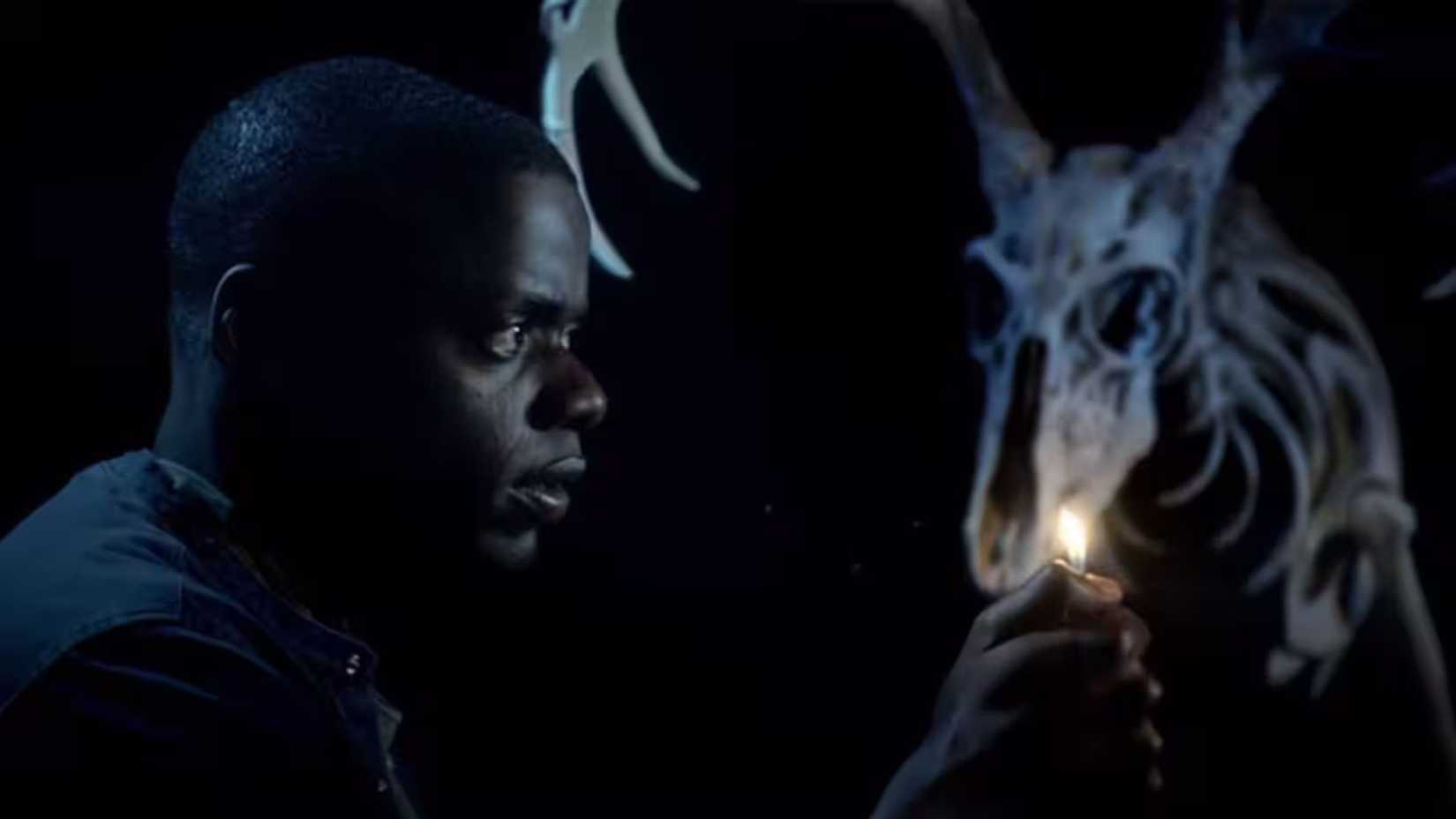
Jordan Peele established himself as a leading new director with his 2017 film, Get Out. The movie stars Daniel Kaluuya as Chris Washington, a young Black man who goes to meet his white girlfriend Rose’s (Allison Williams) family. He quickly discovers that beneath their friendly exterior, they have sinister intentions, and he isn’t the first person to fall into their trap.
The film received four Academy Award nominations, including Best Picture – a remarkable achievement for a horror movie. It was also a huge commercial success, earning $255 million despite only costing $4.5 million to make. What makes the horror truly unsettling is its exploration of how well-intentioned, progressive white people can still perpetuate harm and marginalize Black voices, even while claiming to be allies.
Hereditary (2018)
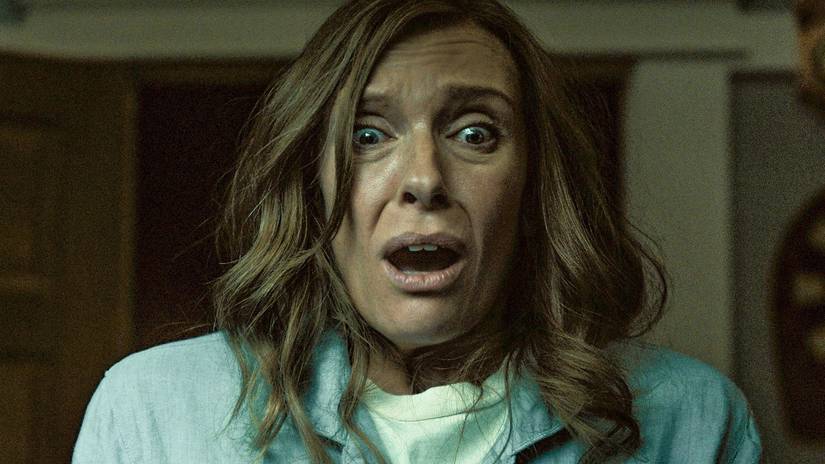
Ari Aster’s first feature film, Hereditary, came out in 2018 and quickly became known as one of the most effective psychological horror movies in recent years. While it includes some frightening and even shocking moments, it’s the film’s unsettling psychological elements that truly stay with viewers. The story centers on Annie, played by Toni Collette, and the terrifying consequences her family faces after the death of her mother.
Hereditary is a deeply unsettling horror film filled with shocking deaths and a family falling apart. It uses supernatural elements to explore themes of trauma, grief, and how these painful experiences can affect future generations. For those seeking truly disturbing psychological horror, Hereditary is among the most impactful examples.
Read More
- Прогноз криптовалюты ATOM: прогнозы цены ATOM
- Marvel Officially Returning To San Diego Comic-Con After Shocking 2025 Absence
- Whalefall Trailer: Epic Battle Inside A Sperm Whale Unfolds
- The Mandalorian Season 4 Plot Revealed
- Invincible Season 4 Finale Trailer Teases Where Thragg & Viltrumites Went
- Avengers: Doomsday’s New Trailer Reveals The Doctor Doom Fight That Could Kill A Major MCU Hero
- 10 Greatest Turn-Based RPGs of the Last 30 Years
- The Odyssey Footage Reveals Charlize Theron’s Role & It’s Not What You Think
- This Returning Sonic 4 Character Is Great News For The Upcoming Spinoff
- 2 Major MCU Changes for Marvel’s Reboot & Next Saga Reported
2026-04-26 23:51