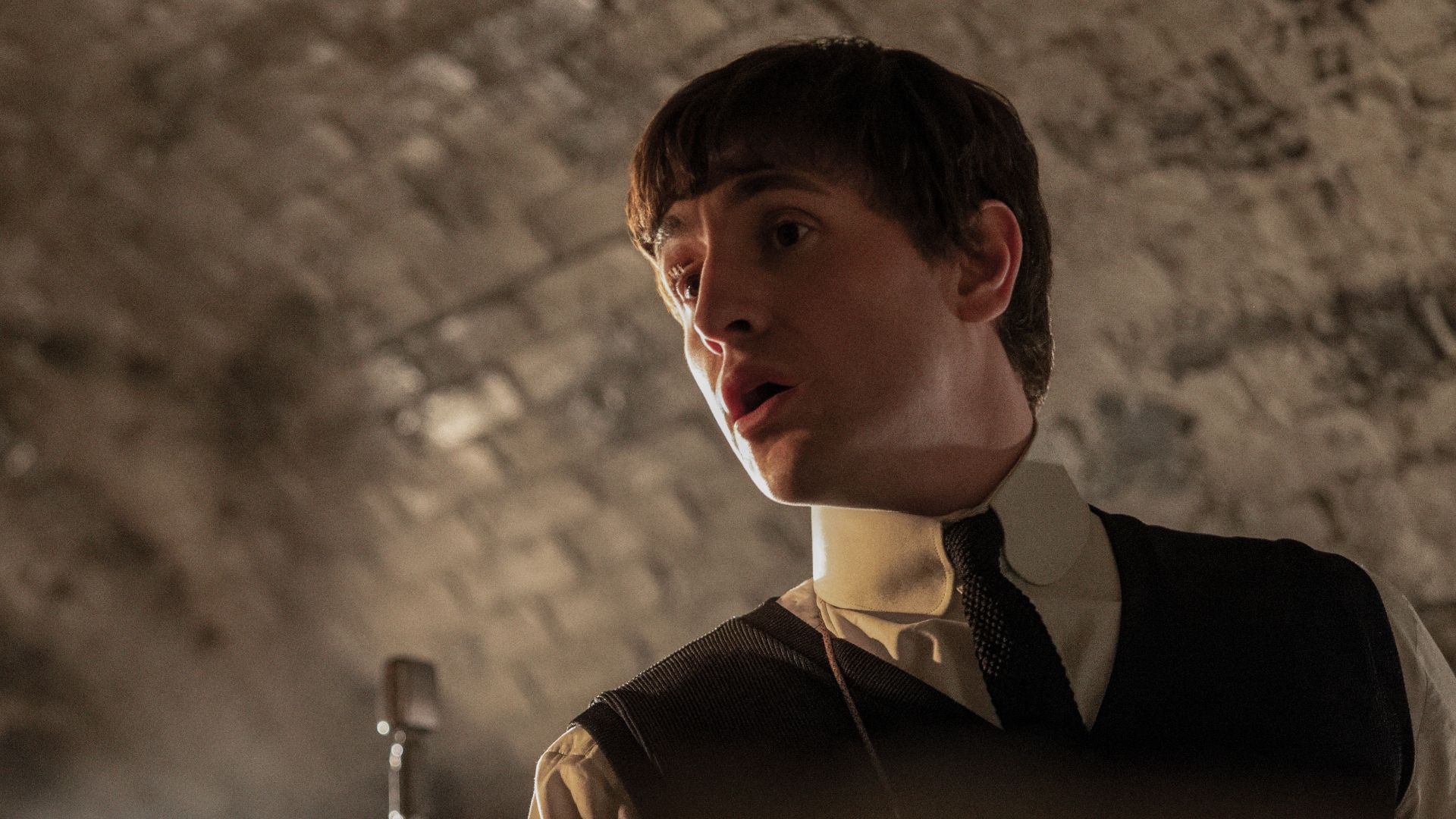
Music biopics used to be special, limited releases timed for award consideration. Now, they’re major movie franchises. Thanks to the popularity of films like Bohemian Rhapsody and Elvis, and the huge success of Michael, Hollywood has discovered that people love seeing the stories of their favorite musicians on the big screen – as long as those films are made on a large scale. However, even with strong box office numbers, this formula is starting to feel a little predictable.
Today’s moviegoers are tired of music biopics that just list an artist’s accomplishments. They want to see the struggles, complexities, and personal side of the story – something beyond the surface. Simply casting a well-known actor and recreating famous performances isn’t enough anymore; audiences expect a deeper, more revealing portrayal. The expectations for these films have definitely evolved.
This new approach presents a real challenge for director and his ambitious project, The Beatles – A Four-Film Cinematic Event. He isn’t creating a single Beatles movie, but four separate films, each focusing on a different member of the band. These films are all planned for release in April 2028. On the surface, it seems like a guaranteed success – The Beatles are arguably the most legendary band in music, and the sheer scope of the project will draw global interest.
However, there’s a significant challenge for this project: audiences have already seen a remarkably realistic portrayal of the Beatles in . Any new dramatization will naturally be judged against that existing version.
The Beatles: Get Back Already Changed How Fans See The Band
Peter Jackson’s Series Made The Beatles Feel Human Again

Before the film “Get Back,” The Beatles were largely seen as distant, almost mythical figures – icons preserved in old photos and stories. While their history had been told many times in books, interviews, and films, it still felt like the public didn’t truly know the people behind the band’s legendary image.
Things shifted with the 2021 documentary series, which used restored footage of the Beatles’ 1969 recording sessions to offer an unusually personal look at the band. Instead of seeing the polished image of rock legends, viewers saw four young men being themselves – joking, arguing, writing lyrics on the fly, smoking, putting things off, laughing, and sometimes getting on each other’s nerves.
The documentary series dramatically changed how people view the Beatles’ last years, even though some felt it was overly long. For years, the period surrounding the “Let It Be” album was seen as a time of unhappiness and decline. However, “Get Back” offered a more nuanced picture, revealing moments of warmth and humor amidst the difficulties. Instead of just being told the story, viewers were given an immersive experience, allowing them to feel like they were present during the band’s creative process. This genuine approach, combined with a focus on their music, has now set a new standard for how the Beatles’ story is told.
Modern Audiences Now Expect Emotional Realism
Mendes’ project recreating the Beatles now faces a significant challenge. Today’s viewers are quick to spot performances that seem fake or lack genuine emotion, particularly when the original artists are so well-known and their true selves are widely documented.
The difficulty isn’t simply finding actors who look and sound like John Lennon, Paul McCartney, George Harrison, and Ringo Starr. It’s about capturing the unique connection they shared without resorting to exaggerated impressions. The documentary “Get Back” worked so well because it showed the band’s natural, unpolished moments – the pauses, incomplete ideas, and side chats – making it feel authentic. Most standard biopics don’t achieve that level of realism.
People are starting to get tired of music biopics. We’ve seen so many stories follow the same formula – a tough upbringing, early hardships, sudden success, problems with drugs or alcohol, a dramatic conflict, and a big comeback concert – that audiences can predict the plot. Because of this, Beatles fans will likely want a film that offers a more complex and original portrayal of the band than the typical biopic.
Given how much the Beatles have been studied and discussed, every detail of these new films – from the actors’ hair and how they speak, to the sets and the songs they use – will be debated online for years to come, even before the films are released. Fans will be analyzing everything long before opening day.
Sam Mendes’ Beatles Movies Still Have One Huge Advantage
No Other Band Has Four Distinct Perspectives

Even with all the challenges, Mendes has a significant advantage over most music biopics: the story lends itself to being told from many different viewpoints. Each band member offers a unique and emotional way to experience the band’s journey.
Lennon was the band’s driving force, full of energy and unpredictability. McCartney focused on achieving musical excellence and had a natural gift for melody. Harrison added a spiritual depth, but often felt unfulfilled. And Starr often acted as the emotional center, keeping the group connected. Attempting to capture all these complex personalities in just two hours would likely result in a shallow portrayal.
Structuring the story as four films cleverly addresses a common issue with past portrayals of The Beatles. Rather than presenting a single, straightforward story, this approach allows for a more nuanced exploration of the band’s complexities – including internal conflicts, creative competition, and differing perspectives. What might feel like a triumph for one Beatle could simultaneously be a source of frustration for another.
This unique approach sets the film apart from most contemporary music biopics vying for awards.
The Beatles Story May Actually Be Too Big For One Movie

It’s actually quite fitting that what makes telling The Beatles’ story challenging is also what makes this film series successful. Their immense cultural impact, complex emotions, and extensive history are simply too big to be contained within a single, typical movie.
The band went through a lot of changes – its sound, its members, and its creative direction were all in constant flux. Even today, fans debate who was in charge at different points, what caused the band’s conflicts, and which albums were their best work. It’s rare for a group to continue sparking such passionate discussion and re-evaluation so many years later.
Ultimately, comparing this project to “Get Back” could actually be beneficial. The docuseries showed viewers that The Beatles weren’t perfect icons, but complex people who often challenged each other. If Mendes can capture even a bit of that raw, spontaneous energy, the franchise could feel like a genuine exploration of the band, rather than just a way to profit from nostalgia. Otherwise, audiences might simply prefer “Get Back,” where The Beatles already set an incredibly high bar.
Read More
- Золото прогноз
- Netflix’s New Psychological Thriller Unchosen Tops Global Streaming Charts
- 5 Things About Reacher That Make No Sense
- Avengers: Doomsday’s New Trailer Reveals The Doctor Doom Fight That Could Kill A Major MCU Hero
- Прогноз криптовалюты ATOM: прогнозы цены ATOM
- Star Wars: Maul – Shadow Lord Finally Made the Inquisitors Scary
- DC’s ‘Clayface’ Can Redeem Sony’s $2.17 Billion Spider-Man Franchise
- Marvel Studios’ New Spider-Man Symbiote Story Sets Up Tom Holland’s Venom
- Modern Cartoons Owe Everything to The Marvelous Misadventures of Flapjack
- Oscar Isaac Pushes For Moon Knight’s Return In Marvel Cinematic Universe With 1 Condition For Rumored Movie
2026-04-29 18:10