Netflix is bringing Scooby-Doo back with a new live-action series called Scooby-Doo: Origins, proving the enduring appeal of reboots. This series will be a young adult mystery, set during the gang’s summer camp days when they first met. While Scooby-Doo has seen numerous animated series and a couple of live-action movies, this marks the first time the franchise has been adapted into a live-action TV show in its 57-year history.
Despite being rated for mature audiences, the show Velma actually explored the world of Scooby-Doo in a similar animated style and with the same comedic feel as previous versions of the franchise, even before Scooby-Doo: Origins. Many viewers felt the R-rating wasn’t really necessary because, beyond a few crude jokes, Velma largely kept the same lighthearted, self-aware humor found in earlier, family-friendly shows like Be Cool, Scooby-Doo and A Pup Named Scooby-Doo.
Unlike previous versions, Netflix’s Scooby-Doo: Origins has a much different feel. It’s being presented as a spooky mystery, and the creators – Josh Applebaum and Scott Rosenberg – have a background in teen dramas like Everything Sucks and horror series like From, as well as the remake of Life on Mars. This suggests Scooby-Doo: Origins will likely be one of those reboots that divides audiences – a teen drama take on a beloved, family-friendly classic.
Scooby-Doo: Origins Has A Tough Task Ahead
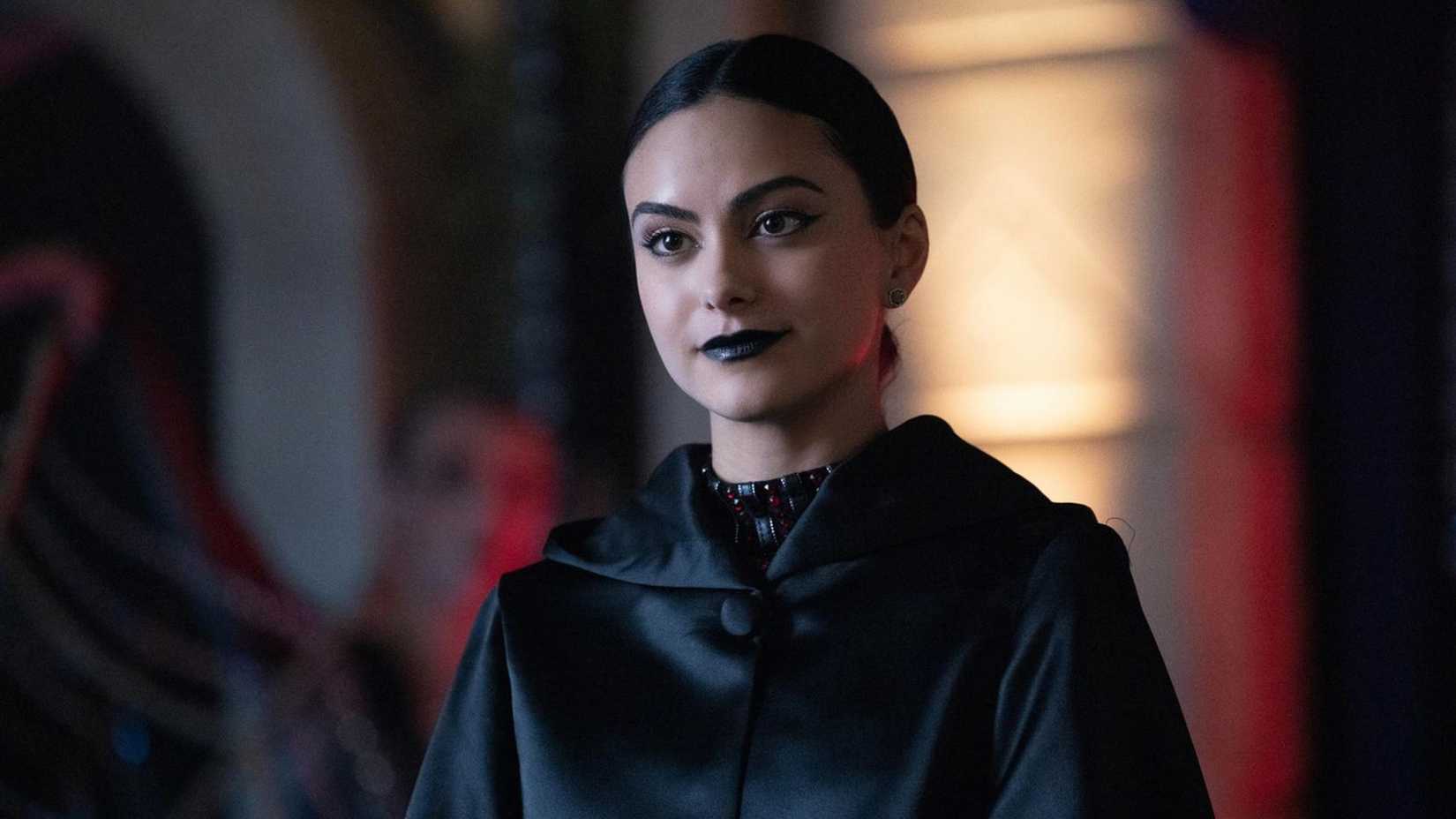
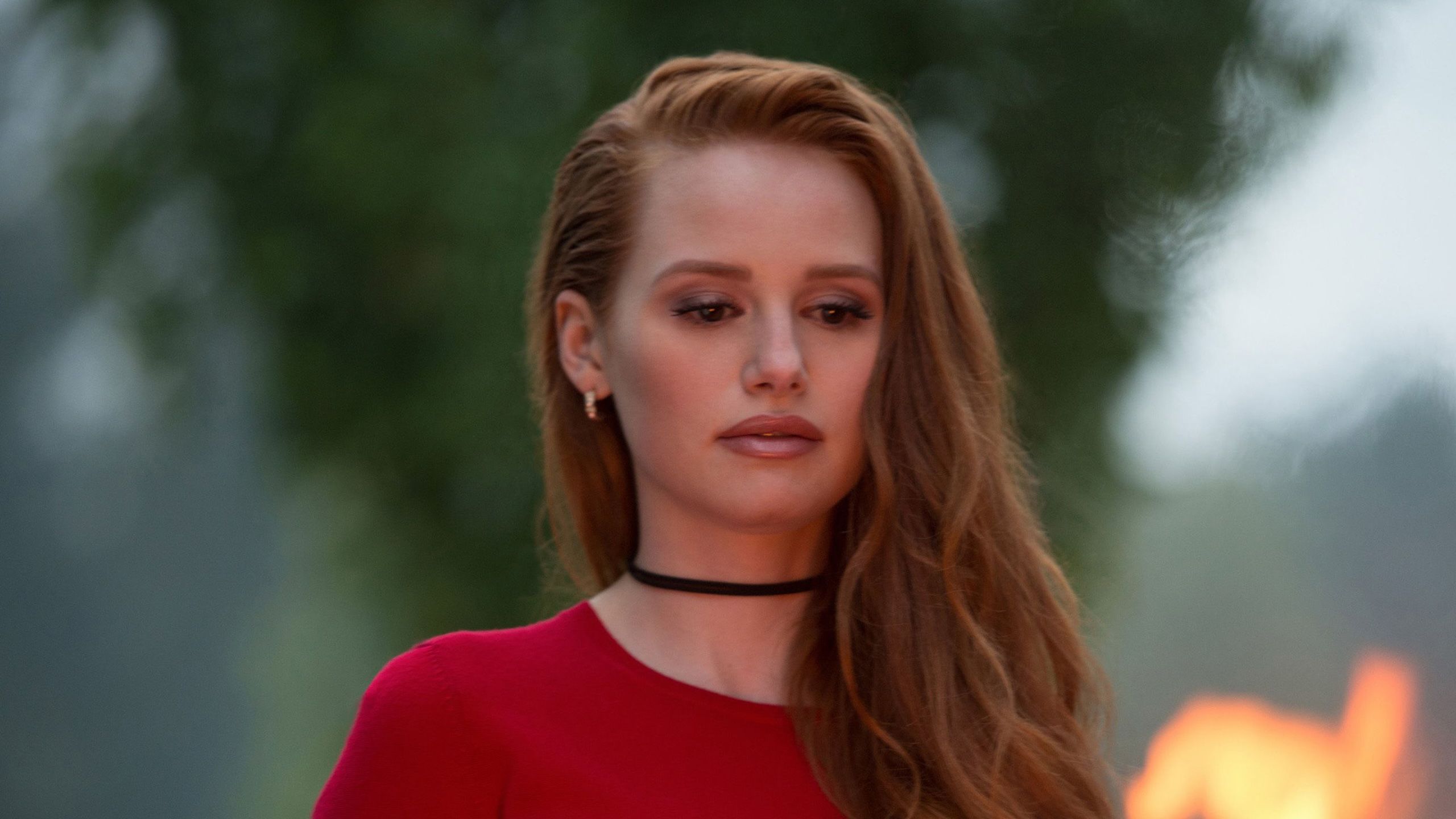
The popularity of Riverdale in 2017 sparked a trend of reimagining classic children’s stories for teen audiences. This led to shows like Chilling Adventures of Sabrina, which transformed the lighthearted ‘90s sitcom Sabrina the Teenage Witch into a darker, more suspenseful horror series. Following suit, other shows like Nancy Drew, Hardy Boys, Tom Swift, and even Disney+’s Goosebumps, all took well-known children’s franchises and adapted them into live-action dramas geared towards older viewers.
Looking at reviews of these shows—especially after the first two seasons of Riverdale and Chilling Adventures of Sabrina—it’s clear the creators weren’t focused on being overly serious. Still, all of these shows were made for teens, not children, and included much more mature content, sex, and violence than previous versions of the same stories. Even HBO’s Pretty Little Liars reboot followed this pattern, transforming an already suspenseful teen drama into a graphic and frightening horror series.
Although a teen drama version of Scooby-Doo: Origins sounds appealing, young adult live-action adaptations of children’s shows often fall short. They’re usually too over-the-top for adults, yet contain content that isn’t appropriate for kids. Riverdale, for example, wasn’t a good fit for younger audiences, and its increasingly ridiculous storylines in later seasons made it feel too self-conscious to be taken seriously as a spooky mystery.
How Netflix’s Scooby-Doo Can Defy The Trend

It’s always hard for a show to be funny and have a serious storyline, especially when it’s based on a well-known franchise like Scooby-Doo. But the new Netflix series, Scooby-Doo: Origins, might actually be good – unlike many other recent live-action adaptations aimed at young adults. Scooby-Doo’s characters are more famous and beloved than those in shows based on Archie Comics or Nancy Drew, which gives this reboot a better chance to cleverly surprise audiences and succeed.
When Riverdale premiered in 2017, many viewers were discovering the characters from Archie Comics – like Ronnie, Jughead, Betty, and Archie – for the first time. Scooby-Doo, however, is different. Every generation has grown up with some version of the Mystery Inc. gang, whether it’s the original series from 1967 (Scooby-Doo, Where Are You!), the early 2000s reboot (What’s New, Scooby-Doo?), or the newer versions introduced in the 2020 film Scoob!
Scooby-Doo: Origins Has A Great Template For Success

I’ve been following the live-action Scooby-Doo adaptations, and I think Scooby-Doo: Origins has a real advantage over something like the recent Riverdale. Riverdale just feels lost in its own storylines now, but Origins has a clear path forward because it’s trying to capture the spirit of the original cartoon. The early 2000s Scooby-Doo movies, written by James Gunn before he was super famous, really got it right. They were campy and funny, and they knew how to make fun of themselves while still telling a story you could actually get invested in. It’s a sweet spot – not too childish like the Scoob! movie from 2020, and definitely not as trying-too-hard as the R-rated Velma from 2023. Those earlier movies feel like the perfect example of how to do it.
For the new show, Scooby-Doo: Origins, to really work, it needs to offer more than just a fun, different take on the classic formula. While it’s initially amusing to picture the Scooby-Doo gang as regular teenagers dealing with typical high school issues like crushes and arguments, this concept has been explored many times before, both within the franchise itself and in similar stories. Other creators have already reimagined the Mystery Inc. crew in interesting ways – Bill Wood’s book Be Right Back turns them into characters in a horror movie, and Edgar Cantero’s Meddling Kids features them investigating a Lovecraftian mystery.
Attempts to create a more mature take on Scooby-Doo have happened before, including the unsuccessful HBO Max series Velma, the 2012 parody film Saturday Morning Mystery, the well-received darker reboot Scooby-Doo: Mystery Incorporated from 2010, and the 2016 DC Comics series Scooby Apocalypse. Simply having the idea isn’t enough to make it work.
Fortunately, Scooby-Doo: Origins has a great cast, featuring Paul Walter Hauser, McKenna Grace (who recently starred in Scream 7), and Abby Ryder Fortson from Are You There God? It’s Me, Margaret, as Velma. Because of this, despite the challenges, Scooby-Doo: Origins has the potential to be the first live-action adaptation for young adults based on a popular children’s franchise that truly delivers on its promise.
Read More
- Золото прогноз
- Netflix’s New Psychological Thriller Unchosen Tops Global Streaming Charts
- 5 Things About Reacher That Make No Sense
- Avengers: Doomsday’s New Trailer Reveals The Doctor Doom Fight That Could Kill A Major MCU Hero
- Star Wars: Maul – Shadow Lord Finally Made the Inquisitors Scary
- DC’s ‘Clayface’ Can Redeem Sony’s $2.17 Billion Spider-Man Franchise
- Прогноз криптовалюты ATOM: прогнозы цены ATOM
- ‘Malcolm in the Middle: Life’s Still Unfair’: Disney’s No. 1 in the World Revival Series Continues a Promising TV Trend
- The Boys Race To Find V1 As Another Fight With Homelander Looms In Episode 4 Trailer
- ‘Project Hail Mary: Journey Among the Stars’ VR Video Game Announced
2026-04-29 15:19