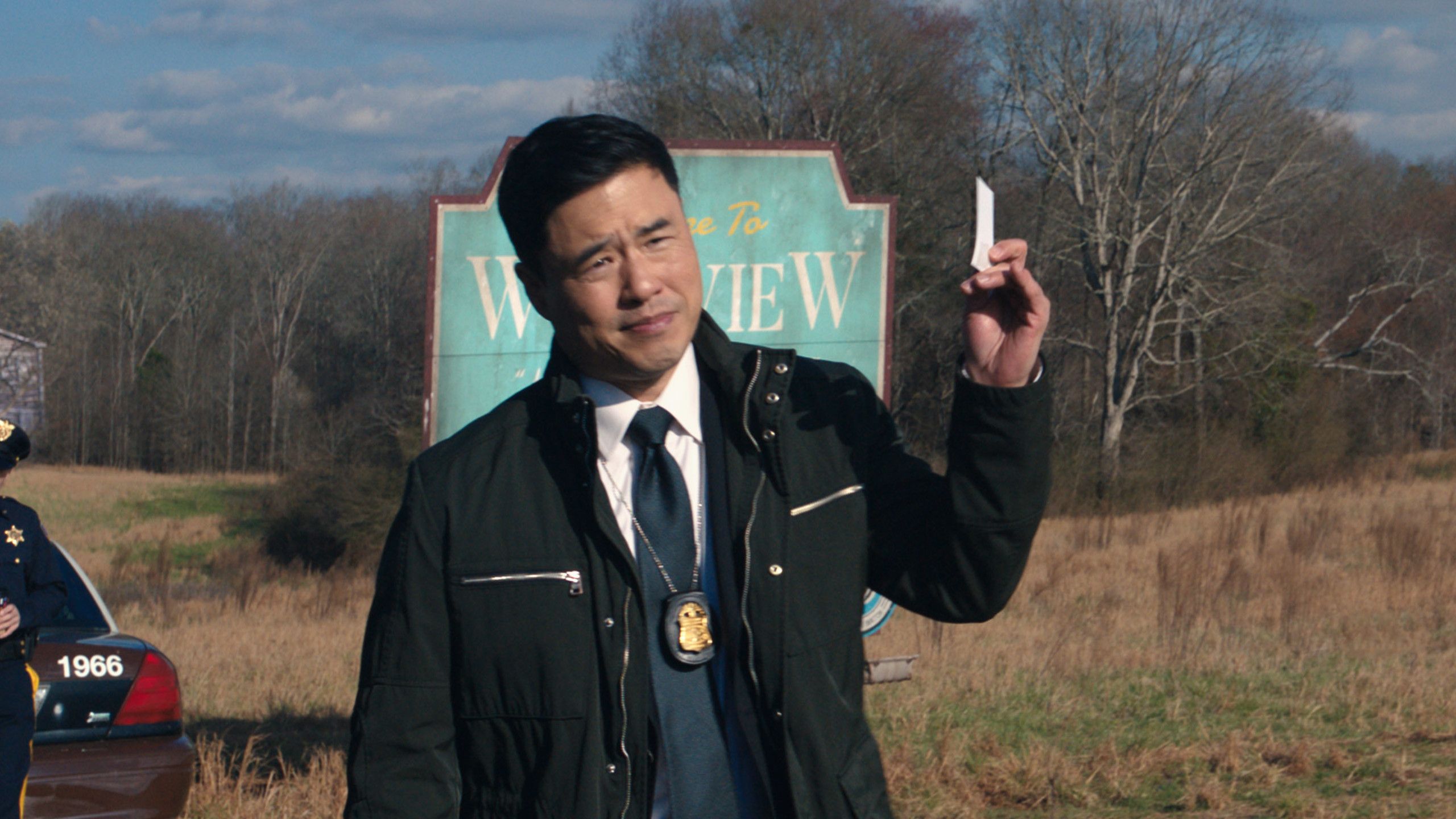
Disney+’s most popular original series skillfully mixed genres and quickly captured viewers’ imaginations, leading to a flood of fan theories throughout its nine episodes. Given Disney’s ownership of major franchises like Marvel and Star Wars, it’s not surprising that their streaming shows generate intense discussion and speculation among fans both online and in person. These original series have largely expanded the stories within those franchises, often altering established timelines, introducing new characters, and adding significant new details to the universe.
This was particularly noticeable when Disney+ began releasing shows connected to the Marvel Cinematic Universe. Initially, it was unclear how these shows would affect the overall storyline or alter the powers and histories of established characters. As the first Marvel show on the platform, WandaVision set the tone, giving two powerful heroes the attention they deserved and hinting at the significant changes Marvel’s Disney+ series could bring to the expanding multiverse.
With a show built on changing reality, Vision mysteriously coming back to life after his death in Avengers: Infinity War, Wanda Maximoff’s unpredictable powers, and a huge history of comic books to draw from, it’s not surprising that fans quickly started creating theories online. This was especially true because WandaVision came almost two years after the release of Spider-Man: Far From Home in 2019. It felt like a fresh start for the Marvel Cinematic Universe, and anything seemed possible.
Despite many fan theories about the show turning out to be incorrect – particularly regarding Evan Peters’ character after his role as Quicksilver – WandaVision successfully balanced exciting speculation with a deeply emotional and character-focused superhero story.
Despite So Many Fan Theories, WandaVision Still Delivered A Mostly Satisfying Finale
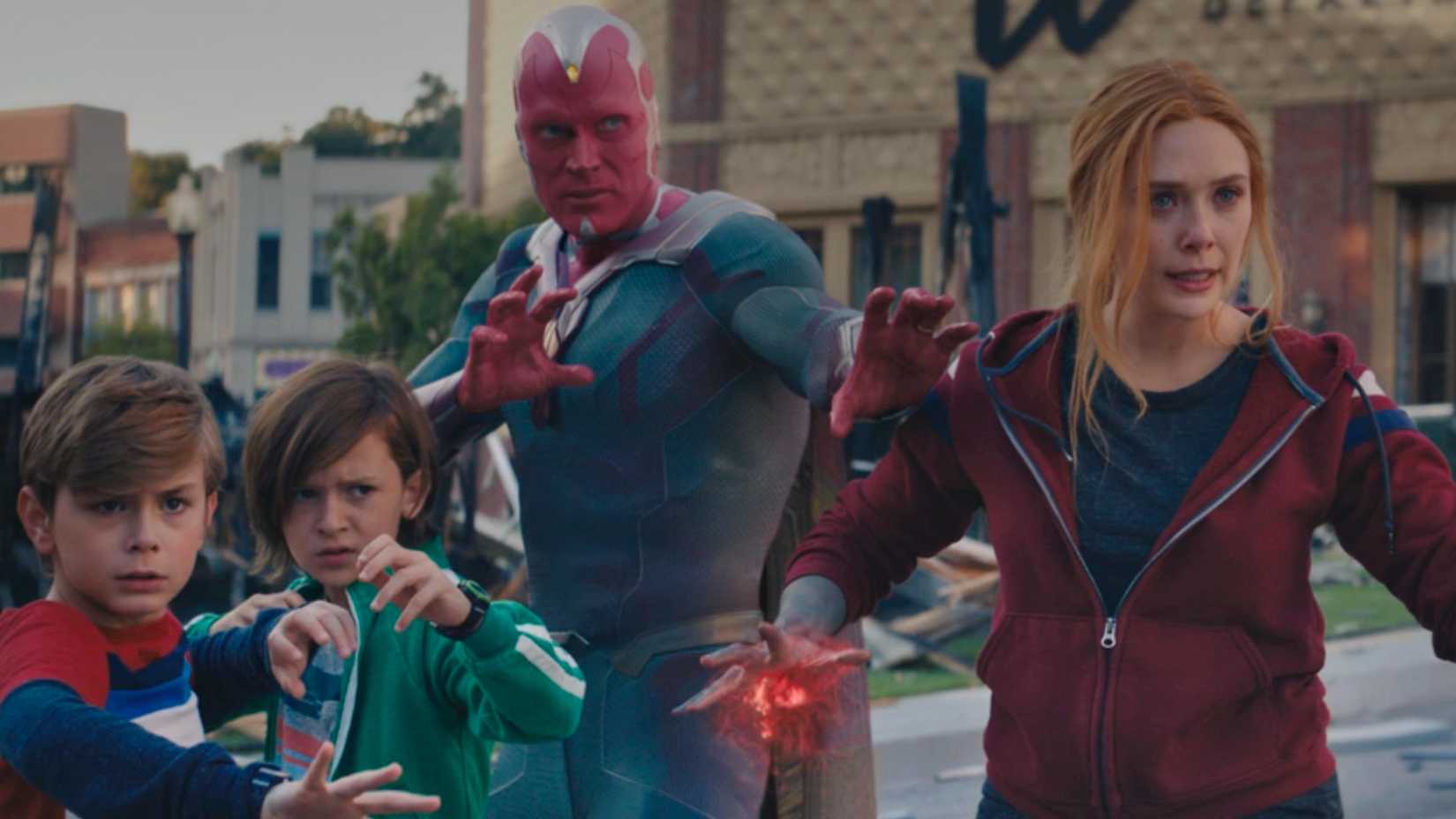
It’s easy for a show to disappoint viewers when fan theories become too elaborate, creating expectations the actual story can’t meet. Luckily, WandaVision managed to deliver a satisfying conclusion. By focusing on Wanda’s grief as the central emotional core, rather than relying on a typical villainous plot, the show stayed grounded and avoided becoming just another over-the-top superhero story.
The finale still featured the magical battle between Wanda’s created family and Agatha Harkness, and a showdown between two Visions. However, even these fights felt more realistic than typical Marvel superhero battles. The fight between the Visions focused more on ideas and discussion than physical combat. Ultimately, Wanda’s battle with Agatha allowed her to liberate the people trapped in Westview and finally master her abilities.
When a series finale feels truly emotionally complete, even if it’s heartbreaking, details about the larger story world become less important. WandaVision delivered a unique Marvel experience. The show sparked a lot of exciting fan theories and brought people together during a time when many were feeling isolated due to the COVID-19 pandemic. But even without all the speculation, WandaVision was a strong and satisfying story on its own.
Some WandaVision Fan Theories Have Since Come True
As a huge MCU fan, it was wild watching all the theories about WandaVision fly around! A lot of them didn’t pan out, but it was cool to see a few actually become canon. Remember everyone thinking Mephisto was the mastermind behind the Westview Hex and Wanda’s powers? Turns out he wasn’t directly involved, but Marvel didn’t completely abandon the idea! They mentioned him in the Agatha All Along series, and then Sacha Baron Cohen actually showed up as Mephisto in the Ironheart miniseries a few years later – totally unexpected!
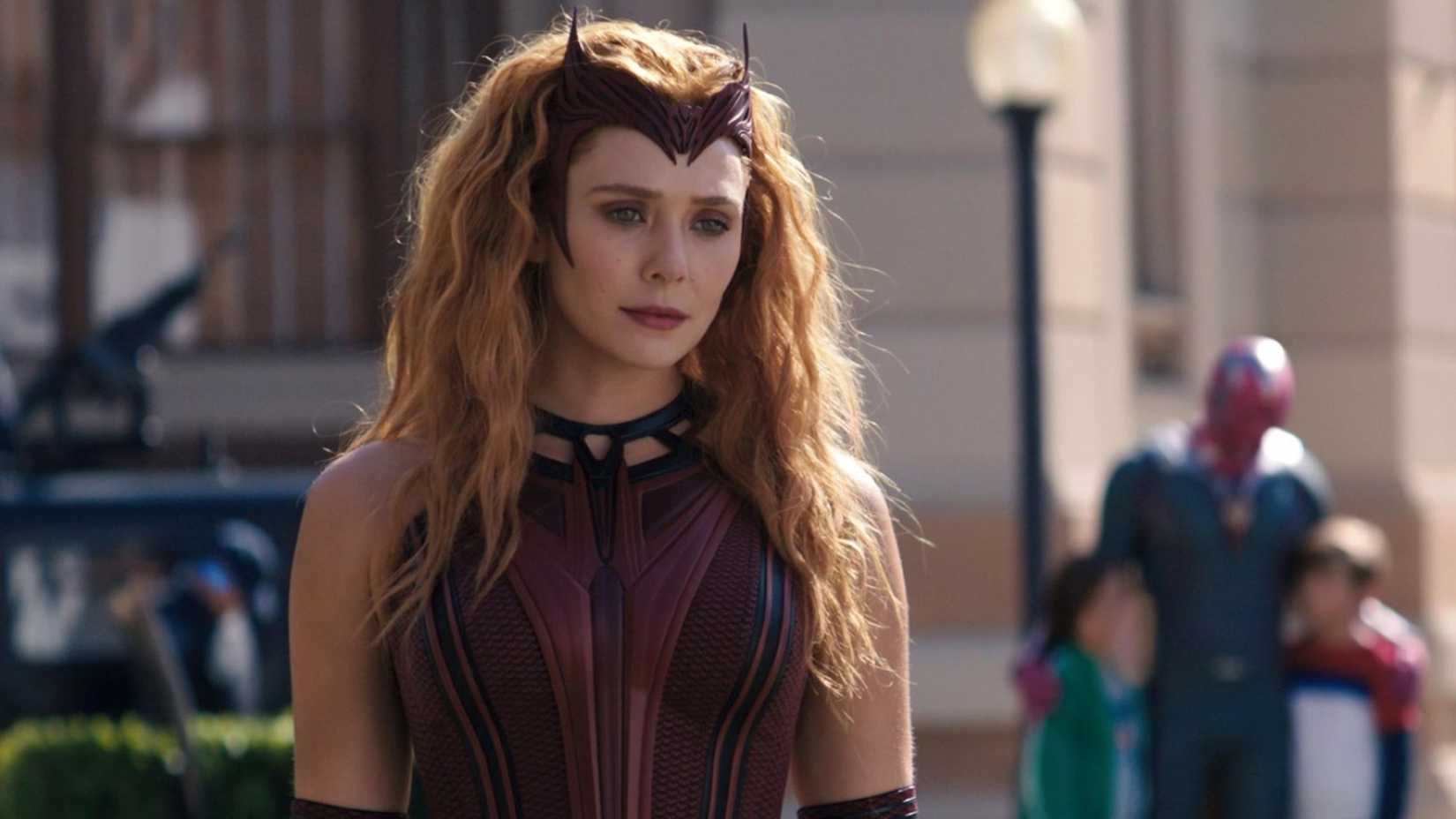
While fans anticipated Mephisto’s arrival, the Scarlet Witch’s descent into villainy proved far more impactful. Throughout WandaVision, many suspected Wanda intentionally created the reality-bending Hex, either to serve Mephisto or fulfill her own sinister goals. The truth, however, was that the Hex was largely an accidental manifestation of her overwhelming grief, a spontaneous release of her growing powers and unresolved trauma. Although not intentionally evil during WandaVision, Wanda fully embraced villainy in the follow-up movie, Doctor Strange in the Multiverse of Madness, embarking on a violent, dimension-hopping quest to find her children.
WandaVision demonstrated Marvel Studios’ ability to create a deeply emotional story that appealed to both dedicated comic book fans and more casual viewers, keeping them hooked week after week. Loki also generated a similar level of excitement among fans, who were particularly eager to see the character Mephisto appear in that series as well.
All episodes of WandaVision are streaming now on Disney+.
Read More
- Золото прогноз
- НИТЕЛ акции прогноз. Цена акций NTZL
- 5 Perfect American Sitcoms
- Биткойн падает после громких заявлений из Белого Дома о криптовалюте и Федеральной Резервной Системы, сохраняющей спокойствие.
- The True Story That Inspired Abbott Elementary’s Choice To Move The School Into A Mall
- Фунт обгонит доллар? Эксперты раскрыли неожиданный сценарий
- The 15 Best Sci-Fi TV Characters Of All Time, Ranked
- Netflix’s New Psychological Thriller Unchosen Tops Global Streaming Charts
- A24’s Texas Chainsaw Massacre Reboot Lands Director
- Прогноз криптовалюты QNT: прогнозы цены QNT
2026-05-03 03:39