Okay, so after hitting theaters two months ago, the film is finally available for digital purchase or rental. It’s been a bit of a lightning rod within the Star Wars community – critics landed at around 60% approval on Rotten Tomatoes, but audiences seemed to enjoy it much more with an 87% score. Honestly, while I felt the story itself left something to be desired, I have to give massive credit where it’s due: the visual effects bringing Grogu to life were absolutely phenomenal. It’s still a technical marvel.
The incredibly lifelike character of Grogu, Din Djarin’s foundling, was brought to life using both practical effects – like a puppet – and computer-generated imagery. He felt as genuine on screen as the human actors. It would have been hard to imagine seeing a creature from Yoda’s species as a main character in a live-action movie just years ago. Interestingly, the entire The Mandalorian and Grogu series started with one scene in 2002’s Star Wars: Episode II – Attack of the Clones, which director George Lucas considered his biggest gamble.
Attack of the Clones’ Final Action Scene Deeply Worried George Lucas
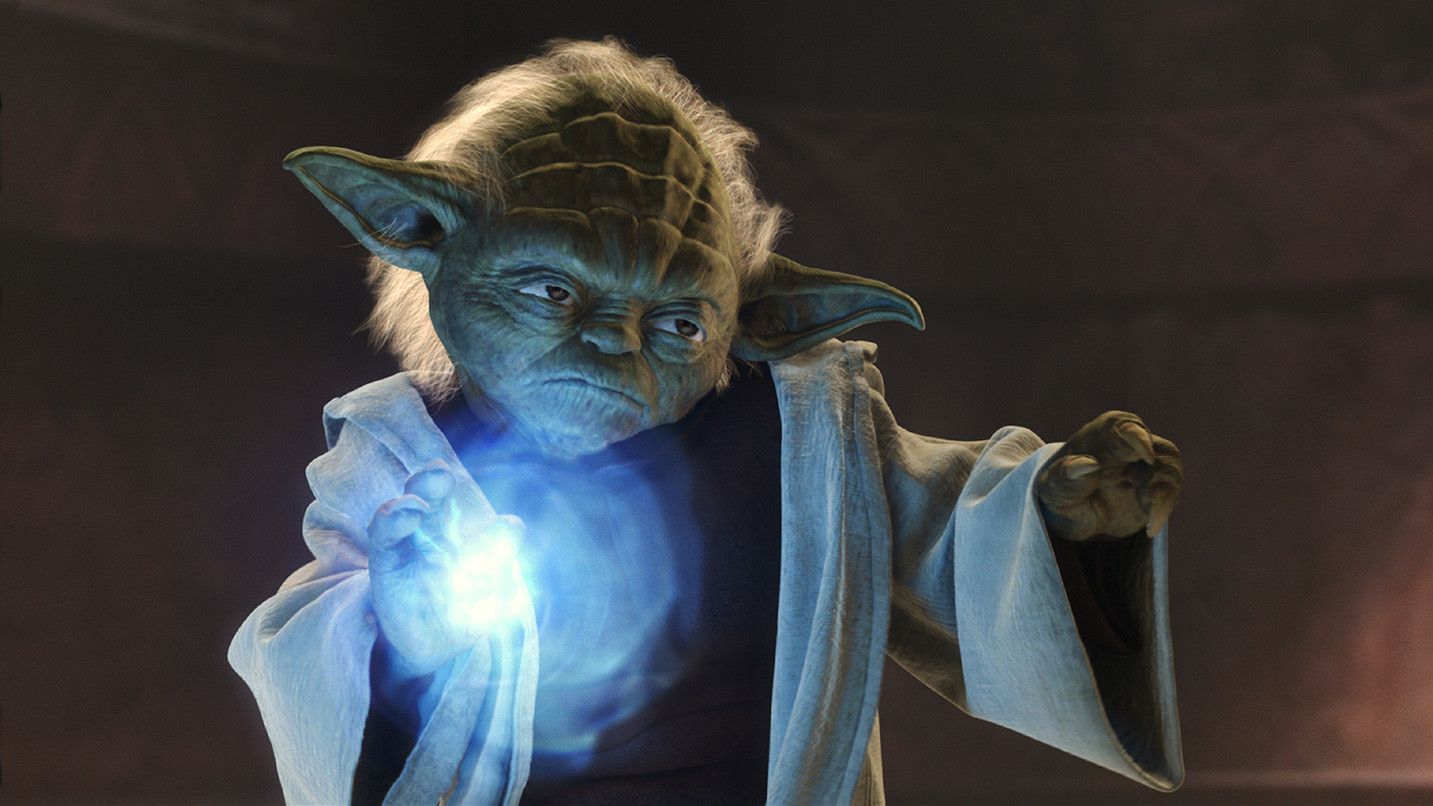
The fight between Yoda and Count Dooku took place in a hangar on Geonosis. Anakin Skywalker and Obi-Wan Kenobi had already fought Dooku, but he beat them both. Just as Dooku was about to finish off the Jedi, Yoda intervened and began to fight his former student. They initially used the Force against each other, but neither could gain an advantage, so they switched to lightsaber combat.
After debuting in 1980, fans hadn’t seen Yoda actively fight until this moment. To compensate for his small size, he used incredible agility, jumping and flipping around Count Dooku with seemingly impossible speed. Director George Lucas admitted in the commentary for Attack of the Clones that he was very worried about making this fight scene work. He considered it the biggest risk of the entire movie, questioning whether he could make Yoda’s movements look realistic enough to be believable and not just silly.
Initially, Yoda was brought to life using a puppet skillfully operated by Frank Oz, who worked from under the stage. However, as the puppet became heavier and Yoda’s movements more complex, this method became too difficult. For Attack of the Clones and Revenge of the Sith, Yoda was created entirely using computer-generated imagery (CGI).
While The Phantom Menace featured computer-generated characters like Jar Jar Binks – who was intended for comic relief – George Lucas aimed for a different reaction with Yoda. The battle between Yoda and Dooku in Attack of the Clones was designed to be an epic showdown, similar to Obi-Wan’s famous fight with Darth Maul in The Phantom Menace, and mirroring future action sequences.
People had different reactions to Yoda’s fight scene. While some thought it was silly, most viewers found it convincing. Even though Yoda did incredible, unrealistic moves, it always felt like he was actually fighting Dooku. The scene showed that Yoda – or another of his kind – could potentially have a bigger part in future Star Wars stories.
The Mandalorian and Grogu Achieved George Lucas’ Star Wars Vision
I remember when Attack of the Clones came out, it really pushed the boundaries of what was possible with CGI. Soon after, we saw amazing things in films like Peter Jackson’s The Lord of the Rings sequels, James Cameron’s Avatar, and Rise of the Planet of the Apes. It’s incredible to think that now, in 2026, those same technologies that helped create Yoda are so advanced that Grogu could actually lead his own full-length movie! It’s a testament to how far things have come.
Similar to its predecessor, The Mandalorian, the show The Mandalorian and Grogu blended practical puppetry with computer-generated imagery (CGI) when depicting Grogu. While the shift from a physical Yoda puppet in The Phantom Menace to a completely digital version in Attack of the Clones was noticeable, this transition felt much smoother with Grogu.
Grogu’s digital effects were incredibly lifelike, and he was animated to move like a traditional puppet. This made it feel natural when switching between the CGI version of Grogu and practical effects. The Mandalorian and Grogu featured Grogu in action sequences that were even more challenging than Yoda’s famous duel with Count Dooku. The show also highlighted his quieter moments, relying on delicate facial expressions to convey emotion.
As a huge Star Wars fan, I’ve always been amazed by how much the films push boundaries with technology. It feels like they have to constantly innovate visually to stay exciting! We see it now with Grogu – his CGI is so realistic it’s easy to forget it is CGI. But that incredible effect actually started way back with Attack of the Clones. Whether you love The Mandalorian and Grogu or not, it’s clear George Lucas really took a chance, and it absolutely paid off for the entire saga.
2026-07-23 01:07