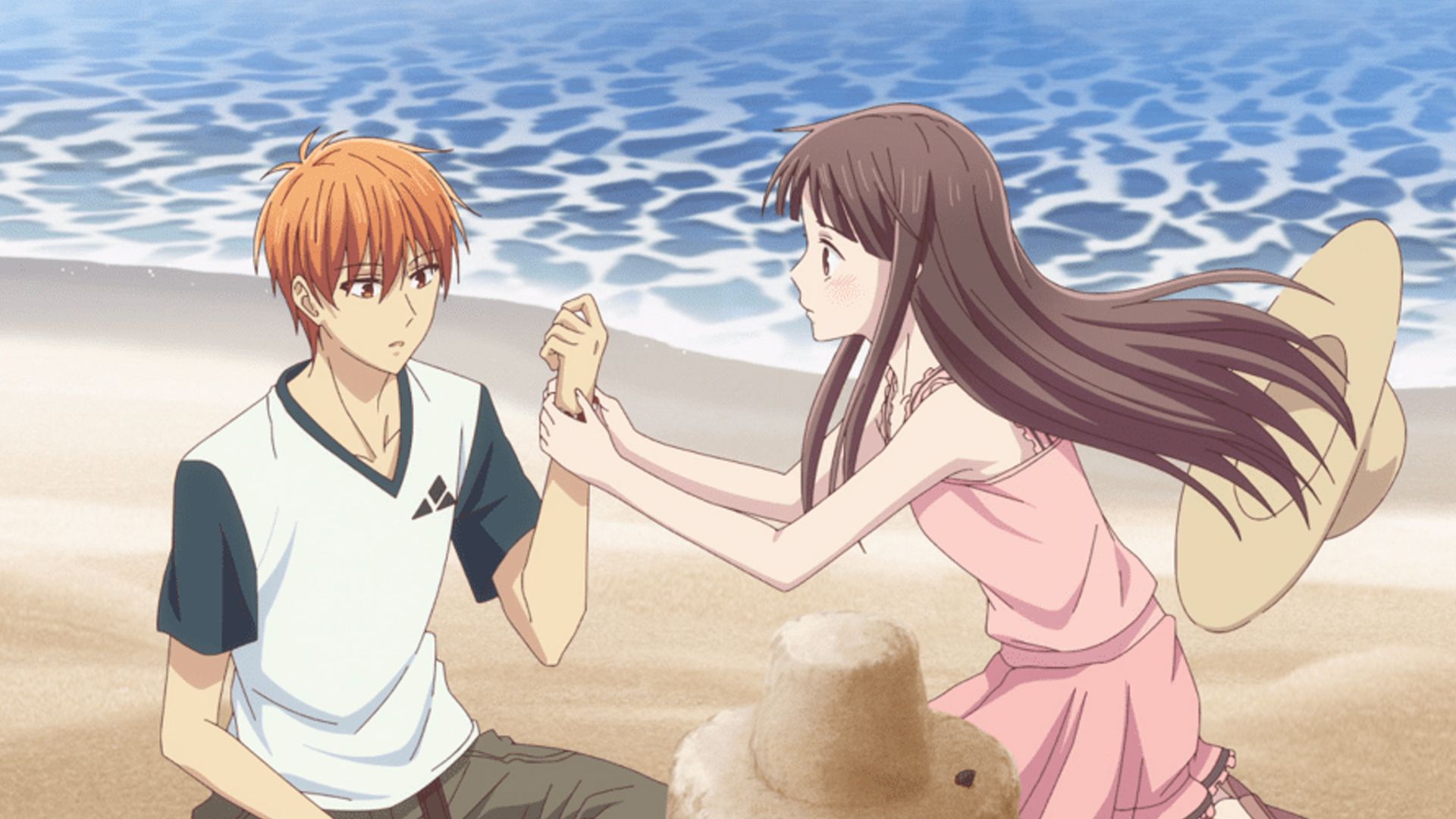
For decades, the ‘enemies to lovers’ storyline has been a cornerstone of anime, and it remains incredibly popular. The build-up of tension between rivals who slowly develop feelings for each other creates a uniquely satisfying emotional experience. Writers specializing in shojo anime have really mastered this formula, and fans consistently enjoy seeing it play out.
While many shows use the enemies-to-lovers idea, some truly stand out and show why it’s so popular in shojo stories. These series don’t just follow the same old pattern – they take the trope and make it even better with well-developed characters, more intense conflicts, and endings that really feel earned.
Kaguya-sama Love Is War Turns the Trope Into a Battle of Egos
Kaguya-sama: Love Is War puts a fresh spin on the enemies-to-lovers trope. Kaguya and Miyuki both believe whoever confesses their feelings first loses, leading to a hilarious and tense standoff. What makes the series so engaging is that these two incredibly smart and determined characters completely understand each other’s feelings, but are too proud to admit their own. They know what the other is thinking, yet stubbornly refuse to make the first move.
What sets Kaguya-sama apart is that the main characters’ conflict comes from their own stubbornness. Their pride is the thing keeping them apart, and it’s incredibly satisfying to watch that pride slowly break down over the course of the series. Each clever plan and small step forward makes their eventual relationship feel truly earned, not just a simple twist of fate. The show realistically portrays ego as a real barrier to love, which is a refreshing change from many anime where rivals fall for each other easily.
Fruits Basket Proves Hostility Born from Fear Is the Most Heartbreaking
Kyo Sohma’s harshness towards Tohru in Fruits Basket isn’t just him being rude. It comes from a lifetime of being rejected and a fear that getting close to people will only cause hurt. Because of this, the developing relationship between Kyo and Tohru is really about learning to overcome deeply ingrained self-protective behaviors, making their story more complex and meaningful than many other romance stories aimed at young women.
The 2019 remake of Fruits Basket handles Kyo’s character development much better than the original, showing his anger fading gradually and realistically. Tohru doesn’t magically solve Kyo’s problems; she simply creates a safe environment where he can heal himself. This makes their connection feel authentic and avoids the typical romantic clichés found in similar stories, setting Fruits Basket apart.
Ouran High School Host Club Uses Class Conflict to Power Its Central Romance
Unlike many similar stories, Ouran High School Host Club starts with Haruhi Fujioka openly disliking Tamaki Suoh and the idea of the Host Club itself, creating tension based on their different backgrounds and beliefs. Haruhi’s practical nature contrasts sharply with Tamaki’s dramatic flair, and this difference is what makes their relationship so interesting and full of energy.
Ouran High School Host Club understands that the best enemies-to-lovers stories feature real, fundamental differences between the characters. Haruhi doesn’t simply dislike Tamaki for superficial reasons; she genuinely clashes with his entire way of seeing the world. The series gains its emotional depth from watching her gradually realize the genuine person hidden beneath his over-the-top persona, which helps it stand out from more lighthearted versions of this romantic trope.
Maid Sama! Builds Its Romance on Mutual Competitiveness and Forced Vulnerability
In Maid Sama!, Misaki Ayuzawa initially sees Usui Takumi as a threat to her position as student council president. Their conflict is real and stems from their contrasting personalities. Misaki dislikes how easily Usui seems to take charge, while he’s intrigued by her refusal to be starstruck.
Despite its simple setup, Maid Sama! is surprisingly well-written because Misaki doesn’t lose her strong personality as she falls in love. Instead of becoming passive, she becomes more genuine. Plus, Usui respects Misaki’s abilities, finding them appealing rather than intimidating, which makes their romance a refreshingly forward-thinking story for the shojo genre.
Say I Love You Rejects Explosive Rivalry in Favor of Quiet Mutual Mistrust
In the series Say I Love You, Mei Tachibana isn’t necessarily hostile towards Yamato Kurosawa, but rather keeps everyone at a distance. Past experiences with betrayal have led her to intentionally isolate herself, so Yamato’s attempts to get close initially feel like an unwelcome intrusion. The romantic tension between them is unique because it focuses on Mei’s inner struggles and emotional barriers, rather than outward arguments or clashes.
What sets Say I Love You apart is its unique take on the enemies-to-lovers theme. The show proves that being an “enemy” doesn’t always mean outright conflict; sometimes it just means someone who prefers to avoid connection for their own safety. Ultimately, Yamato’s gentle and consistent approach allows Mei to decide when and how close she wants to be, without any pressure.
Snow White with the Red Hair Builds Tension Through Power Imbalance
The story of Snow White with the Red Hair highlights the differences in social standing between Shirayuki and Prince Zen, and these differences create tension and fuel their romantic connection. Initially, Zen acts very commanding, which gives Shirayuki valid reasons to be cautious, even as she begins to trust him.
The anime Snow White with the Red Hair offers a refreshing take on the enemies-to-lovers trope. Shirayuki, the main character, is always justified in her initial distrust, and the story emphasizes that Zen must earn her respect through his actions. This approach treats both characters as equals and avoids the feeling that the romance is predetermined.
Toradora Weaponizes Misplaced Anger to Expose Loneliness Disguised as Aggression
Taiga Aisaka from Toradora! often comes across as hostile, but this is actually a way for her to protect herself. Her initial dislike of Ryuji Takasu isn’t about him personally; she’s afraid of being truly seen for who she is. The show cleverly portrays many ‘enemies to lovers’ stories as being rooted in self-preservation, and Taiga is a perfect example of this trope.
Ryuji’s ability to connect with Taiga isn’t about simply putting up with her behavior; the story shows him understanding what’s behind it. He acknowledges her tough exterior without ignoring her true feelings, which is different from typical romance stories where the hero just keeps trying until the initially cold character warms up. Their relationship truly changes when Taiga learns she doesn’t need to act angry to feel safe, and this development feels natural because of how consistently the characters are written, rather than relying on forced drama.
Skip and Loafer Replaces Antagonism with Accidental Emotional Friction
Unlike many enemies-to-lovers stories, Skip and Loafer builds its connection with a gentle approach. The contrast between Mitsumi’s honest nature and Sousuke’s polite but guarded personality creates a compelling dynamic. Sousuke keeps people at arm’s length with his polished social skills, but Mitsumi’s sincerity gradually breaks down those barriers.
This series shows how shojo stories are evolving – moving away from dramatic conflicts and focusing instead on the awkwardness of someone realizing something they shouldn’t. Skip and Loafer demonstrates that the emotional core of an ‘enemies to lovers’ story can still work even without over-the-top drama, suggesting that subtle tension can be just as rewarding.
His and Her Circumstances Deconstructs Competitive Hostility Through Shared Perfectionism
Based on Masami Tsuda’s manga, the story of His and Her Circumstances centers on Yukino Miyazawa and Soichiro Arima, two brilliant students who are both rivals and strangely connected. Their animosity stems from a shared understanding: they both recognize that each other is carefully crafting a perfect image to impress others, and they resent being seen through that facade.
I’m completely captivated by Hideaki Anno’s take on this story! He uses these really striking, almost broken visuals that perfectly show how the characters feel like they’re playing versions of themselves. Because of this, His and Her Circumstances is, in my opinion, one of the most insightful and realistic explorations of the enemies-to-lovers theme you’ll find in shojo anime. The conflict isn’t just leading to the romance, it is the core of it – a deep psychological battle. It’s what makes this series feel so fresh and different from a lot of the fluffier stories with similar pairings.
Nana Redefines Enemies as Two Women Competing for the Same Space to Exist
The dynamic between Nana Osaki and Nana Komatsu in the manga Nana is more than just typical rivalry. These two women, with very different personalities, desires, and life paths, live together, and the tension between them is surprisingly insightful—more so than many shojo manga portray in entire story arcs. Their relationship is complicated and doesn’t fit neatly into any single category, and that’s exactly why it feels so real and lasting.
Ai Yazawa’s work reimagines the enemies-to-lovers trope in shojo manga. Her series, Nana, features a deep, non-romantic connection between two women that carries the same intensity, pain, and hesitant loyalty often found in romantic relationships. The core of this trope – the pull between annoyance and undeniable attraction – is explored to a greater extent in Nana than in any other series of its kind.
Read More
- Outlander Season 8, Episode 9 Recap & Discussion: Old Wounds Are Finally Healed Ahead Of The Series Finale
- Farscape: The Cult Classic Hard Sci-Fi Series That Pushes Boundaries
- The Bear Surprise Releases New Episode on Hulu
- M. Night Shyamalan’s The Village Deserves a Second Chance
- Stephen King’s Castle Rock: A Faithful Tribute to His Literary Universe
- A Good Girl’s Guide to Murder Season 2 Official Trailer
- The Punisher’s Absence From Daredevil: Born Again Season 2 Explained
- Don Rosa: The Legendary Comic Book Writer America Shouldn’t Soon Forget
- Star Trek: TNG’s ‘Conundrum’ Is an Underrated Gem
- 3 Best Prime Video Shows To Watch This Weekend (Mar 6–8, 2026)
2026-05-14 04:42