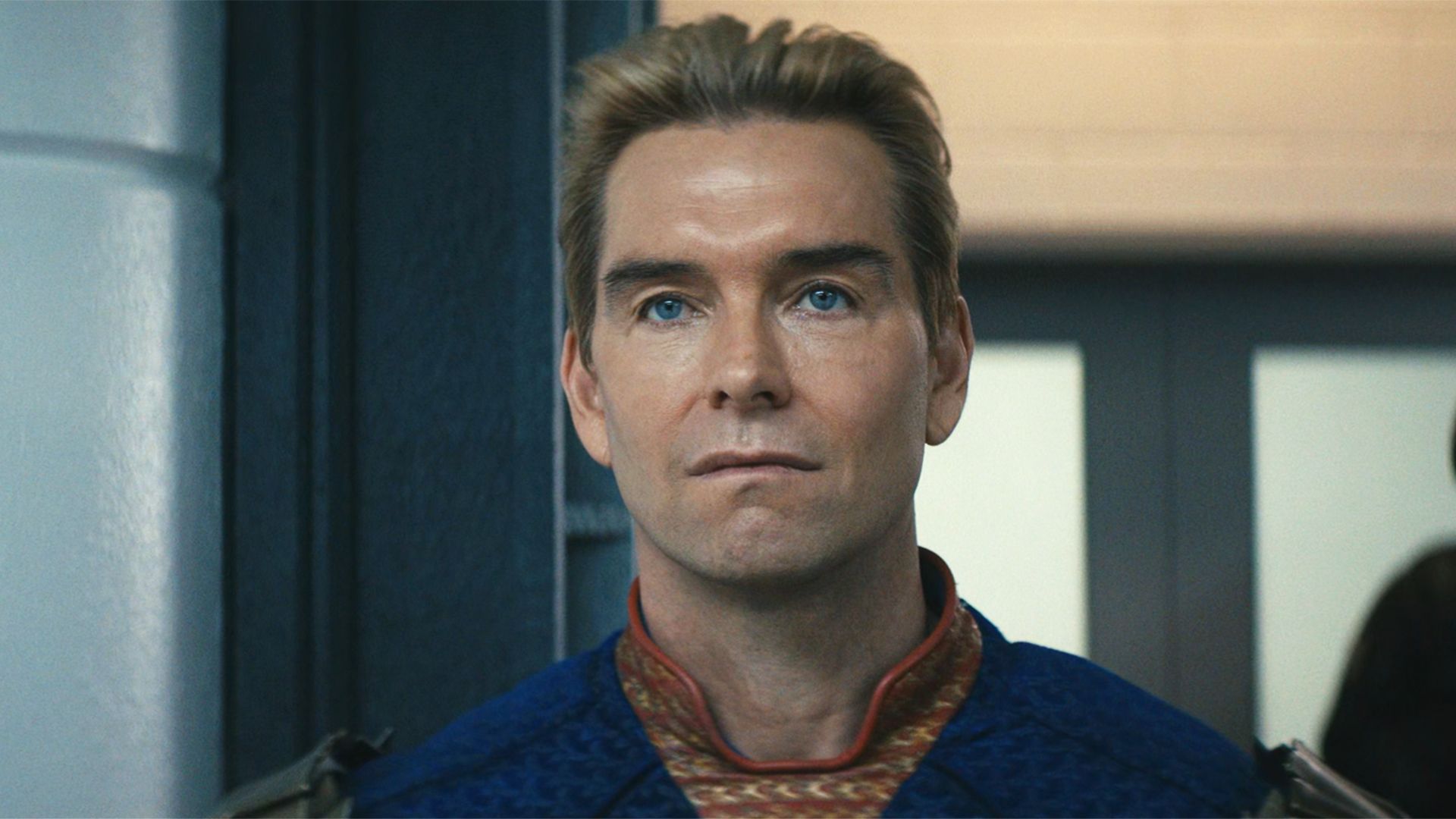
While many see Homelander as cruel, series creator Eric Kripke suggests there’s actually a logic behind his actions.
Homelander is responsible for the deaths of at least 177 people across both the TV series and the comics, and he’s killed them in shockingly violent ways. His victims range from ordinary citizens and fellow superheroes to important public figures. Some of his most memorable kills include Mayor Steve, who died in a plane crash Homelander caused, Doppelganger, who Homelander snapped the neck of, and Supersonic, who suffered a gruesome death. Often, Homelander targets anyone he perceives as a threat to his reputation or, more crucially, his ambition to control the world. He’s used methods like causing plane crashes and employing his heat vision to eliminate these perceived threats, along with many innocent bystanders.
Tatiana Hullender from ScreenRant interviewed Eric Kripke about the reasons behind Homelander’s actions, and how he chooses who lives and dies.
Homelander’s Weaknesses Ultimately Guide His Hand

Homelander’s violent actions have always seemed random, but the latest episode offered a possible explanation for why he spared Chet Vanderbilt, a former Vought executive. After finding Chet at his new job and killing a coworker, Homelander surprisingly let him live. Show creator Eric Kripke suggests this might be because Chet didn’t show fear, unlike another character, Firecracker, who Homelander killed despite her loyalty. Chet also offered Homelander surprisingly good advice, urging him to accept his limitations instead of striving to be a god. Another theory comes from Vought CEO Stan Edgar, who believes Homelander craves father figures. This is supported by his repeated decisions to spare Edgar’s life, and even that of Soldier Boy – his actual father – despite numerous betrayals.
As a fan, I think what Eric Kripke said really hits home. It’s not just about the good advice Legend gives – it’s that Homelander consistently ignores it, and that’s the point! The show seems to be saying that if you fight against what’s naturally supposed to happen, things will always push back, and they’ll push back hard. And honestly, trying to become immortal? That’s the ultimate way to mess with the natural order, and you’re just asking for trouble.
I believe there are two main reasons for this. You’re right to point out his issues with father figures – he seems unable to kill men who represent that role, like Soldier Boy, Edgar, and Legend. But I also think it’s crucial that Legend isn’t afraid of him. That seems to be a really significant factor.
Homelander’s relationship with Madelyn Stillwell, the head of Hero Management, follows a similar pattern. After making her admit she fears him at the end of the first season, he begins to disrespect her, ultimately leading to her death.
Eric Kripke explains that early in the series, Stillwell makes Maeve admit she’s afraid of him, which deeply bothers Homelander. He craves genuine affection and resents people who only comply out of fear. That’s why Homelander responds so differently to someone like Legend, who acknowledges his strangeness but also recognizes his power. Legend’s acceptance – calling him a freak with talent – is something Homelander actually respects, and very little else earns his respect.
Allegiance To Homelander Means Nothing
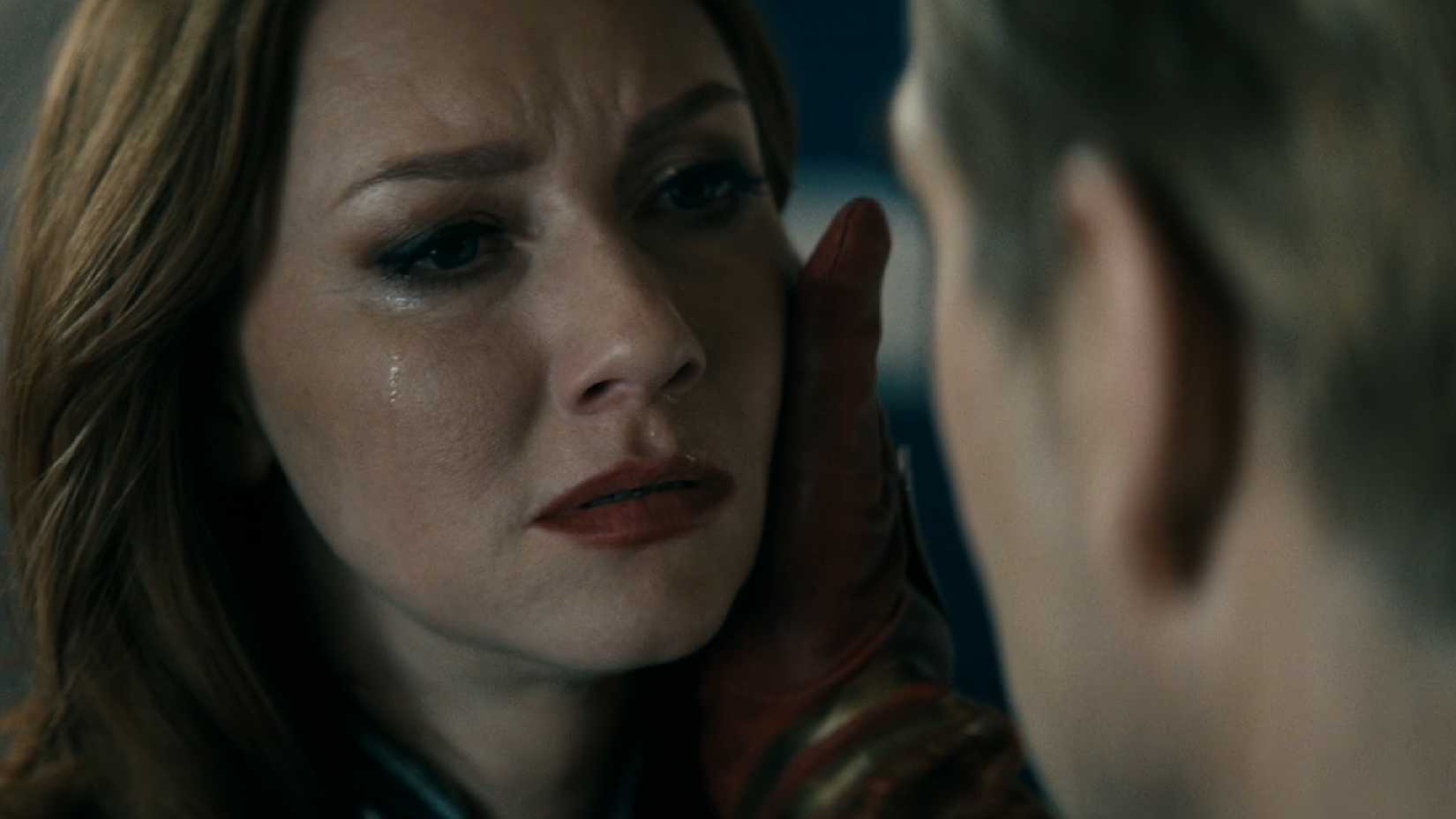
Kripke explained to ScreenRant that Firecracker’s death, though sad given her devotion to Homelander, was essential to the story. In a desperate attempt to survive, she abandoned her principles and falsely professed her love for him. However, Homelander detected her manipulation – even a hint of it – and that was enough for him to kill her.
When facing an authoritarian figure, you’re constantly forced to give in, repeatedly sacrificing your principles. They only reject you once you’ve completely compromised everything you believe in and humbled yourself. This dynamic can play out in many ways – whether it’s someone like Marjorie Taylor Greene, a victim of Stalin’s regime, or even a character like Firecracker.
We often see this same thing happen: it’s not always outsiders who cause trouble, but frequently those closest to a person, even over minor offenses.
Check out our other The Boys season 5 coverage here:
- Daveed Diggs
- Antony Starr & Jessie T. Usher
- Jack Quaid & Karl Urban
Read More
- Биткойн падает после громких заявлений из Белого Дома о криптовалюте и Федеральной Резервной Системы, сохраняющей спокойствие.
- The True Story That Inspired Abbott Elementary’s Choice To Move The School Into A Mall
- Tom Hardy’s Venom Is Heading to Paramount+ (But There’s a Twist)
- Netflix’s Dark Rewrites The Rules Of Your Perceived Time
- James Gunn on What Makes DCU Unique & Different From Marvel
- Mark Wahlberg’s Boogie Nights is His Only True Masterpiece
- Star Trek II: The Wrath of Khan Is the Only True Masterpiece Movie In the Franchise
- Циан акции прогноз. Цена акций CNRU
- Kenneth Branagh Wants to Give Thor the Logan Treatment
- Доллар обгонит южноафриканский рэнд? Эксперты раскрыли неожиданный сценарий
2026-05-06 19:43