There’s nothing quite as impactful in a story as a skillfully done betrayal or reveal. The most effective twists don’t just shock the audience; they make you rethink everything you’ve already seen, questioning what you thought you knew. Television, with its many episodes, is perfect for this kind of long-game trickery because it allows writers to build strong trust with viewers before shattering it in an instant.
The best anime twists aren’t just surprising – they completely change how you see the story. What makes them truly great is that the hints were there all along, and the impact is strongest when you’re deeply invested in the characters and plot. A truly masterful twist makes rewatching the anime a completely different experience.
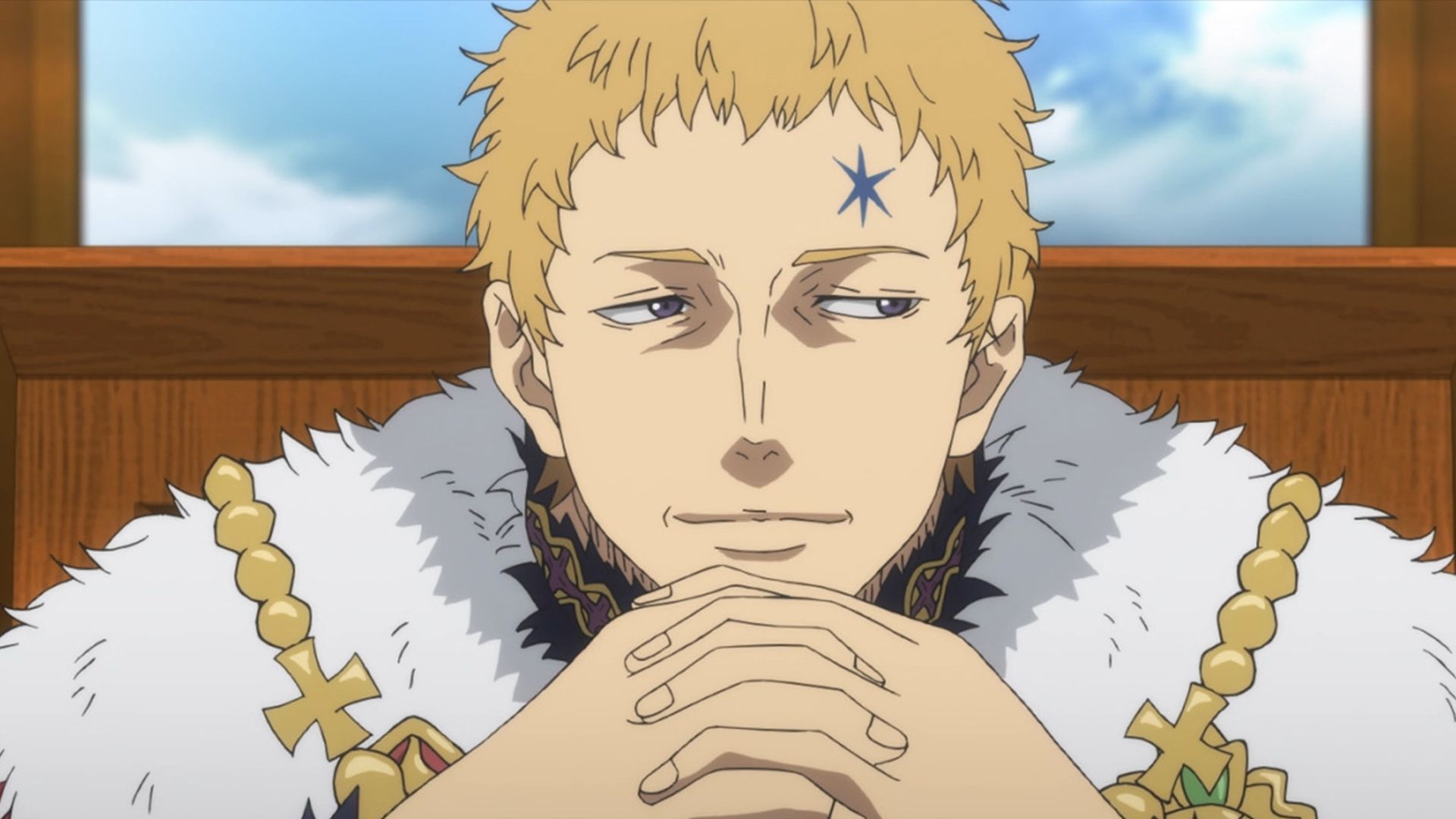
Lucius Zogratis Weaponized Julius Novachrono’s Goodwill Against The Clover Kingdom
The shocking twist involving Lucius Zogratis in Black Clover is effective because the audience had grown to trust Julius Novachrono over a long period, making the betrayal so impactful. Lucius wasn’t simply possessing Julius; he was cleverly using him for years, hiding behind Julius’s good reputation and using it as a disguise while secretly planning to reshape the world. This reveal recontextualizes all of Julius’s kindness and guidance, making his support of Asta seem disturbingly manipulative in hindsight.
What makes this villain truly compelling isn’t just the reveal itself, but the reasoning behind his actions. Lucius doesn’t think he’s a villain; he sincerely believes his plan, though extreme, will ultimately save people. This forces us to confront a villain whose ideas, while leading to monstrous acts, actually make a twisted kind of sense – a much more disturbing concept than simple, straightforward evil.
Aizen Sosuke Spent A Century Proving Soul Society’s Justice Was Always Blind
The Aizen reveal in Bleach is still considered the best twist of its kind because the author, Tite Kubo, flawlessly misled viewers for hundreds of chapters without giving anything away. The fake death, the destruction of his kind and unassuming persona, and the discovery that he’d been manipulating Soul Society’s leaders all came at once, completely shocking both the characters and the audience. Aizen’s betrayal wasn’t just against Soul Society, but a stark exposure of the overconfidence that had made them vulnerable.
The impact of this reveal hinges on Aizen’s calm demeanor. Instead of reacting with anger or hurt pride, he explains his schemes as if victory was already assured. Bleach cleverly makes the audience feel like they were also fooled, because Aizen’s deception was so convincing it tricked even those actively searching for hints.
Eren Yeager Chose Genocide By Corrupting The Memory He Swore To Honor
The anime Attack on Titan slowly reveals a shocking truth about Eren: he orchestrated the events that shaped his life, including his mother’s death. Through the power of the Founding Titan, he manipulated people and circumstances over many years, turning what seemed like a tragic fate into a preordained one. This revelation blurs the line between Eren as a victim and as the one responsible for the tragedy.
Eren’s actions feel especially impactful when you realize he fully understood the pain they would cause. While he genuinely cares for Armin, Mikasa, and his fellow soldiers, he still chose a path of destruction, even knowing it went against their desires.
Itachi Uchiha’s Massacre Was An Act Of Love Naruto’s World Never Deserved
Knowing that Itachi killed the Uchiha clan on orders to stop a dangerous rebellion changes how you see everything – Sasuke’s sadness, his intense training, and even his fights with his brother. Itachi willingly became the villain so Sasuke would have a purpose for getting stronger, rather than living with the disgrace of his clan’s fate.
As a huge fan, I’ve always been fascinated by how Naruto really turned the spotlight on the hidden darkness within the village it once celebrated. The show brilliantly exposed how Konoha’s leaders used Itachi, forcing him to commit terrible acts, and then covered everything up. What makes Itachi’s story so incredibly powerful is that he operated completely outside of that corrupt system, and learning the truth about his sacrifice felt like a total game-changer – a perfect example of how a story can be reframed to hit even harder.
Kyubey Revealed That Madoka Magica’s Magical Girl Genre Was Always A Trap
I’m absolutely fascinated by how Puella Magi Madoka Magica completely flips the magical girl genre on its head! It starts with Kyubey, this adorable little creature who seems like he’s there to help girls achieve their dreams. But then you realize he’s not a friend at all – he’s an alien using these girls, feeding off their emotions as they go from hopeful to completely heartbroken, and ultimately turning them into the monsters they’re fighting! It’s a brilliant, dark twist that really stays with you.
Kyubey isn’t intentionally cruel because he simply can’t comprehend suffering as something that matters. It’s this lack of feeling, not malice, that makes him so unsettling. Unlike villains who revel in causing pain, Kyubey can’t be reasoned with or redeemed. He’s more like a cold, calculating machine, completely detached from the girls whose lives he controls for his own purposes.
Griffith Sacrificed His Companions To Prove That Human Bonds Were Always Transactional
The Eclipse arc in Berserk is so impactful because Kentaro Miura dedicated so much of the story to building the Band of the Hawk as a true family. Therefore, Griffith’s decision to sacrifice his soldiers to become a God Hand doesn’t feel like random evil, but rather the inevitable result of a man who prioritized his ambition over all personal relationships.
The impact of Griffith’s betrayal is so strong because Guts truly loved and respected him. Berserk shows us that Griffith’s connection with his comrades was genuine, making his ultimate betrayal even more heartbreaking. The tragedy of the Eclipse isn’t that Griffith never cared for the Band of the Hawk, but that his ambition overshadowed everything – and that’s what makes it so devastating.
Ryo Asuka Engineered Armageddon Through The One Person Who Trusted Him Completely
The revelation that Ryo Asuka is actually Satan completely changes the story’s meaning, turning it from a simple battle between demons and humans into a heartbreaking tale of manipulation. Ryo didn’t become friends with Akira by chance; he carefully built that friendship knowing exactly how he would use it. He understood that Akira’s kind nature would make him the ideal person to reveal humanity’s potential for self-destruction.
The truly devastating part of this story is Ryo’s emotional collapse following Akira’s death. It mirrors Satan’s realization of love – a heartbreaking understanding that came only after he’d destroyed the one person he cared for, following his victory in a centuries-long war with God. Ryo’s apocalyptic actions weren’t just a world-ending event; they were a personal self-destruction, transforming a massive, terrifying event into a deeply personal tragedy of loss.
Rachel’s Betrayal In Tower Of God Exposed The Cost Of Building A World Around One Person
Bam risks everything to climb a deadly tower, motivated solely by his love for Rachel – she’s the center of his world. That’s what makes her betrayal, sending him plummeting into a seemingly bottomless pit, so devastating. The twist with Rachel in Tower of God is brilliantly, and painfully, effective in how it uses this connection.
Her actions aren’t driven by malice, but by jealousy – she can’t bear the thought of living in the shadow of Bam’s success. What makes Rachel’s story so impactful in Tower of God is that she isn’t simply a villain. She’s flawed, insecure, and disturbingly relatable. She felt bitterness towards being rescued and even more towards the one who saved her.
The Sibyl System Revealed How Psycho-Pass’s Order Was Built On The Worst Of Humanity
The biggest surprise in Psycho-Pass isn’t a simple act of betrayal, but a chilling systemic horror. The Sibyl System, an AI that controls Japan’s justice system by predicting crime, is revealed to be a collective mind formed from the brains of the most dangerous criminals ever seen in anime. Essentially, the innocent are ruled by the very people who should be considered beyond redemption.
This discovery completely undermines the core idea of Psycho-Pass. Every arrest Akane made, every Enforcer used to track down criminals, and every person held preventatively—all were carried out by the very people the system was meant to shield society from. Psycho-Pass suggests that strict, controlling governments don’t get rid of harmful individuals, but simply put them in positions of power.
Yami Bakura Spent Yu-Gi-Oh’s Entire Run Hiding Apocalyptic Intent Behind Apparent Weakness
Honestly, Ryo Bakura always seemed so quiet and harmless – he was easy to overlook, and that was exactly how the spirit inside the Millennium Ring wanted it! While everyone else was busy dealing with threats like Marik, Pegasus, and even Kaiba, Bakura was secretly and carefully putting his own plan into motion – a really terrifying one to bring back Zorc Necrophades and just… wipe everything out!
While the spirit Bakura clearly disdains Yugi’s connections with others, it’s his willingness to use those relationships that makes him the most dangerous villain in the series. The reveal that this character, long seen as weak, was actually the biggest threat all along completely changes how we understand the power dynamics of the show. Ultimately, the Yami Bakura twist is a clever, long-term plan that pays off for viewers who closely followed even the most subtle details of his character.
Read More
- Золото прогноз
- Steam Drops New 100% Free Game That You Can Keep Forever
- 9 Best Western & Neo-Western Movies Released Since 2000
- DC’s ‘Clayface’ Can Redeem Sony’s $2.17 Billion Spider-Man Franchise
- 5 Perfect American Sitcoms
- НИТЕЛ акции прогноз. Цена акций NTZL
- Фунт обгонит доллар? Эксперты раскрыли неожиданный сценарий
- 10 Greatest Movies That Continue TV Shows
- The Last Of Us Creator & Star’s New Mystery Movie Debuts To Stellar Rotten Tomatoes Score
- Ryan Reynolds Reveals Deadpool’s Big Change in Next Team-up Movie
2026-05-01 05:19