
Movies like Groundhog Day and Source Code have proven that audiences enjoy time loop stories – tales where characters are stuck repeating the same day, often to grow as people or alter events.
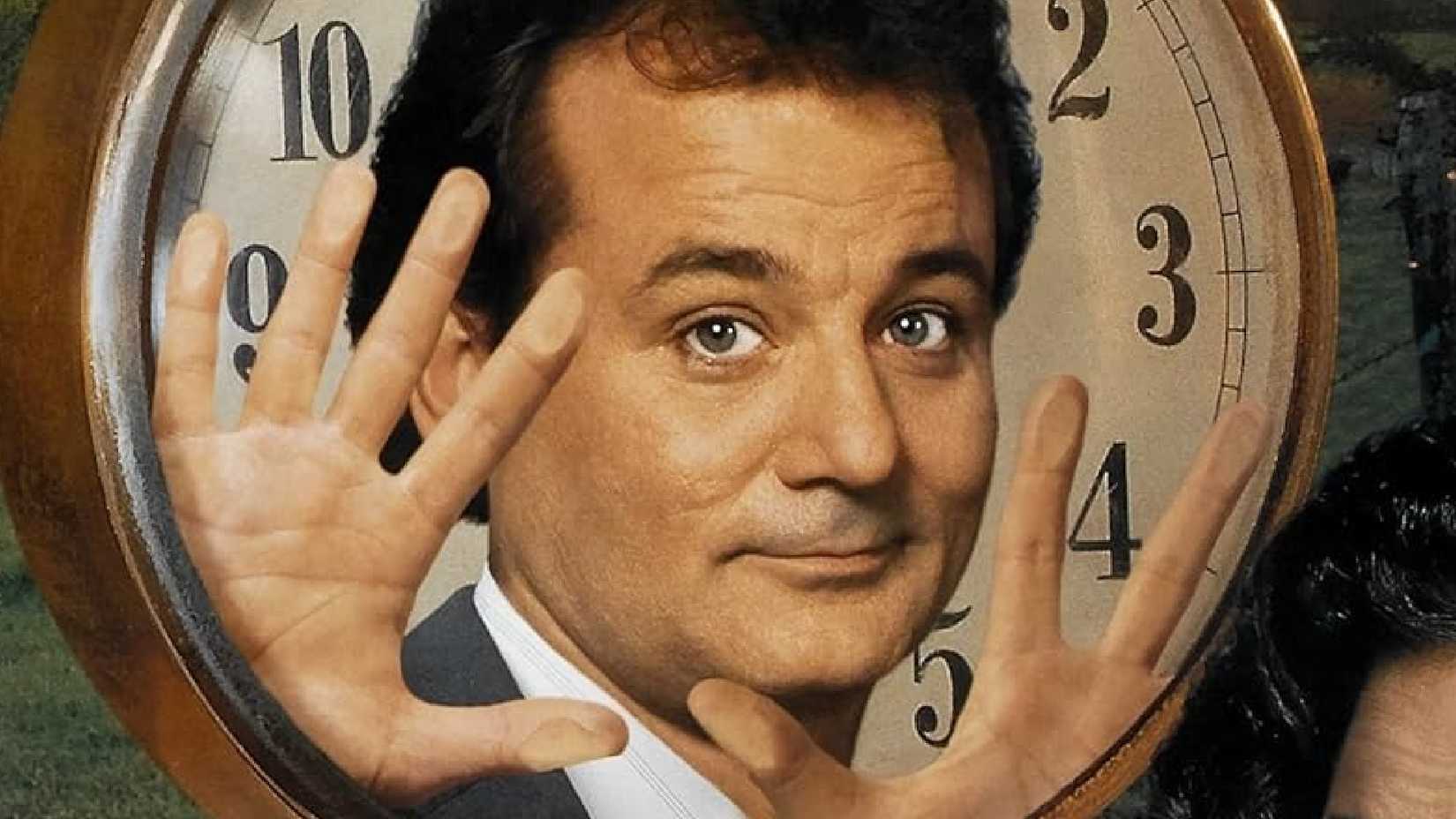
While many time loop stories follow a familiar pattern, some really stand out by offering a fresh take on the concept. Here are eight examples that any fan of the genre will want to check out. Be warned – there are some spoilers ahead, though we’ll avoid revealing key endings whenever we can.
The Endless Uses Individual but Coexisting Time Loops
Directed by Aaron Moorhead, Written and Directed by Justin Benson
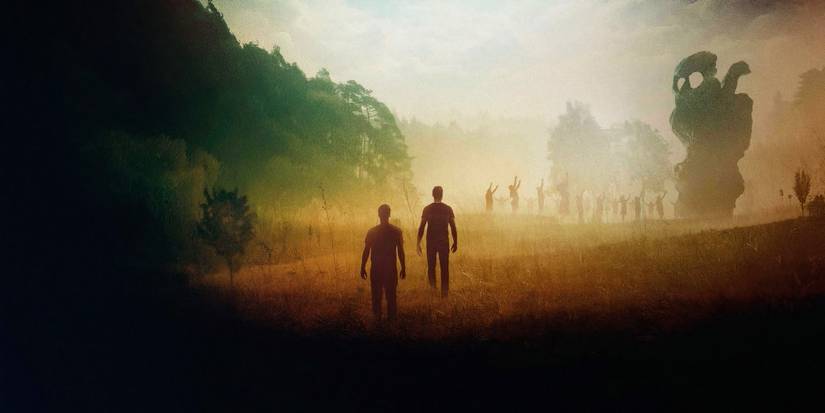
Aaron Moorhead and Justin Benson’s film, The Endless, follows two brothers who return to the religious community they grew up in, even though they remember their time there very differently. The movie has become a popular horror success, celebrated for its impressive effects despite a low budget, and for its emotionally resonant story woven into a science fiction plot.
The central conflict of the movie revolves around Aaron contemplating a return to the cult, even after discovering they are stuck in a time loop where a terrifying being constantly kills them.
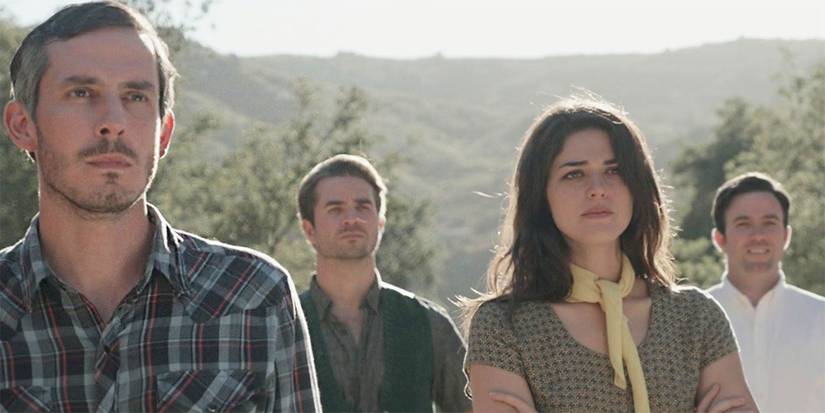
It’s not a single time loop, but many. Each member of the cult is stuck in their own, unique loop that varies in length, but always ends with their death. One especially disturbing moment shows a man endlessly reliving a horrific death in just five seconds – his sheer weariness is even more frightening than the death itself.

The film The Endless cleverly uses its time loop concept to explore how easily we get caught up in nostalgia, and how looking back fondly on the past can sometimes prevent us from progressing. By focusing on individual time loops for each character, the movie highlights the dangers of losing hope, and builds tension as the brothers struggle to break free from their repeating cycle.
Palm Springs Follows the Third Person to Enter the Loop
Written by Andy Siara and Max Barbakow, Directed by Max Barbakow

The movie Palm Springs builds on the familiar idea of a time loop, like in Groundhog Day. Sarah, played by Cristin Milioti, gets stuck repeating the day of her sister’s wedding, and soon realizes she isn’t the only one experiencing this strange phenomenon.
Andy Samberg’s character, a carefree and somewhat lost guy, and J.K. Simmons’ intensely angry father have been repeating the same day for years, which has led to some surprising discoveries about what they’ve been doing with their time. Introducing Cristin Milioti’s character and connecting her with others who are also stuck in the time loop allows her to quickly understand the strange situation – something the audience, already familiar with the idea, needs to happen quickly.

I absolutely loved Palm Springs! What really struck me was how the time loop wasn’t just a fun gimmick – it felt like a brilliant way to show how we all get stuck in repeating cycles. It made so much sense that other people had been through this before, and each one showed a different side of dealing with your past. Plus, it’s genuinely hilarious, and everyone in the cast is amazing!
Happy Death Day’s Time Loop Is a Killer
Written by Scott Lobdell, Directed by Christopher Landon

In Happy Death Day, the main character, Tree Gelbman, relives her birthday over and over again, only to be murdered each time by someone wearing a baby mask. What makes this time loop different is that each death leaves lasting injuries, creating a sense of urgency.

It turns out Tree’s killer isn’t supernatural or tied to the time loop itself – it’s just a regular person. This means Tree can actually figure out who’s trying to kill her if she’s smart about it. This realization makes her situation much more pressing, because she’s not stuck in a fixed fate – she needs to use each day to investigate and find new clues.
Similar to many films about time loops, Happy Death Day focuses on a character’s self-improvement. However, Tree’s growth happens while she’s desperately trying to figure out who’s killing people, which makes her story much more exciting and suspenseful.
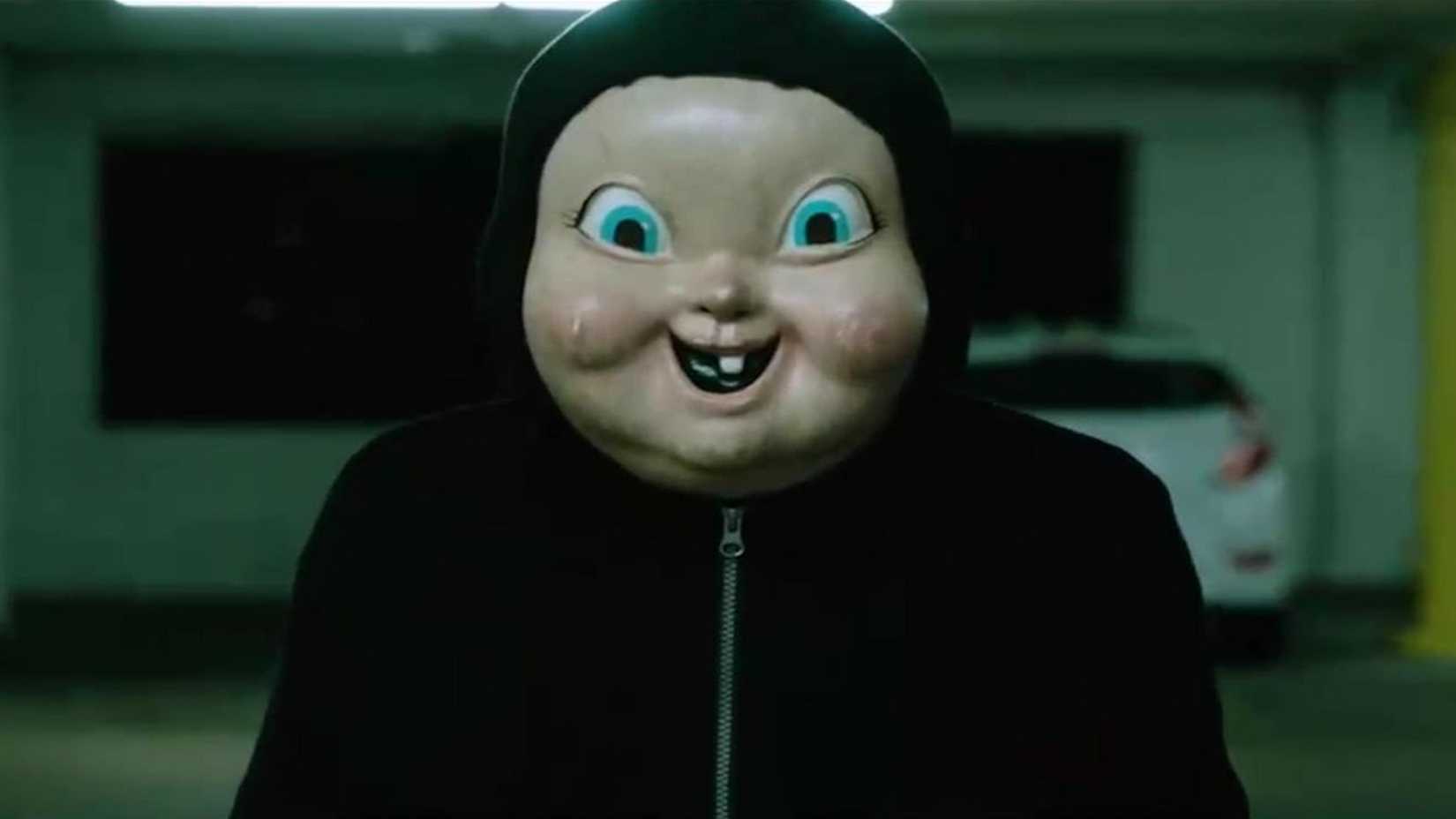
Happy Death Day is a hilarious and clever time loop movie, easily one of the best since Groundhog Day. It features a lot of funny scenes where the main character relives the same day, and her perspective on those around her constantly shifts. Plus, the movie ends with a surprising twist that’s worth seeing!
Donnie Darko Hides Its Time Loop Rules
Written and Directed by Richard Kelly

The film Donnie Darko centers on a troubled teenager, played by Jake Gyllenhaal, who begins experiencing strange visions – which may be glimpses into the future or simply hallucinations. These visions seem to guide him toward preventing a global catastrophe through time travel. The movie suggests these aren’t random, but rather memories from repeating time loops, though it doesn’t explicitly state this.
If you’re curious about the detailed backstory, the book The Philosophy of Time Travel explains everything. However, a key element of the story is that much of the time travel and alternate reality information is discovered through hints, looking back at events, and figuring things out as you go.

Donnie is confused about the events unfolding, and the audience is just as lost, mirroring the feeling of being a teenager who’s beginning to doubt everything. The story makes you wonder if Donnie’s world is even worth fighting for, and if it is, what makes it so?
Most time loop movies make it pretty clear what the main character needs to do to break the cycle, even if the exact plot isn’t obvious. However, Donnie Darko is different – it doesn’t offer that clarity, and that confusion is deliberate and serves a specific purpose.
The Matrix Reloaded Is the Very End of a Time Loop
Written and Directed by Lana Wachowski and Lilly Wachowski
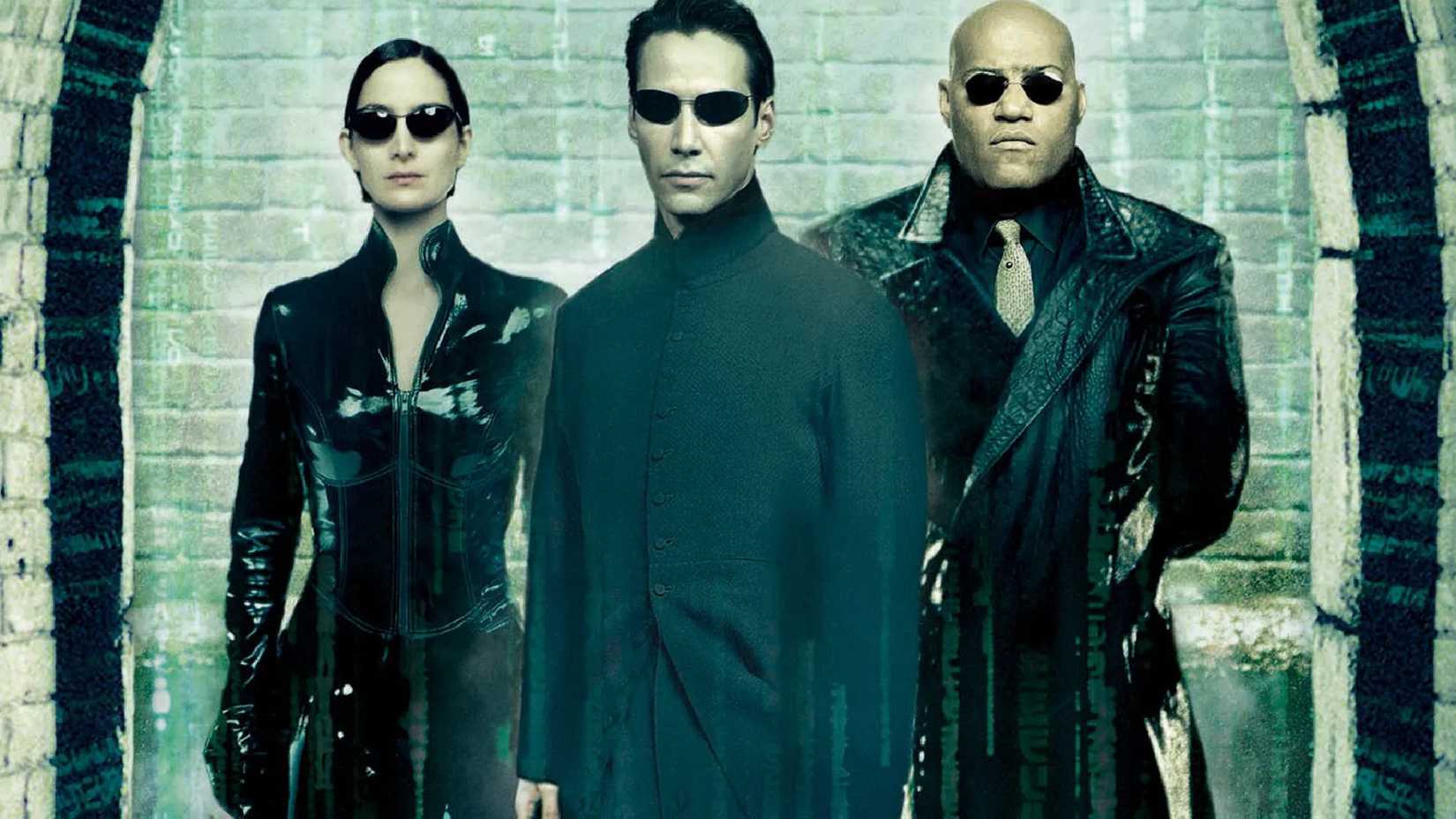
Unlike most time loop films that show the entire cycle, The Matrix Reloaded jumps straight to the conclusion. The first film, and much of the second, established Keanu Reeves’ character, Neo, as ‘The One’ – the predicted savior who will liberate humans from their virtual reality imprisonment.
When Neo confronts the Matrix’s creator, the Architect, he discovers everything he thought he knew is a fabrication – one that has happened countless times before. The Matrix intentionally created the concept of ‘The One,’ and Neo isn’t the first to bear that title – he’s actually the sixth. Each time a ‘One’ reached the Architect, the Matrix would reset itself, starting the cycle anew, and using information from the previous iteration to become even more refined.
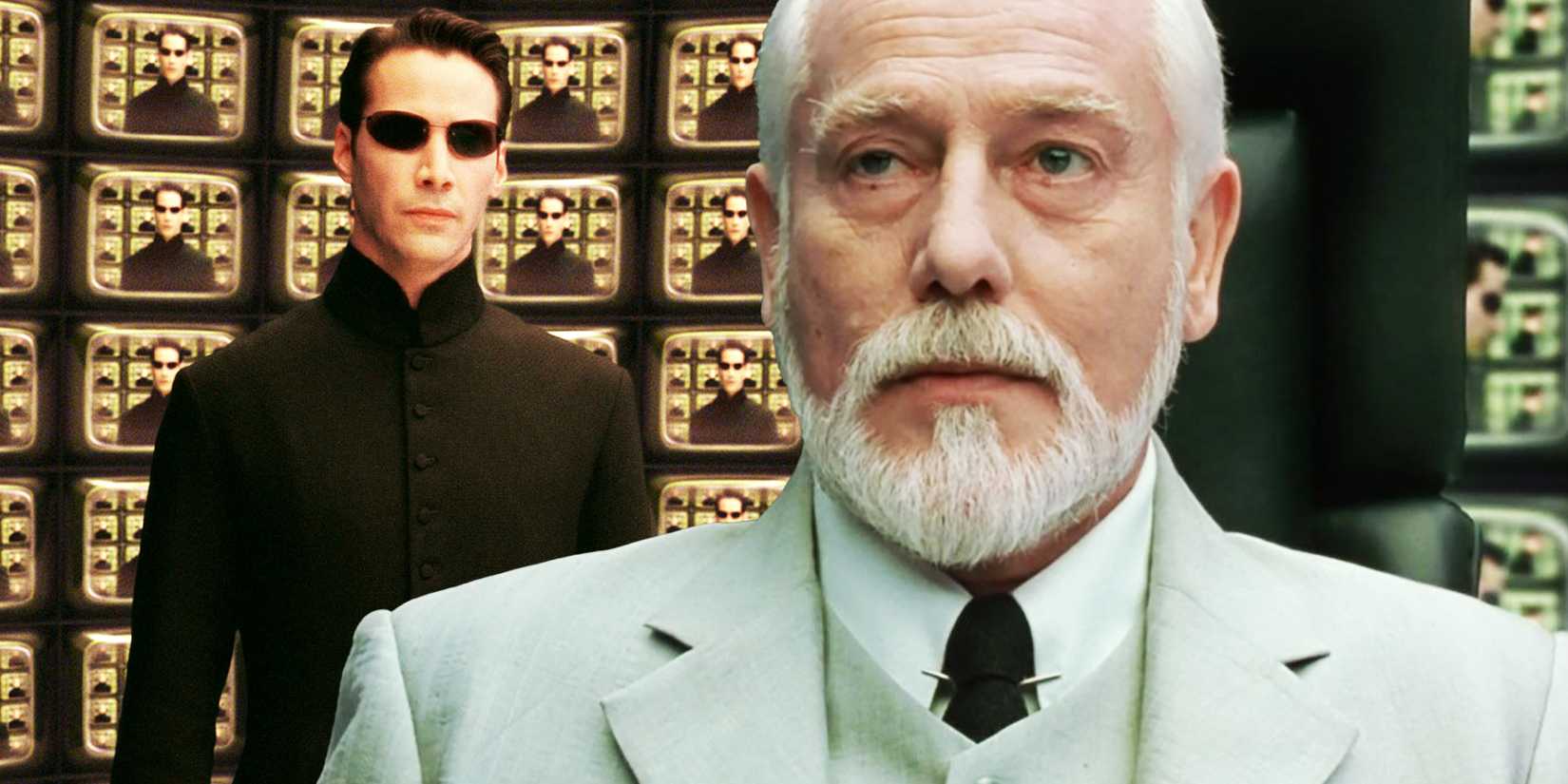
Fortunately, Neo escapes the endless cycle thanks to his love for Trinity, bringing an end to a centuries-old pattern and, for the most part, liberating humanity from the Matrix.
While not everyone loves it, The Matrix Reloaded is a remarkably ambitious sequel. It takes the ideas from the original The Matrix and dramatically increases the scope and complexity, leaning heavily into the realm of serious science fiction.
Timecrimes’ Time Loop Includes All Your Previous Selves
Written and Directed by Nacho Vigalondo

The 2007 film Timecrimes (known as Los cronocrímenes in Spain) features Karra Elejalde as Héctor, a man caught in a repeating time loop. As he figures out what’s happening, he finds himself increasingly conflicted with his past selves.
The movie Timecrimes cleverly expands on its own story, offering satisfying rewards to attentive viewers. Unlike Groundhog Day, where things become increasingly predictable for the time-looped character, Timecrimes constantly shifts Héctor’s viewpoint, making each repeated cycle feel fresh and unexpected.

Both Triangle (2009) and Timecrimes use a similar plot device, but Timecrimes came out earlier and is generally considered more clever in how consistently it follows its own rules about time loops.
Primer Brings Scientific Realism to the Time Loop
Written and Directed by Shane Carruth

The 2004 film Primer centers on Aaron and Abe, played by Shane Carruth and David Sullivan, who accidentally create a machine that allows them to travel short distances through time. They find themselves reliving the same day repeatedly, but their differing views on how to use the technology turn their time-bending invention into a source of conflict.
This inexpensive movie is well-known for its dedication to showing scientific discovery accurately. In the film, the time loop represents what would happen with any invention that completely changes how we understand the world.
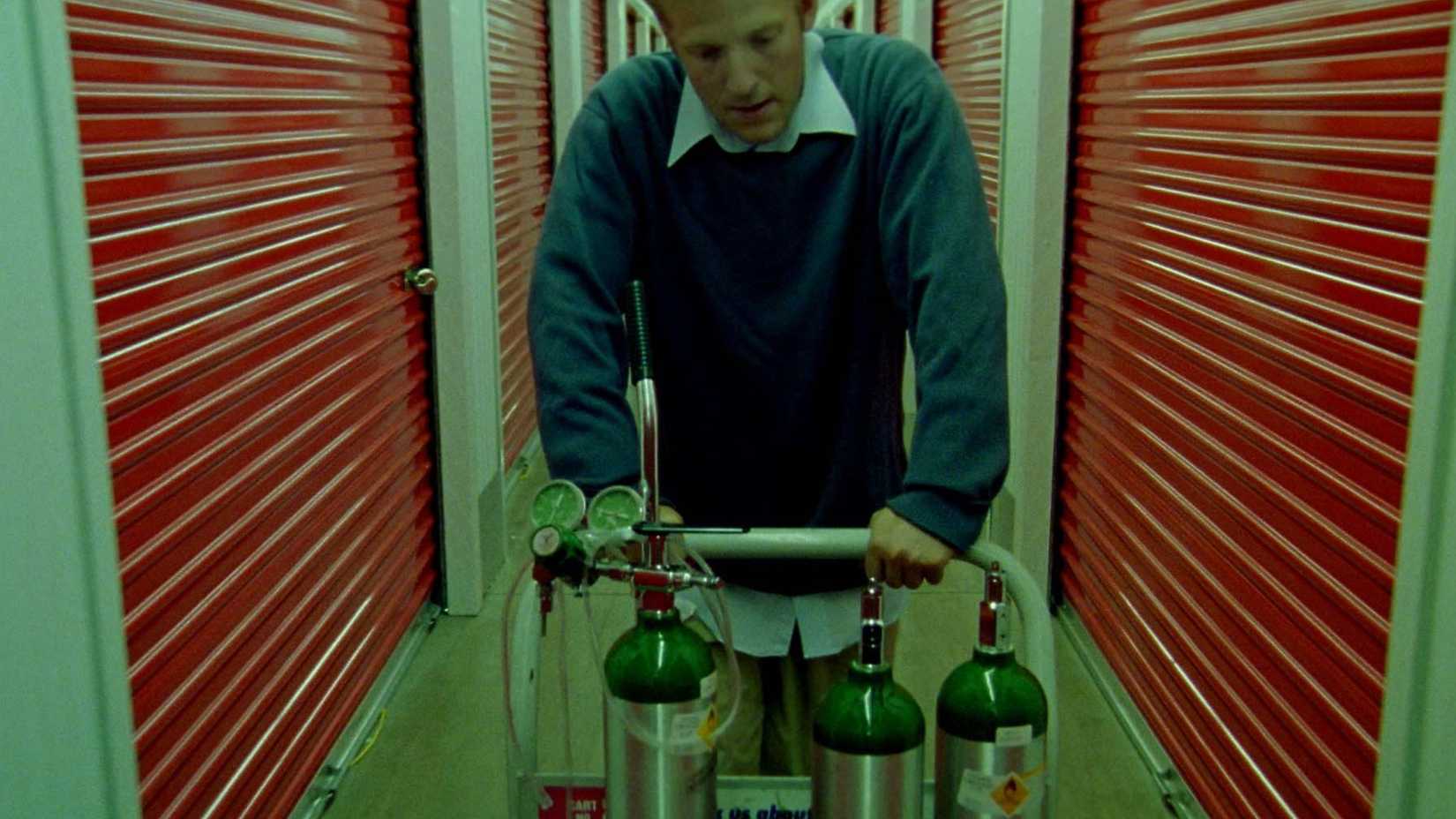
The story heavily focuses on how Aaron and Abe react differently to what they find, and it shows being caught in the time loop as exhausting and risky.
The film beautifully captures the feeling of trying to make a difference, and then realizing those efforts might have had unintended negative consequences. It also subtly explores a coming-of-age story, showing how two friends drift apart as their lives and goals change.
Run Lola Run Makes Its Time Loop a Superpower
Written and Directed by Tom Tykwer

The 1998 film Run Lola Run follows Lola (Franka Potente) as she tries to get money to save her boyfriend. Each time she fails, time resets, similar to losing a level in a video game. Luckily, Lola remembers what happened before and uses that knowledge to try again.
Most time loop films are thoughtful and deliberate, with characters evolving through repeated experiences and self-reflection. However, Run Lola Run stands out as a fast-paced, action-packed film that centers on immediate, tangible challenges.

Unlike most time loop heroes who improve themselves by facing their weaknesses, Lola treats the loop as a special ability. The movie focuses on how her choices affect the people around her.
Read More
- Золото прогноз
- Фунт обгонит доллар? Эксперты раскрыли неожиданный сценарий
- Netflix’s New Psychological Thriller Unchosen Tops Global Streaming Charts
- DC’s ‘Clayface’ Can Redeem Sony’s $2.17 Billion Spider-Man Franchise
- Прогноз криптовалюты ATOM: прогнозы цены ATOM
- Star Trek Permanently Ended the Borg Storyline
- 10 Greatest Movies That Continue TV Shows
- НИТЕЛ акции прогноз. Цена акций NTZL
- Avengers: Doomsday’s New Trailer Reveals The Doctor Doom Fight That Could Kill A Major MCU Hero
- Ryan Reynolds Reveals Deadpool’s Big Change in Next Team-up Movie
2026-04-30 01:14