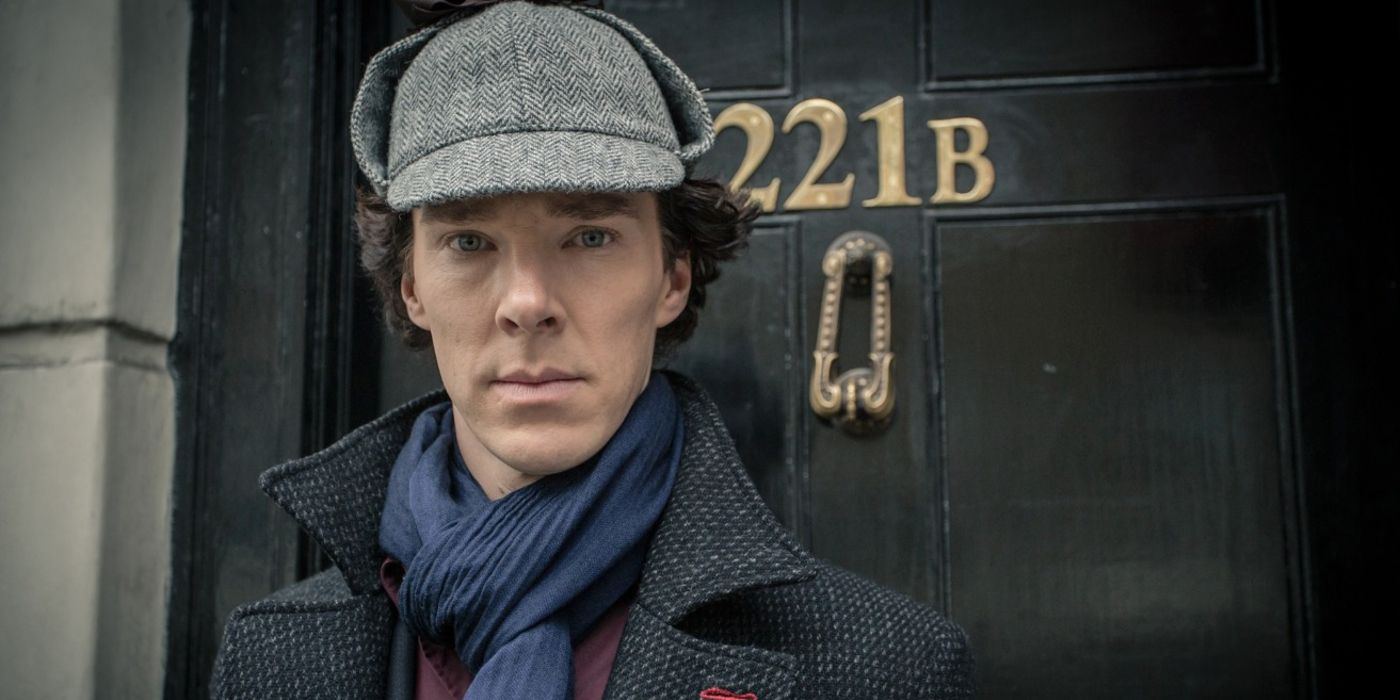
When it first aired in 2010, BBC’s Sherlock quickly became popular, offering a fresh, updated take on the classic detective stories by Sir Arthur Conan Doyle. Benedict Cumberbatch and Martin Freeman were captivating as Sherlock Holmes and John Watson. While the show started strong, particularly in its first two seasons, many viewers feel its quality has decreased in later seasons. The series was created by Steven Moffat and Mark Gatiss.
Even though Sherlock launched the careers of Benedict Cumberbatch and Martin Freeman, revisiting the show today doesn’t quite live up to the original excitement. Some aspects feel outdated, and while it was a huge phenomenon, watching it now isn’t the same as it was back in 2010. The show faced challenges during its final two seasons, which are noticeable in today’s television landscape.
Viewers Never Found Out How Sherlock Survived the Reichenbach Fall
Sherlock was skilled at building anticipation, but the show rarely delivered on the hype. Season 2 ended with a thrilling cliffhanger: Sherlock saved the people he cared about by seemingly sacrificing himself and jumping from a building. The finale, “The Reichenbach Fall,” revealed he had actually survived, secretly hiding in the shadows – a surprising twist considering he appeared fatally wounded just moments before.
It was obvious the detective had cleverly faked his death, creating a body that looked exactly like him and escaping unharmed. Fans waited almost two years for an explanation, but it never truly arrived. The first episode of Season 3, “The Empty Hearse,” was filled with misleading clues, lengthy explanations, and even outright lies, according to Sherlock himself. This became a major letdown for viewers, as the show never revealed how he managed to survive the fall that was supposed to kill him.
The Sherlock Fan Service Is Evident
When Sherlock first aired in 2010, it quickly became incredibly popular, largely thanks to its captivating characters. Benedict Cumberbatch’s Holmes and Martin Freeman’s Watson had amazing chemistry, and fans immediately began hoping they would become a couple, coining the term “Johnlock.” This made sense, as the connection and affection between them were genuinely moving. However, after the second season, the show started focusing too much on pleasing fans rather than developing a strong narrative.
As a huge fan of the show, I always felt like the creators sometimes played it a little too safe. Things like constantly showing Sherlock wrapped up in that coat and scarf, or hinting at the dynamic between John and Sherlock… it felt like they were giving the fans exactly what we expected, maybe even anticipating it. And honestly, knowing the Cumberbatch-mania at the time, they definitely knew what we wanted! But looking back, it feels like they leaned into the fan service a little too hard, and it makes rewatching a bit awkward now – it’s just so obvious.
Mary Watson’s Character Became Too Important, Too Quickly
A major problem with the show Sherlock was the introduction of Mary Watson, John’s wife, and the revelation that she had a secret, dangerous past. While Mary wasn’t a bad character, she received so much focus that she often overshadowed the central relationship between Sherlock and John. The story shifted away from their partnership, as John became secondary to Mary’s storyline after her true identity was revealed.
Sherlock unexpectedly began including Mary in everything he did, rather than John, which felt strange. His decision to shoot Charles Augustus Magnussen to protect Mary was shocking—he’d never taken such a drastic step for John, but he did it for his wife. Despite her hidden betrayal, Mary’s presence was a positive change.
Moriarty’s Early Exit in Sherlock Season 2 Was a Mistake
Andrew Scott’s portrayal of Jim Moriarty was captivating – he was unpredictable, unsettling, and surprisingly funny. He was a truly unique villain, and the show Sherlock shouldn’t have killed him off so early in Season 2. The way he died – shooting himself – felt abrupt and lacked the weight his character deserved.
As a critic, I have to say Moriarty was a truly spectacular villain. The chaos he unleashed – especially when he manipulated the public into believing Sherlock Holmes was the instigator – was breathtaking. Honestly, from a storytelling perspective, it would have been so satisfying to see that rivalry play out to its natural conclusion, with Holmes finally taking down Moriarty as the ultimate showdown. Keeping him alive until the very end would have been perfect.
After Moriarty’s death, the show struggled to create a villain who measured up. Attempts to keep him present through Sherlock’s imagination and flashbacks felt forced and ultimately disappointed viewers, who felt a compelling character was being underutilized.
Sherlock Started Focusing Too Much on Drama Instead of Crime
At its core, Sherlock was a detective show centered around solving seemingly impossible crimes using brilliant deduction. The first two seasons were particularly successful because they prioritized the mysteries themselves and how Sherlock cracked the cases. Episodes like “A Study in Pink” and “The Hounds of Baskerville” were full of suspense and focused on the crimes being investigated.
Starting with Season 3, the show unfortunately relied too much on emotional drama. While the connection between Sherlock and John, and Mary’s actions, were key parts of the story, the later seasons focused more on relationships and feelings than on actual crime-solving. The mysteries became less important as the show prioritized dramatic storylines and personal issues.
Sherlock’s Mind Palace Seems Cringey in Retrospect
As a huge cinema fan, I always thought the way they updated Sherlock was brilliant. They used these really cool, modern visuals – like words floating around on screen – to show us what was going on inside Sherlock’s head. It was basically a peek into his ‘mind palace,’ which he’d created as this incredible archive of everything he knew. He could essentially ‘walk’ through this mental space whenever he needed to, and almost always find the answers he was looking for. It was a really effective way to show his thought process!
Initially, the idea of Sherlock’s ‘mind palace’ was a thrilling part of the show and involved a lot of impressive visuals. But after being used repeatedly over four seasons, it now feels dated and awkward to watch. The scenes where time slowed down and Sherlock interacted with people in his mind palace, once exciting, are now difficult to enjoy.
Each Season of the British Crime Show Was Too Short
When the show Sherlock was popular, viewers often had to wait a long time between seasons to find out what happened next. While each season had longer episodes, there were fewer of them overall, and that can still be frustrating for fans even now.
Despite its popularity, Sherlock didn’t fully live up to its potential because each season only had three episodes, with an occasional special. This short format left fans wanting more and created a sense of disconnect for new viewers, who might find the story feels rushed or lacks consistent development. More episodes would have allowed the show to explore its characters and storylines more thoroughly.
Sherlock Season 4 Was a Disappointment
The main issue was that the show didn’t have a satisfying conclusion. The final season focused too much on Sherlock’s personal feelings and past, instead of giving fans the intriguing mysteries they expected. Plus, the sudden introduction of Eurus Holmes, Sherlock’s previously unknown and disturbed sister, felt forced and wasn’t well-handled.
This season drastically changed established storylines, including details about Sherlock’s childhood and the true identity of the main villain. The show quickly revealed Eurus as the mastermind, suggesting Moriarty was merely a tool she used, which felt rushed and unbelievable. Ultimately, the season felt more confusing than insightful, and knowing how the series ends diminishes the impact of its earlier, stronger episodes. Even a seemingly sweet montage of Sherlock and John’s years fighting crime frustrated viewers, leaving many hesitant to continue watching.
Found an error? Send it so it can be corrected.
Read More
- Золото прогноз
- 10 Greatest Movies That Continue TV Shows
- DC’s ‘Clayface’ Can Redeem Sony’s $2.17 Billion Spider-Man Franchise
- Netflix’s New Psychological Thriller Unchosen Tops Global Streaming Charts
- Прогноз криптовалюты QNT: прогнозы цены QNT
- 5 Things About Reacher That Make No Sense
- Avengers: Doomsday’s New Trailer Reveals The Doctor Doom Fight That Could Kill A Major MCU Hero
- Star Trek Permanently Ended the Borg Storyline
- Фунт обгонит доллар? Эксперты раскрыли неожиданный сценарий
- Star Wars: Maul – Shadow Lord Finally Made the Inquisitors Scary
2026-04-29 19:18