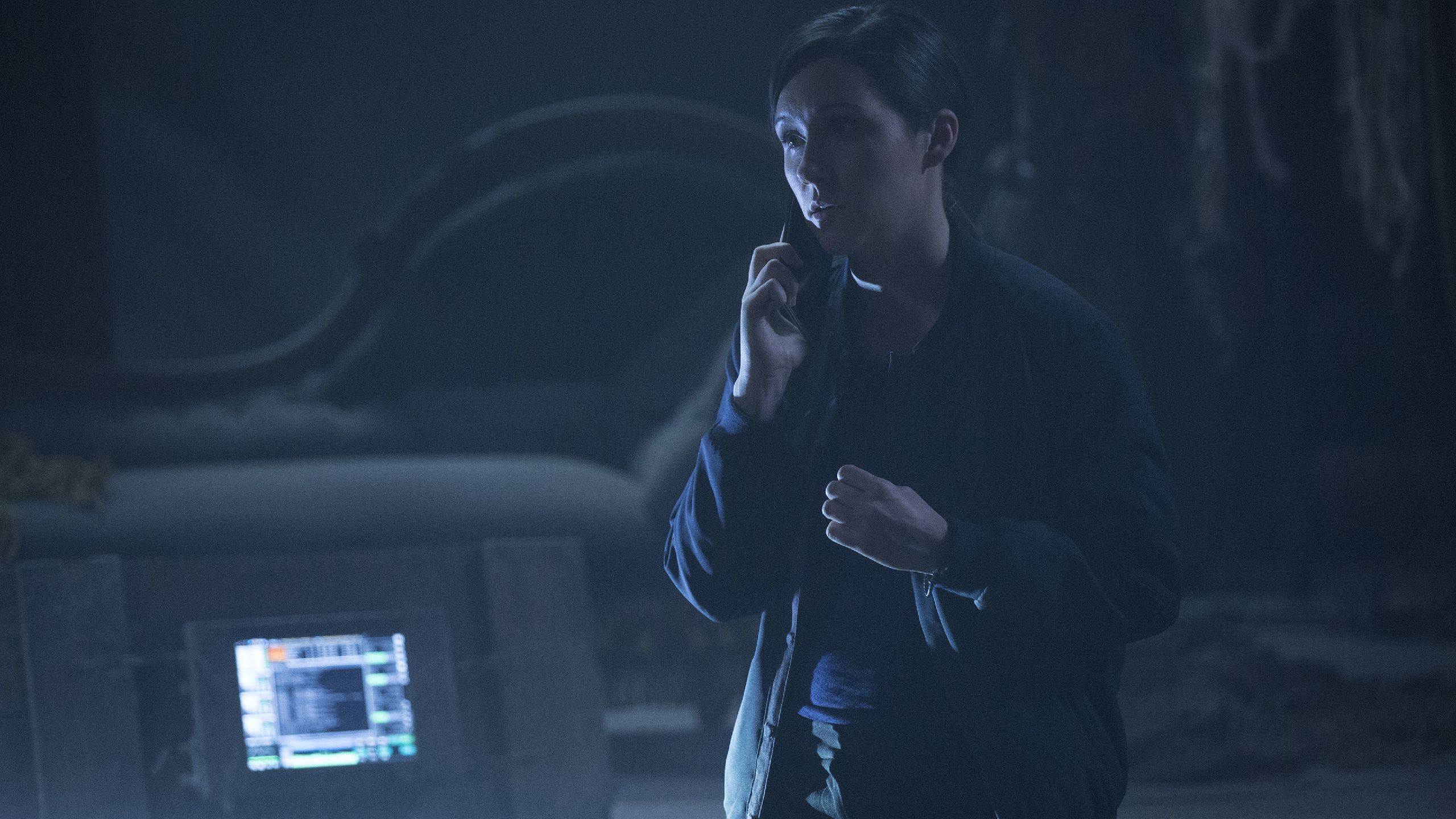
HBO has tried several times to find a show as popular as Game of Thrones. One sci-fi series initially succeeded by drawing inspiration from films like Inception and the TV show Lost, but ultimately went too far with its complex storytelling. After Game of Thrones became a huge hit for HBO, many other shows tried to replicate its success. A number of these adult-oriented fantasy and sci-fi programs were actually quite good.
Shows like Outlander, The Legend of Vox Machina, Arcane, Interview with a Vampire, The Witcher, and Castlevania all benefited from the popularity of Game of Thrones. This influence extends to Game of Thrones’ own spin-offs, House of the Dragon and A Knight of the Seven Kingdoms. Even HBO’s new Harry Potter series is investing heavily in adapting popular fantasy novels, largely due to the massive success of the Game of Thrones franchise.
It’s not surprising that the 2016 series Westworld was an early and ambitious effort to combine the complex narratives of Game of Thrones with a science fiction setting similar to the films Inception (directed by Christopher Nolan) or the TV show Lost. Based on the novel and 1973 film of the same name by Michael Crichton (author of Jurassic Park), Westworld centered on a futuristic theme park.
Westworld Was Clearly Meant To Be HBO’s Game of Thrones Replacement
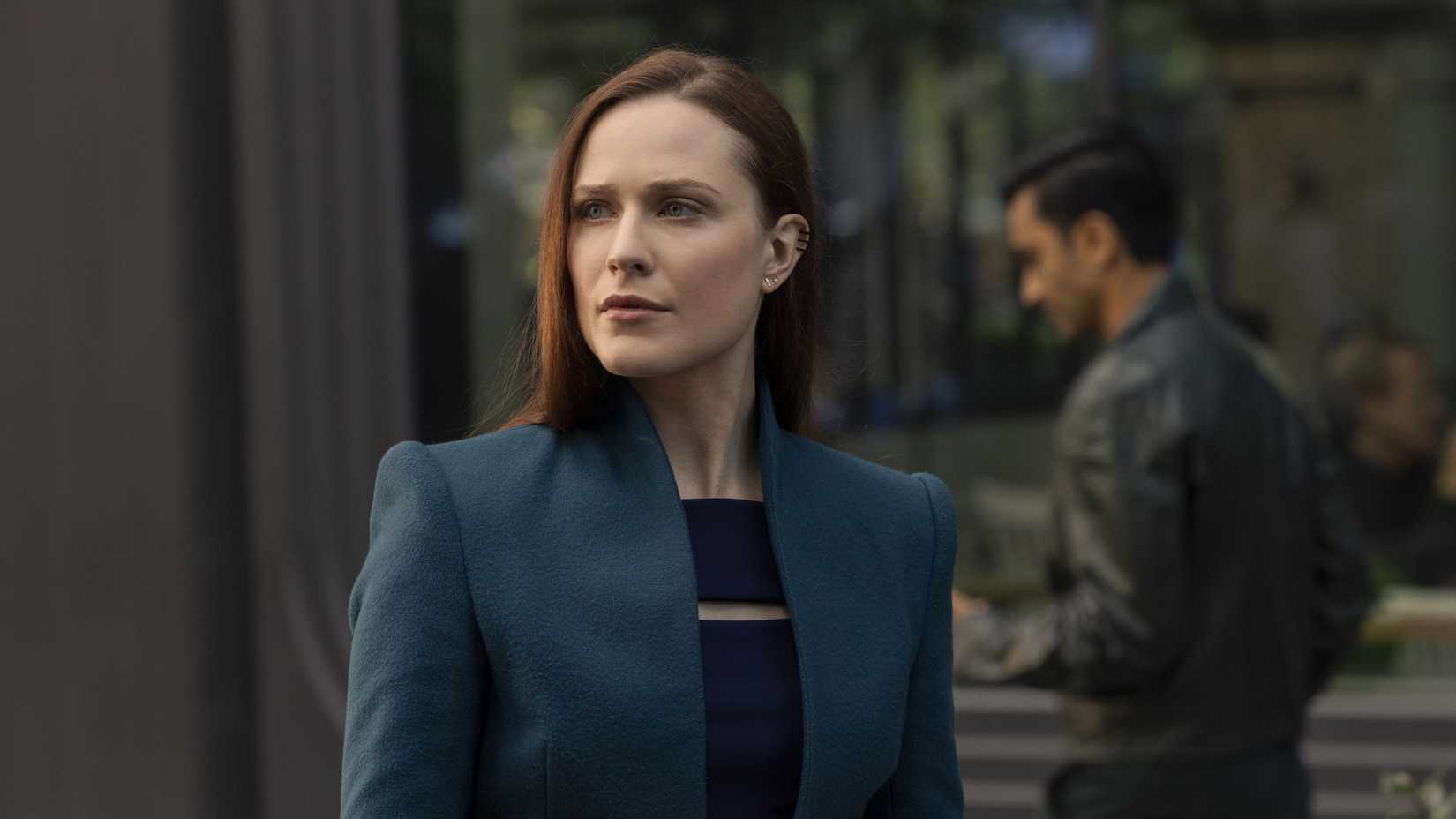
In the original “Westworld” experience, guests were free to do whatever they wanted to the lifelike robot “Hosts,” embracing the lawless spirit of the Wild West and even indulging in cruel behavior. This setup naturally led to stories about the robots fighting back against their programming, a concept famously parodied in an episode of The Simpsons. While the 1973 film and the original novel focused on this rebellion, HBO’s series offered a more deliberate, intricate, and nuanced exploration of the same basic idea.
Similar to Lost, Westworld skillfully played with time, jumping between the park’s present and future. This created many surprising reveals, often blurring the lines between human characters and the lifelike hosts. Throughout its first season, Westworld masterfully built suspense like Lost, weaving together different storylines and offering just enough hints to keep audiences engaged without giving away the full picture.
Westworld’s Complexity Made HBO’s Sci-Fi Great (And Then Ruined The Show)
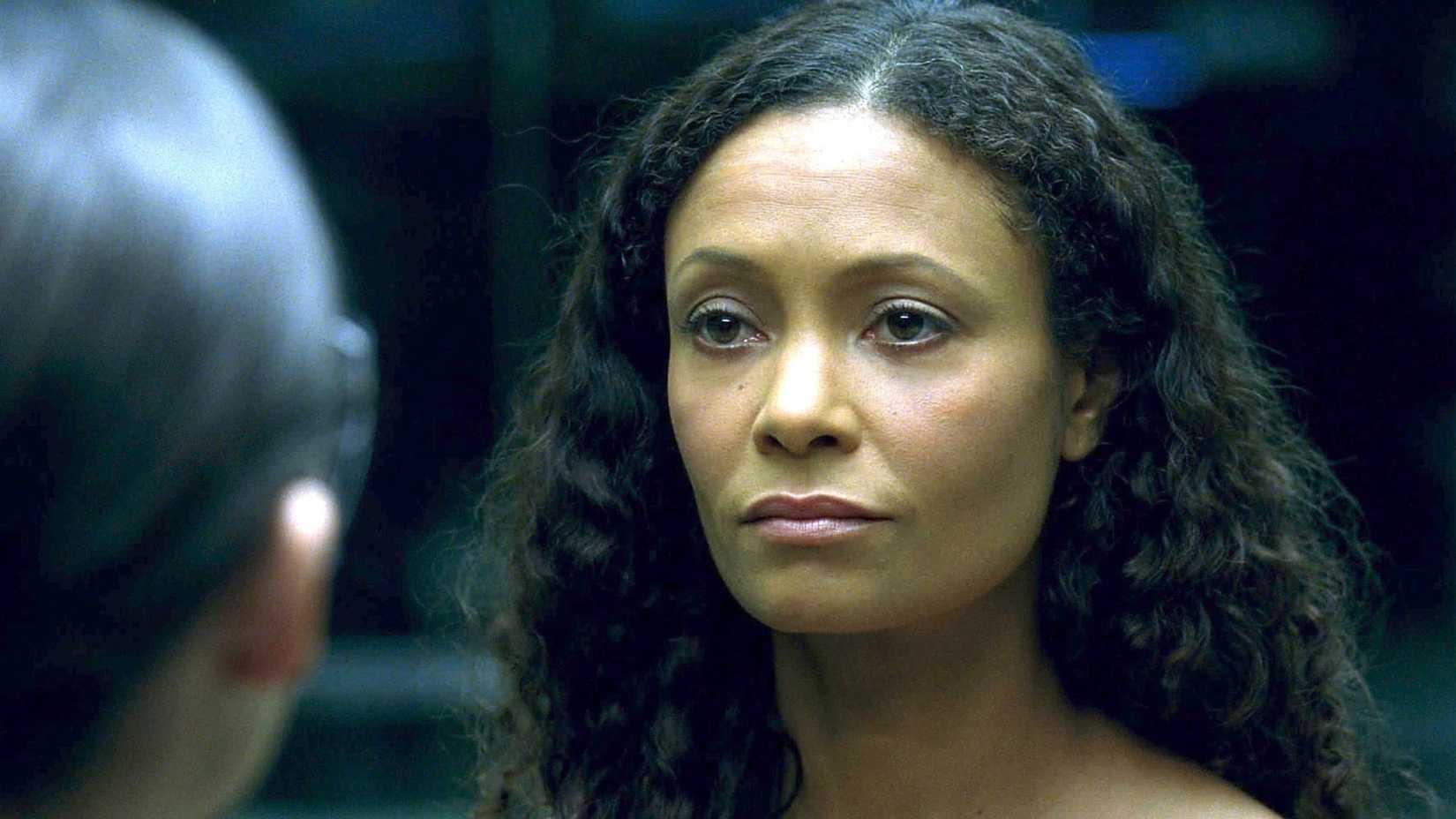
While comparisons were made between Westworld and shows like Game of Thrones, Lost, and the film Inception, these comparisons ultimately highlighted what made each of those stories unique. Inception had a complex plot, but its relatively short length allowed for some resolution. Game of Thrones, despite its many characters and intricate storyline, avoided confusing flashbacks or time jumps.
Game of Thrones avoided flashbacks because the show already had so many storylines to follow. Adding flashbacks would have made it even more confusing. Unfortunately, the creators of Westworld didn’t seem to learn this lesson when they adapted the original story. As a result, Westworld became complicated in two ways: it featured a large cast of characters and constantly switched between two different time periods, often without clear direction.
Okay, let me tell you about Westworld. It started incredibly strong – I was totally hooked! But it quickly began to feel like it was falling apart. Season 2 definitely showed cracks in the storytelling, and by Season 3, a lot of fans, myself included, had checked out. While shows like The Handmaid’s Tale can sometimes feel a little too familiar, Westworld took the opposite approach, trying to be so complex – blending elements of Inception, Lost, and even Game of Thrones – that it became a mess. Honestly, I found myself wishing the characters would just say the same things over and over again, just so I could try and figure out what was going on!
Read More
- Прогноз криптовалюты ATOM: прогнозы цены ATOM
- John Wick-Style WWII Action Thriller Sisu Takes Netflix by Storm
- Titus Welliver Cast In Season 4 Of Netflix’s Night Agent
- Avengers: Doomsday’s New Trailer Reveals The Doctor Doom Fight That Could Kill A Major MCU Hero
- If You Love Complicated Time Travel Movies, You Should Watch This 2004 Indie Film
- Золото прогноз
- Prime Video’s Bosch Hit Shows Young Sherlock & Reacher How It’s Done
- ‘Malcolm in the Middle: Life’s Still Unfair’: Disney’s No. 1 in the World Revival Series Continues a Promising TV Trend
- The Boys Race To Find V1 As Another Fight With Homelander Looms In Episode 4 Trailer
- Why Martin Scorsese Refused to Watch The Sopranos (& Quit After 1 Episode)
2026-04-28 19:13