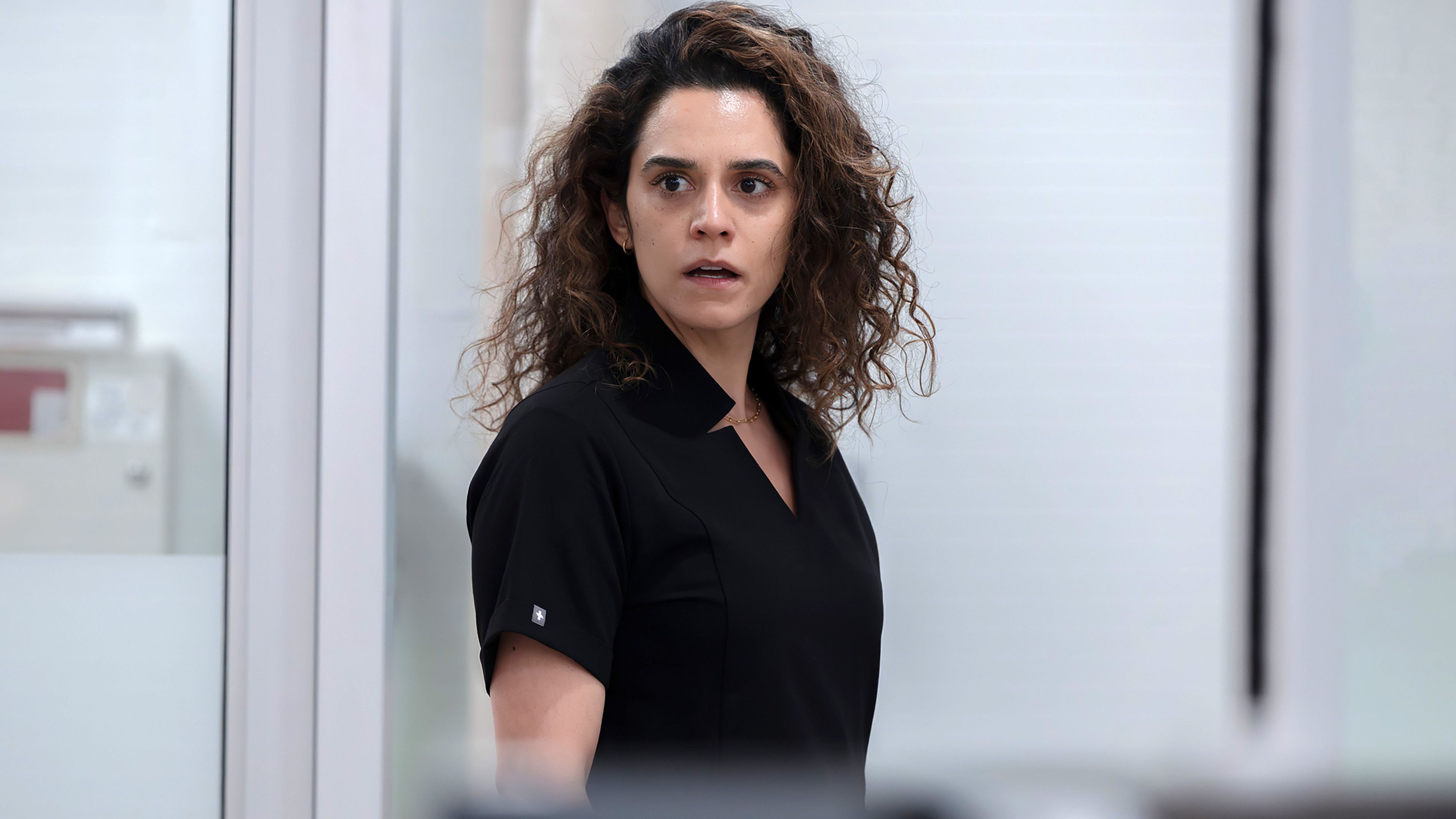
Be warned, this contains spoilers for season 2 of The Pitt! While Dr. Baran Al-Hashimi appeared calm throughout the season, actress Sepideh Moafi reveals her character was actually experiencing a lot internally.
Joining the cast of the HBO Max medical drama, Al-Hashimi plays a new doctor who steps in as the head physician while Dr. Robby takes a three-month leave. She tries to make small improvements to the emergency department, like using AI to speed up treatment and create a better work environment, but she’s also dealing with the return of a childhood seizure disorder.
Sepideh Moafi, known for her roles in The Deuce and The L Word, has received positive feedback for her performance as Al-Hashimi in season 2 of Pitt. Critics have particularly noted the interesting relationship between her character and Robby, as well as her nuanced portrayal of her illness. Moafi has also been commended for bringing a fresh, more introspective energy to the emergency department, offering a contrast to the other residents with her calm and thoughtful demeanor.
Before the season finale, Grant Hermanns from ScreenRant spoke with Sepideh Moafi about season 2 of The Pitt. Moafi described both the show and her character as existing under constant pressure. She admitted she couldn’t imagine being a doctor, considering the immense amount of information they need to remember, while also remaining calm and focused on finding solutions, even during stressful situations.
Sepideh Moafi explains that being a good doctor means prioritizing patients and putting their needs first. These doctors are always learning and seeking ways to provide care and support. Her character embodies this selflessness, shaped by experiences working in challenging environments like war zones. In those situations, there’s no room for personal distress; it’s all about focusing on survival – both for oneself and for those needing help.
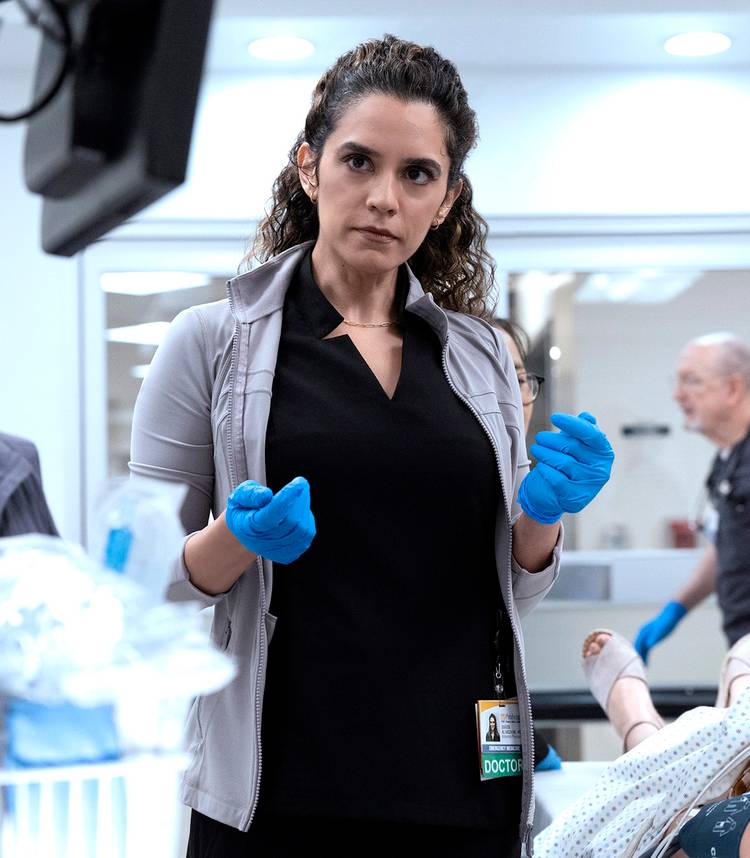
Moafi explained that portraying Al-Hashimi’s composure during the intense second season of The Pitt became more difficult as she researched the realities of being a doctor. Learning about the demands of the profession and talking to doctors working in humanitarian aid didn’t necessarily make it easier, as these experiences were very different from her own. However, she did find a way to connect with the role, allowing her to understand and embody the mindset, empathy, and character needed to realistically play an emergency room physician.
According to Moafi, a key challenge is the constant pressure to hide one’s true feelings. She explains that doctors in incredibly stressful environments, like the hospital in The Pitt, feel they must maintain a composed exterior to prevent things from falling apart. Characters like Dr. Al-Hashimi are therefore constantly working to support a failing system while also being in a perpetual state of high alert and adrenaline.
Moafi said playing Baran was surprisingly easy because the production of The Pitt felt so real. She simply had to react to her surroundings, and the intensity of the role came naturally, both from the immersive environment and her preparation for the part.
Sepideh Moafi explained that a key part of her performance involved deciding how much to reveal and when, which varied depending on the scene. For example, in episode 7, there’s a scene with Dr. Javadi and Dr. Al-Hashimi speaking with Jackson David’s parents. Director Uta Briesewitz added a subtle moment – now understandable after seeing episode 15 – where the character begins to feel something is off. She excuses herself, goes to the restroom, and calls her neurologist. Moafi credits Briesewitz’s direction for allowing the audience to catch a glimpse of what’s happening internally at that time.
Moafi described how she portrayed Dr. Al-Hashimi’s seizure disorder, explaining that during close-up shots, she subtly acted as if she were experiencing nausea or difficulty swallowing. This was meant to represent an “aura,” the sensation people with seizure disorders often feel just before a seizure begins.
She highlighted how important director Briesewitz’s choice was – he directed four episodes of The Pitt’s second season – to use close-up shots during these scenes. She explained that “without those close-ups, the story wouldn’t fully convey the emotional impact.”
Sepideh Moafi describes acting as a careful balance of revealing and concealing. In everyday life, we tend to hide our true selves and put on a performance. That’s what makes filming so interesting – the camera allows you to see beneath the surface and capture more subtle emotions because it focuses so closely.
There’s A Reason Robby & Al-Hashimi’s Dynamic Isn’t Just One Thing
ScreenRant asked the actor about joining the show for its second season. They knew he’d previously expressed his love for the first season and were curious about his initial reaction to the project. They wanted to know if he felt excited, nervous, or overwhelmed by the complex medical terminology he’d have to learn for his role.
I was definitely feeling a lot of things when I joined the show! I was excited, a little overwhelmed, and it felt strange because I’d only stepped into an existing show once before, and it didn’t have nearly as large a fanbase as ‘The Pitt’. I was already a big fan of the show, and it really matched what I’ve always wanted from my career – to be part of stories that tackle important social and political issues and connect with audiences emotionally. The way ‘The Pitt’ portrays the healthcare world, the complexities of the medical system, and the challenges within it really resonated with me. I was thrilled to join, but also a bit nervous, especially coming in as a new senior doctor alongside Noah Wyle, who’s played doctors for so long and is incredibly skilled. I’ve never played a doctor before – I played a psychiatrist once, but that’s the closest I’ve come.
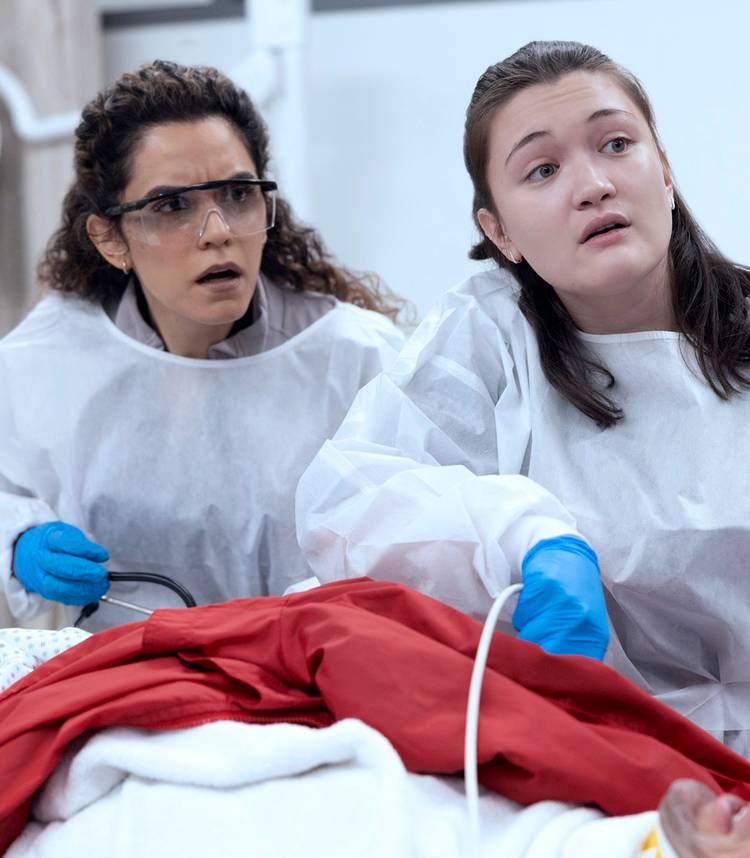
I understood I wasn’t hired for my medical expertise, but as an actor. So I approached the role like any other – by thoroughly analyzing the script for character clues and using it as a guide. I relied heavily on the show’s team of medical advisors, nurses, and doctors – many of whom were real-life professionals and even appeared on screen. It was a really exciting experience, and I thrive on challenges. I don’t want to start a project thinking it will be easy. This role was particularly unique because the character had such extensive medical knowledge and experience, but she was also very reserved – quite different from characters I’ve played before, like Loretta in The Deuce or Gigi in The L Word. I saw it as building something complex over the season, slowly revealing more about her until the final episode. I haven’t seen the finished show yet, but the scripts showed her gradually opening up and expressing herself more.
ScreenRant asked about the relationship between the two characters this season, noting a contrast with Dr. Robby’s struggles. They pointed out that the dynamic between the characters is constantly shifting – sometimes competitive, sometimes respectful, and even occasionally friendly. The interviewer wanted to know how the actor and Noah worked together to develop that complex relationship throughout the season.
From the very beginning of working with Noah, there was an instant connection. During our first rehearsal, he recognized the strength of my performance and suggested we film the scene immediately, trusting the natural chemistry we had. After years of experience, I’ve learned to appreciate actors who are playful and collaborative, and Noah was definitely that. It wasn’t about ‘getting the job,’ but about exploring what we could create together. We quickly established a playful, creative relationship focused on experimentation.
Stepping onto set felt natural, as I understood my character and was excited to build on what Noah had already established with his character in the first season. We didn’t spend a lot of time discussing our approach; instead, we let the scene, the dynamics between us, and the energy of the moment guide us. We filmed each scene multiple times, and I’m thrilled that I’ll be watching the episodes as a viewer, genuinely surprised by the final cut.
That level of spontaneity requires trust, and working with a director like John Wells makes that easy. He’s incredibly experienced, but more importantly, he genuinely cares about creating a supportive environment for actors. He knows when to guide and when to allow space for improvisation. It’s a combination of all these factors – a collaborative partner, a sensitive director, and a willingness to take risks – that ultimately brings the performances you see to life. Sometimes you’ll agree with the director, sometimes you won’t, but those interactions always contribute to a richer, more nuanced performance.
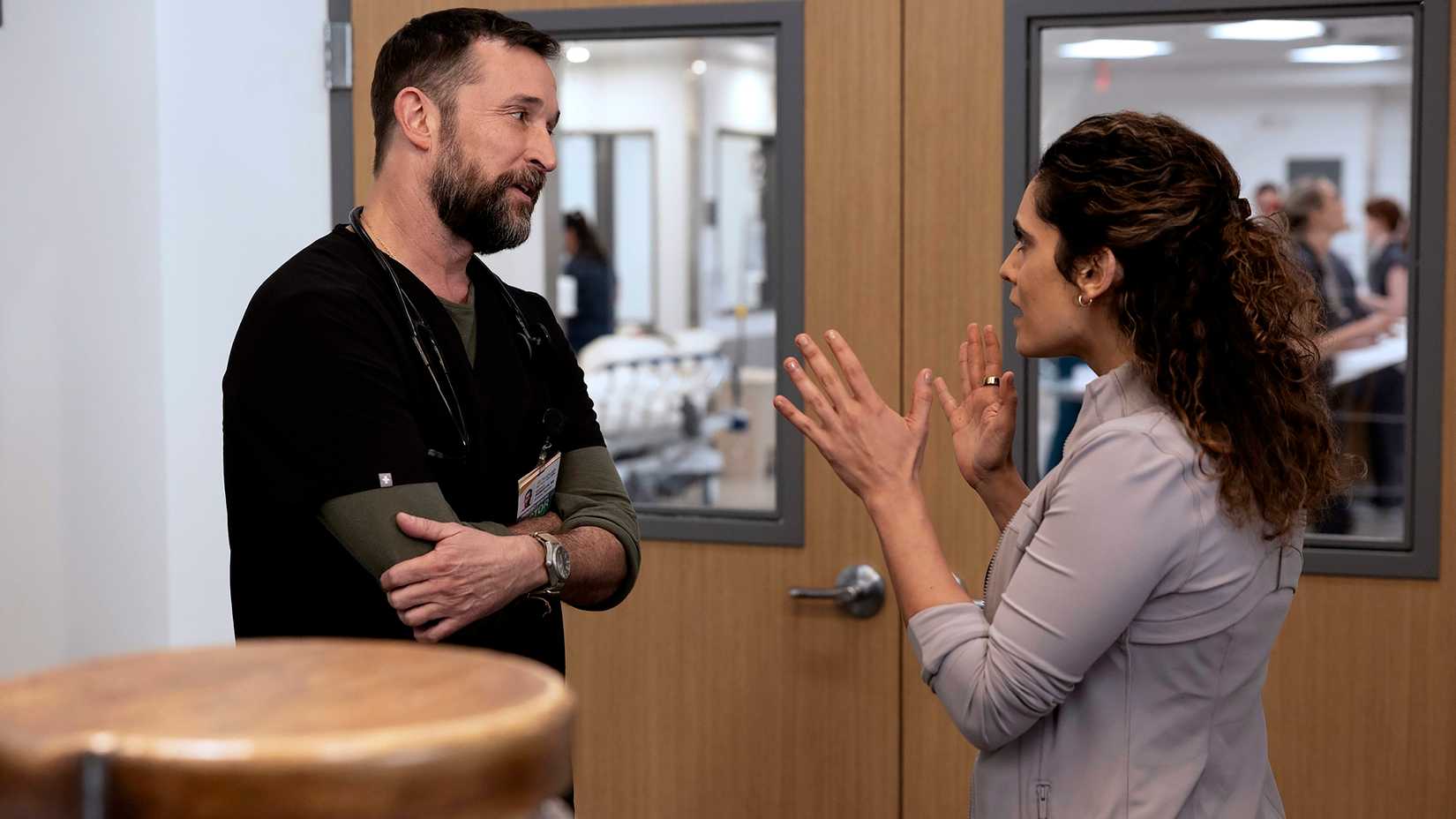
Because ‘The Pitt’ is set in a place where anything could happen, it’s important for the actors to have a close, collaborative relationship with the director. Being inflexible just wouldn’t work in that kind of environment.
I’m incredibly grateful for the chance to fully immerse myself in different worlds and lives through acting. While we focus on the details of a character, those details always connect back to universal human experiences – things like pain, struggle, and mental health. You don’t need to be a medical professional to understand those feelings; we all face challenges, whether it’s past trauma, difficult family relationships, or managing health issues. These aren’t unique to the characters I play; they’re things we can all relate to. That ability to step into someone else’s shoes, then step back out with a deeper appreciation for life, is the greatest gift of acting. It allows me to truly connect with a role and then use my voice to support people who often aren’t heard. I’m thankful that the show, and even the timing with COVID, brought attention to the struggles of healthcare workers, and I have so much respect and love for our healthcare community.
Be sure to dive into some of our other Pitt season 2 coverage with:
- Taylor Dearden talking Mel’s Pitt season 2 ending shocker and what it means for season 3
- Dearden on how Mel & Langdon’s friendship breaks a long-standing TV tradition
- Dearden opening up about Mel & Becca’s family breakdown
- Dearden sharing her honest thoughts on fans shipping Mel & Langdon
- Dearden offering an encouraging update on The Pitt season 3’s filming timeline and release window
- Dearden on what Mel & Santos’ surprise team-up means for the show’s future
- Jalen Thomas Brooks addressing his potential Pitt season 3 return after his reduced season 2 role
- Brooks explaining why Mateo’s change to the night shift is important for the show
- Brooks weighing in on Mateo & Javadi shipping
- Brooks explaining the difference between day shift and night shift in The Pitt
- Sepideh Moafi talking Robby’s threat against Al-Hashimi regarding her diagnosis and what it means for season 3
- Moafi on why Al-Hashimi initially trusted telling Robby about her diagnosis
- Noah Wyle acknowledging that “America’s really mad” at him for Robby’s behavior in The Pitt season 2
Read More
- ЭсЭфАй акции прогноз. Цена акций SFIN
- ДВМП акции прогноз. Цена акций FESH
- 20 Years Later, Twilight’s Robert Pattinson Just Noticed A “Strange” Acting Choice For One Edward Cullen’s “Vampiric Thing”
- Мосэнерго акции прогноз. Цена акций MSNG
- 3 Best Netflix Shows To Binge-Watch This Weekend – #1 Is A Surprise Hit Crime Thriller Trending Worldwide
- CBS Retcons NCIS’s 18-Year History By Breaking 1 Trend
- Bryan Cranston’s Highly-Anticipated Comedy Revival Becomes American Streaming Sensation 20 Years After Original Series Ended
- Warner Bros. Finally Adapting Epic Sci-Fi Novel That Took 27 Years To Become Bestselling Hit
- 10 Amazing Modern Anime That Look Like They Were Made in 1995
- ‘Ozark’ Is the Only True ‘Breaking Bad’ Successor
2026-04-18 01:47