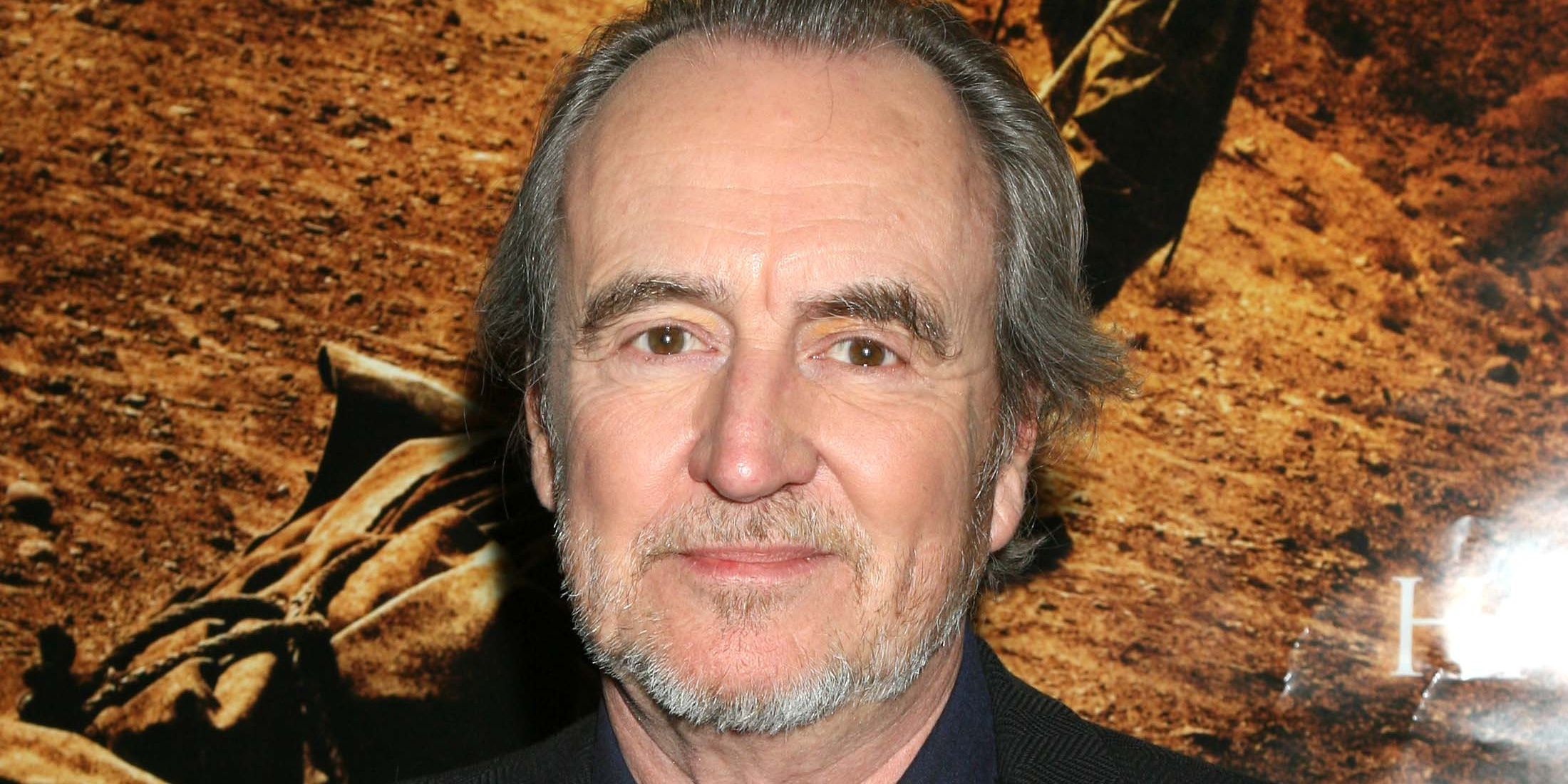
The recent Scream movie has brought renewed attention to the work of Wes Craven, and his influence on horror films is hard to overstate. However, he also directed a significant Western in the 1970s that often gets overlooked despite its quality.
Wes Craven is so well-known for horror that many fans might not realize he also directed a Western. And because his take on the Western is so unique, some viewers might not even recognize it as one. Either way, Craven’s clever blending of genres is worth acknowledging.
How The 1970s Changed Cinema
The 1970s brought big changes to American movies. Restrictions on content loosened, letting filmmakers show more sex and violence than before. This new freedom allowed for groundbreaking films like A Clockwork Orange, The Godfather, and Taxi Driver. You could especially see this shift in the rise of gritty, low-budget horror movies.
Hollywood’s view of Westerns shifted dramatically around the same time. The American Indian Movement (AIM) highlighted the long history of stereotypical portrayals of Native Americans in films during the 1970s. This led filmmakers to widely question the traditional themes of the Western genre. As a result, Hollywood began releasing thought-provoking films like High Plains Drifter that presented the frontier as a harsh and often brutal environment.
The way Native Americans were shown in movies and music began to change, with popular songs like Paul Revere & the Raiders’ “Indian Reservation (The Lament of the Cherokee Reservation Indian)” and Cher’s “Half-Breed.” While these songs weren’t flawless, they reflected a growing sense of empathy and a shift in public perception.
Wes Craven’s Movies Remain Influential
Wes Craven launched his directing career with a disturbing thriller that felt particularly shocking, even for the gritty “grindhouse” films of the era. His next film, The Hills Have Eyes, blended the storyline and ideas from his earlier work, The Last House on the Left, with the style of Westerns that were being reimagined in movies at the time.
The movie The Hills Have Eyes follows the Carter family, who are struggling with their relationships and decide a road trip might help. Unfortunately, they get lost in the Nevada desert and are hunted by a savage family of cannibals who have been living in isolation. As the situation escalates, the Carters are forced to fight back, leading to a shockingly intense and disturbing ending.
At first glance, The Hills Have Eyes doesn’t appear to be a Western. It’s set in the present and lacks typical Western elements like cowboys and Native Americans. However, a closer look reveals that the film actually uses and challenges many common themes found in Westerns.
The Hills Have Eyes Has a Much Deeper Meaning
Westerns frequently focus on characters who live outside the rules of normal society, and The Hills Have Eyes is a prime example. The film shows how quickly people abandon civility when they’re fighting for survival and removed from the constraints of everyday life.
Westerns made in the 1970s frequently presented main characters who weren’t traditional heroes. For example, the protagonist in High Plains Drifter acts so badly that viewers might start to feel sorry for his opponents. The Hills Have Eyes explores similar themes; as the Carter family becomes increasingly violent, it becomes difficult to distinguish them morally from the people they’re fighting.
A shift towards moral complexity was typical of Western movies made in the 1970s. Classic Hollywood Westerns usually presented a clear distinction between heroes and villains. However, over time, filmmakers began to question the traditional morality of the Old West, and characters like cowboys and frontiersmen were no longer portrayed as simply ‘good guys’.
As Americans experienced the Vietnam War, public opinion began to shift, and people started to feel more empathy for the historical mistreatment of Native Americans. The war caused many to question America’s image of itself, drawing parallels between the conflict and the damaging Frontier Wars of the 1800s, which had a devastating impact on numerous Native American tribes.
The Hills Have Eyes Has a Complicated Real-World Impact
While the cannibalistic family in The Hills Have Eyes isn’t meant to represent Native Americans, the film still relies on harmful and prejudiced stereotypes about Indigenous people. The characters are depicted as unintelligent and commit horrific acts, including sexual violence, which unfortunately echoes negative and damaging beliefs about Native Americans.
As the movie progresses, it becomes clear the Carters aren’t fundamentally different from the cannibals they oppose. This reflects a shift in historical understanding that was happening in the 1970s. Traditionally, cowboys and settlers were portrayed as bringing order to savage lands. But at the time, historians began acknowledging that these settlers were often just as, if not more, violent than the people they were supposedly civilizing – much like the Carter family.
Like many films made during that era, The Hills Have Eyes contains subtle racism. Interestingly, the movie reaches a point where viewers start to sympathize with the cannibalistic family more than with the Carter family. Despite its problems, The Hills Have Eyes is notable for showing a surprising amount of understanding towards its stereotyped, Native American-coded villains – something that wasn’t common at the time.
Wes Craven’s The Hills Have Eyes is a unique film that blends the gritty style of exploitation movies with themes from Westerns and the anti-war sentiment of the Vietnam era. Though it may not be as famous as classic Westerns, it’s important for understanding how the genre changed during the 1970s, a time when Westerns were still very popular in American cinema.
Though not as well-known as films like Alien, The Hills Have Eyes is a noteworthy combination of popular themes from its time. It really shows Wes Craven’s skill that he was able to bring all these ideas together in a single movie. While it’s definitely not a typical Western, The Hills Have Eyes still fits within that genre.
Found an error? Send it so it can be corrected.
Read More
- Star Wars Confirms Maul as the Most Underrated Villain
- Black Phone 2 Ending & Grabber’s Fate Explained
- Prime Video Finally Confirms Sister Sage’s Weakness in The Boys
- The Mandalorian & Grogu’s Ending Explained: What’s Next For Din Djarin & Grogu?
- Spider-Man’s 10 Best Halloween Stories of All Time, Ranked
- The Dark Stephen King Theory That Changes Everything You Knew About The Shining
- Every Yellowjackets Character We Know Survives
- Ryan Reynolds’ $587M Comedy With 2 Other Marvel Actors To Hit Hulu Soon
- Netflix’s New Ghostbusters Series Sets Official Release Window With Original Star Returning
- Time Is Running Out to Watch Justin Baldoni’s $351M Lawsuit-Inducing Drama
2026-04-09 23:09