Honestly, this movie really sparked something – it’s the kind of film that’s going to be debated for ages, and I’m already seeing that happen. And you know what’s fascinating? Everyone’s focused on Zendaya and her character’s big secret, but for me, it’s Alana Haim as Rachel who really steals the show. She’s a villain nobody predicted, and she completely reinvents the typical high school ‘mean girl’ trope. She’s a game-changer, honestly.
Rachel embodies a chilling new type of villain popular with Gen Z: the friend who uses the language of therapy and claims moral high ground to subtly tear you down. Kristoffer Borgli’s dark comedy, The Drama, from A24 has sparked debate with its uncomfortable and intense themes. Despite mixed reactions, the film currently holds a ‘Certified Fresh’ rating of 77% on Rotten Tomatoes, proving that both the movie and Rachel leave a lasting impression – whether you enjoy them or not.
The Dinner Party That Ruins Everything
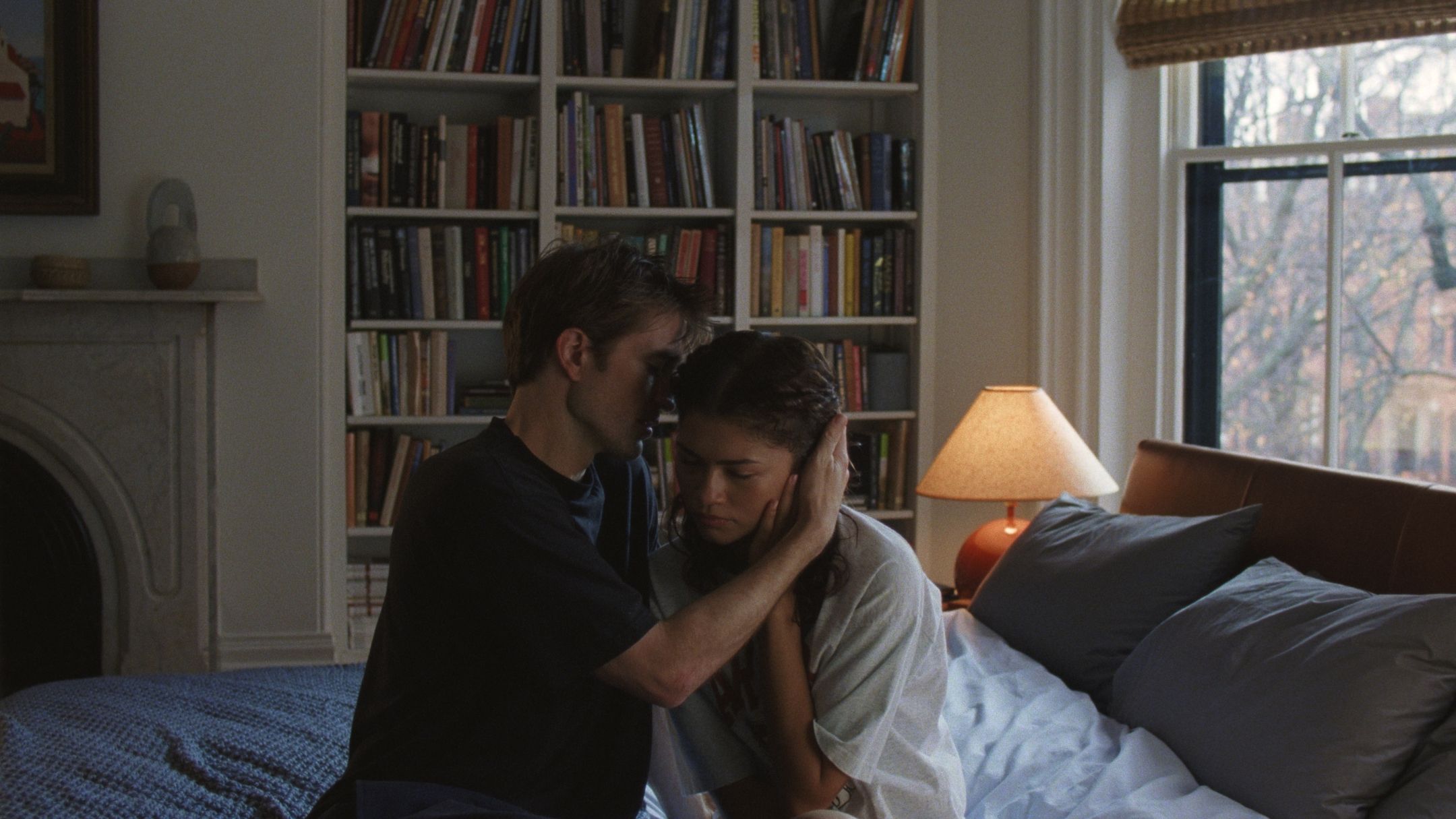
A key moment in the film The Drama happens about twenty minutes in. Charlie (Robert Pattinson), Emma (Zendaya), Mike (Mamoudou Athie), and Rachel (Alana Haim) are gathered around a table, enjoying wine and sampling food as they plan the wedding.
The atmosphere is relaxed and carefree, but hides a darker undercurrent. After a few drinks, Rachel suggests a risky game where everyone has to reveal their most shameful secret. At first, people share relatively minor misdeeds.
Mike shared a startling story about a Mexico vacation where he actually used an ex-girlfriend to shield himself from a dog attack. Charlie, visibly uncomfortable, admitted to bullying a classmate so badly in high school that the victim’s family was forced to relocate.
Rachel then reveals a shocking story from her childhood. She confesses to locking a classmate she considered slow inside a dark closet in an old, unused RV and leaving him there all night. Even though search parties were actively looking for the boy, and his father was desperately searching for him, she dismisses the incident as if it were nothing.
Rachel downplays the whole incident as a childish error, laughing it off and avoiding any responsibility for the significant harm she inflicted. The lighthearted mood abruptly ends when it’s Emma’s turn to speak. Hesitantly, and visibly shaken while drinking, Emma reveals that when she was a deeply depressed and isolated fifteen-year-old in Louisiana, she had planned a school shooting.
Things take a turn when Rachel overreacts instead of acknowledging Emma’s distress. Rather than offering the same understanding Emma showed for her own problematic behavior, Rachel defensively brings up a paralyzed cousin, positioning herself as the victim.
Rachel suddenly erupted in a string of curse words, completely shutting down the bride-to-be and creating a tense atmosphere. She essentially appointed herself the group’s moral authority. While such a reaction might be expected from some people, it was surprising coming from Rachel, who doesn’t typically present herself as particularly virtuous.
How Rachel Is Defining the New Archetype of Mean Girl
Rachel changes the game when it comes to portraying villains. In the early 2000s, popular characters known as ‘mean girls’ – like Regina George and Blair Waldorf – controlled their worlds by being arrogant, bossy, and unkind. They used tactics like bullying and spreading rumors, and it was always clear to everyone who the villain was.
Rachel embodies a more subtle and insidious type of villain. In today’s world, openly cruel behavior quickly leads to public backlash. Unlike traditional antagonists who might resort to obvious aggression – like insults or physical acts – Rachel uses progressive language and values to subtly undermine and attack others in a way that appears socially acceptable.
Okay, let me tell you, this character is infuriating! She loves to throw around serious terms like ‘disturbing’ and ‘accountability’ while simultaneously being completely two-faced. It’s the kind of hypocrisy that makes you want to scream at the screen. And the worst part? She casually admits to a truly awful act – basically, torturing a child with disabilities. It’s not just bad behavior, it’s something that would be a serious crime in real life, and knowing that makes her actions even more shocking and upsetting to watch.
Emma once had a dark thought during a difficult time as a teenager, but she never acted on it and later became a strong voice for gun control. However, Rachel twists this, using therapeutic language to portray Emma as a terrible person while subtly presenting herself as the innocent victim. Rachel realizes that appearing morally offended gives her complete power over the situation.
She’s using the wedding as leverage, threatening not to attend unless her demands are met, and effectively ruining the joyous occasion. This forces Charlie to fix the situation and manage his own increasing anxieties, while she remains self-righteous and dismissive of any feedback, believing she’s in the right.
Alana Haim As Rachel Is The Villain Gen Z Needed
Ever since the movie came out, I’ve been noticing a lot of discussion – and honestly, some pretty harsh criticism – directed at Alana Haim’s character. Everyone’s debating who’s the most unlikeable friend, and Rachel keeps getting named as the worst. I think it’s because she really feels like a lot of the awful people you encounter online – she embodies that same frustrating and sometimes infuriating energy. It’s like looking in a mirror, and it’s making people react strongly!
Everyone is currently talking about Rachel and the RV. A popular fan theory suggests the boy she trapped inside actually died, and she’s pretending he was found to cover it up. Regardless of whether this theory is correct, the intense desire among viewers to see her face consequences shows how frustrated people are with her overconfident behavior.
People immediately recognize Rachel as someone who uses the harsh judgment and public shaming common online, but applies it to personal relationships. She holds everyone to impossibly high moral standards while consistently avoiding responsibility for her own actions. This conflict comes to a head at the wedding reception when, after drinking heavily, Rachel begins her Maid of Honor speech.
Her toast was a cruel and sarcastic attack on Emma, harshly criticizing her lack of friends and hinting she’d reveal a private confession to everyone present. It was a deliberate act of social cruelty designed to cause maximum distress.
Borgli’s villain feels strikingly modern because she’s based on people we see in the real world. The movie intentionally avoids the typical feel-good moments of a romantic comedy and doesn’t offer a neat resolution where the villain faces consequences.
Rachel faces no negative consequences for the hurtful things she did as a child, or for ruining her friend’s relationship. She simply avoids any responsibility, and acts as if she’s morally superior despite having intentionally created that impression.
Every character in The Drama has flaws, but Rachel stands out as particularly problematic. Alana Haim’s performance is brilliant, and Rachel is becoming a defining villain for today’s audiences, likely boosting Haim’s career significantly. The days of simple, obvious bullies are over.
2026-04-14 13:08