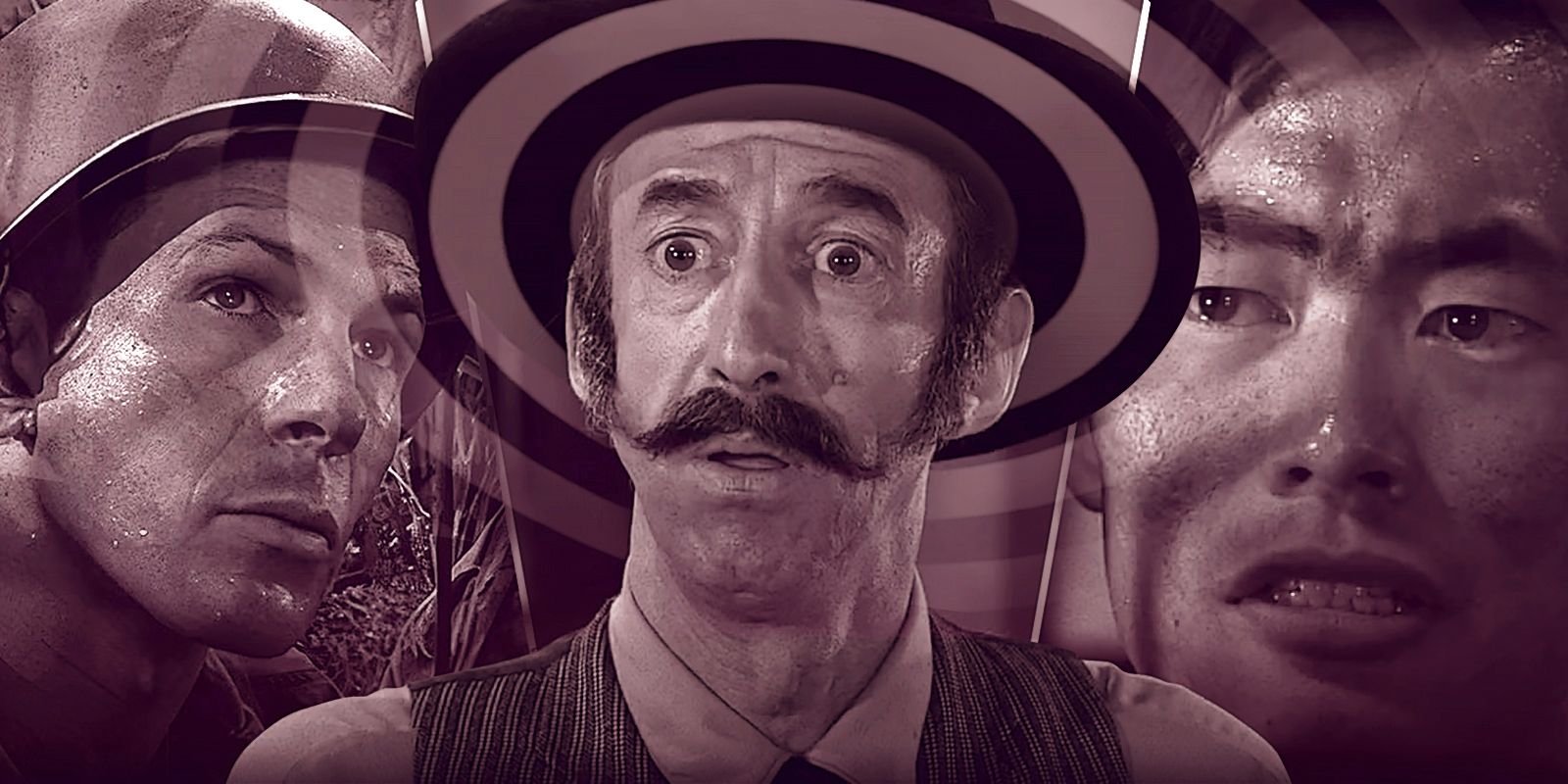
The show was very much a reflection of the 1960s, which is interesting because its stories still feel relevant today. Creator Rod Serling wanted each episode to be like a modern-day fable, delivering a message about people with a surprising twist at the end. This has allowed the show to remain popular beyond its original time, and it’s still enjoyed by viewers today for more than just memories of the past.
Even so, the series clearly comes from a different era, and some parts haven’t held up well over time. Certain episodes focus on issues that aren’t relevant anymore, and others rely on outdated and offensive stereotypes. A few are just weak or based on ideas that today’s viewers wouldn’t accept. These episodes are particularly noticeable because so much of The Twilight Zone still feels fresh and relevant.
Season 1, Episode 35’s “The Mighty Casey” Has a Tragic Behind-the-Scenes Story
The TV episode “The Mighty Casey” tells a fairly simple story. It centers on Mouth McGary, the manager of the struggling Hoboken Zephyrs baseball team. Desperate to turn things around, McGary partners with a scientist to introduce a robotic player named Casey. Though the plan initially succeeds, it soon creates unexpected problems, culminating in a captivating ending.
The simple story of this Twilight Zone episode isn’t the reason “The Mighty Casey” remains so debated. The episode was first filmed with Paul Douglas as McGarry, but he sadly passed away soon after production wrapped. Looking back, the footage also unintentionally shows Douglas appearing quite ill.
It’s honestly shocking to learn that CBS wouldn’t spring for some necessary re-shoots, and it actually fell to the show’s creator, Rod Serling, to foot the bill himself. Can you imagine the outrage if a studio treated a creative mind – and a project with this kind of weight – like that today? In an era of huge entertainment budgets, it just wouldn’t fly.
Season 3, Episode 9’s “Deaths-Head Revisited” Touches on an Extremely Sensitive Topic
The Twilight Zone episode “Deaths-Head Revisited” tackles the difficult subject of nazism. The story centers around Mr. Schmidt, who is ultimately revealed to be Captain Gunther Lutze, a former officer in the SS.
In a powerful scene at the Dachau concentration camp, a man confronts Lutze, revealing himself and accusing him of war crimes. Published in 1961, just under two decades after World War II ended, “Deaths-Head Revisited” deeply resonated with audiences due to its timely and emotional subject matter.
Even though the episode has a positive message, it would probably cause controversy today due to the recent increase in extremist ideologies like neo-Nazism and white nationalism. Some viewers might intentionally misinterpret it and cause problems, regardless of its good intentions.
Season 5, Episode 22’s “An Occurrence at Owl Creek Bridge” Is Another Episode About a Complicated Figure
Similar to “Deaths-Head Revisited,” “An Occurrence at Owl Creek Bridge” focuses on a character many readers might dislike. In this story, the central figure is a soldier who fought for the Confederacy.
The man narrowly avoids being executed by Union soldiers, though his escape appears almost unbelievable. As Dan Benioff and D.B. Weiss have demonstrated, audiences aren’t particularly interested in stories that focus on the Confederate side of the Civil War. Furthermore, the story “An Occurrence at Owl Creek Bridge” is also problematic due to its historical context.
This Twilight Zone episode is unique because it began as a standalone short film, which was then reworked to fit the show’s usual length. This kind of editing is rare in modern television and would likely upset some viewers.
Season 2, Episode 5’s “The Toys of Caliban” Presents an Outdated Look at Mental Disability
Before he became famous for Game of Thrones, George R.R. Martin worked as a writer on several projects, including the 1980s revival of The Twilight Zone. He wrote an episode called “The Toys of Caliban,” which tells the story of a family – a husband, wife, and their son who has a mental disability that isn’t specifically identified.
Toby’s newfound magical abilities lead to a heartbreaking situation. Although “The Toys of Caliban” starts with a captivating idea and ends with a surprising twist, it doesn’t quite meet today’s expectations due to several problems.
The trope of portraying people with mental disabilities as having mystical connections is an outdated and harmful idea. If this concept were presented today, the story would need to handle it with much more sensitivity and awareness.
Season 5, Episode 24’s “What’s in the Box” Depicts a Troubling Relationship
“What’s in the Box” tells the story of Joe and Phyllis Britt, a long-married couple living in New York. Though they’ve been together for years, their relationship is troubled by Joe’s emotional distance and infidelity.
After seeing a bizarre TV show depicting him murdering his wife, Joe tries to fix his marriage, but the attempt quickly fails. The episode, titled “What’s in the Box,” dramatically shows Joe’s behavior worsening from infidelity to physical abuse. While domestic violence is sadly common, this portrayal will likely be deeply upsetting for anyone who has personally experienced it.
This episode features a satisfying comeuppance for an abusive person, but it also contains a disturbing and difficult-to-watch portrayal of domestic violence that may not be appropriate for all viewers.
Season 1, Episode 31’s “The Chaser” Makes Light of Spiking Drinks
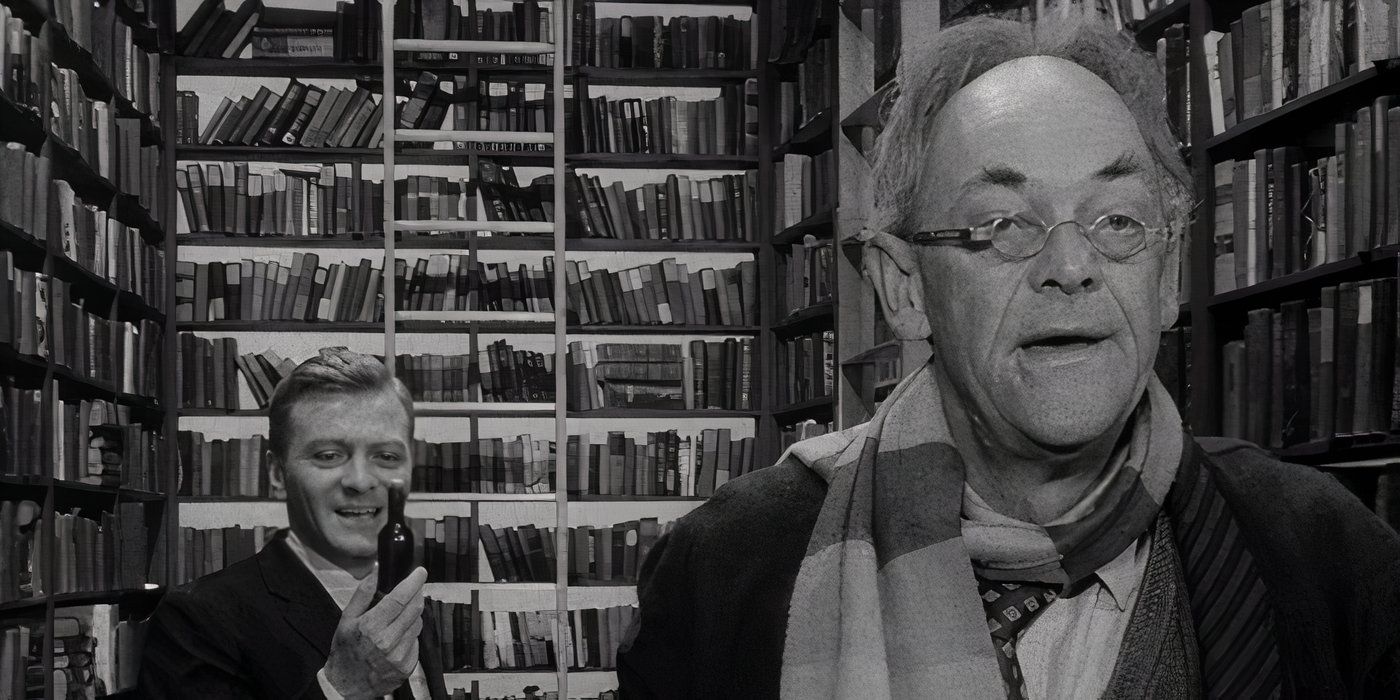
While The Twilight Zone wasn’t known for comedy, it occasionally produced a humorous episode. “The Chaser” isn’t one of the successes, and today it’s considered troubling, especially given the Bill Cosby case. The story follows a man, played by George Grizzard, who is infatuated with a woman unaware of his feelings. He buys a love potion for a dollar from a mysterious man named A. Daemon and secretly puts it in her drink.
Okay, so this movie has a really interesting story. There’s this woman who completely falls for this guy, but her affection becomes too much for him – he starts to feel trapped. Desperate, he goes back to this mysterious character, A. Daemon, to get poison, and it costs him a grand! But then, a huge twist – he finds out she’s pregnant, and suddenly decides he wants to stay with her and make things work. It’s hinted throughout the film that A. Daemon isn’t who he seems – like maybe he’s actually Cupid in disguise, messing with everyone’s love lives!
Putting drugs in someone’s drink to force them into a sexual situation is never acceptable, and the show’s justification – that the character did it because she wasn’t interested – is deeply disturbing. The fact that he then considers killing her makes it even worse, and the idea that any of this could be motivated by ‘love’ is incredibly offensive. This episode is a problematic relic of its time and doesn’t deserve to be revisited or updated.
Season 1, Episode 36’s “A World of His Own” Is Creepy in All the Wrong Ways
He wrote many beloved stories, often starting with a typewriter. His work, particularly “A World of His Own,” playfully explores the power of writing, imagining a writer whose spoken words, recorded on a Dictaphone, magically become reality.
This story features his wife, who mysteriously appears from nothing, and then destroys a recording about herself in anger, causing her to disappear completely. There’s a clever surprise: we see that even Rod Serling, the show’s creator, and his wife are actually part of the story, and they suffer the same fate.
The sexism really ruins the whole experience. Even if you ignore that, the story feels thin and ultimately comes across as more of a personal project than a compelling work. These days, with so many people writing and sharing online, the idea of a truly special author or story just doesn’t feel as magical as it once did.
Season 2, Episode 6’s “The Mirror” Wouldn’t Fly Today With Its Casting Choices
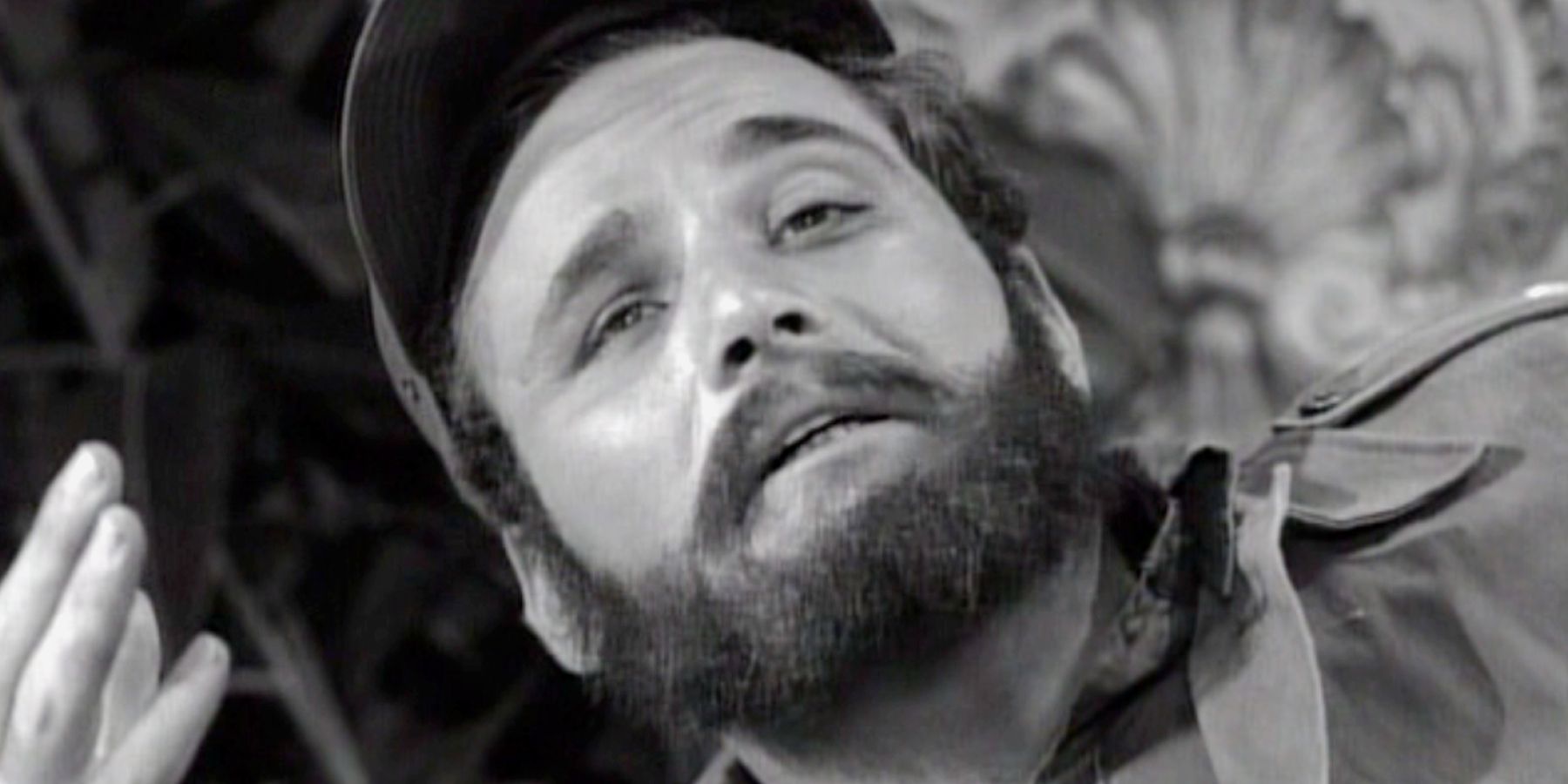
Rod Serling created “The Mirror” to explore the dangers of seeking power. The story, set in a made-up Central American nation, illustrates how revolutions can sometimes lead to new leaders who are just as bad – or even worse – than the ones they replaced.
After overthrowing a cruel dictator, the new leader discovers the source of the former ruler’s power – a magical mirror revealing the faces of his enemies. This mirror quickly leads him to distrust and execute his closest allies, until he finally sees his own face reflected and, consumed by paranoia, takes his own life.
While the film’s core message and speed are effective, the reliance on racial stereotypes is unsettling. Seeing a respected actor like Falk portray this character feels forced and distracting, and his familiar voice constantly reminds you of his role as Columbo. The film’s message could have been delivered with more sensitivity, making it feel dated and problematic today.
Season 2, Episode 12’s “The Jungle” Is a Well-Meaning Message Gone Wrong
While “The Jungle” aims to deliver a strong message about the evils of colonialism, complete with a fitting supernatural resolution, it’s unfortunately held back by a forgettable presentation. This issue plagued many of its contemporaries.
The story relies on harmful stereotypes, which is often a critical flaw. It centers around a company building a dam in Africa, ignoring strong opposition from the local community. When local spiritual leaders protest the project with curses, the main character finds himself strangely haunted – pursued by jungle drums and wild animals even back home in New York City.
He thought he was safe at home, but a lion—the same one that had just killed his wife—attacked him. While the story meant to expose the damaging effects of colonialism, it ironically fell into the same arrogant pattern it was criticizing.
Season 2, Episode 19’s “The Hunt” Hinges on a Silly Cliché
“The Hunt” isn’t a standout episode of The Twilight Zone, nor is it terrible – it’s just average. It also shows how the show’s tendency to tell moral stories can feel predictable to today’s viewers. The episode features an old man, dressed as a classic mountain hunter with overalls and an old-fashioned shotgun, going out on a hunt with his dog.
During their journey, he unfortunately drowns and meets a deceptive demon who tries to convince him that hell is actually heaven. The dog is suspicious of this agent, and the man resents the strict rules, especially one forbidding raccoon hunting. They reject the demon’s offer and are later guided by a real angel, who quickly befriends the dog. The angel leads them to their ultimate destination and assures the man that raccoon hunting is permitted in heaven.
The story has a pleasant core and hints at a good twist, but the main character feels flat and unoriginal, which weakens the overall impact. The rural setting has potential, but the story needs more substance. Modern viewers might reject it entirely if it doesn’t acknowledge the familiar tropes it relies on. Without more depth, the story feels underdeveloped and relies too heavily on a simplistic, old-fashioned approach.
Found an error? Send it so it can be corrected.
2026-04-16 06:40