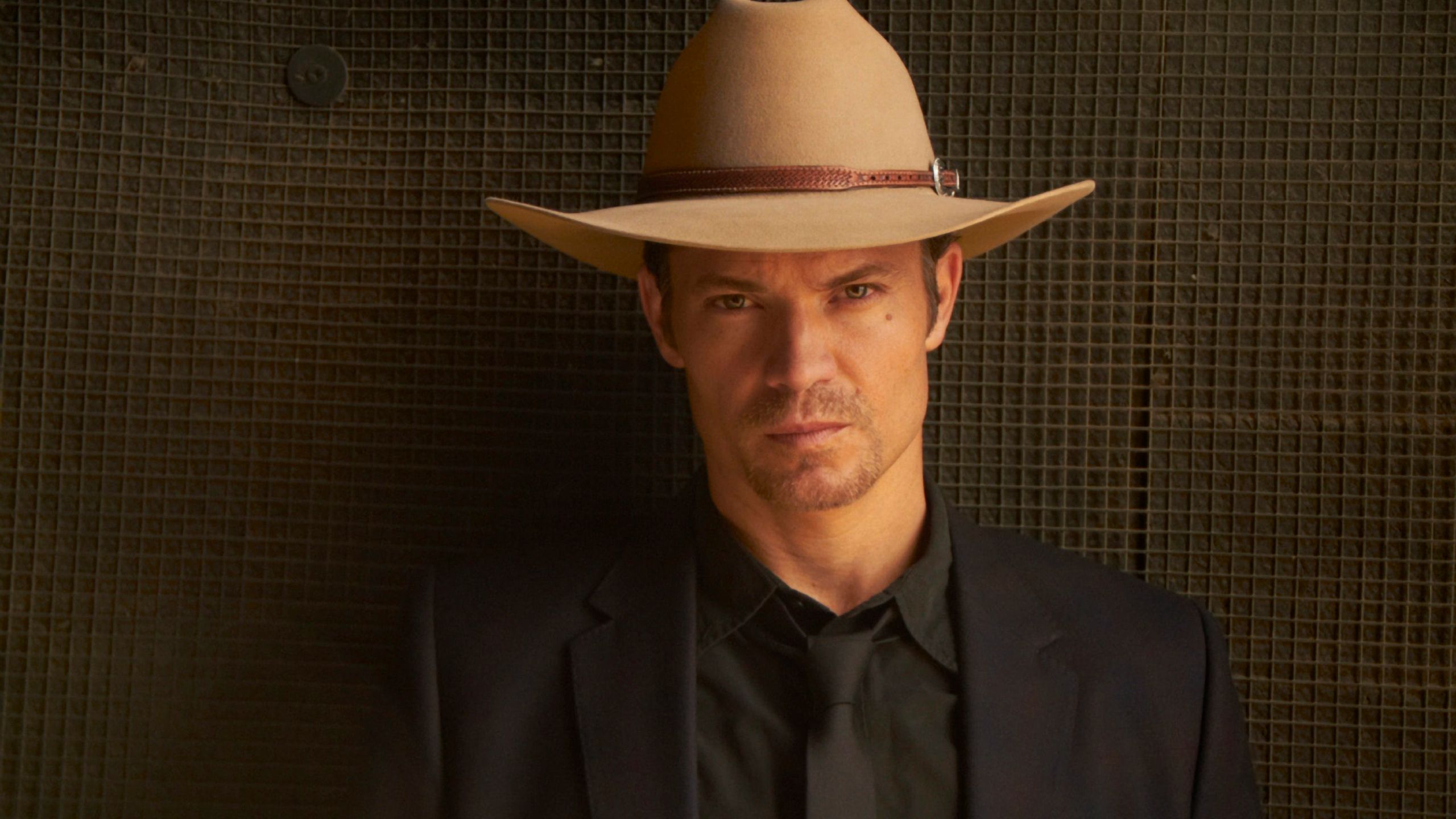
While Yellowstone is popular, Timothy Olyphant’s Western series is even better – it’s a unique blend of the crime family drama of The Sopranos and the classic Western feel of Tombstone. It seems unlikely that a show could successfully combine these two very different styles, but this series pulls it off.
Both stories feature complex characters who operate in worlds filled with crime and dishonesty. Despite this similarity, they’re very different experiences: one is a deliberate, character-focused TV show, and the other is a fast-paced, over-the-top Western film. The settings are also drastically different – The Sopranos takes place in New Jersey between the late 1990s and early 2000s, while Tombstone is set in the South Dakota town of the same name during 1881 and 1882.
While both Tombstone and The Sopranos used classic 35mm film and dramatic lighting, their visual styles are quite different. Tombstone features bright, sweeping shots reminiscent of old Westerns. The Sopranos, on the other hand, has a more subdued look, starting with warmer tones in its early seasons and becoming cooler later on, drawing inspiration from films like Goodfellas.
I always thought the description of Deadwood as “The Sopranos meets Tombstone” was spot-on, and it really holds up when you watch it. The show clearly borrows storytelling and filmmaking techniques from both of those amazing projects.
Deadwood Is The Definitive TV Western
HBO’s Deadwood, which aired from 2004 to 2006, is widely considered superior to Yellowstone and other recent Westerns. The series is set in the 1870s in South Dakota, where Seth Bullock (Timothy Olyphant) intends to start a hardware business with his partner, Sol Star. After the murder of Wild Bill Hickok, Bullock unexpectedly becomes the town sheriff. The show depicts the struggles of the camp’s inhabitants as they try to build a functioning society with established rules and leadership.
Many consider Deadwood to be one of the best TV shows ever made, and it appears on lists like ScreenRant’s top 60. Similar to the movie Tombstone, Deadwood appeals to both Western fans and those who typically avoid the genre. Both stories offer a gritty, realistic portrayal of the Old West, moving away from the traditional, idealized versions seen in older films and shows. Instead of clear-cut heroes and villains, they feature complex characters with questionable morals and flawed leadership, and they draw heavily on actual historical events and figures.
The show features a lot of brutal violence, frequently involving knives instead of the quick gunfights you might expect. Instead of portraying harmonious communities, Deadwood focuses on racial conflicts and difficult compromises.
Beyond just being entertaining, the show brought a new level of respect to Westerns. It’s visually striking, using dark, dramatic lighting and close-up shots that focus on the characters. The writing is sophisticated and poetic, reminiscent of shows like The Sopranos, and the lines are memorable, much like the classic film Tombstone. Ultimately, Deadwood brilliantly portrays the complicated nature of the Old West, capturing both its beauty and its harshness, which gives the show a truly artistic feel.
How Deadwood Set The Stage For Modern Westerns

By the time Deadwood aired, Westerns had largely fallen out of favor with most viewers, moving from a popular genre to one with a small, dedicated fanbase. However, the show brought the Western back to life. It took a genre known for simple escapism and made it resonate with contemporary audiences by demonstrating that life over a century ago was just as complex and imperfect as it is now.
The way characters talk in Westerns has changed a lot. Traditionally, these shows were known for being a bit over-the-top, but Deadwood started using beautiful, thoughtful speeches – something you didn’t see much of before. Now, shows like Yellowstone feature characters who often resolve problems through conversation just as much as through violence. This is a more sophisticated style of storytelling that was usually reserved for dramas focused on character development, rather than action-packed genre shows.
《Deadwood》 truly paved the way for today’s Westerns. Shows like 《Yellowstone》 and 《Justified》 wouldn’t exist as they do without it. In fact, most modern Westerns owe a debt to this series from the mid-2000s, echoing its themes and character types. 《Deadwood》 offered a more realistic and raw take on the genre, tackling social issues that classic Westerns often avoided. Because of its impact, 《Deadwood》’s lasting influence is undeniable.
Read More
- Золото прогноз
- Фунт обгонит доллар? Эксперты раскрыли неожиданный сценарий
- The True Story That Inspired Abbott Elementary’s Choice To Move The School Into A Mall
- 5 Perfect American Sitcoms
- НИТЕЛ акции прогноз. Цена акций NTZL
- 10 Best Snyderverse Scenes, Ranked
- 9 Best Western & Neo-Western Movies Released Since 2000
- Биткойн падает после громких заявлений из Белого Дома о криптовалюте и Федеральной Резервной Системы, сохраняющей спокойствие.
- Why Avengers: Doomsday’s New Cast Addition Is Exciting for MCU Movie Fans
- Prime Video Reveals Heated Rivalry Replacement In Trailer New Hockey Romance Series Off Campus
2026-05-02 23:28