
For a long time, live-action adaptations of manga and anime were notoriously disappointing. While fans were excited about potential shows like Death Note, Fullmetal Alchemist, and Cowboy Bebop, the results were often awkward and poorly received. However, Netflix’s One Piece proved that a successful live-action manga adaptation is possible, and now another new series is building on that success.
Netflix’s live-action version of the popular manga One Piece is surprisingly excellent. Adapting such a beloved and famous story meant there was a lot of pressure to succeed. After two seasons, the show has earned incredible reviews, with a 93% score from critics and a remarkable 95% audience approval rating on Rotten Tomatoes. Season 2 even achieved a perfect 100% score, which is rare for live-action adaptations, suggesting a positive shift in how these types of shows are received.
It didn’t take long for another great manga adaptation to arrive! HBO’s Song of the Samurai is based on Chiruran: Shinsengumi Requiem, a historical drama focusing on the Shinsengumi, a special police force in Japan’s past. Though not as widely known as series like One Piece, Song of the Samurai has successfully followed Netflix’s lead in bringing manga to live-action with impressive results.
Song Of The Samurai & One Piece Prove There Is A Winning Formula For Manga Adaptations
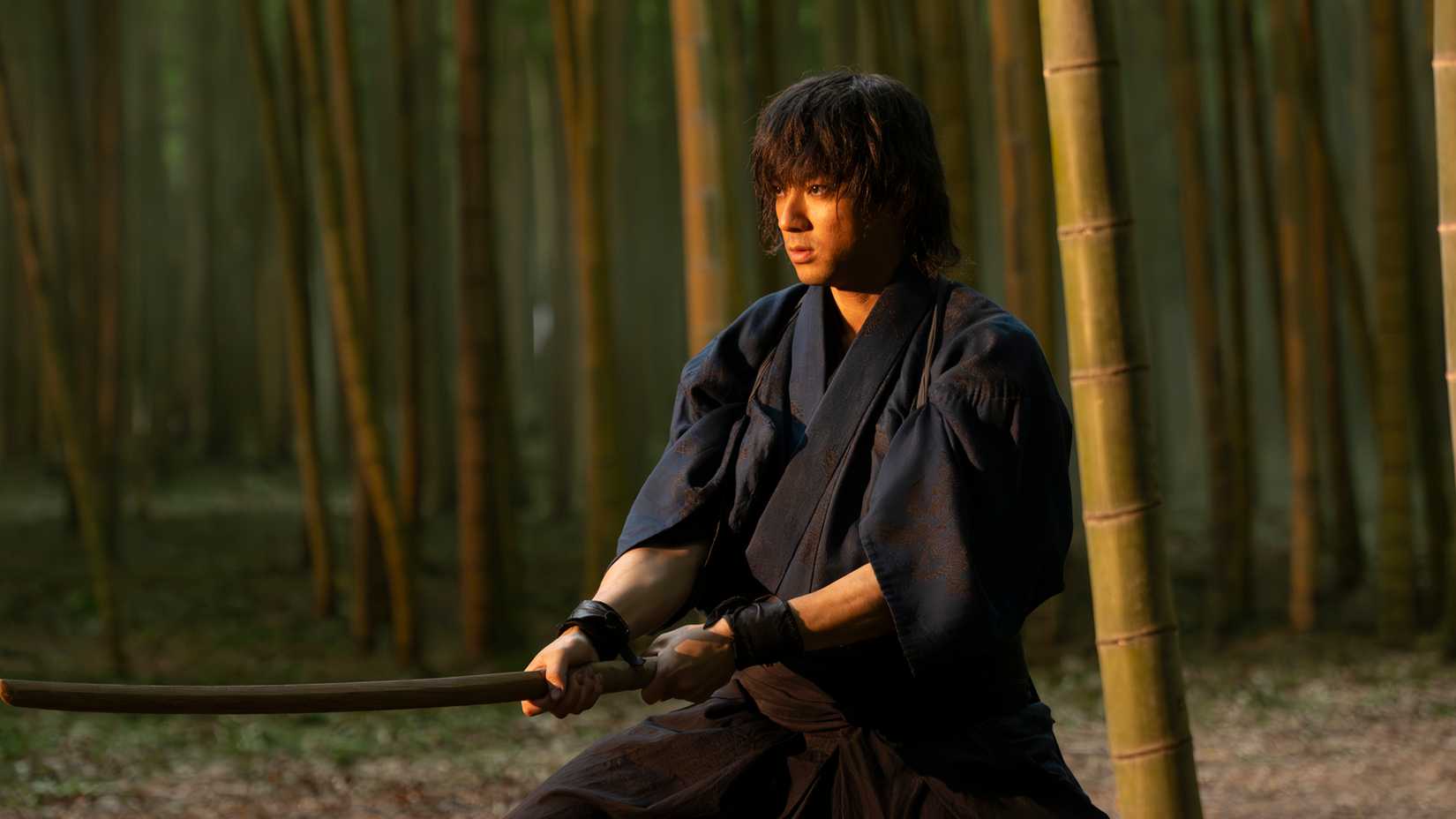
While Song of the Samurai probably won’t reach the same level of popularity in the US as One Piece, it’s another excellent example of a successful manga adaptation. Both shows stay true to the unique spirit and style of manga, unlike many previous attempts. They focus on celebrating the art of manga with a modern approach, rather than trying to change the story or characters to appeal more to Western audiences.
Both One Piece and Song of the Samurai avoid the pitfall of looking like cheap costumes come to life – a problem some other adaptations, like the Fullmetal Alchemist films, have faced. The One Piece series on Netflix faithfully recreates the characters’ designs from the manga and anime with impressive quality, enhancing the viewing experience. Song of the Samurai goes even further, creating a historically believable world where the costumes, hairstyles, and makeup subtly echo the manga’s bolder visual style.
Both One Piece and Song of the Samurai clearly show that long-running TV series are the best way to adapt manga. While some manga have been successfully turned into movies, like the Rurouni Kenshin films on Netflix, the fact that so many sequels were needed suggests a TV series would have been a better approach. Because most manga and anime are lengthy stories, squeezing them into a single movie doesn’t work as well as a TV series. Ultimately, these shows demonstrate a successful formula for manga adaptations, and future projects should take note.
There Is Still A Dark Cloud Over The Modern Live-Action Adaptation Landscape
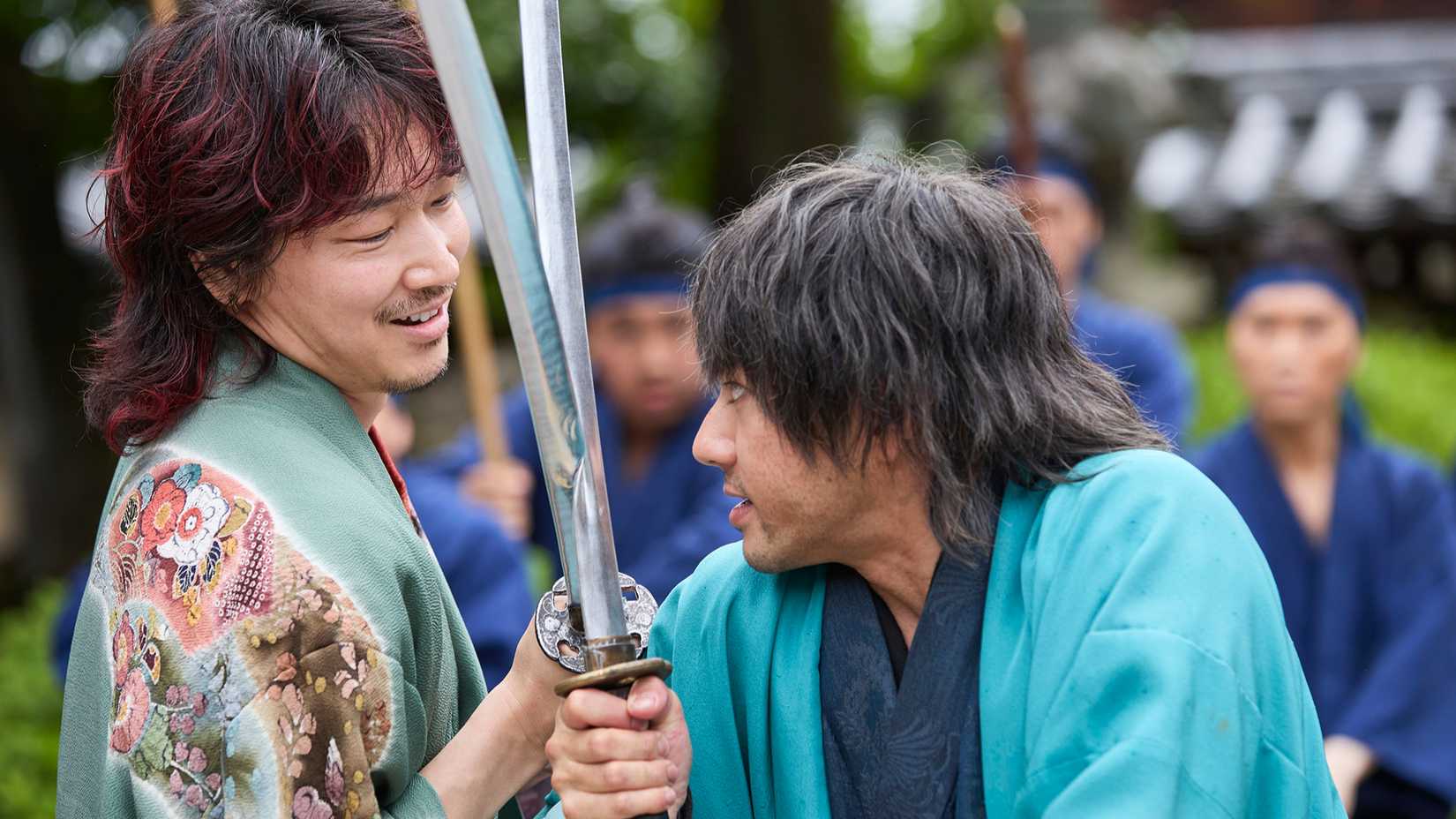
Recent live-action adaptations like One Piece and Song of the Samurai prove that manga and anime can be successfully brought to life. However, they also highlight how tricky it is to get it right. These shows need to stay true to the spirit of the original manga while also taking advantage of the possibilities of live-action filmmaking. It’s a delicate balance, and it’s easy to miss the mark. Most importantly, fans need to feel that the people making the show truly care about the source material. Attempts to change or “improve” the story will likely be met with criticism.
Netflix’s popular One Piece and the positive reception to Song of the Samurai might convince studios that adapting manga and anime is a good way to make money, leading to more projects. However, if these adaptations are only motivated by profit, they probably won’t be as well-made. This means we’ll likely still see some poor live-action adaptations, but as long as quality shows like One Piece and Song of the Samurai continue to be produced, there’s reason to be optimistic.
2026-06-01 01:50