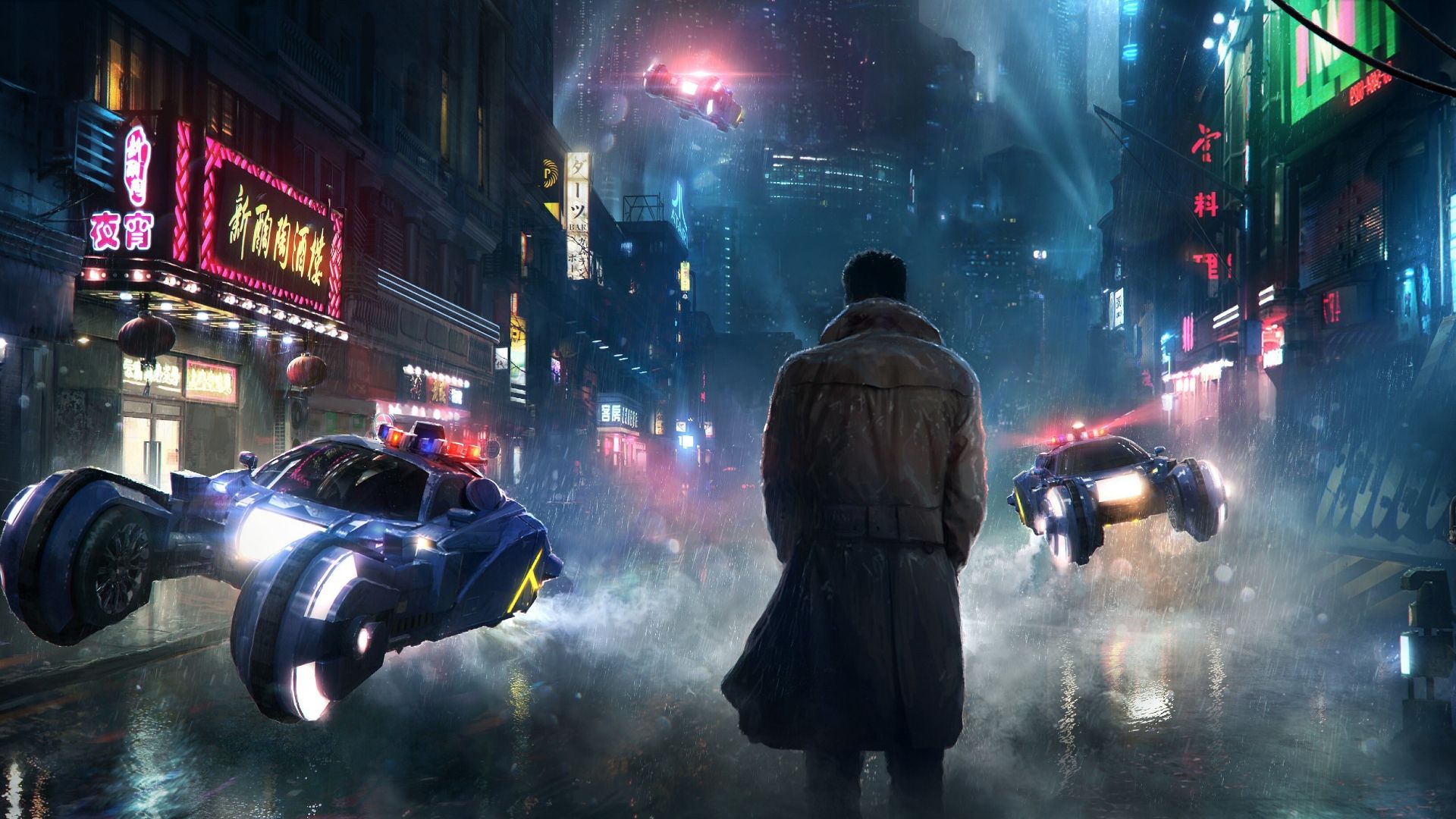
Cyberpunk and steampunk have been popular sci-fi themes, but a new style called biopunk is about to enter the scene thanks to an upcoming adaptation on Peacock. Apple TV is also joining the cyberpunk world with its “Neuromancer” show – a trailer and 2026 release date were revealed at San Diego Comic-Con. While Amazon Prime Video delayed its “Blade Runner 2099” series, they did add a new anime version of “Ghost in the Shell” to their lineup. The combination of advanced technology and gritty realities clearly resonates with audiences.
Arcane, the critically acclaimed animated series with a perfect score on Rotten Tomatoes and nine Emmy wins, really brought steampunk back into the spotlight. Now, Netflix has another hit with its steampunk anime, Sparks of Tomorrow, which consistently improves with each episode. You could describe the aesthetic of these shows and the genre as a blend of ornate technology and gritty realism – think ‘high brass, low life’ or ‘gaslight grit.’ While steampunk is becoming increasingly popular on screen, it’s not gaining ground quite as fast as cyberpunk.
I’ve always seen cyberpunk and biopunk as rebellious cousins, both challenging the status quo. But honestly, cyberpunk feels much more complex than just two options – it’s got so many different shades and possibilities! We haven’t really seen all of those explored in movies or TV yet, but that’s starting to change. I’m especially excited about Peacock’s upcoming adaptation of ‘Scythe,’ because it could finally bring biopunk into the mainstream spotlight alongside cyberpunk, really heating up this awesome genre rivalry.
Peacock’s Adaptation Of Scythe Adds A Biopunk Show To The Cyberpunk & Steampunk Battle
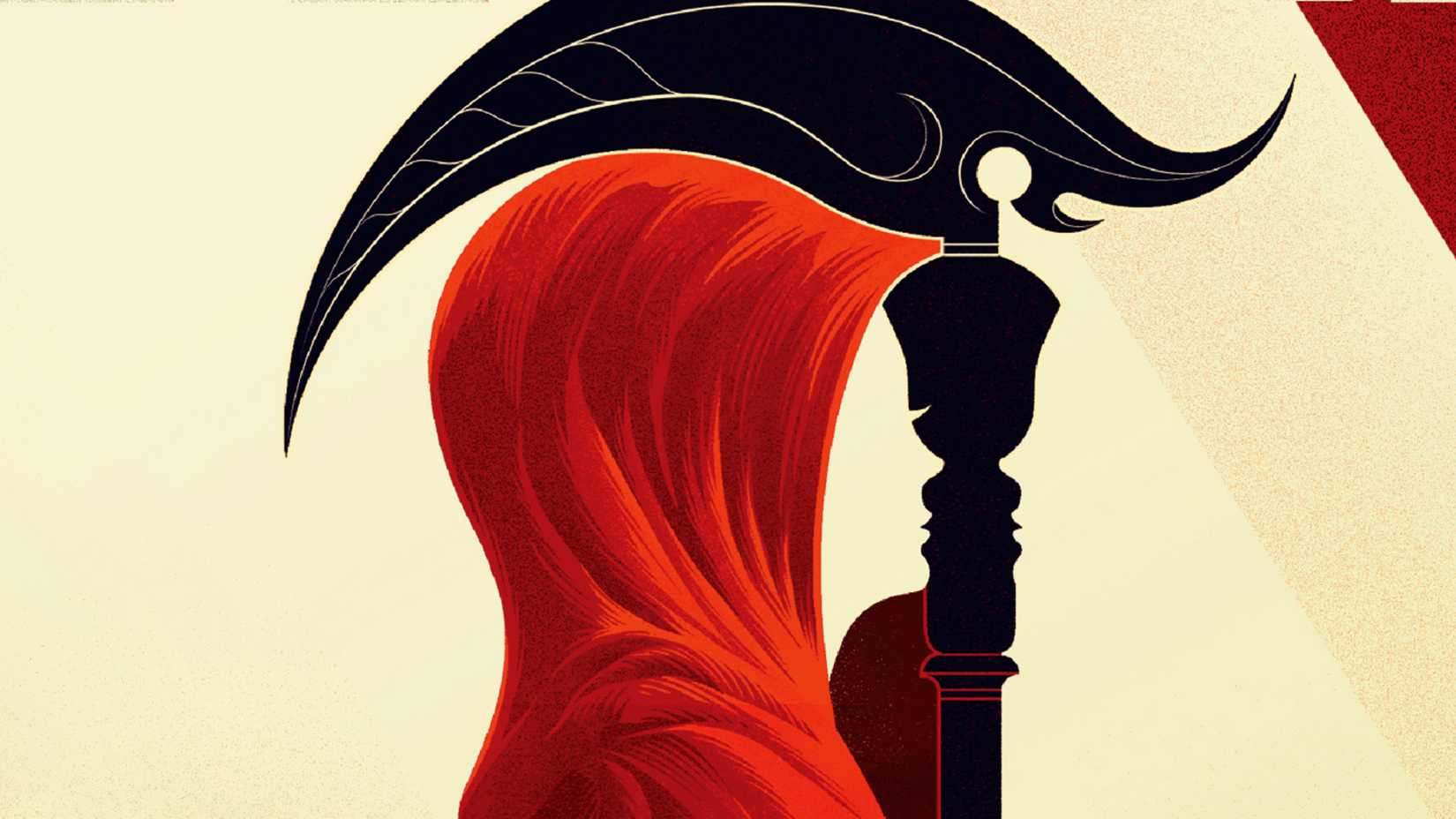
Neal Shusterman’s ‘Scythe’ is widely considered a top sci-fi novel of the last ten years, so it’s exciting that it’s being adapted for the screen. While plans have shifted between a TV series and a movie, the project is still underway as of 2026 (according to CinemaBlend). As a key work in the biopunk genre, the adaptation is poised to join other stories in that space.
In a future where advanced technology has conquered death and disease, a group known as Scythes is responsible for controlling the population by ending lives. Citra and Rowan, two ordinary teenagers, are chosen as apprentices, but only one will become a full Scythe. This apprenticeship thrusts them from lives of relative obscurity into a world of power and privilege.
I’m really getting into ‘The Arc of a Scythe,’ and it’s become clear that things within the Scythedom aren’t what they seem on the surface. It’s got that classic sci-fi “punk” vibe, questioning authority and showing how power can be misused – lots of political stuff going on. What I find really interesting is that unlike a lot of similar shows or books, it doesn’t rely on a dark, depressing look to get its point across. Instead, the darkness comes from the tough moral questions and complicated politics within the story itself.
It makes sense that cyberpunk, steampunk, and biopunk are often compared, as many important writers have explored all three. For example, Paul Di Filippo and Bruce Sterling all wrote in each of these styles. Even William Gibson, a key figure in cyberpunk, also experimented with steampunk and touched on biopunk themes, though he’s best known for the first.
Scythe’s Anti-Utopian World Will Set It Apart From Competitors

Warning: this section includes spoilers for The Arc of the Scythe books!
Cyberpunk currently leads in popularity thanks to a surge of both new and returning shows. Steampunk also has appeal because it’s less frequently seen on screen. However, what truly distinguishes Scythe is its unique world-building. Unlike most cyberpunk, steampunk, and biopunk stories that immediately present a fully realized dystopian society – one built on oppression, corruption, and strict control – Scythe takes a different approach.
Neal Shusterman’s Scythe trilogy isn’t like other futuristic stories. It initially seems like a perfect world: an AI named the Thunderhead watches over everyone’s health, and tiny robots eliminate disease, effectively ending death and allowing people to be revived from accidents. But Scythe isn’t a typical dystopia; it’s an anti-utopia. This means the problems within the story aren’t caused by a bad system, but by the attempt to create and maintain a perfect society. The story actually questions the idea of utopia itself, focusing on the unexpected and negative results that can happen when striving for perfection.
Many stories begin with the idea of a perfect society, but gradually reveal its flaws – often transitioning from a hopeful vision to a dark reality. Neal Shusterman’s Scythe series follows this pattern, starting somewhere between a utopia and a dystopia. As the story unfolds, it becomes clear that the seemingly perfect world isn’t what it appears to be. By the end of the trilogy, it’s a fully realized dystopia where the new leaders are cruel and uncaring, corruption is widespread, and the compassion that once defined the Scythes has vanished.
The story’s journey from a flawed paradise to a complete nightmare powerfully illustrates society’s decline. This gradual progression sets it apart from many other stories that rush to the dark ending. If the upcoming Peacock series based on the Scythe books remains faithful to the original while also adding more detail, it has the potential to become a standout piece of science fiction.
Why Hollywood Is Seeing A Wave Of Sci-Fi Punk Genres
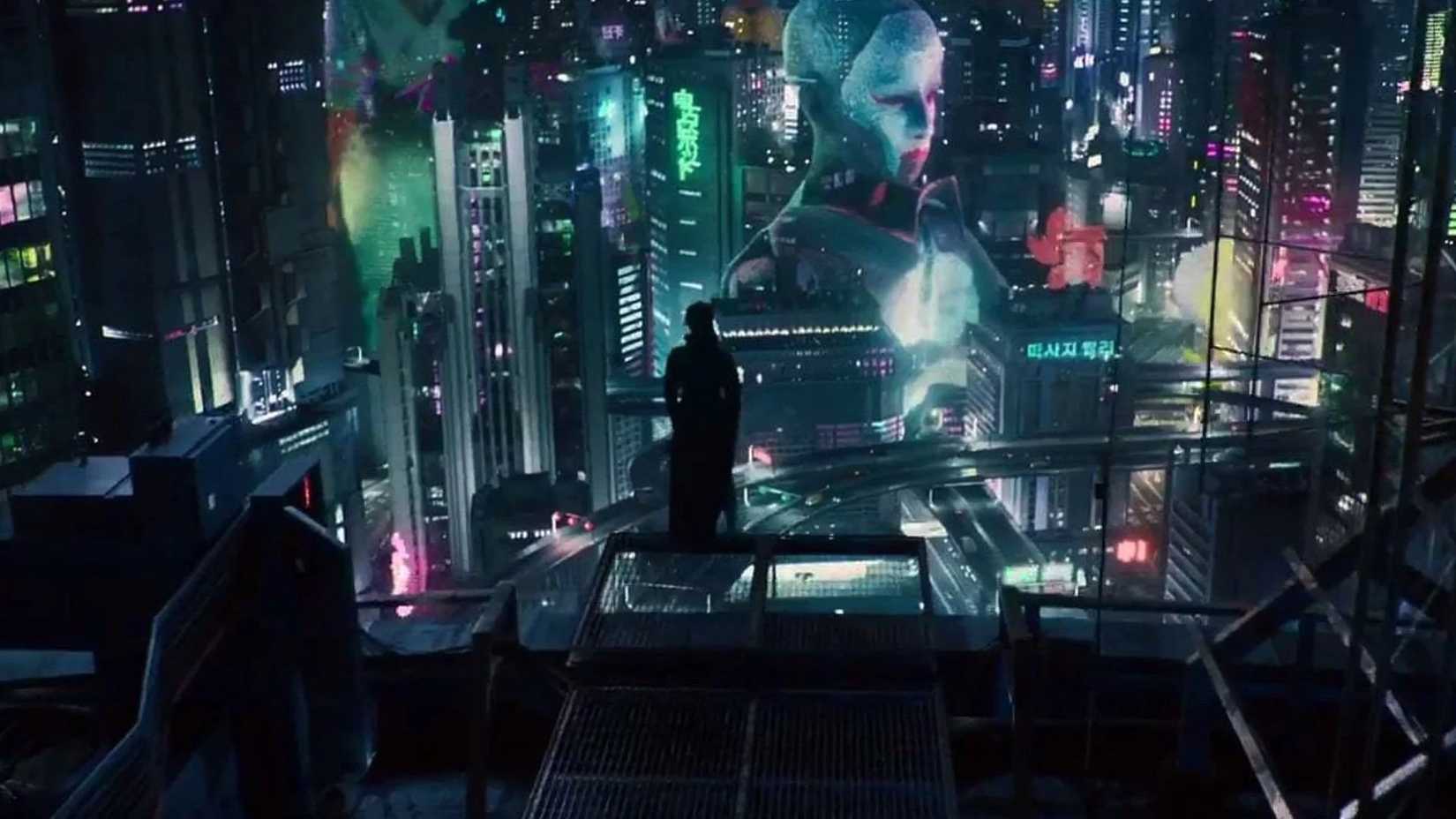
Lately, we’ve been seeing a lot more science fiction and cyberpunk shows and movies, which is a bit surprising considering these genres have been around for years. It’s not just a current trend, but perhaps people are drawn to the visual style. While some stories downplay the rebellious, anti-establishment themes traditionally associated with cyberpunk, this is more common in books. Most of the new screen adaptations actually embrace those core punk values – challenging authority, fighting against corporate excess, and standing up for the underdog. These stories often center on the experiences of those who lack power.
The growing popularity of sci-fi punk likely comes down to a few things, but two stand out as particularly important. First, science fiction in general has become less hopeful and more critical. We’ve moved from sleek, optimistic stories to grittier, darker ones. So it’s natural that people are drawn to genres – like sci-fi punk – that have always explored those themes.
Science fiction and cyberpunk stories feel especially relevant today. With growing concerns about powerful corporations, unfair systems, and increasingly authoritarian governments, many people are drawn to these genres. They offer a space to explore anxieties about class and acknowledge difficult truths that are often ignored.
2026-07-26 04:18