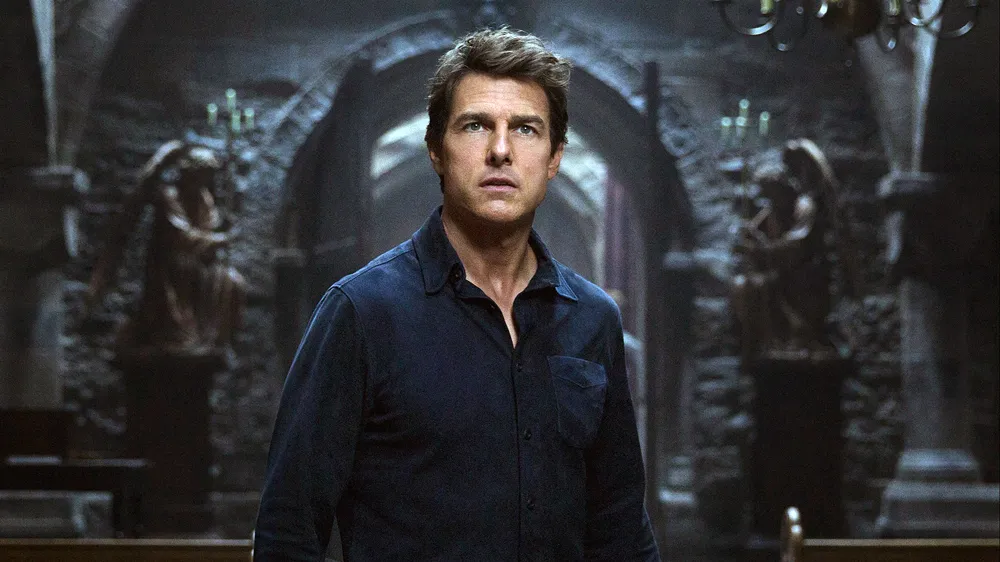
A remarkably realistic, AI-created video showing Tom Cruise and Brad Pitt fighting has quickly gained attention in Hollywood. The excitement isn’t about the fight itself, but what this technology means for the future of filmmaking.
Experts have been predicting for some time that artificial intelligence would change the movie industry. However, many filmmakers weren’t too worried because AI historically had trouble creating realistic fight scenes.
Hollywood is reportedly concerned after Rhett Reese, a writer for the upcoming ‘Deadpool & Wolverine’ movie, responded to a widely shared AI-generated video depicting Tom Cruise and Brad Pitt in a fight over Jeffrey Epstein.
Reese: “I hate to say it. It’s likely over for us.”
— Dom Lucre | Breaker of Narratives (@dom_lucre) February 11, 2026
The action sequences felt unrealistic. Fights lacked impact, movements seemed weightless, and characters often passed through objects or each other. These issues stemmed from a lack of attention to realistic choreography, physical contact, and how the environment reacted to the action.
That comfort zone may have just evaporated.
The Clip That Has Hollywood Nervous
A video showing an AI-generated fight between Tom Cruise and Brad Pitt has quickly become popular online. Filmmaker Ruairi Robinson originally shared the video, posting several versions of the rooftop fight scene with different camera shots, lines of dialogue, and character nuances, but keeping the main fight movements the same.
This started with a short, two-line instruction during a session. It seems like some people believe a particular situation is failing, and they’re wondering if that failure extends to those involved. It’s uncertain, though.
— Ruairi Robinson (@RuairiRobinson) February 11, 2026
The ability to quickly create different versions of the same scene – sometimes in just minutes – is a key reason why people in the entertainment industry are so interested in how this technology is developing.
Unlike earlier AI combat attempts, the fighters:
- Exchange realistic strikes
- Maintain consistent spatial awareness
- React physically to impacts
- Move with believable weight and momentum
Different versions of the same fight scene have appeared, each with slight changes to the lines, camera angles, and how the scene is shot. However, the main action remains the same. This shows the creators can quickly make adjustments to scenes without needing to do costly reshoots, hire stunt performers, or build physical sets.
Brad Pitt and Tom Cruise teamed up, despite their past disagreements, to battle a shared enemy – a group of robots.
— Ruairi Robinson (@RuairiRobinson) February 11, 2026
That scalability is what has Hollywood personalities openly rattled.
“It’s Likely Over For Us”
Screenwriter Rhett Reese, who worked on Deadpool & Wolverine, is one of the people warning about a potential problem.
Reacting to the clip, Reese wrote bluntly: “I hate to say it. It’s likely over for us.”
I hate to say it. It’s likely over for us.
— Rhett Reese (@RhettReese) February 11, 2026
He explained further that we might soon reach a point where one person could create an entire movie that looks as good as one made by a professional studio, as long as they also have a talent for storytelling.
And that’s the crux of the panic.
yeah…
— Ruairi Robinson (@RuairiRobinson) February 11, 2026
For years, Hollywood has acted as a central authority, deciding who gets funding, which actors and creators get opportunities, and how movies and shows are made and seen. Artificial intelligence could disrupt this established power structure by making these things more accessible to everyone.
When a single person can make something as grand as a blockbuster movie using just a laptop, it immediately changes the balance of power in the film industry.
Combat Was the Final Frontier
AI is now capable of creating visual effects, replicating voices, and even making people appear younger digitally – these advancements are becoming standard.
But combat — especially hand-to-hand fight choreography — remained stubbornly human.
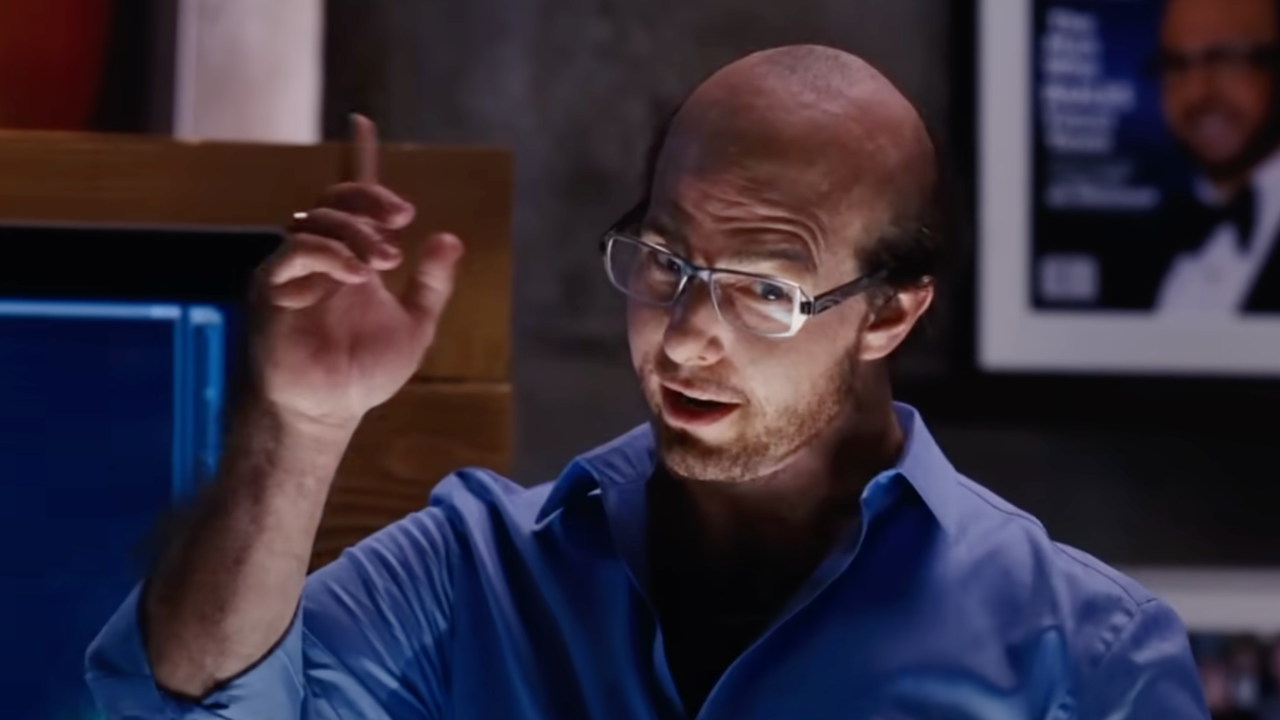
Creating it involved skilled stunt actors, detailed motion capture technology, realistic physics simulations, and a lot of careful animation work.
This Tom Cruise vs Brad Pitt AI fight video suggests that barrier is falling fast.
Now that AI can create realistic action scenes – which are essential to most big-budget movies – it could significantly change filmmaking.
Why Disney Should Be Paying Attention
This technological leap doesn’t just threaten actors or writers.
It threatens franchises.
If YouTube’s tools for creators start offering sophisticated fight choreography and effects, fans could create impressive action movies based on popular franchises.
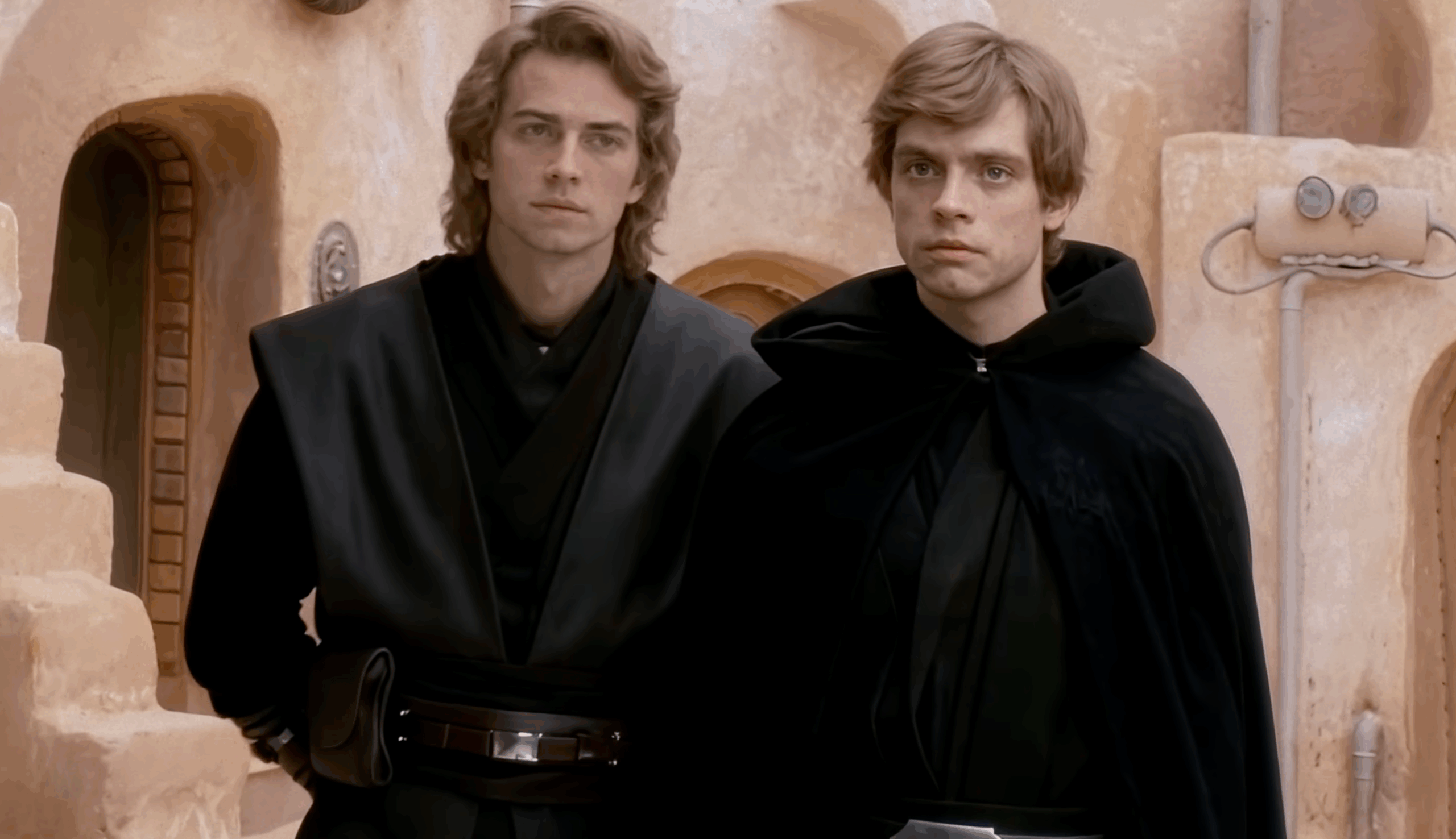
This is where things become difficult for companies like Disney, especially its Lucasfilm branch.
Recently, fan-made videos using artificial intelligence to recreate scenes from Star Wars have become very popular online. While these videos sometimes have technical issues, the ideas behind them – like lightsaber fights, spaceship battles, and displays of Force powers – are often creative and exciting, even if the visuals aren’t perfect.
Now imagine those same creators equipped with:
- Photoreal character models
- Fluid martial choreography
- Cinematic destruction physics
- Hollywood-level camera simulation
Surprisingly, fan-created Star Wars action sequences are now becoming as impressive as – and sometimes even better than – the official shows on Disney+.
Unlike traditional studio productions, content created by users is quick to develop, inexpensive, and directly responds to what people want, instead of being controlled by a company.
The Gatekeepers Lose Control
There’s also a cultural shift embedded in this technology.
AI filmmaking tools democratize creation.
For a long time, Hollywood has made it difficult for those without money or connections to become creators. When talented young people lack financial backing, they often rely on accessible tools to get noticed. This will inevitably lead to the emergence of new, innovative voices – the next Chris Nolans, for example – and ultimately, to some truly remarkable work.
— Rhett Reese (@RhettReese) February 11, 2026
As a movie reviewer, I’m really excited about what’s happening with independent filmmaking. For years, it was almost impossible for new directors without the right connections to get their foot in the door. Now, they have the tools to create short films – essentially, little trailers for their bigger ideas – and prove what they can do, all on their own. It’s a game changer for who gets to tell stories in Hollywood.
As Reese himself noted, that could lead to incredible innovation.
This also means that studios don’t have complete control over who builds and shapes these big, connected movie worlds anymore.
The Real Fear Isn’t the Tech — It’s the Talent
Here’s the uncomfortable truth behind the panic: Technology alone doesn’t replace Hollywood.
Talent does.
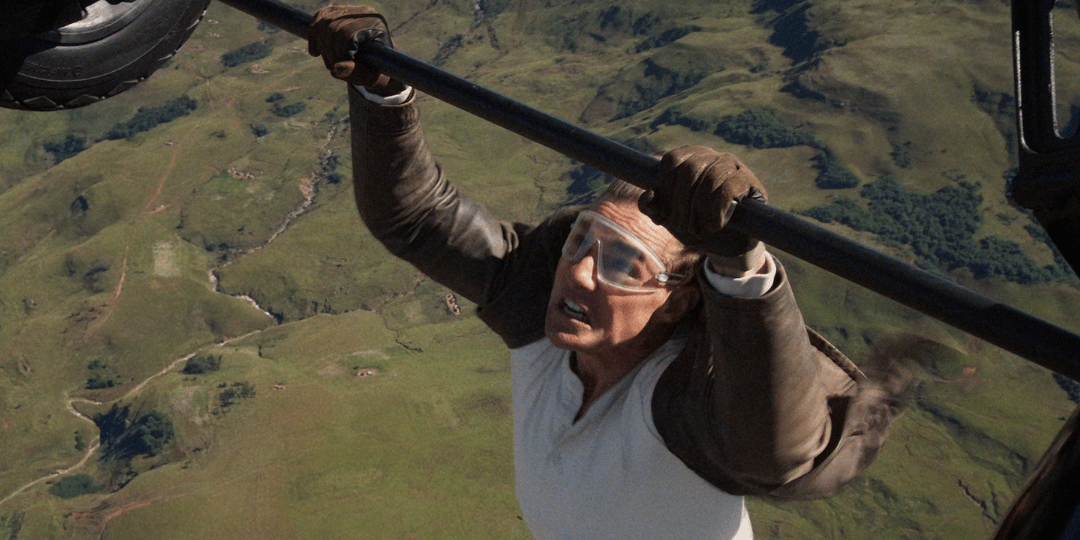
If even a handful of skilled storytellers master AI filmmaking pipelines, they could produce:
- Feature-length films
- Franchise-level action
- Studio-grade visual effects
All without studio funding.
Hollywood’s biggest competition isn’t other movie studios these days; it’s the internet.
A Turning Point Moment
You know, that AI video pitting Tom Cruise against Brad Pitt? I don’t think people will remember it for being an AI video, honestly. It felt like a sign of things to come – a glimpse into how AI might start messing with and reimagining our favorite stars and stories. That’s what really stuck with me.
Realistic fight scenes created with artificial intelligence used to be a major challenge for filmmakers, but that’s quickly changing. AI is now becoming capable of producing believable combat sequences.
Jeffrey Epstein knew too much
— Ruairi Robinson (@RuairiRobinson) February 11, 2026
If fan-made creations can perfectly replicate the feel of professional games, the line between amateur and studio-level development could vanish.
If that happens, Hollywood won’t just face disruption. It’ll face decentralization.
And that’s what has industry voices sounding the alarm.
Read More
- 6 Years Ago, Star Wars Debuted Its Most Wasted Villain In Franchise History
- Spider-Man 4 Might Feature [Spoiler]’s MCU Debut — Report
- Серебро прогноз
- Deathstroke Takes On An Epic Sci-Fi Villain In This Brutal Crossover Event
- Прогноз криптовалюты ADA: прогнозы цены ADA
- Золото прогноз
- Dwayne Johnson Was Super Stressed The Morning Golden Globes Noms Came Out. How Ryan Coogler Made His Day
- One of the Most “Exciting” Paranormal Adventure TV Shows of the Decade Sets Season 11 Release Date on HBO Max
- Stephen King’s 11.22.63 Series Comes To Netflix in January 2026
- Stranger Things’ Alien Influence: Joe Keery’s Favorite Movie
2026-02-12 18:02