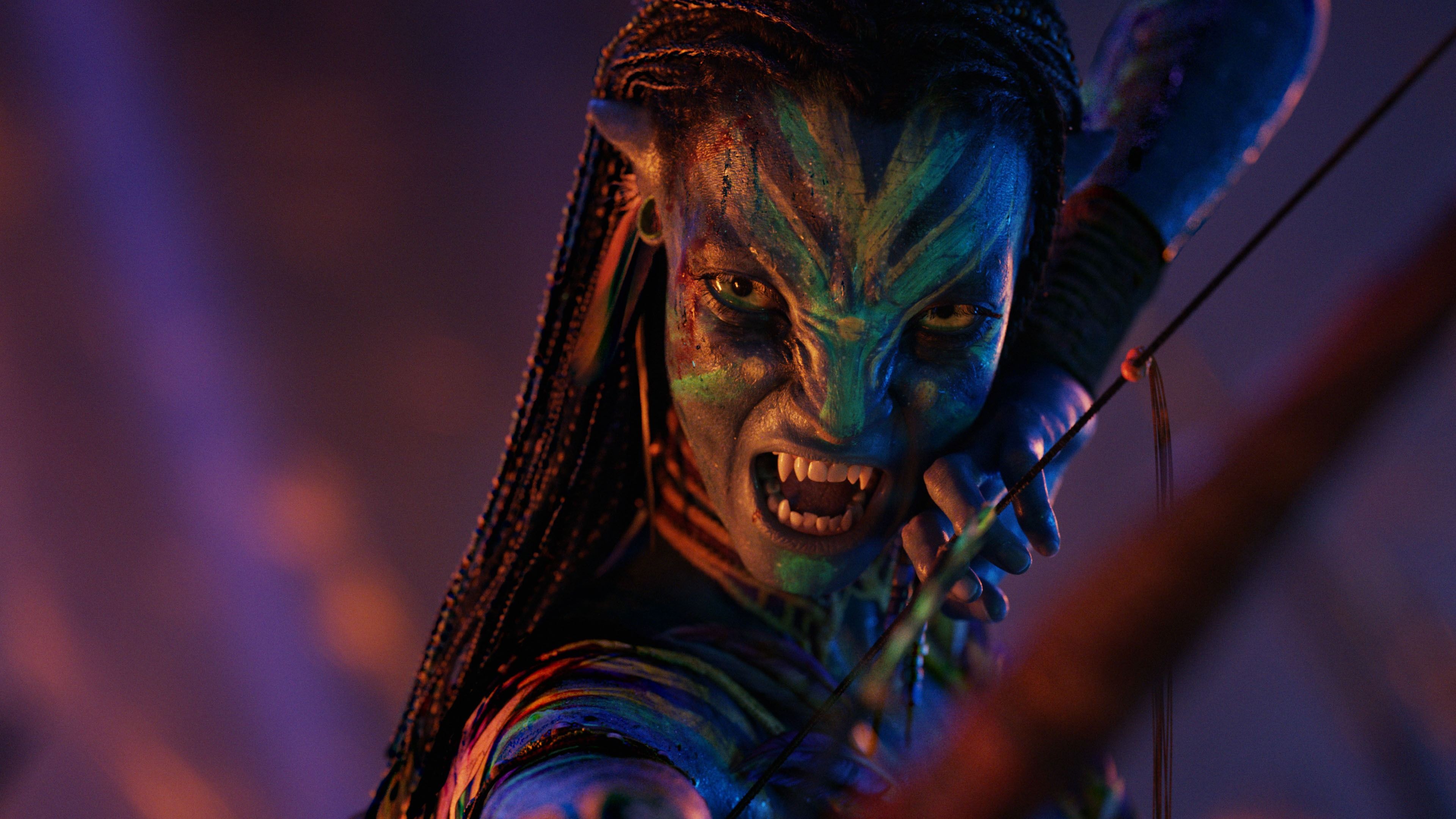
James Cameron’s Avatar films are undoubtedly among the most successful movie series ever made. When the original Avatar premiered in 2009, it quickly became famous for its stunning visuals and groundbreaking special effects. It received numerous accolades, including three Oscars for Cinematography, Visual Effects, and Art Direction, plus many other nominations and awards. The film also boasts strong approval ratings – 81% from critics and 82% from audiences – on Rotten Tomatoes.
As a huge fan of the original Avatar, I was thrilled when Avatar: The Way of Water finally arrived over ten years later in 2022. And it didn’t disappoint! It received amazing reviews, including another Oscar for Visual Effects – seriously, the effects were stunning. It racked up a ton of other nominations and awards too. What really surprised me was that audiences actually loved this one more than the first film. At least, according to Rotten Tomatoes, where it scored a fantastic 92% with viewers (critics gave it a still-good, but slightly lower, 76%).
The previous Avatar film did well partly because its story was both familiar and fresh. It continued the original’s narrative while introducing a new group of Na’vi, the Metkayina, who live in the water. This kept things interesting despite some repeated plot points and the return of the villain, Colonel Miles Quaritch. However, the newest film, Avatar: Fire and Ash, wasn’t as successful. Critics gave it a much lower rating, with only a 65% score on Rotten Tomatoes.
The movie was well-received by audiences, earning a 90% approval rating. However, critics pointed out several problems, mainly that the story felt repetitive – bringing back the same villain and relying on visuals similar to previous films without offering much new substance. Beyond those issues, this latest Avatar film had other flaws that surprisingly haven’t been mentioned in most reviews.
Avatar: Fire and Ash’s Plot Was Doing Too Much
James Cameron’s skill as a director likely explains why Fire and Ash managed to overcome some significant story problems that would have hurt a less established film. The biggest issue is that the movie tries to do too much with its plot. While the new Mangkwan Clan is a truly captivating and frightening addition, serving as excellent villains, the filmmakers brought back Quaritch unnecessarily. This decision created a confusing and overly complicated storyline instead of letting the Mangkwan Clan take center stage.
The story would have been much stronger if the Ash People had been the sole villains. They were far more compelling than revisiting an old enemy, and it would’ve shown that the Avatar series can evolve beyond familiar territory. The film also suffered from having too many plots happening at once, which made things confusing and felt disjointed. Several interesting storylines were underdeveloped and rushed because the movie tried to do too much.
The movie didn’t give enough focus to the stories of Neytiri and Ronal, two important female characters. Neytiri’s storyline was particularly frustrating, but both characters felt underdeveloped, which was especially disappointing considering the strong female characters in the first Avatar film.
Fire And Ash Was A Major Step Down For Its Female Characters

Neytiri, first seen in Avatar, immediately stood out as more than just a romantic interest. She was a strong, courageous warrior who prioritized her people above all else, even when faced with personal tragedy like the loss of her father. Avatar: The Way of Water showed she now had several children, and refreshingly, becoming a mother didn’t diminish her fighting spirit—until the heartbreaking death of her eldest son, Neteyam, which she witnessed firsthand.
It’s understandable that the events deeply impacted her, but the way Fire and Ash handled her reaction was still a letdown. In the new movie, Neytiri feels like a much weaker version of her former self, and her values seem completely changed. This includes her repeatedly considering killing Spider, who she once considered a son, and expressing resentment towards the human side of her children. While she does eventually accept both Spider and her children, it’s clear she was still dealing with a lot of grief.
Despite everything, this felt like a significant setback for her, and a real betrayal. The way Ronal’s character was handled was also particularly disappointing. Killing a new or expecting mother is an easy way to create drama, and it’s a trope that’s been overused in storytelling, especially recently.
James Cameron usually delivers higher quality work than this scene, where Ronal gives birth and then unexpectedly dies. It’s not that female characters shouldn’t die in stories – Grace’s death felt appropriate – but killing Ronal so soon after she had her baby was disappointing.
What Does The Future Of This Franchise Look Like?

Even with some problems and lower critic reviews, Avatar 4 – which will likely have a different official title announced later – is still being made. It’s currently scheduled to come out in December 2029, so it will be several years before we see it. The story will also jump forward in time by around eight years.
Okay, we don’t know a ton about the plot yet, but this new movie feels like it could be exactly what the series needs to shake things up. People are already buzzing with theories – a lot of fans think this time jump might mean Jake Sully could actually die! It’s something we’ve wondered about for ages, and it would be a pretty bold move if they went there.
A change in leadership would feel natural for the story, with one of Jake’s children – possibly Lo’ak – likely taking over. Regardless of what happens to Jake, Avatar: Fire and Ash demonstrated that the series is ready to explore new paths.
2026-07-20 01:00