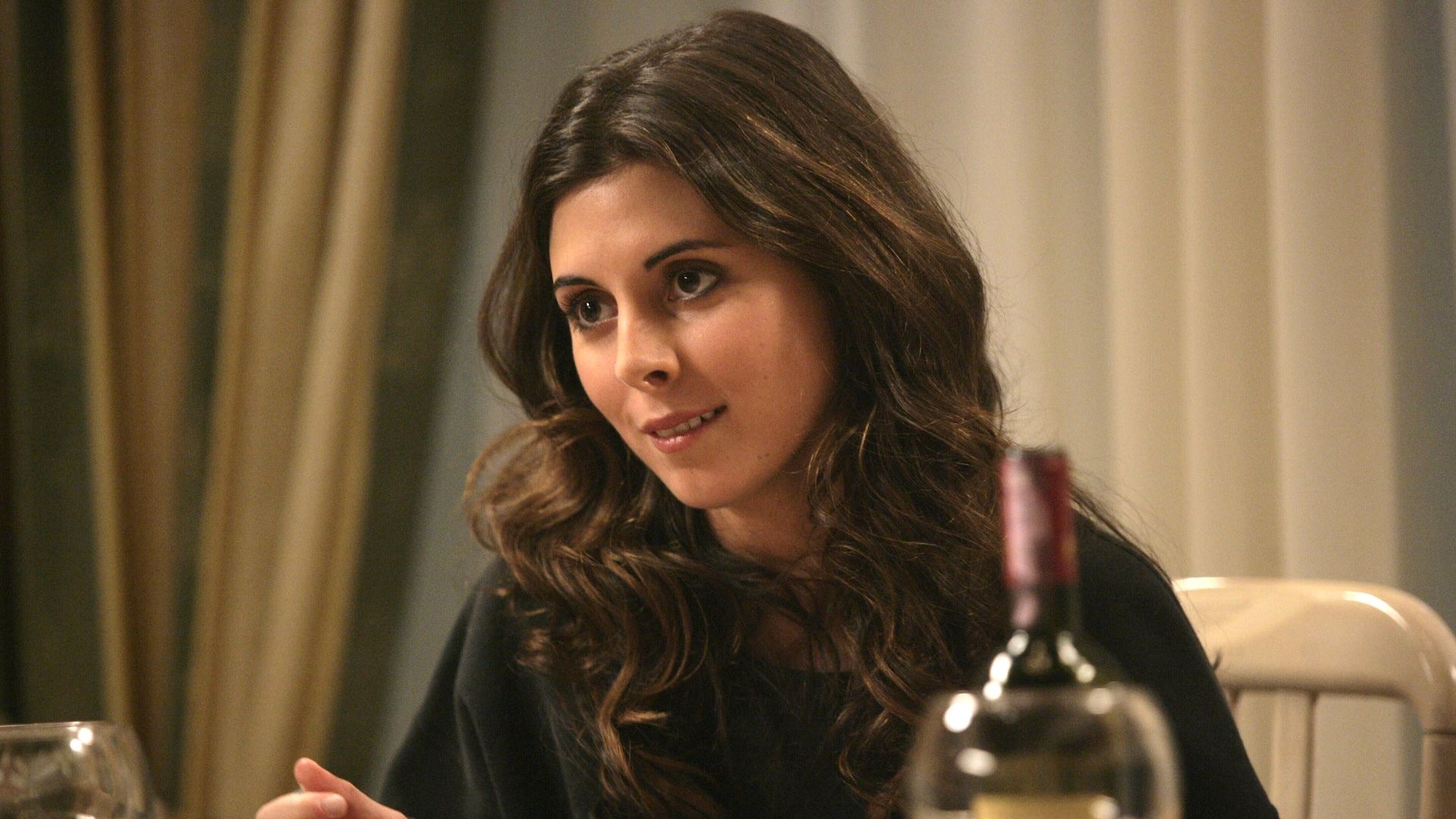
While The Sopranos constantly challenged traditional TV conventions, it was a bold move early in the series that truly set it apart and paved the way for its success. Many consider The Sopranos to be one of the best TV shows ever made, and a key program that helped launch the current era of high-quality television.
Shows like ER and Buffy the Vampire Slayer helped improve TV’s reputation in the late 1990s, but it was Sex and the City, Six Feet Under, The Wire, and particularly The Sopranos that really defined the new wave of high-quality television at the start of the 2000s. This period brought viewers some of the most innovative and complex shows ever made.
Over the next ten years, shows like The Shield, Breaking Bad, The Walking Dead, and Friday Night Lights proved that television had incredible potential for telling complex stories. This shift in TV history began with a single episode of The Sopranos that dared to break a long-standing rule.
“College” Broke The Biggest Rule Of Television
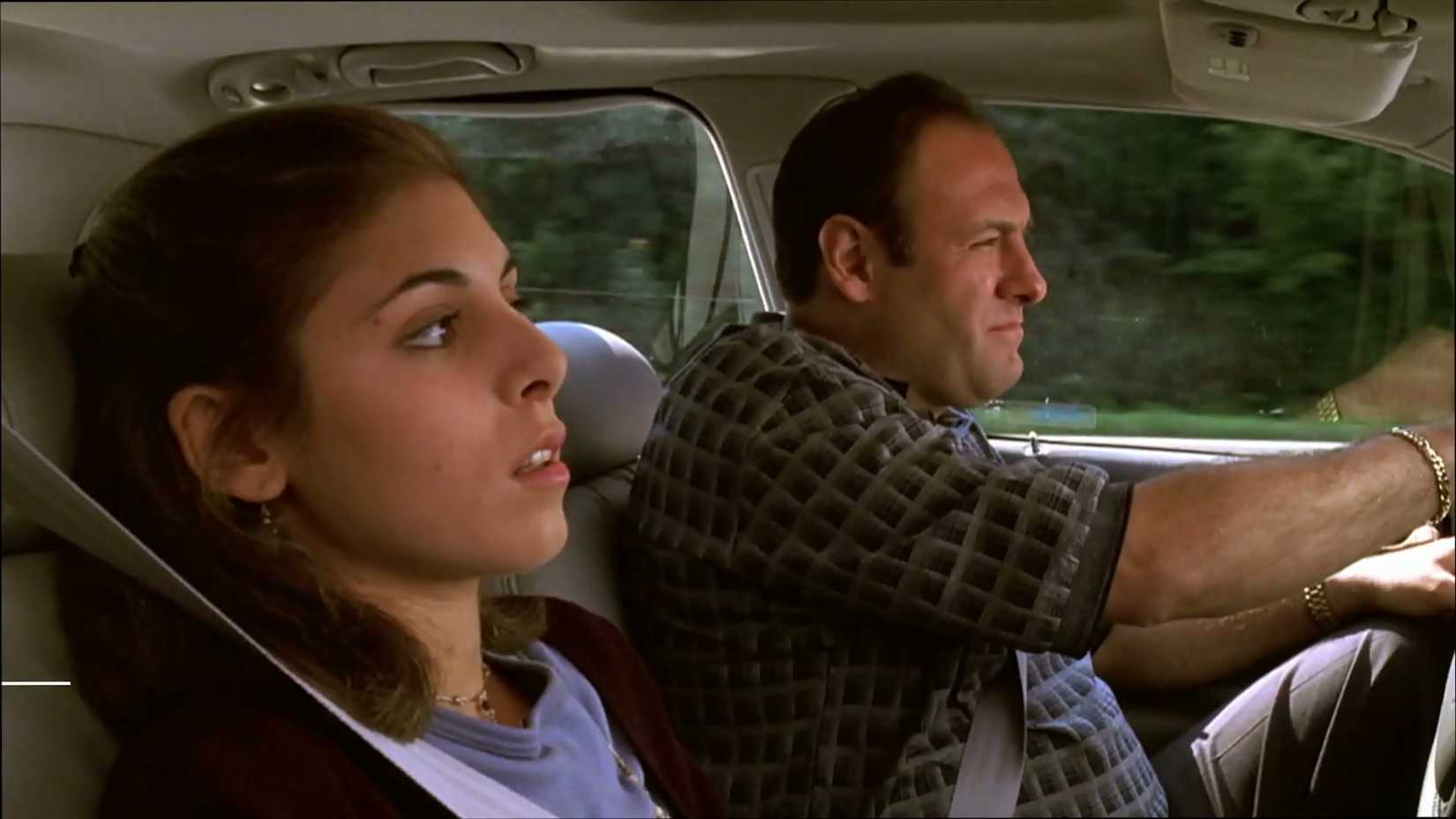
While The Sopranos didn’t shy away from showing Tony’s imperfections, it gradually revealed just how ruthless and unfeeling he could be. This is evident in the season 1 episode “College,” which begins with Tony and his daughter, Meadow, on a road trip to visit colleges. During the drive, they discuss some difficult subjects.
Tony tells his daughter he isn’t involved with the mafia, but he does confess that some of his wealth comes from illegal gambling, revealing a flawed honesty that makes him seem more human and relatable. Meanwhile, Meadow admits to using study drugs to prepare for the SATs, but she refuses to tell her father where she got them.
Both characters are flawed and often dishonest, which feels realistic and highlights Tony’s genuine efforts to be a good father, even though he had a difficult childhood due to his mother. The situation quickly escalates when Tony unexpectedly sees Febby, a former member of the DiMeo crime family who cooperated with the authorities.
While Meadow visits colleges, unaware of what’s going on with her father, Tony calmly makes plans to kill a man. Once he’s confirmed the man’s identity, Tony goes to his office and strangles him – a shockingly violent scene that echoes a famous, disturbing moment from The Godfather. It’s a brutal act, and even though viewers knew Tony was capable of violence, it still feels surprising.
Before The Sopranos, most TV shows featured main characters who were fundamentally good people, even if they had flaws, and viewers were meant to support them. Tony Soprano challenged that idea. While he often evoked sympathy, the episode “College” showed the series wasn’t afraid to portray him as truly ruthless and monstrous.
The Sopranos Entered A League Of Its Own After “College”
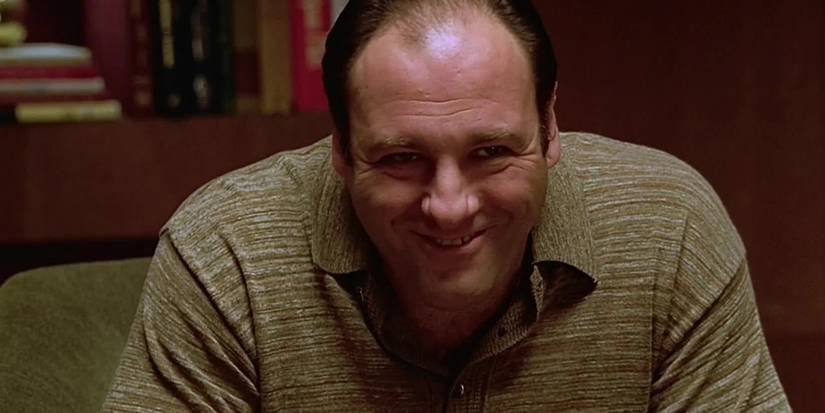
When people watch the “College” episode again in 2026, they might not understand all the fuss. Febby’s murder isn’t the most shocking violent act the show has seen, and some might even see it as partially deserved, considering how Febby behaved towards Tony. She found Tony at his motel and nearly shot him herself.
Tony almost died when Febby decided Meadow and her friend knew too much. He killed the former mob member to protect himself, but he didn’t realize Febby knew he’d seen him, and he never finds out. Throughout the episode, Tony remains unaware that Febby knows he was there.
Tony believes he’s personally committing murder because Febby decided to cooperate with the authorities and go into witness protection. While The Sopranos had even more disturbing moments, this episode was key in showing that Tony, the show’s main character, would kill someone simply for trying to escape a life of crime – purely on principle.
Tony Soprano Paved The Way For Other Complicated Protagonists
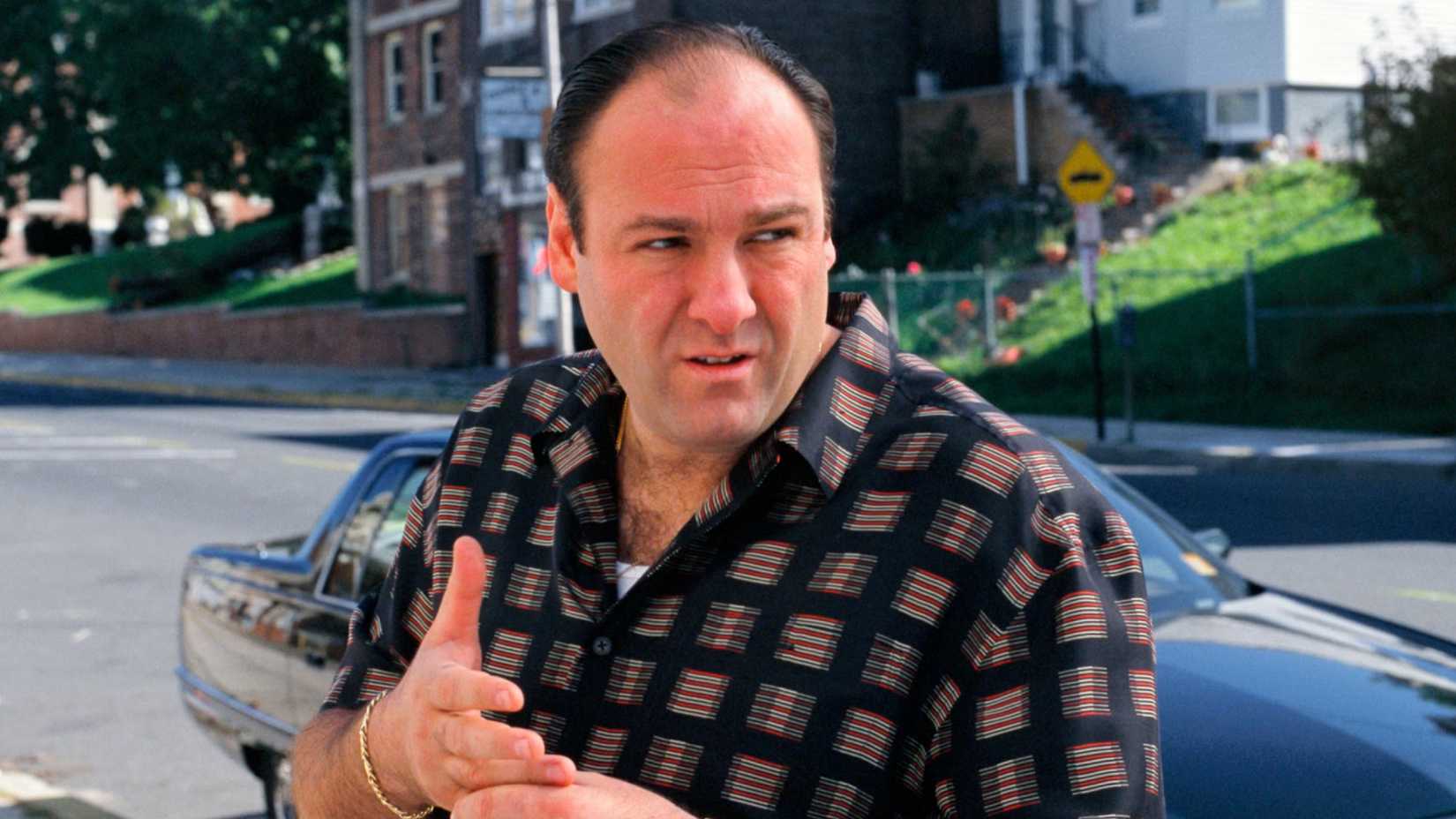
It’s actually quite ironic that Tony’s behavior in the “College” episode isn’t more upsetting, considering how much of a landmark that episode was for television. What’s truly surprising is that viewers continue to root for Tony and even hope he can find redemption, despite his cold-blooded act.
Many TV shows that followed explored just how much viewers would accept from characters with serious flaws. For example, the first episode of Mad Men shocked audiences by revealing that Don Draper had been hiding a family, and Breaking Bad famously showed a gentle teacher transform into a ruthless criminal boss.
Shows like Low Winter Sun and Too Old To Die Young ultimately lost their audience by making their characters too unlikeable. However, the recent peak in quality television was known for complex, often terrible, main characters who still managed to earn our empathy. From The Shield to BoJack Horseman, these infamous anti-heroes wouldn’t have been possible without the groundbreaking influence of The Sopranos.
Read More
- Everything We Know About Georgie & Mandy’s First Marriage Season 3
- Золото прогноз
- Google Reveals the 10 Top-Trending Anime of 2025
- Clint Eastwood Almost Worked With Hollywood’s Most Gothic Filmmaker For A Supernatural Western
- Marvel Studios Might Have Just Revealed The Leader Of The MCU’s New Avengers Team
- Tobey Maguire’s Spider-Man Returns In New Ultra-Detailed Figure (Photos)
- Venom’s MCU Future Teased in New Rumor, Could Factor Into Avengers Movies
- Pluribus Review: Vince Gilligan Delivers An Eerie, Slow-Burning Instant Sci-Fi Classic You Can’t Miss On Apple TV
- Tom Felton’s Official Harry Potter Return Finally Revealed With Rapturous Applause In Emotional Cursed Child Video
- Virgin River Season 7 Premiere Month Announced For March 2026
2026-02-23 23:19