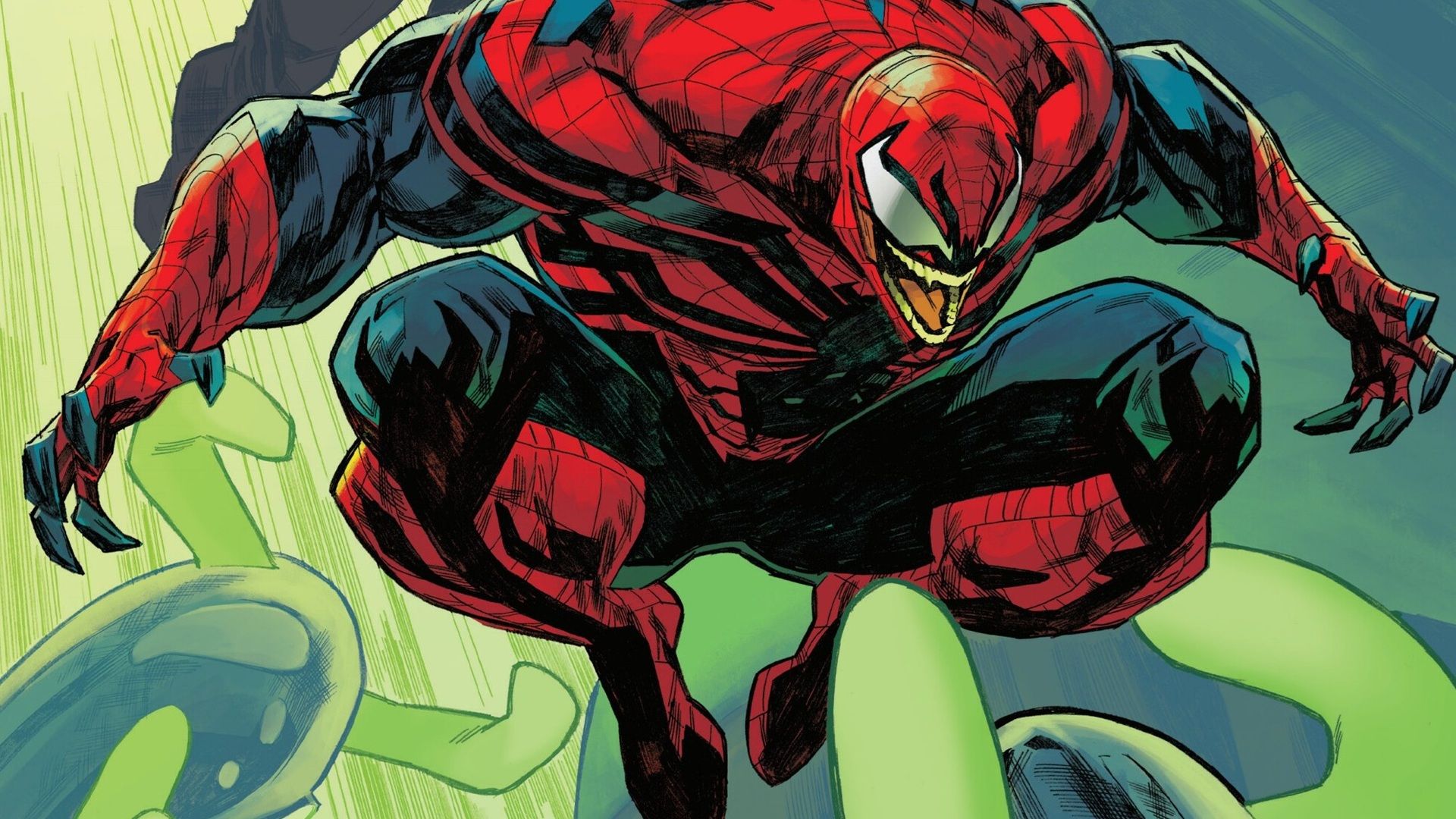
Venom’s origin beautifully illustrates how comic books are often a team effort, with many different ideas coming together. For example, John Byrne initially envisioned a symbiote costume that could actually heal injuries, going beyond a simple fabric covering. Unfortunately, he departed the series before he could fully develop this concept.
He shared the concept with his friend Roger Stern, who incorporated it into a new Spider-Man costume in Amazing Spider-Man #252 (Stern outlined the story). However, Stern left the book after that issue, leaving the idea to be further developed by the new writer, Tom DeFalco (who actually wrote #252). DeFalco, along with artist Ron Frenz, then decided the idea would work best if the creature was a living, active symbiote.
Writer David Michelinie paired the symbiote with a new host, and artist Todd McFarlane gave the costume a fearsome look with a mouth and large teeth – and just like that, Venom was created! Now, with Venom’s comic reaching its 252nd issue, Marvel is celebrating its beginnings by introducing a new Spider-Man version of Venom. Interestingly, there are actually two different takes on this concept within the issue!
Okay, so issue #252 of Venom was a team effort! Al Ewing, Jordan Morris, and Tom DeFalco teamed up for the writing, with art from Paco Medina, Jesus Saiz, and the legendary Ron Frenz with Brett Breeding. Frank D’Armata, Jesus Aburtov, and Marcio Menyz handled the colors, and Clayton Cowles did the lettering – seriously, the guy did all the lettering, so he deserved a triple mention! What’s really cool is the issue gives you two different angles on this new Spider-Venom design, which was created by Luciano Vecchio. It’s a pretty neat concept!
How did Al Ewing work Spider-Venom into the main series’ story?
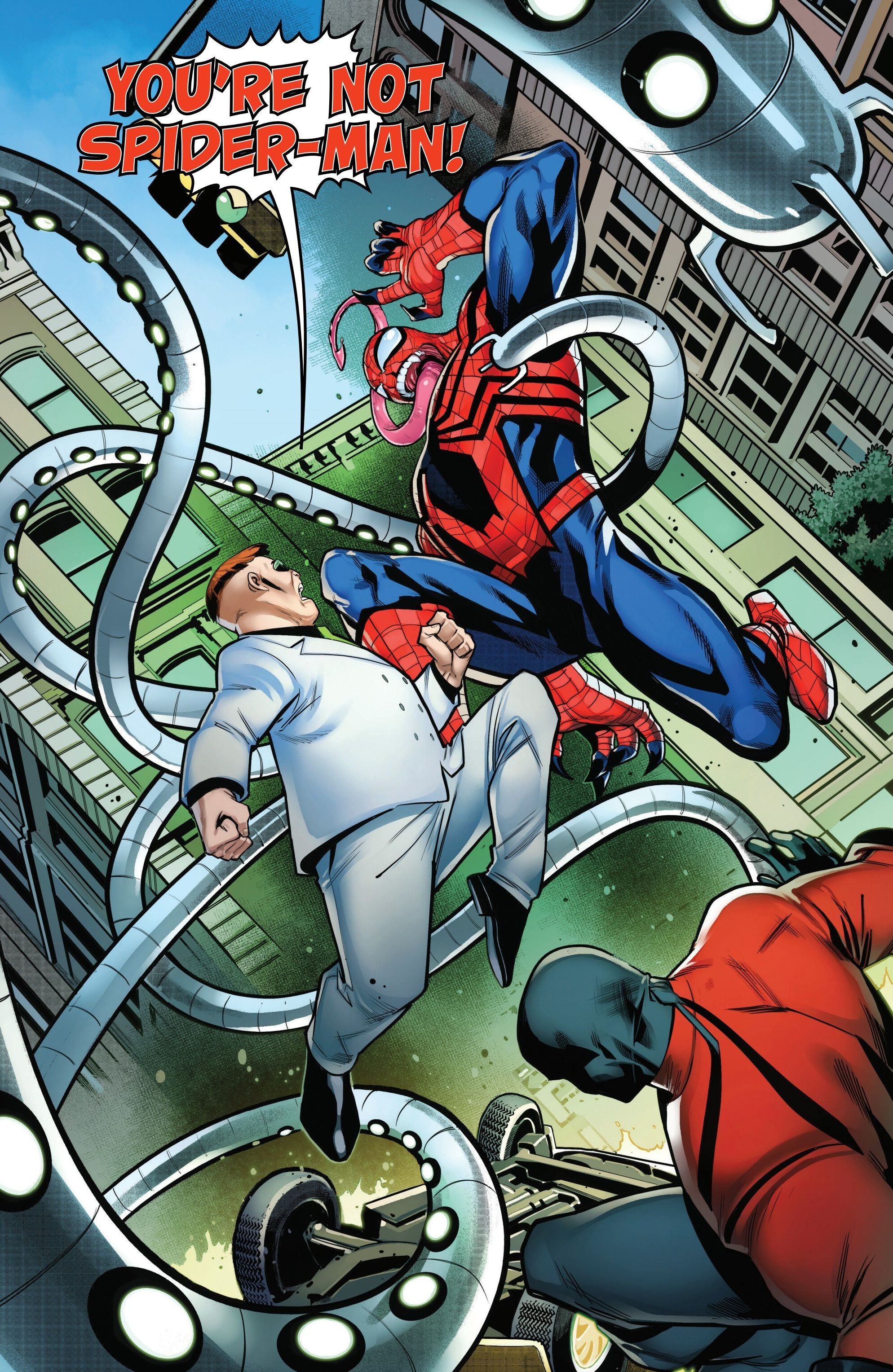
The only slight drawback to this anniversary issue is that our usual artist, Carlos Gómez, wasn’t able to work on the last two issues. However, if you need someone to fill in, Paco Medina is an excellent choice. He’s so talented, he could easily be the regular artist on this series, so we really didn’t lose anything with him drawing this story. It’s just generally preferred to have the regular artist work on special issues like this one.
Al Ewing, a remarkably skilled writer at Marvel, cleverly used the Spider-Venom concept in his story. He established that New York City residents distrust symbiotes due to the events of the Venom War – a large-scale attack on the city where symbiotes fought for dominance. This led to the creation of a government organization dedicated to tracking and capturing them.
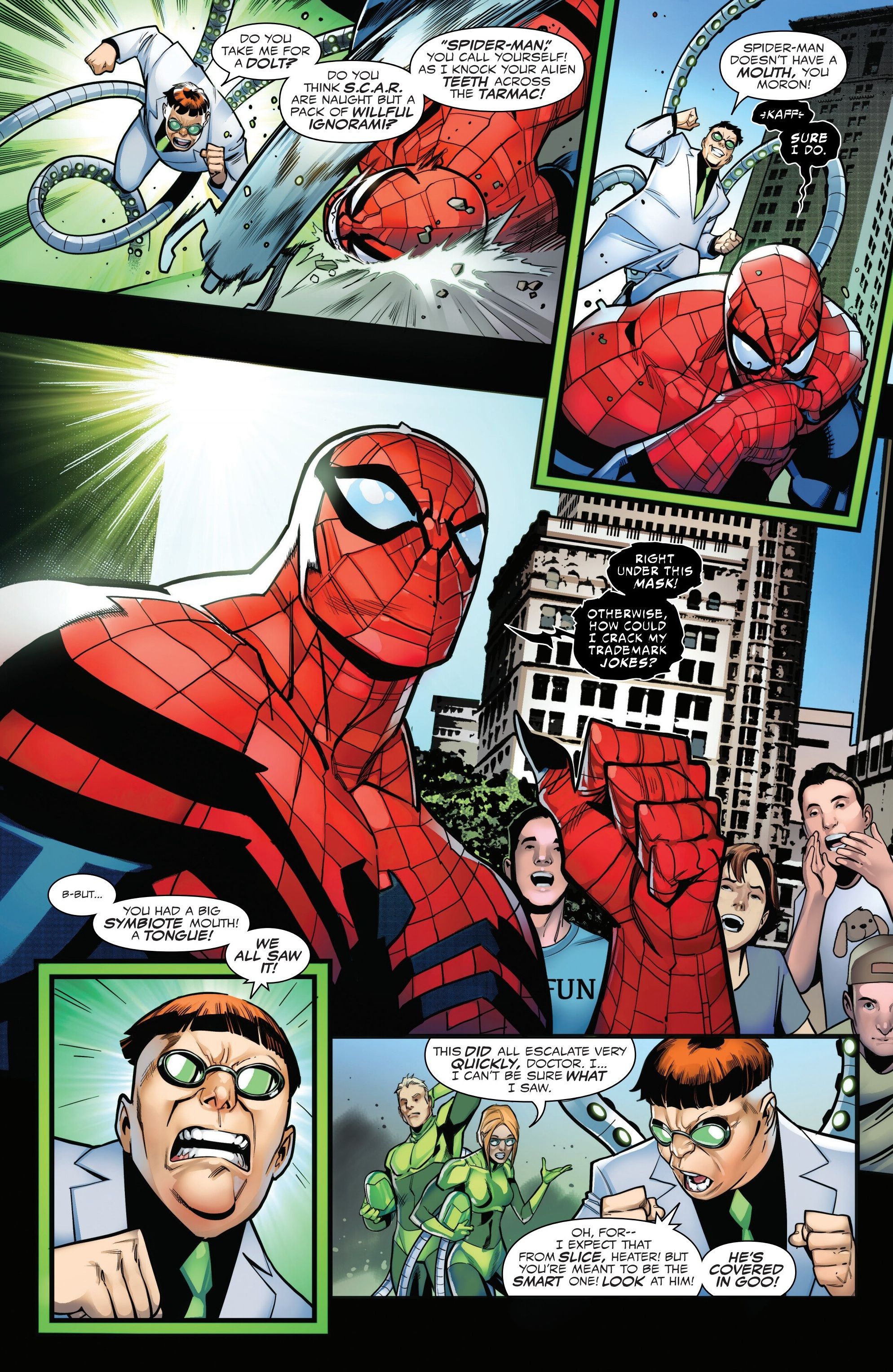
The government, in a surprising move, offered Doctor Octopus a full pardon and asked him to lead a new team. Meanwhile, Venom and Toxin (now merged with Rick Jones) are trying to stay out of the public eye. They’re using their shape-shifting abilities to disguise themselves as more classic Spider-Man characters – Toxin is pretending to be Captain Spider, a hero from the Golden Age of comics, and Venom is simply going as Spider-Man.
It’s funny watching Venom pretend, and even funnier seeing Doctor Octopus get annoyed that everyone else realizes it’s an act. Octopus shouts that Spider-Man can’t talk because he doesn’t have a mouth! But because no one sees Venom briefly reveal his own mouth, Octopus just sounds like he’s stating the obvious. Venom quickly replies that Spider-Man does have a mouth – how else would he tell all his jokes?
This story concludes Doctor Octopus’s role as a primary villain and seems to dismantle SCAR, the group opposing symbiotes. However, it also creates a compelling situation between Mary Jane Watson, who is now bonded with Venom, and her friend Flash Thompson, who controls ANTI-Venom and leads SCAR. The story ends with Mary Jane inviting Flash out for coffee.
Mary Jane and the Flash have a history – they used to flirt when they were younger. Now, with Mary Jane recently ending her relationship, it’s intriguing to see if anything develops between them, especially since they’ve been friends for a long time.
Who is Spider-Venom?
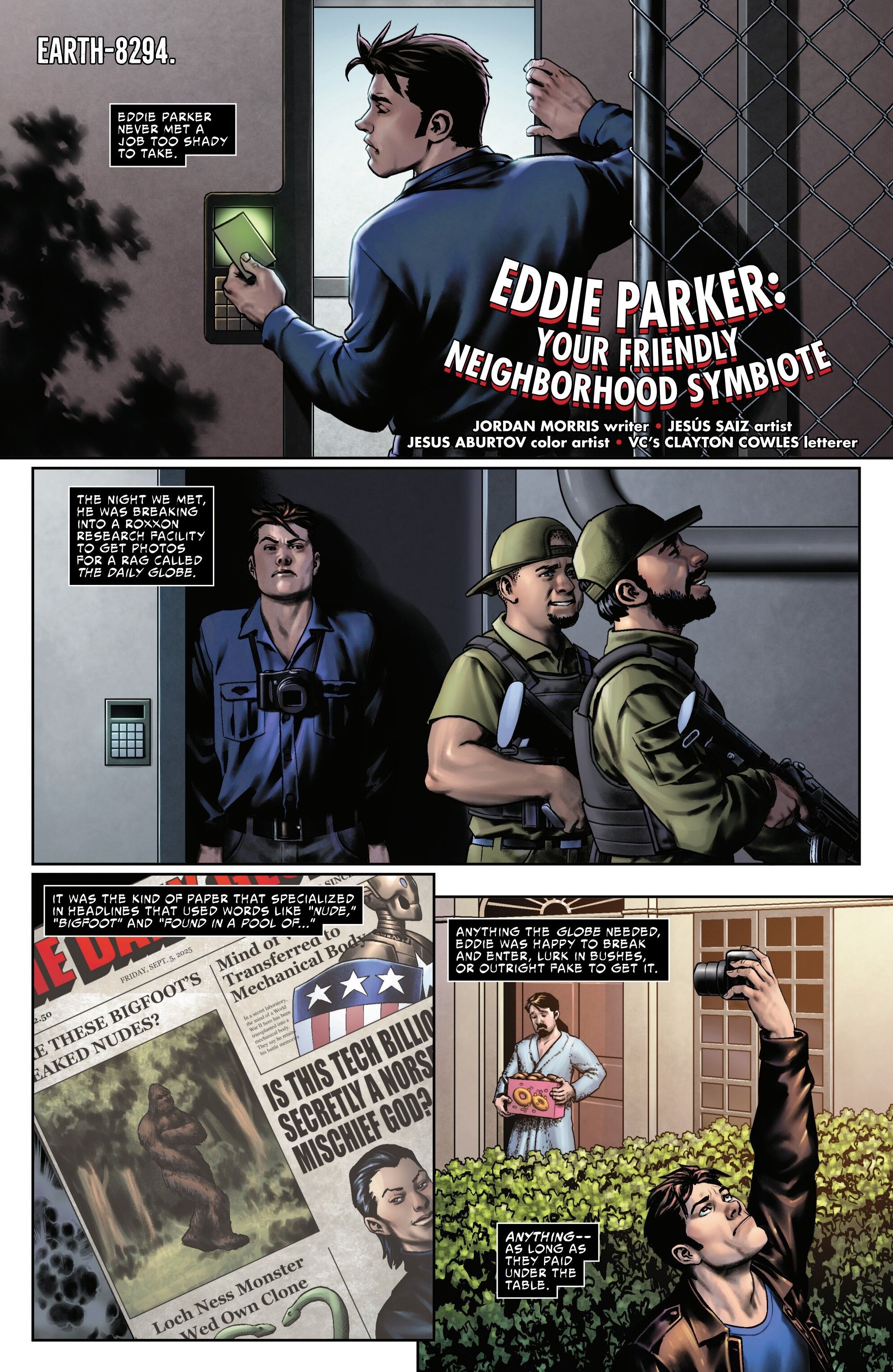
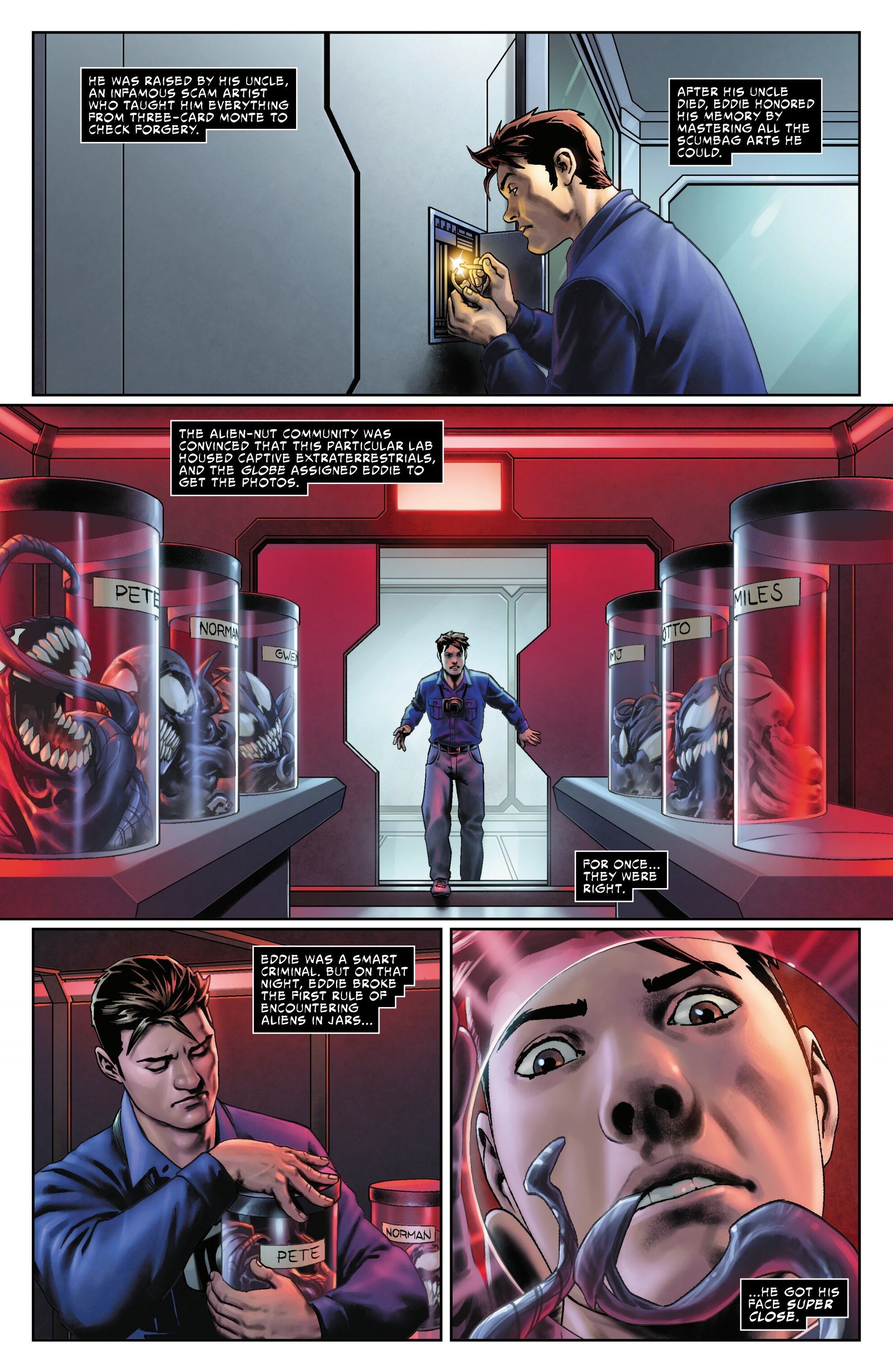
The story doesn’t refer to the character as Spider-Venom, simply as Venom, and there are already other characters with that name. Regardless, the story introduces Eddie Parker, a new character from another dimension. He’s a funny combination of Eddie Brock and Peter Parker’s histories. In this version, Eddie Parker learned the tricks of the trade from his uncle, who was a con artist. He works as a photographer for a tabloid newspaper.
Eddie was investigating rumors of aliens at a lab when he foolishly opened a container, allowing an alien to attach to his face. This led to a merging with the Venom symbiote. The symbiote wanted Eddie to be a superhero, but it was a difficult process. Eventually, through persistence, it managed to turn Eddie into something of a hero.
Jesus Saiz is consistently a talented artist, but his collaboration with Jesus Aburtov in this issue is truly stunning – some of his best work I’ve seen recently. The artwork really stands out and feels dynamic.
A classic Spider-Man team reunites for a riff on a classic Spider-Man story
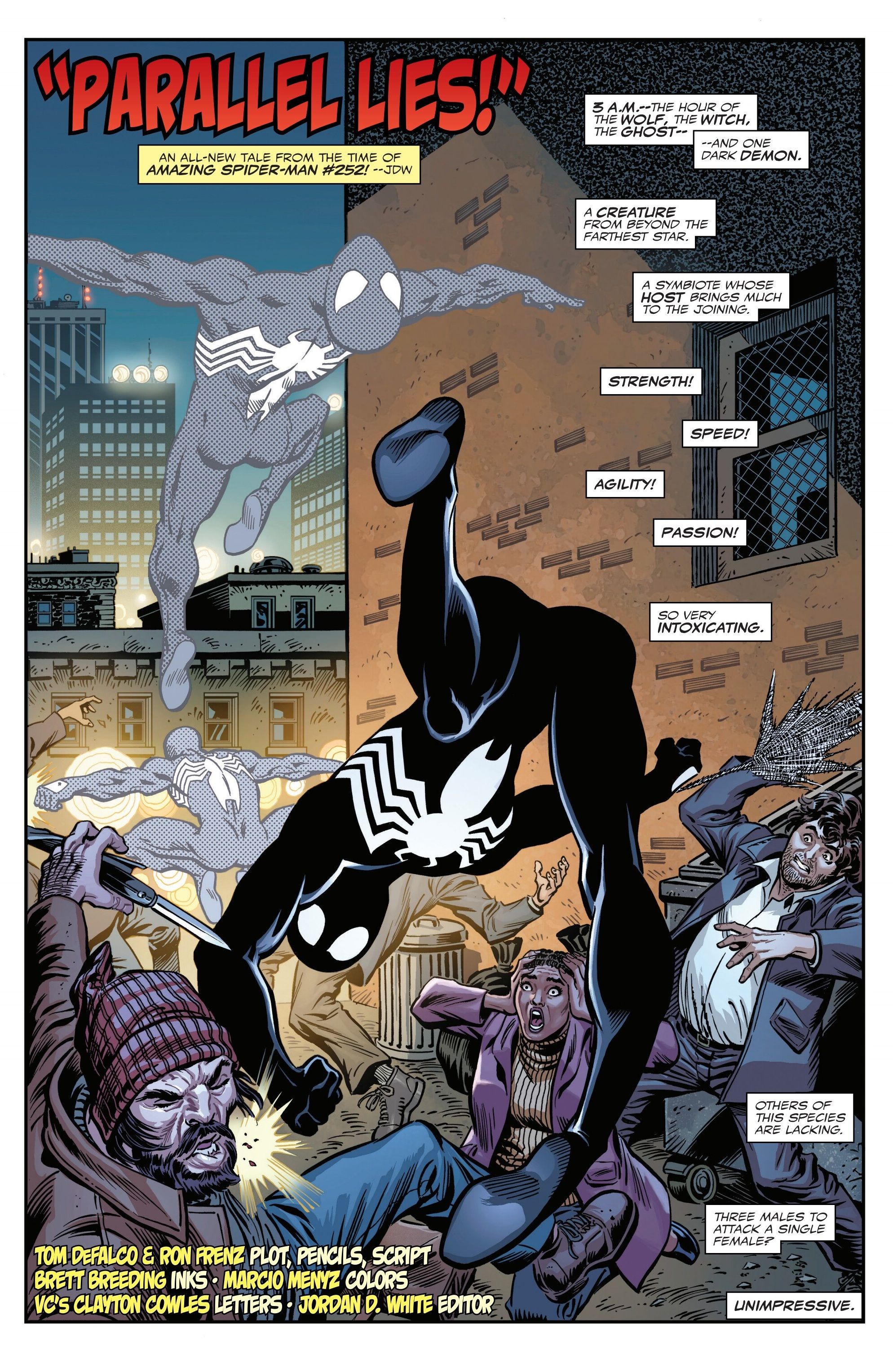
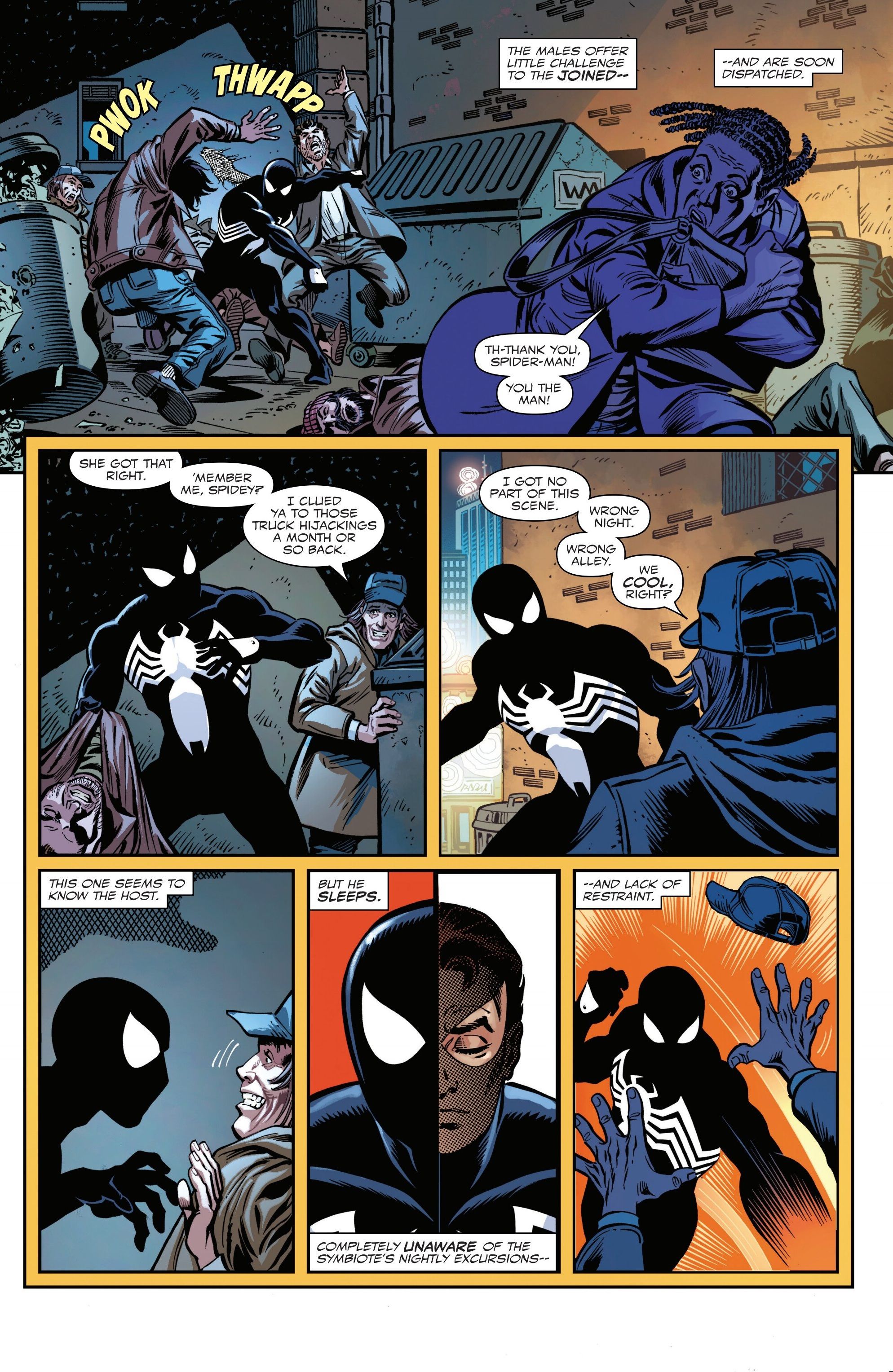
The story concludes with a charming tale from the team behind Amazing Spider-Man #252: Tom DeFalco, Ron Frenz, and Brett Breeding. This story was originally plotted by Roger Stern. While Frenz and Breeding would often collaborate on Thor (with DeFalco also involved), Breeding’s time on Amazing Spider-Man was brief; Ron Frenz primarily worked with Joe Rubinstein for the rest of the series.
This story is inspired by the Spider-Man graphic novel Parallel Lives, which explored the idea that Mary Jane Watson knew Peter Parker was Spider-Man for years but kept it a secret. While Gerry Conway initially touched on this concept, Parallel Lives delved into it more fully. Now, in “Paralle Lies,” we get a look at what Eddie Brock was doing during the time Spider-Man first bonded with the symbiote.
It’s good stuff, and Frenz and Breeding still go well together (and Menyz colored them well).
This anniversary issue was excellent, and the conclusion of the Ewing storyline cleverly hinted at what’s coming next in the main series. It was a smart move, likely to draw even more readers to the next issue.
Read More
- Underrated Shudder Horror Movie Becomes Global Streaming Hit After Quiet Theatrical Release
- Sailor Moon Sets Record-Breaking New Transformation
- 5 TV Shows Hollywood Will Never Let Die
- THE STRANGERS – CHAPTER 3 (2026) Official Teaser
- Apple TV’s Foundation: The New Gold Standard for Space Opera TV
- What to Watch on Prime Video: 4 Best Christmas Week 2025 Picks
- Chris Pratt Made A Pitch to Marvel for Star-Lord’s Return
- Ari Aster’s Eddington Is Missing The One Thing That Makes Me Obsessed With His Other Movies
- 3 Must-Watch Movies On Prime Video This Week (October 27-30)
- The Pitt: First Unedited Medical Drama To Air On TNT
2026-01-18 19:12