It’s common to see movies based on other works, but they often stray from what made the original story special. Hollywood frequently turns to books, plays, and other sources for good ideas, and usually puts its own spin on things instead of simply recreating the original.
Adapting books into movies can be wonderful, allowing for fresh interpretations. However, it’s a delicate balance, as changes can sometimes alienate those who loved the original story – particularly if the film loses sight of the core ideas and messages.
These eight films achieved success, but despite their positive outcomes, they all seem to have lost an essential quality along the way.
8. The Shining (1980)
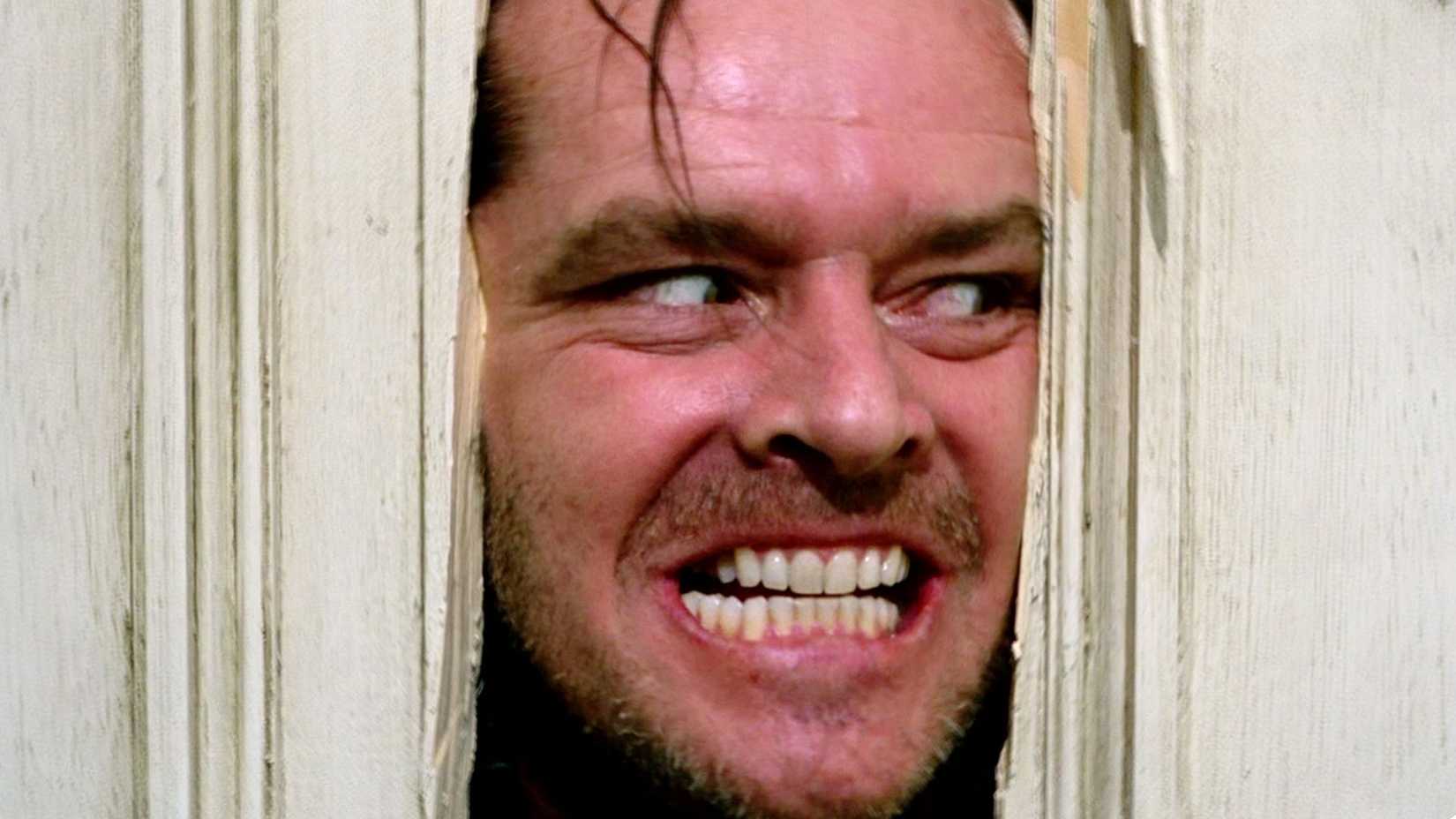
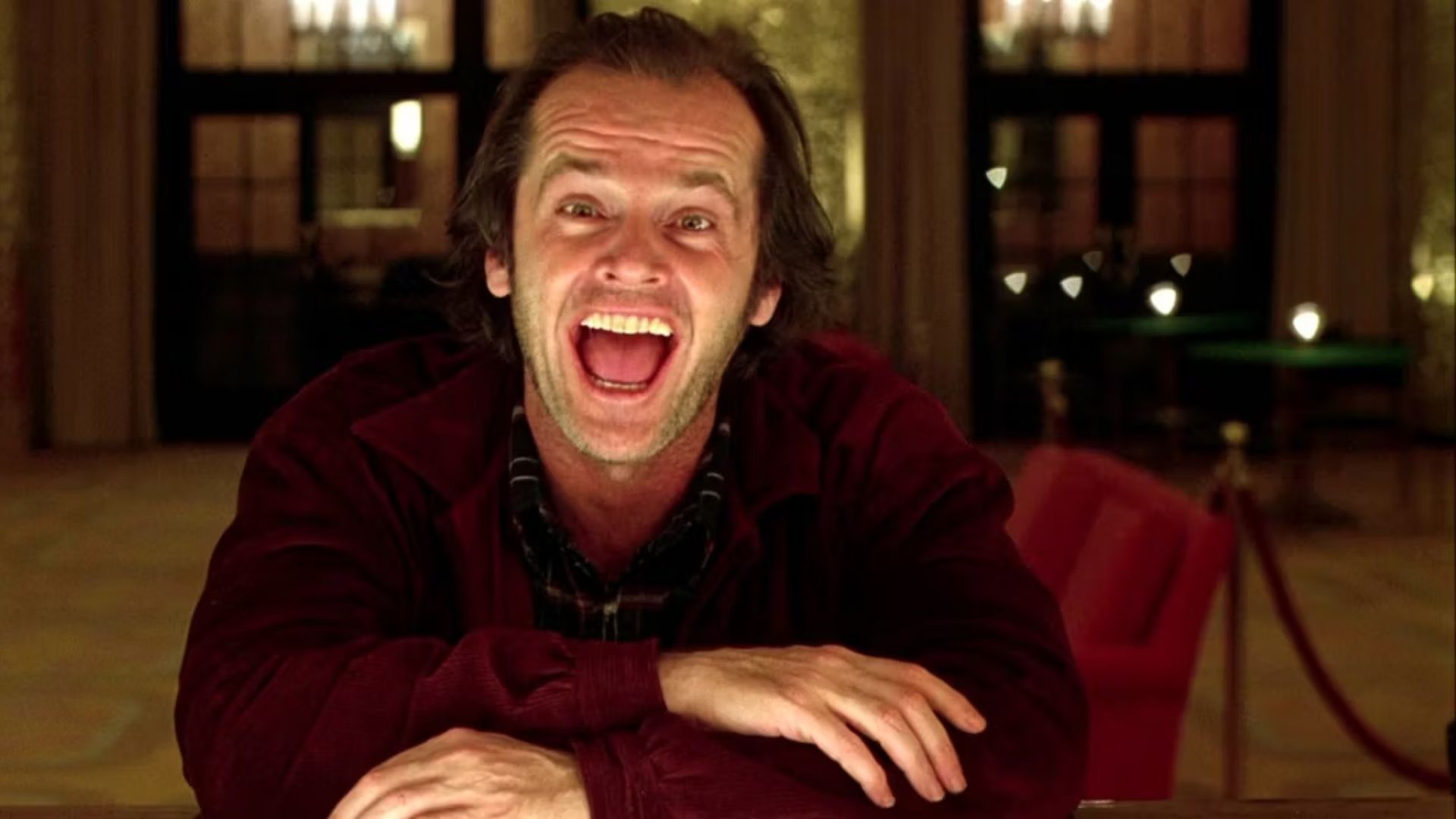
Although I enjoy The Shining as a film, I don’t think it’s a faithful adaptation of Stephen King’s novel. The movie makes one crucial change that weakens a central theme of the book: Jack Torrance is originally written as a likable person who is slowly corrupted by the Overlook Hotel, but the film doesn’t portray it that way.
Even before arriving at the Overlook Hotel, Jack in Kubrick’s The Shining is established as an angry, abusive man struggling with alcohol. He has a history of violence, having previously broken his son’s arm, and the film strongly suggests he has already harmed Danny again. He comes across as frightening even during the job interview.
7. Into The Woods (2014)
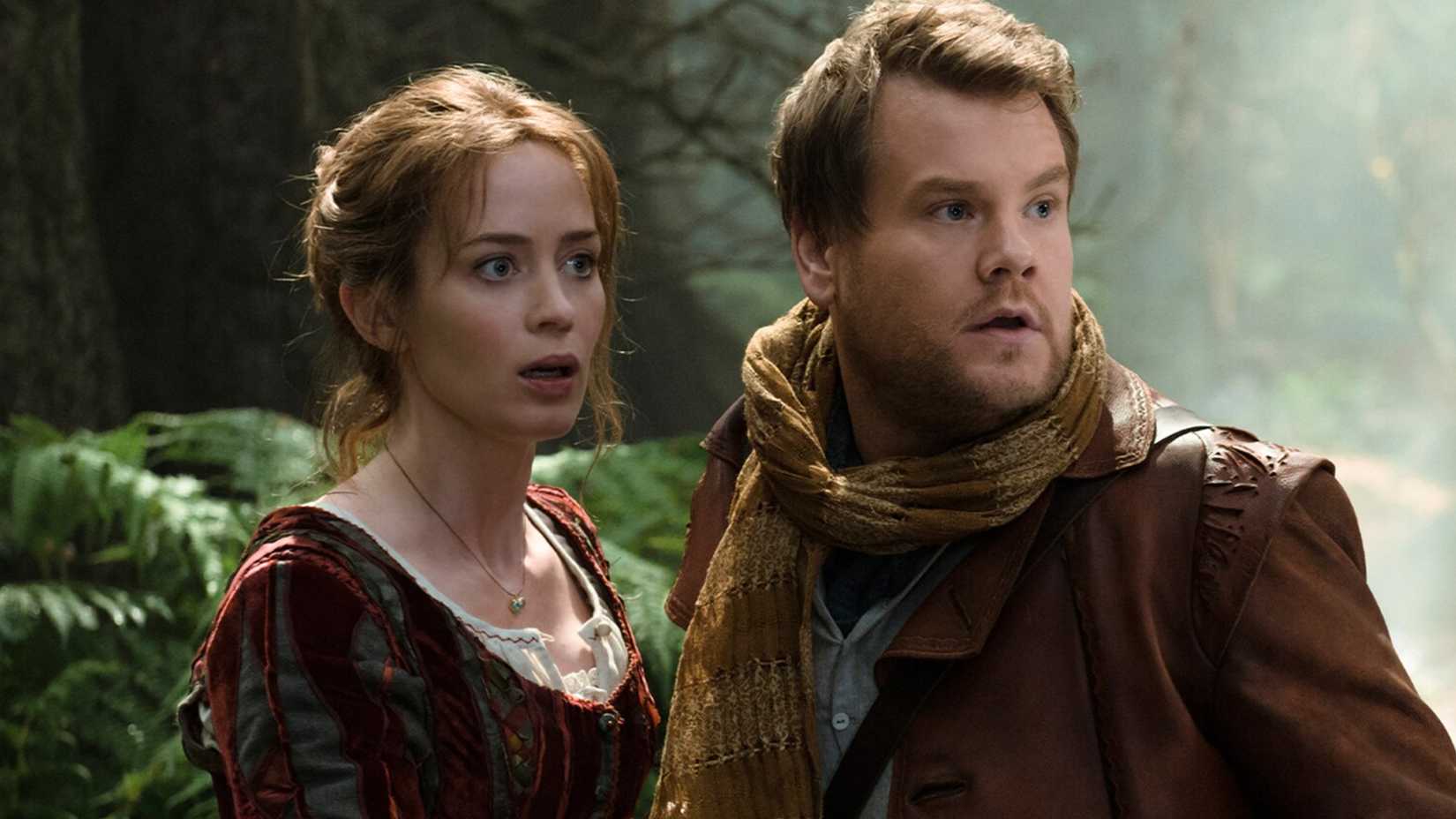
Okay, so “Into the Woods” really surprised me. It takes all these classic fairy tales – Cinderella, Jack and the Beanstalk, Rapunzel, Little Red Riding Hood – and mashes them together in a way that’s incredibly smart, but also surprisingly dark. This isn’t your typical happily-ever-after kind of movie. They really delve into the messy, tough parts of life. For example, Cinderella’s stepmother is genuinely awful, and things get really complicated – the Baker’s wife actually has an affair with the Prince! It’s a bold move, and honestly, it’s Rapunzel’s death that feels like the biggest turning point for the Witch, and really changes the whole tone of the film. It’s a fascinating, if unsettling, take on these familiar stories.
The encounter between Red Riding Hood and the Wolf in this stage production is unsettling and suggests a sexual assault. The original design even included a deliberately provocative visual element to emphasize this disturbing implication.
Disney made a mistake adapting Into The Woods. The musical’s darker themes are essential to its message, and the movie lost that by softening those parts. There’s just no way Disney would have kept those elements in the first place.
6. Batman V Superman: Dawn Of Justice (2016)
The comic book battles between Batman and Superman are legendary, but the movie ‘Batman v Superman: Dawn of Justice’ didn’t quite capture what makes those characters special. While I don’t dislike the overall vision, the film ultimately did a disservice to both Batman and Superman.
Batman’s strict rule against killing is central to his character, and Superman is known for his hope and compassion. I don’t mind seeing a Batman who does kill, or a Superman without any warmth, in different versions of the story – like in comics such as ‘Red Son’ or ‘The Dark Knight Returns’.
However, “Batman v Superman: Dawn of Justice” was initially promoted as the foundation for everything that would follow in the DC movie universe. Sadly, Zack Snyder didn’t fully develop the characters before offering this interpretation that strayed significantly from their established personalities.
5. Minority Report (2002)
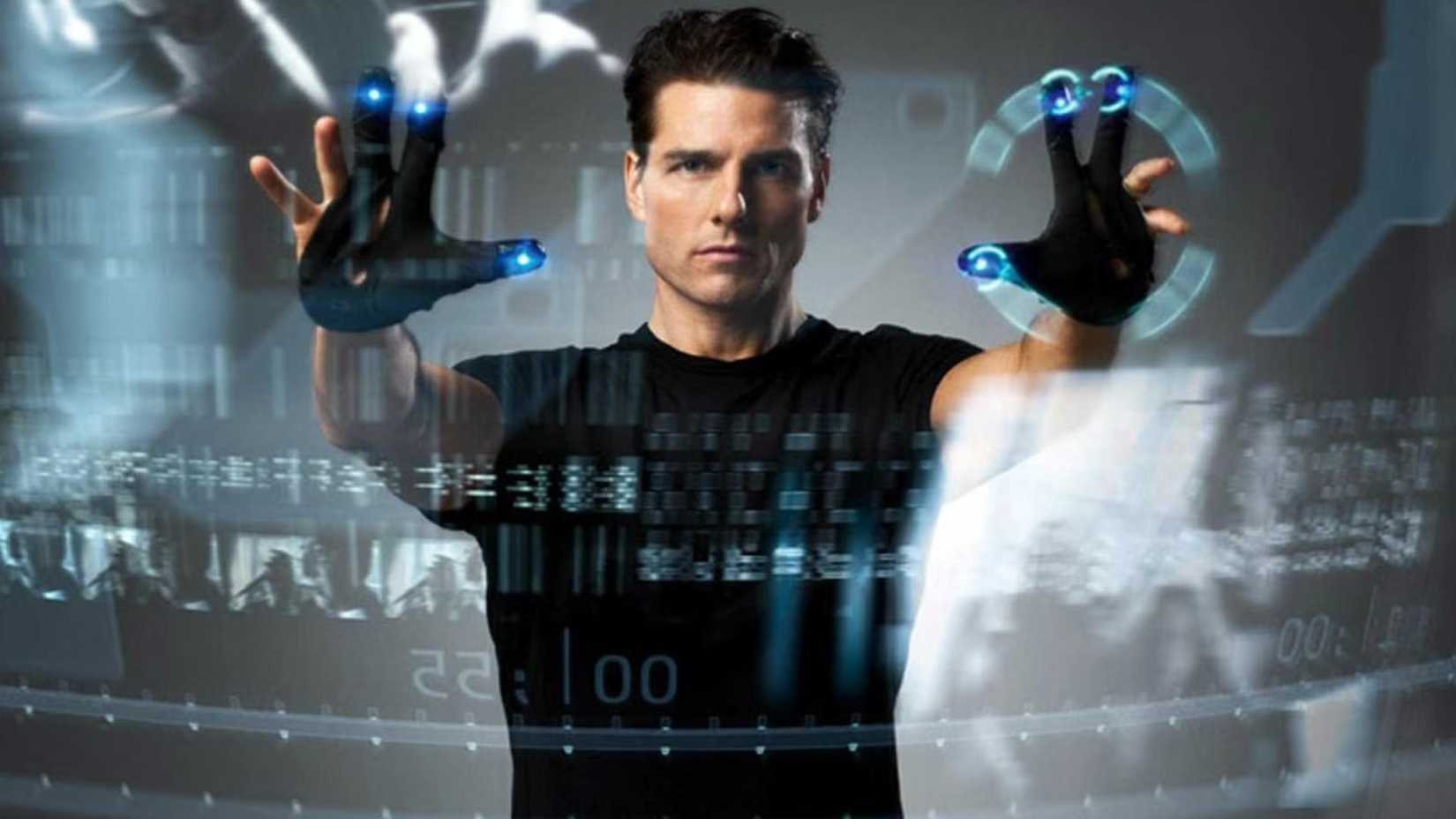
One of the most disappointing things about the movie Minority Report is how it misunderstands the source material. The original story by Philip K. Dick features three ‘minority reports,’ but the film completely leaves them out, which feels strange and unnecessary.
It’s strange that the film adaptation of “Minority Report” has a hopeful ending. In Philip K. Dick’s original short story, Anderton actually commits a murder to keep the precrime system functioning and is then banished. Witwer steps in to replace him, and things go back to normal. This dark conclusion makes you really think about whether Anderton ever had genuine free will.
The film simplifies the story by dismantling the Precrime system and giving Anderton a cheerful ending with his wife and a new family. This conclusion feels like an easy way out and drastically differs from the original story by Philip K. Dick.
4. Watchmen (2009)
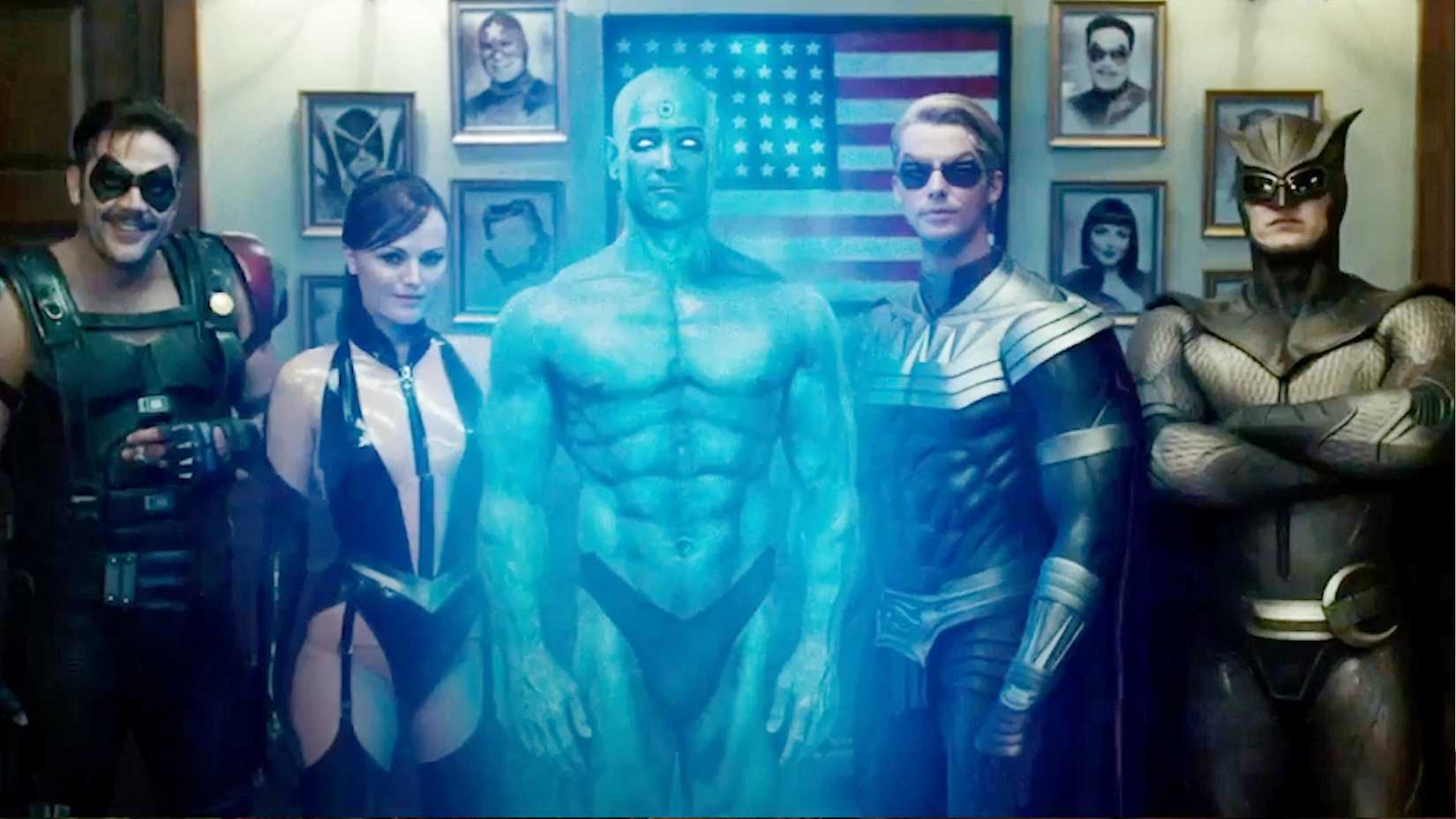
Watchmen is visually stunning and closely follows the original comic book. Viewers who haven’t read the comics will likely be very impressed. However, the movie falls short by not fully capturing the social commentary and deeper meaning present in the source material, focusing mainly on recreating the plot’s surface-level events.
Alan Moore’s Watchmen is built on the idea that its characters are deeply flawed and make poor choices, even when using their powers. They’re meant to be frightening, not admired. However, Zack Snyder’s direction often feels like it’s celebrating the violence and turning these characters into heroes, ultimately making the film a typical superhero story instead of a critical look at the genre.
3. The Strangers: Chapter 2 (2025)
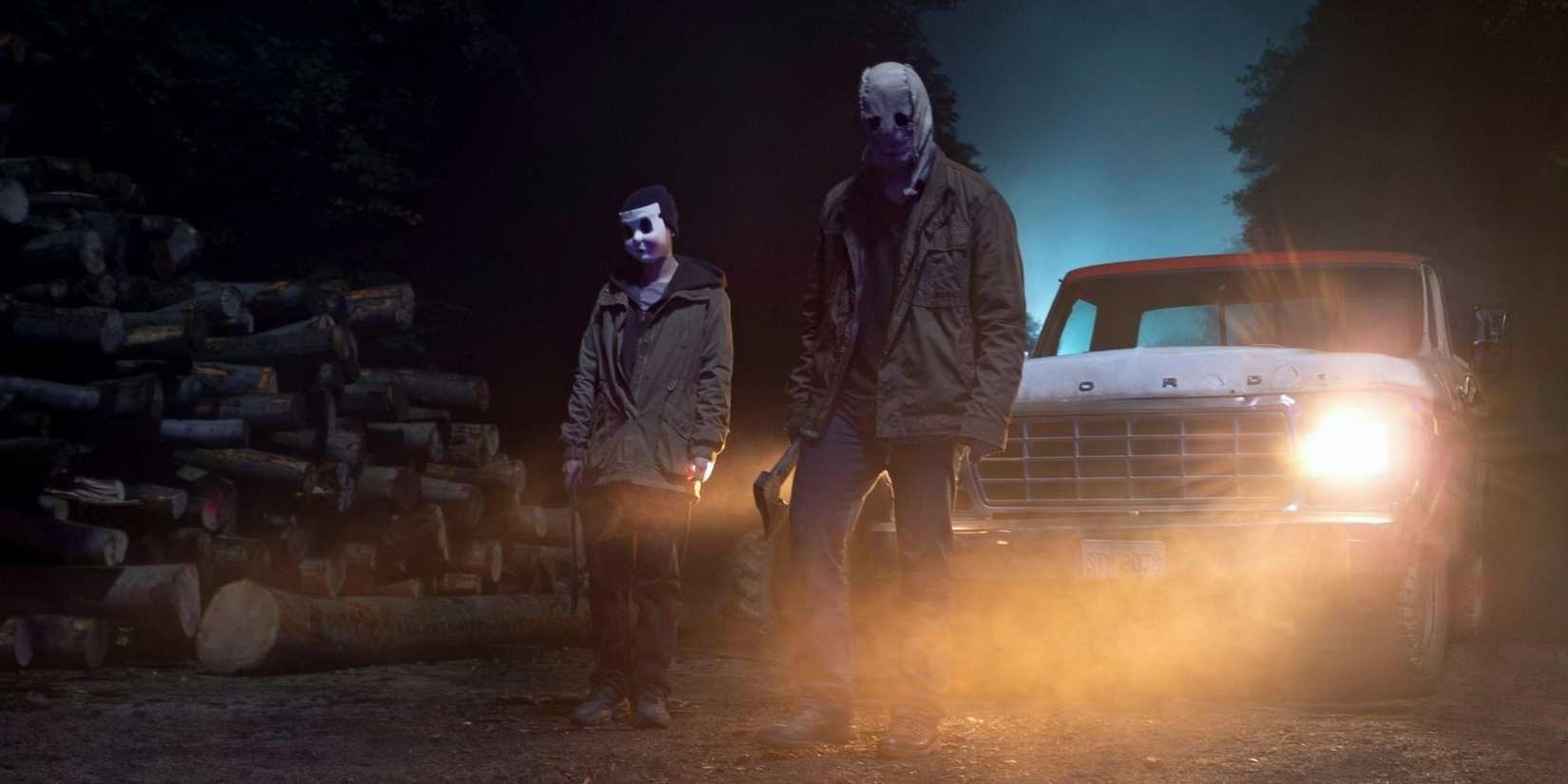
I really enjoyed both the original The Strangers and the recent trilogy remake, but it’s clear that the second film in the new series drifts away from the core idea of the first. The new plot points added in Chapter 2 actually weaken the original concept, which was about senseless, random acts of violence.
The original horror film created fear by keeping the killers’ identities and motives a mystery. The Strangers: Chapter 1 successfully captures this same feeling. The movie deliberately avoids revealing who the masked attackers are or explaining their reasons for targeting the couple.
The latest Strangers movie made a strange decision by revealing the killers’ identities and even giving them backstories. This really misses the point of the original film, which was about senseless violence. We didn’t need to understand why they were doing it; knowing their motivations takes away the fear and randomness. I also didn’t want to know the identity of the character “Tamara” – the mystery was part of what made the story unsettling.
2. Troy (2004)
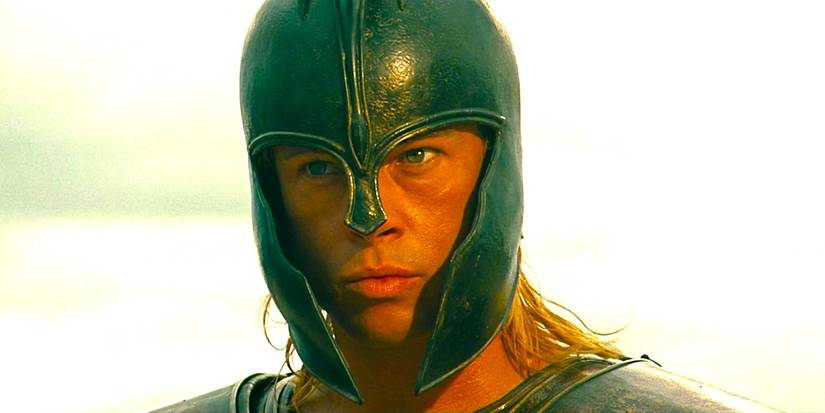
The 2004 movie Troy is a really enjoyable film on its own. It’s full of exciting battles, love stories, emotional moments, and shocking betrayals. But it leaves out the gods and goddesses who play a crucial role in the original story. In the epic poem, the Trojan War isn’t just a conflict between humans—it’s driven by the gods, who are constantly interfering and controlling what happens.
The gods and goddesses in Greek mythology aren’t perfect beings – they’re often flawed, insecure, and surprisingly relatable, despite their immense power. In fact, they directly caused the Trojan War, and then chose sides, further fueling the conflict.
During the war, Greek gods like Hera, Athena, and Poseidon aided the Greeks, while Aphrodite and Apollo supported the Trojans. These gods constantly meddled in the fighting, manipulating the feelings and choices of the human warriors. It’s almost like a family feud where the soldiers are just being used. While the movie is enjoyable, it feels more like a typical war film than a faithful retelling of the story of the Iliad.
1. Hitchhiker’s Guide To The Galaxy (2005)

Douglas Adams’s The Hitchhiker’s Guide to the Galaxy began as a radio show before becoming a hugely popular book series. It was then made into a short-lived TV show by the BBC, and later a movie that, while not a critical success, wasn’t entirely bad either.
Look, I get why a lot of people dislike the movie – it’s totally fair. For me, it’s still fun to watch, but as a fan of the books, I think it misses the mark as an adaptation. The biggest thing, I think, is the humor. Douglas Adams’ writing is so distinctly British and witty, and almost all of that is gone in the 2005 film. The books also have this clever little undercurrent of social commentary about British society, and that just doesn’t translate to the screen at all.
It feels like this adaptation missed the mark because it didn’t truly grasp the British culture that made the original story so unique and beloved. It just doesn’t have the same magic. Hopefully, we’ll see a better adaptation of The Hitchhiker’s Guide to the Galaxy in the future. For now, goodbye, and thanks for everything.
2026-03-26 06:50