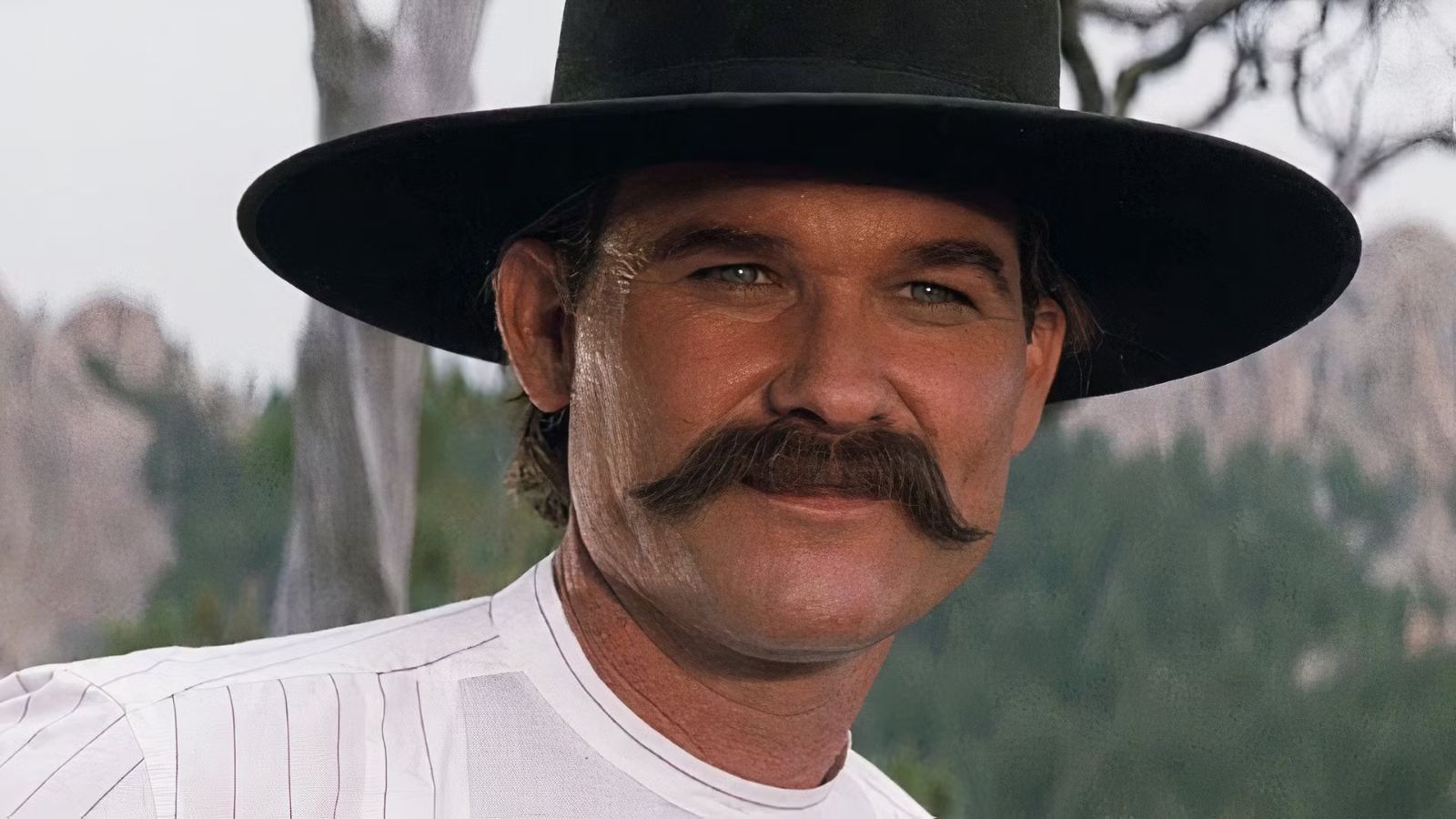
I honestly think George P. Cosmatos’ film is a masterpiece. From beginning to end, it’s just completely captivating – a real epic Western lasting over two hours. What I love is how it balances intense gunfights with really moving personal stories and even a sweet romance. It’s not totally original, of course, but it doesn’t need to be. While nothing else quite feels like Tombstone, it definitely draws inspiration from other films, and that’s part of what makes it so great!
All creative works have roots, and everything evolves over time. Even groundbreaking ideas, like the film Tombstone, are built upon what came before. The Western genre is constantly changing, reflecting both old and new values. While no two movies are exactly alike, they often share familiar themes and ideas, and frequently reuse famous lines from past films, ensuring those earlier works continue to be remembered and celebrated.
Wyatt Earp’s Borrowed Quote in Tombstone
The film clearly draws inspiration from classic Westerns, filled with respectful references to the genre’s most famous movies and moments. Like all great films, Tombstone is a loving tribute to what came before, even starting with footage from an early Western. Many memorable lines in the movie also serve as subtle nods to the history of the genre.
Following a gentle reprimand about his wealth, Wyatt Earp, played by Kurt Russell, cheekily responds, “I already have a guilty conscience, so I might as well enjoy the money.” This line, like many others, clearly establishes Earp as a tough and unapologetic character. Interestingly, the saying isn’t original to the film, but it’s used perfectly. Its origins actually go back 37 years prior, to another source.
Richard Brooks’ The Last Hunt Inspired The Infamous Line in Tombstone
Actually, the clever line attributed to Earp originally comes from the 1956 Western film, The Last Hunt. While many modern viewers might not know it, the movie—which is just over an hour and forty minutes long—tells the story of the final great bison hunt and has a rather somber conclusion, making it a fitting tribute. Like Tombstone, The Last Hunt was Richard Brooks’ sincere effort to realistically portray life in the Old West.
The film offers a raw look at the attitudes that shaped the American frontier. While the majestic bison seem doomed, nature ultimately prevails. The sheer force of nature mirrors the harshness of America’s drive for expansion. Directors Cosmatos and Russell clearly admired the film The Last Hunt, and this reference is more than just a respectful nod. Viewers who know The Last Hunt will recognize the ending and understand the pointlessness of trying to dominate the natural world.
The same drive for profit seen in other stories also fuels Tombstone, but here it’s mixed with a desire for revenge. Wyatt Earp’s comment suggests that this pursuit won’t ultimately succeed. Tombstone goes beyond typical Westerns, offering more depth. A lot of this comes from Val Kilmer’s performance as Doc Holliday, who adds a refined and intellectual quality to the familiar Western character. Kilmer even has Holliday play a Chopin piece, hinting at the tragic impact of his illness.
The actors’ experience with Westerns really shines through in Tombstone. The film is packed with nods to classic Westerns that inspired it, and this respectful homage is one of its strengths. Combined with fantastic performances, beautiful scenery, and detailed costumes, Tombstone has become a classic. Now, instead of Tombstone borrowing from older films, modern Westerns are taking inspiration from it.
Found an error? Send it so it can be corrected.
2026-03-18 01:08