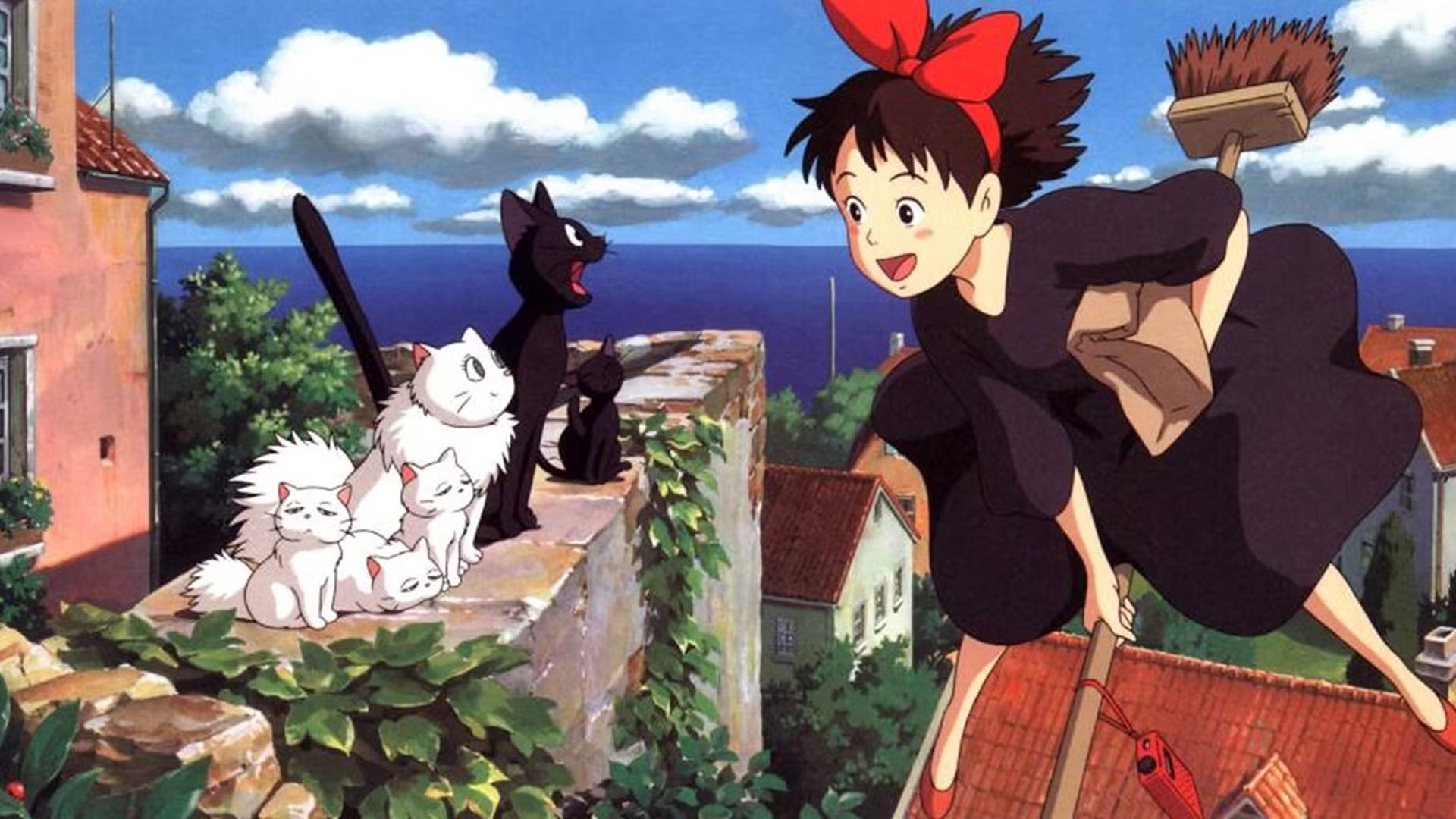
While not as grand as Hayao Miyazaki’s Princess Mononoke or Spirited Away, Kiki’s Delivery Service is a gentle and charming film. It’s much more lighthearted and focuses on smaller moments than those other films, which are filled with magic, fantastical beings, and dramatic storylines.
What makes the 1989 Studio Ghibli film Kiki’s Delivery Service so endearing is its honest portrayal of the challenges of everyday life, seen through the eyes of a young girl learning to become independent. Beyond its beautiful animation – which became a hallmark of the “Ghibli style” – the film’s story of Kiki’s personal growth and her ability to adapt to a new place continues to resonate with audiences even today.
Kiki’s Delivery Service Is A Simple Slice-of-Life Film In Magical Packaging

Okay, so Kiki’s Delivery Service is a really sweet movie about a young witch, Kiki, who’s turning thirteen and striking out on her own. It’s all about her trying to find her place in the world. She leaves home, which is a little countryside town where she lives with her parents – her dad, Okino, her mom, Kokiri, who’s also a witch – and her super sassy black cat, Jiji, who’s basically her talking companion. Minami Takayama voices Kiki in the original Japanese version, and Kirsten Dunst does a great job in the English dub, by the way.
In Kiki’s rural hometown, magic is a normal and accepted part of life. People rely on Kokiri’s herbal medicines, and they happily watch Kiki’s daughter practice her broomstick flying. Kiki’s story starts with a tradition where 13-year-old witches leave home for a year to gain experience and independence in a town where there are no other witches. Following this custom, Kiki sets off one night on her broomstick, accompanied by her cat, Jiji.
The movie could have gone in a completely different direction if the townspeople had been as welcoming as the city looked. Unfortunately, not everyone is accepting of magic, and Kiki finds it difficult to fit in. People are wary of her, and she even almost gets in trouble with the police. Luckily, a kind baker named Osono, who is expecting a baby, offers her a room above her bakery, Gütiokipänjä. Despite being a witch, Kiki is still prone to mistakes, just like her father. But she can fly, and she uses this ability to earn a living by delivering packages and Osono’s baked goods all over town on her broomstick.
Miyazaki Preaches Independence, Self-Confidence, & Adaptability In Kiki’s Delivery Service

Unlike stories like The Chronicles of Narnia, Alice in Wonderland, or even Miyazaki’s Spirited Away, Kiki’s Delivery Service flips the script. Those tales feature ordinary children stepping into magical worlds, but Kiki is a magical person trying to find her place in an ordinary town. The film explores the feelings of loneliness, insecurity, and being an outsider that come with that experience.
Unlike many stories, Miyazaki’s films don’t focus on defeating villains or overcoming big social problems. Instead, he encourages young people to accept that feeling both excited and scared when facing change is normal. Ultimately, believing in yourself and not giving up are what matter most. In Kiki’s Delivery Service, Kiki deals with the challenges of living on her own, the awkwardness of making mistakes, and the worry that she might not be as skilled as she thought.
It’s likely that many of the deeper ideas in this Miyazaki film will be lost on younger viewers. A 13-year-old, whether watching now or in the past, might not fully understand themes like depression, or the self-doubt Kiki feels when she compares herself to other girls. It’s also hard for that age group to grasp the feeling of being overwhelmed and exhausted from trying to meet everyone’s expectations.
Younger audiences will likely appreciate the film’s heartwarming focus on friendship and meaningful connections. Kiki encounters several memorable characters when she moves to the city, including Tombo, an enthusiastic but clumsy boy fascinated by flying, and Ursula, a reclusive painter who lives in the forest. A conversation with Ursula about losing her creative inspiration and even her connection with her cat, Jiji, highlights the value of taking time for oneself during difficult times.
The details of the seaside city in Kiki’s Delivery Service subtly reveal Miyazaki’s perspective on life. The city itself is beautifully created by Studio Ghibli, with buildings and streets that feel distinctly European, especially like Stockholm. While it’s hard to say exactly when the film takes place, careful viewers will notice clues suggesting a time between the early 1930s and late 1950s. The world is a blend of different eras – you’ll see airships from the 30s, cars from the 40s, and technology from the 50s. Importantly, the setting depicts a peaceful Japan, as if the country has been spared the hardships of war.
I’ve been thinking about why this film feels so wonderfully open to different readings, and honestly, it’s a mystery whether that was Miyazaki’s plan all along. But it works. It really does. Just like Kiki, soaring above the world, the story doesn’t tie itself down to a specific time. It creates this feeling of classic, timeless adventure that just feels magical and youthful.
2026-03-13 23:41