The horror genre was revolutionized by the release of The Blair Witch Project, though it wasn’t actually the first ‘found footage’ film, nor is it considered the best. Found footage movies present the story as if it’s been discovered through recordings – like videos taken on a camera or phone, or even footage from security cameras or news reports – making the audience feel like they’re watching actual events unfold.
These films generally focus on a tragic event and present it through the eyes of those who suffered – often showing what happened to people who died or went missing. Because they’re often made with small budgets, many use a “found footage” style. This technique keeps costs down by avoiding complex filming setups, helping maintain the illusion that the events are real, which is a key part of their appeal.
Early found footage films often tricked viewers into believing they were watching real events, presented as authentic recordings. This approach helped The Blair Witch Project become incredibly popular. However, newer films in this style rarely bother with that pretense, and often feature fantastical elements like monsters, aliens, or supernatural happenings.
Trollhunter (2010)

Trollhunter stands out as a truly original found footage horror film. Notably, it’s a Norwegian dark fantasy movie that works just as well as its more well-known American counterparts. The film is directed by André Øvredal, who also directed The Autopsy of Jane Doe, and he skillfully blends the found footage style with the concept of massive, monstrous trolls – creating a uniquely thrilling experience.
The film Trollhunter centers around three film students – Thomas, Johanna, and Kalle – from Volda University College. They begin making a documentary about a man named Hans (Otto Jespersen) who they believe is illegally hunting bears. However, they soon realize Hans is actually tracking giant trolls that are venturing out of their secluded home. Trollhunter demonstrates that the ‘found footage’ style can work effectively in filmmaking outside of America, paving the way for other movies like Willow Creek.
Host (2020)

Released in 2020, Host is a short found footage horror film directed by Rob Savage. It cleverly uses the feeling of isolation during the pandemic as its central theme. The movie—which runs less than an hour—follows six friends who connect weekly via Zoom during lockdown. They decide to hold a virtual seance led by a medium named Seylan.
Like many horror films, things take a dark turn when a sinister presence invades a group’s Zoom call, turning their online gathering into a terrifying experience. What makes this movie unique is that it’s presented as an actual recorded Zoom session – not a traditionally filmed one. The actors filmed themselves remotely using their own equipment, and even the director guided everything through Zoom! It was a key film in popularizing the ‘screenlife’ style of filmmaking, breathing new life into the found footage genre for modern audiences.
Lake Mungo (2008)
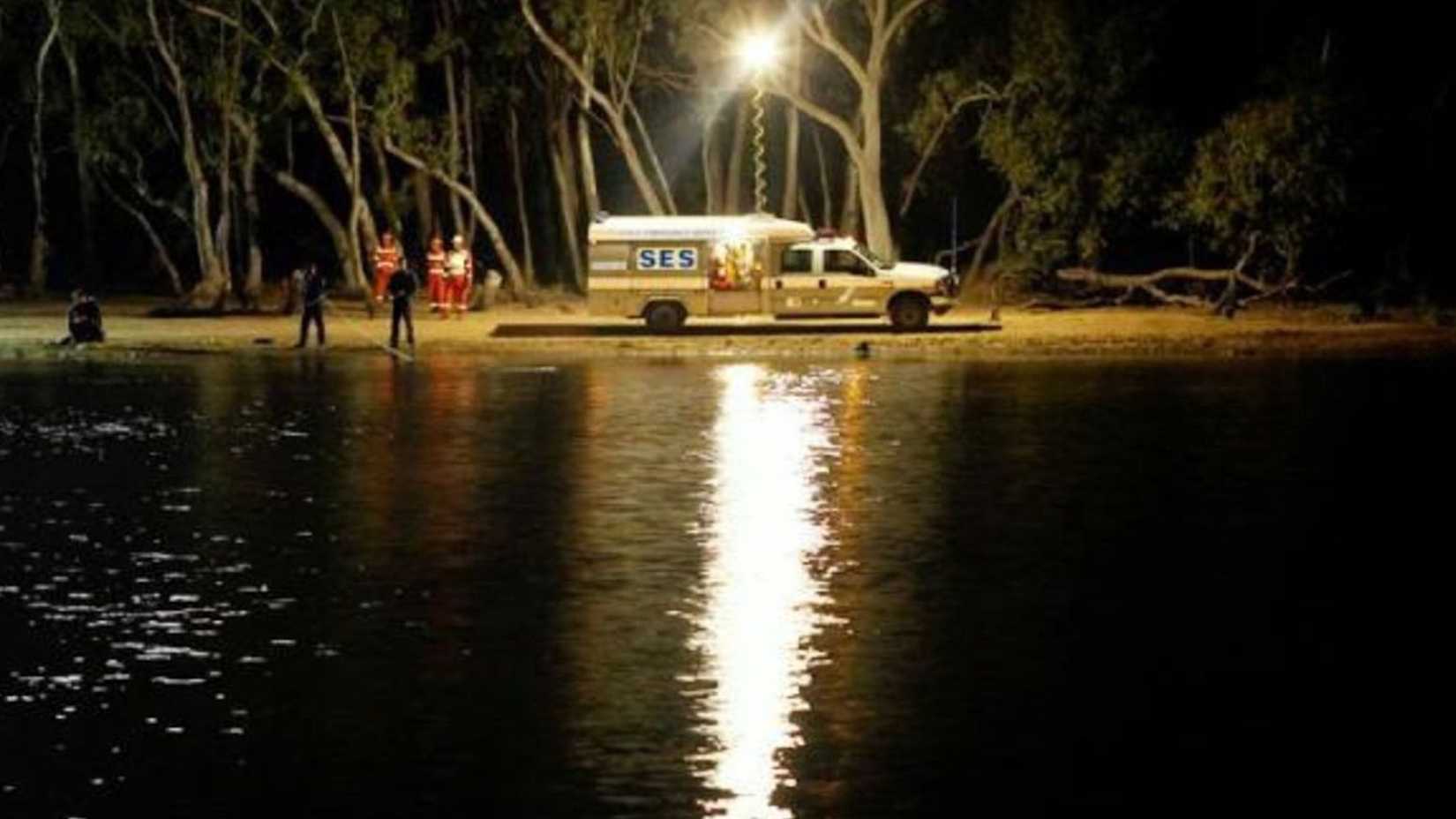
Lake Mungo is an Australian horror film by writer and director Joel Anderson. The story centers on a family trying to understand the death of their daughter, Alice Palmer, who drowned near a dam in the town of Ararat. They begin to suspect she’s haunting them after spotting what appears to be her ghost in old home videos, leading her brother, Matthew, to set up cameras around their house to investigate.
Unlike most found footage films, Lake Mungo feels more like a documentary. Instead of presenting a single recovered video, it’s constructed from interviews, home videos, news clips, and phone footage – all edited together as if by a real documentary team. This proves that found footage doesn’t need to rely on jump scares and can be effectively presented with a quieter, more realistic style.
Creep (2014)
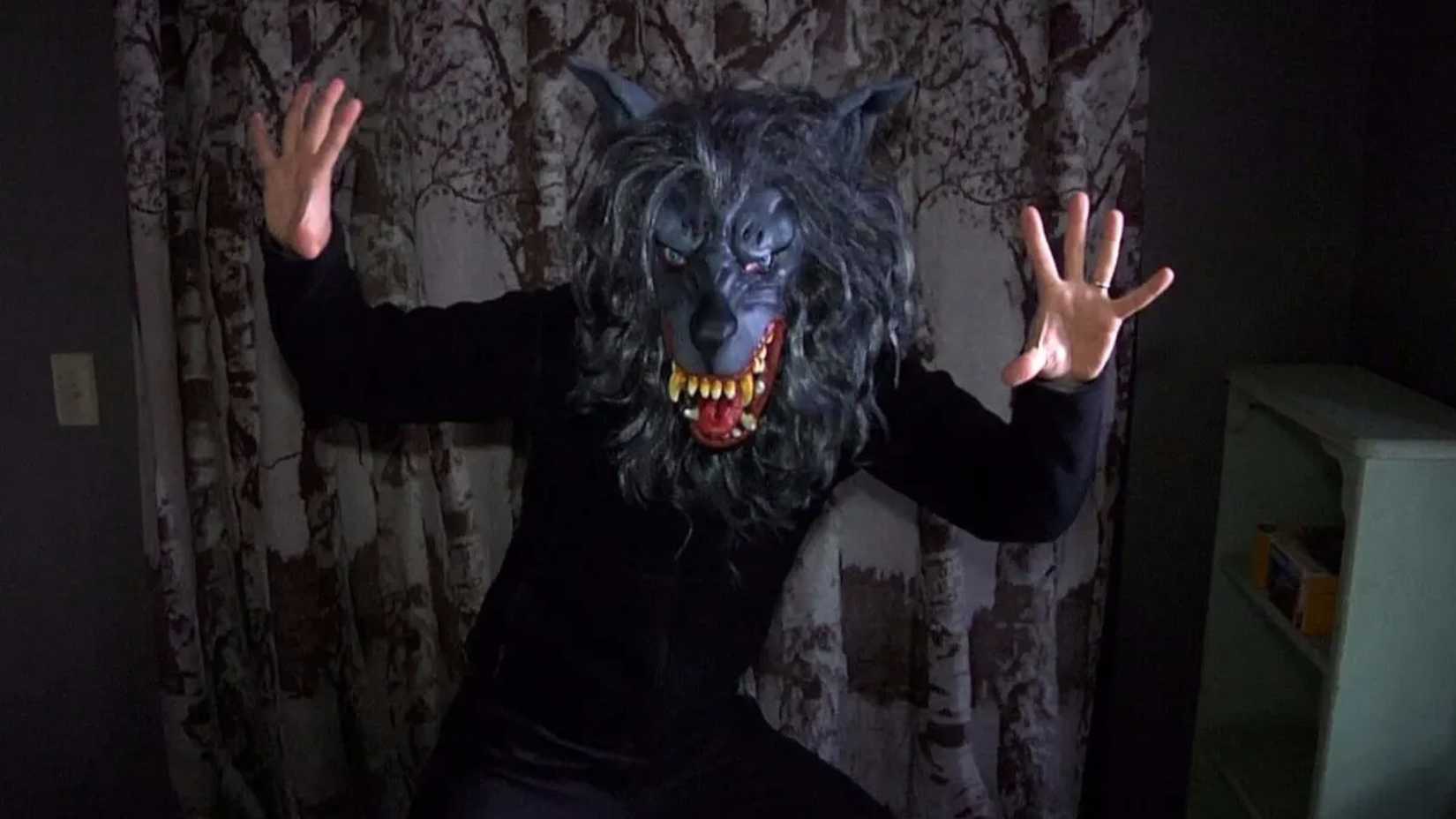
Creep is a frightening found footage horror movie that marks director Patrick Brice’s first feature film. The story, co-written with Mark Duplass (who also stars), centers around Aaron, a videographer who finds a strange job on Craigslist. He’s offered $1,000 per day to film Josef, a man claiming to have a terminal tumor and wanting to leave a video record for his future child. It’s considered one of the most unsettling films in the found footage genre.
The movie is presented as if it’s recordings from a videographer’s workday. Aaron simply films what he’s paid to do, which allows the story to continue even when it feels like the character should escape – a common issue with found footage horror films. Creep simplifies the genre, focusing on just two people, one camera, and their connection.
REC (2007)
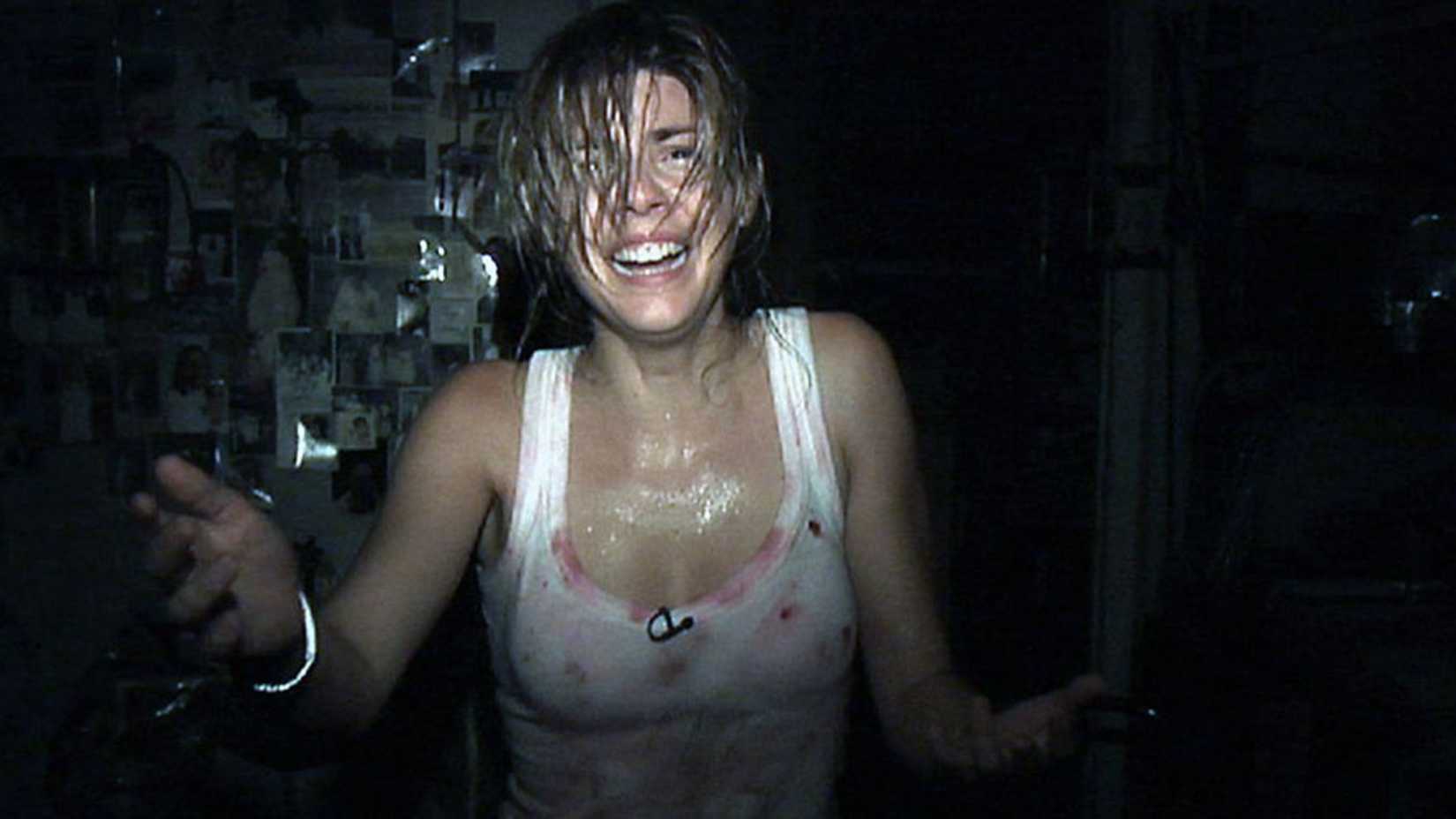
I absolutely love the movie REC! It’s this incredibly intense Spanish horror film, done in that ‘found footage’ style – you know, like it’s all real camera recordings. The directors, Jaume Balagueró and Paco Plaza, really nail the scary atmosphere. It centers around Angela Vidal, a TV reporter played by Manuela Velasco, and her cameraman who are just following firefighters around Barcelona for a story. What starts as a normal night quickly spirals out of control when they get called to an apartment building where something terrifying is spreading like wildfire.
This horror movie stands out due to its unique format: it’s presented as raw, unedited footage shot by a TV news crew. The cameraman, Angela’s colleague, continues filming not just because that’s his job, but also because the building is locked down under government quarantine – making the camera the sole record of what happens inside. The night vision sequences captured became incredibly influential, and the combination of a forced quarantine and bodycam-style footage heavily impacted how found footage films were made afterward.
Cannibal Holocaust (1980)

Released in 1980, Cannibal Holocaust helped pioneer the found footage horror style. The Italian film, directed by Ruggero Deodato and starring Robert Kerman, follows anthropologist Harold Monroe as he ventures into the Amazon rainforest. He’s searching for a lost American documentary team who disappeared while filming a story about cannibalistic tribes – and eventually discovers their recovered film canisters.
This movie is one of the first examples of “found footage” horror, though it only uses about half its runtime showing the actual recovered documentary. The film presents itself as raw 16mm reels shown to people after a disaster, in an attempt to understand what happened to the filmmaking crew who shot them. Cannibal Holocaust essentially created the found footage formula—including the idea of discovering a reel of film, having it filmed by a crew within the story, and showing people watching it as part of the narrative.
Cloverfield (2008)

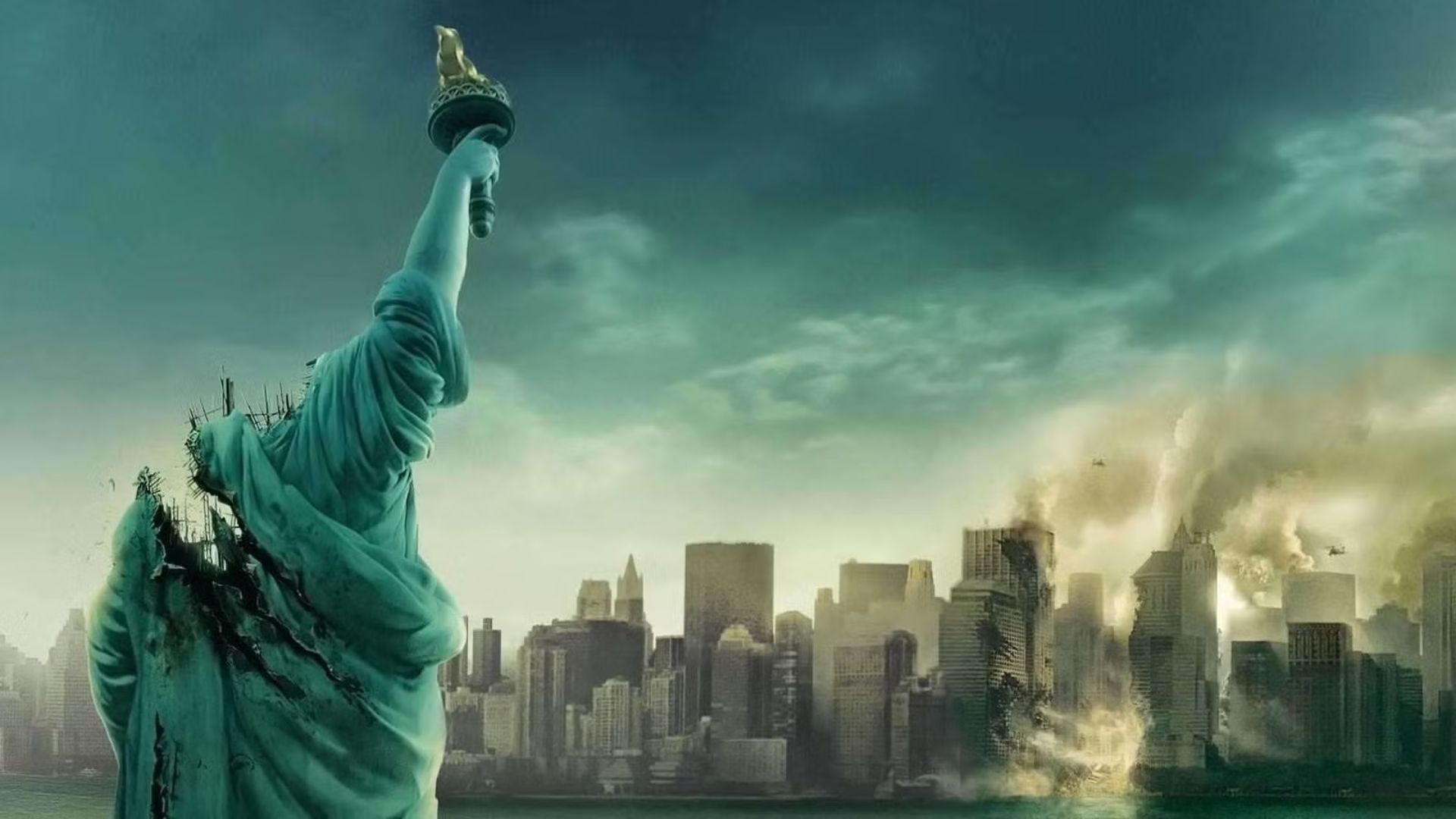
Building on the success of films like The Blair Witch Project and Paranormal Activity, Cloverfield brought the found footage style to big-budget filmmaking. Unlike the typically low-budget nature of these movies, Cloverfield demonstrated the potential of the format with a large-scale disaster story – a giant creature attacking New York City.
The film’s use of found footage felt like a stretch – it’s hard to believe anyone would continue recording while a massive monster attacked New York City. Despite this, the approach was surprisingly effective and made the movie a hit. Director Reeves demonstrated that a giant monster story could be told convincingly through a single person’s perspective and a handheld camera, all for much less money than a blockbuster like Godzilla.
V/H/S (2012)
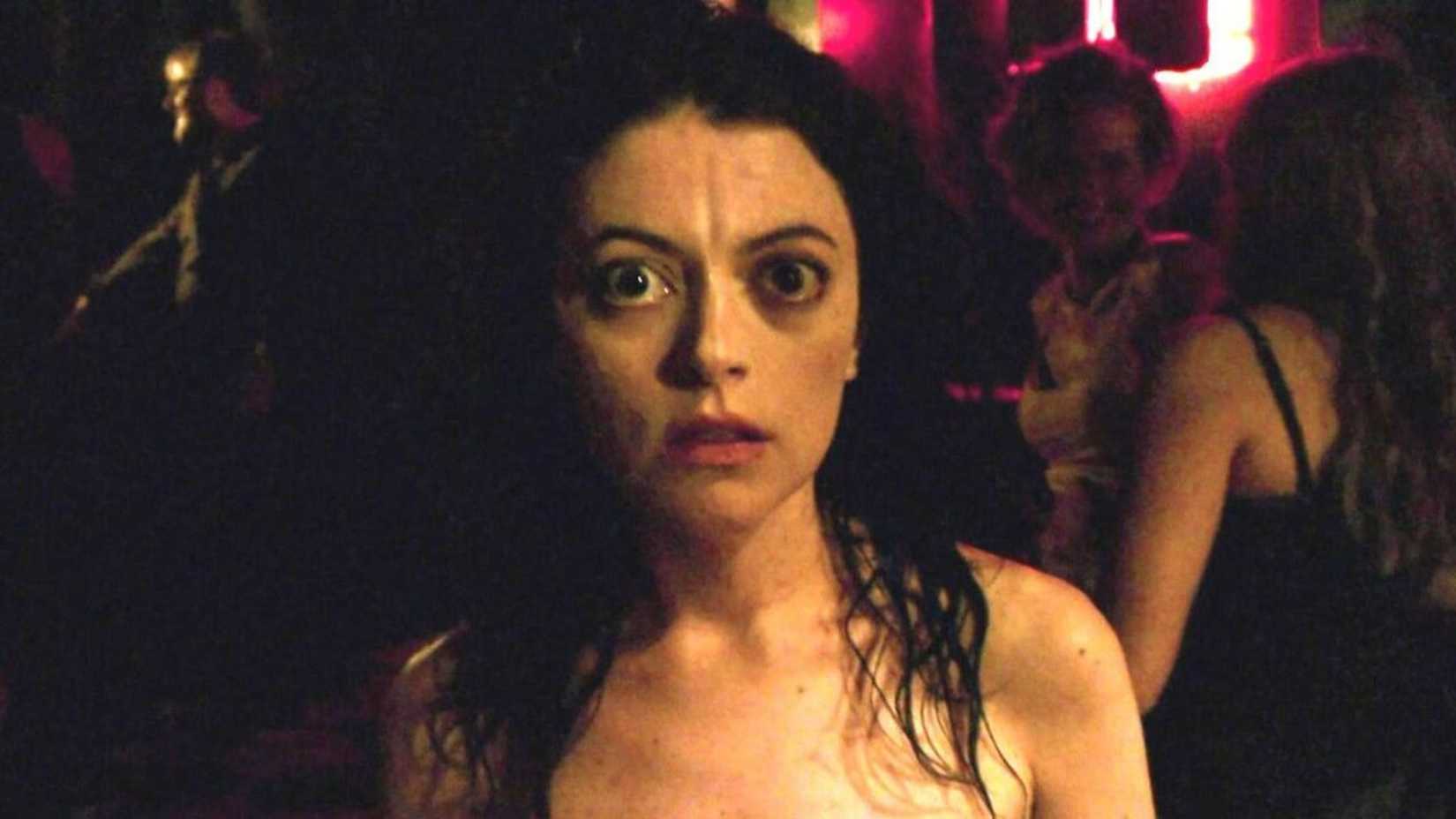
V/H/S is a remarkably creative and original found footage horror film. Unlike typical movies, it’s an anthology – a collection of short films created by various horror directors. Each segment utilizes the found footage style to explore different ways to scare viewers. What’s clever is how it’s framed: the film presents these shorts as a series of discovered VHS tapes, with each tape containing a separate, terrifying story.
Adam Wingard oversaw the overall story for V/H/S, but each individual segment was directed by a different filmmaker: David Bruckner (“Amateur Night”), Ti West (“Second Honeymoon”), Glenn McQuaid (“Tuesday the 17th”), Joe Swanberg (“The Sick Thing That Happened to Emily When She Was Younger”), and Radio Silence (“10/31/98”). The film helped popularize the found footage style and allowed directors to experiment with short, unique horror stories.
Paranormal Activity (2007)
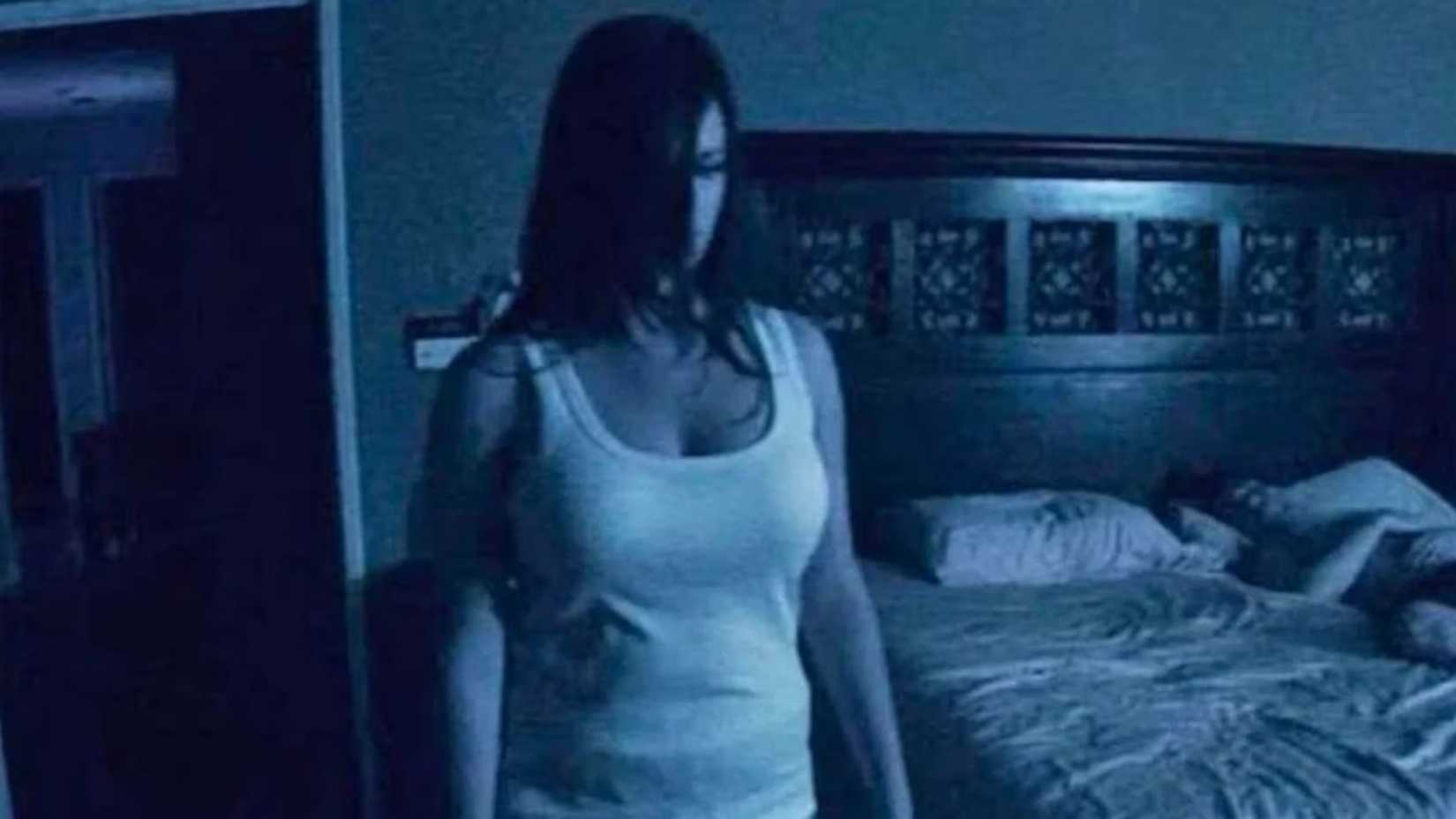
Paranormal Activity is a scary movie about the supernatural, and it was Oren Peli’s first time directing a full-length film. Remarkably, he made it for just $15,000, filming in his own house in San Diego! The story follows Katie and Micah, a young couple who think their home is haunted. After consulting with a psychic named Dr. Fredrichs, they learn that what’s following Katie isn’t a ghost – it’s a demon that grows stronger from negative feelings.
In this film, Micah sets up a video camera in the bedroom to try and prove that it’s haunted. The movie switches between footage Micah shoots during the day and stationary shots from the camera at night, using timestamps to mark when events happen. Paranormal Activity essentially created the blueprint for many found-footage horror films – relying on a fixed camera location, a low budget, and the feeling of realism.
The Blair Witch Project (1999)
The 1999 film The Blair Witch Project is widely considered the movie that launched the found footage horror trend. It became incredibly popular for two main reasons. First, the found footage style was completely new and different from what audiences were used to seeing in theaters. Second, the filmmakers cleverly promoted the movie as if it were a true story, suggesting the footage was actually recovered from real missing persons tapes.
The movie is presented as recovered footage from the filmmakers’ cameras – black and white 16mm film used for the documentary itself, and color Hi8 tapes capturing behind-the-scenes moments. It’s introduced with a title card suggesting these are the raw tapes of missing students, discovered a year later. The actors weren’t given a complete script and were instead placed in unsettling situations designed to elicit genuine fear. The Blair Witch Project is widely considered the film that popularized the found footage horror style.
2026-07-26 03:21