I’ve noticed that some TV shows truly stand the test of time – they’re just as good now as when they first came out, even years later. Just because an older show has simpler animation or a slower pace doesn’t mean it’s bad; a really compelling story can overcome those things. But there are also classics that are tough to revisit. Their issues aren’t just about looking dated; the problems run much deeper than old visuals or how stories were told back then.
While these older anime might be historically significant and still talked about today, that doesn’t mean they’re actually good to watch. They’ve gained a devoted following because of how much times have changed – they haven’t held up well. You might find some funny moments here and there, particularly when watching with others, but truly finishing them demands a level of patience most viewers today simply don’t have.
Angel Cop Buries Its Best Ideas Beneath Incoherent Excess
Set in a Japan facing a surge in political terrorism, Angel Cop depicts a government crackdown using a powerful new security force. This unit is authorized to eliminate potential threats with little regard for legal procedure. While the initial concept is promising, the six-episode animated series introduces too many groups, abilities, and plot twists too quickly to be fully understood. The action is violent, but lacks genuine tension.
The anime Angel Cop is filled with extreme violence – characters are shot, burned, and torn apart – often seeming to exist purely for shock value instead of serving the story. It also originally contained antisemitic ideas, though some international versions removed this content. However, simply removing these offensive elements doesn’t fix the anime’s messy story and confusing political themes. While Angel Cop remains a strange artifact of its time as an ultra-violent OVA, it’s far too disjointed, disturbing, and flawed to recommend except for those interested in its historical significance.
Mad Bull 34 Has Aged Into a Parade of Offensive Stereotypes
Mad Bull 34 centers around Daizaburo “Eddie” Ban, a dedicated Japanese-American police officer committed to justice, and his partner, John “Sleepy” Estes, a large detective nicknamed Mad Bull. The show blends action, crime, comedy, and over-the-top American stereotypes, taking every aspect to an extreme. Expect over-the-top violence, with criminals readily opening fire and police causing massive destruction, while Sleepy solves cases in ways even the criminals would find excessive.
The show’s over-the-top nature could have been seen as clever commentary if it clearly understood what it was criticizing. However, it consistently portrays violence, prejudice, sexual harassment, and police abuse as simply entertaining. The English dub actually boosts the show’s devoted following with overdone accents and constant swearing. While short clips might be amusing due to the unnatural delivery, watching the entire series is a much different—and more problematic—experience.
DearS Builds Its Romance Around Servitude
The anime DearS begins with aliens called DearS crash-landing on Earth and being readily welcomed by humans. Takeya Ikuhara is wary of them at first, but he takes in a lone DearS named Ren, allowing her to live with him. Ren immediately views Takeya as her owner. While the show tries to be a lighthearted romantic comedy, it doesn’t fully address the unsettling nature of this dynamic – the DearS are biologically predisposed to serve, and the story frames this as simply a quirky cultural trait.
The show frequently connects Ren’s dependence with sexual themes, while treating Takeya’s unease as simply comical. However, DearS is particularly troubling because its core premise relies on a woman being forced to obey a man due to her biology. Though the series briefly suggests Ren might gain independence, it focuses much more on nudity and awkward situations than actually letting her become self-reliant.
Green Green Is an Entire Season of Sexual Harassment Disguised as Comedy
Kanenone Gakuen is a boys’ school facing a potential merger with a girls’ academy. When the girls come for a trial visit, the boys see it as a chance to pursue, watch, and bother them. The show Green Green seems to want viewers to find humor in the boys’ clumsy attempts and punishments, but their actions are often too forceful and inappropriate to be funny. One character, Bacchi-Gū, is particularly problematic, as his entire personality centers around harassing the visiting girls.
The show’s main character acts more and more outrageously, but the series still portrays him as a goofy friend instead of someone his friends would realistically distance themselves from. The humor is so constant that any genuine emotional moments feel out of place. After episodes filled with uncomfortable or shocking jokes, attempts at heartfelt scenes just don’t land. Ultimately, the characters in Green Green are unlikeable, the romantic relationships aren’t developed enough, and the comedy relies too much on inappropriate behavior being played for laughs.
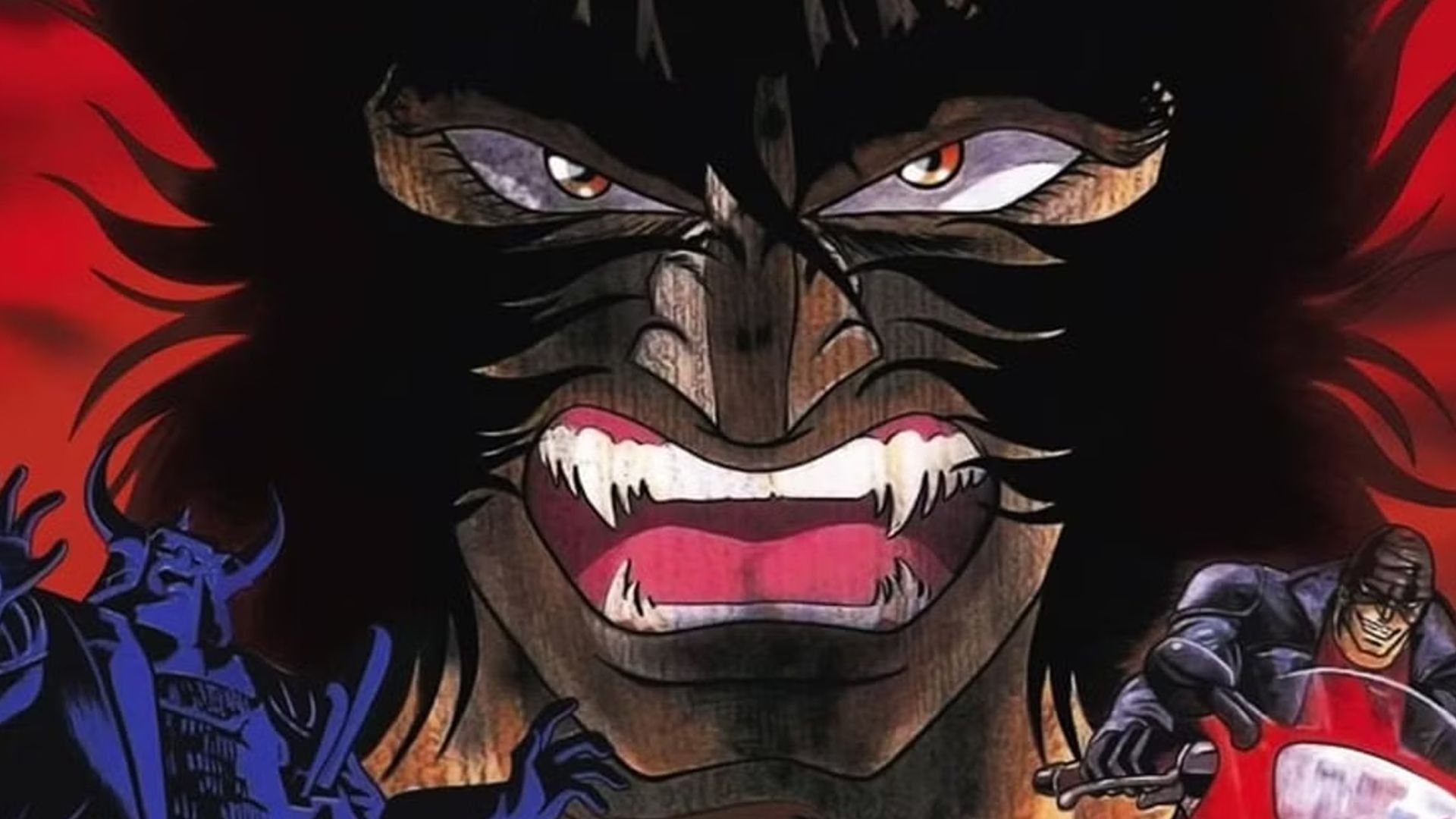
Violence Jack Is Almost Impossible to Endure
Violence Jack was a groundbreaking work that helped shape the post-apocalyptic genre in manga and anime. It featured now-familiar elements like desolate wastelands, ruthless leaders, and a society falling apart. However, despite its influence, the three-part animated series is very difficult to watch. Violence Jack contains incredibly graphic and disturbing content, including torture, mutilation, sexual violence, slavery, and widespread killing, all depicted in explicit detail.
Violence Jack dwells on suffering to a degree that feels gratuitous and exploitative, particularly when it involves female characters. The constant bleakness eventually becomes repetitive. With almost everyone portrayed as either a helpless victim or a cruel villain, it’s hard to become truly invested in the story beyond simply waiting for Jack to deliver his brand of justice. While Violence Jack might still be worth discussing as a piece of apocalyptic anime history, it’s better understood through critical analysis than by actually watching it.
2026-07-21 23:39