
The most groundbreaking science fiction movies have always been about pushing creative limits, and these ten represent the most daring attempts ever made. With 2025 being a particularly strong year for sci-fi – featuring films like Avatar: Fire and Ash and Predator: Badlands – there’s been a lot of discussion about the genre’s history and how these new movies fit into it.
I’ve always loved how science fiction, whether it’s in huge series like Tron and Predator, or amazing films like Arrival, really makes you think. It doesn’t just show us what could be, but often holds a mirror up to the world we live in right now. That’s why we get such a variety of stories – from epic space adventures to superhero tales and even those unsettling looks at possible futures – and each one feels so original.
Science fiction has a strong history on television. Shows like Star Trek and Severance demonstrate how the genre can explore complex social issues and ideas. Because these shows unfold over many seasons and episodes, they’ve often delivered some of the most compelling stories ever made for TV.
Few things compare to the experience of a truly ambitious science fiction movie. These films demand more than just a compelling story; they also require pushing the boundaries of what’s technologically possible. The most memorable and impactful science fiction movies are those that challenge our expectations of the genre, and these films all do just that.
Jurassic Park (1993)
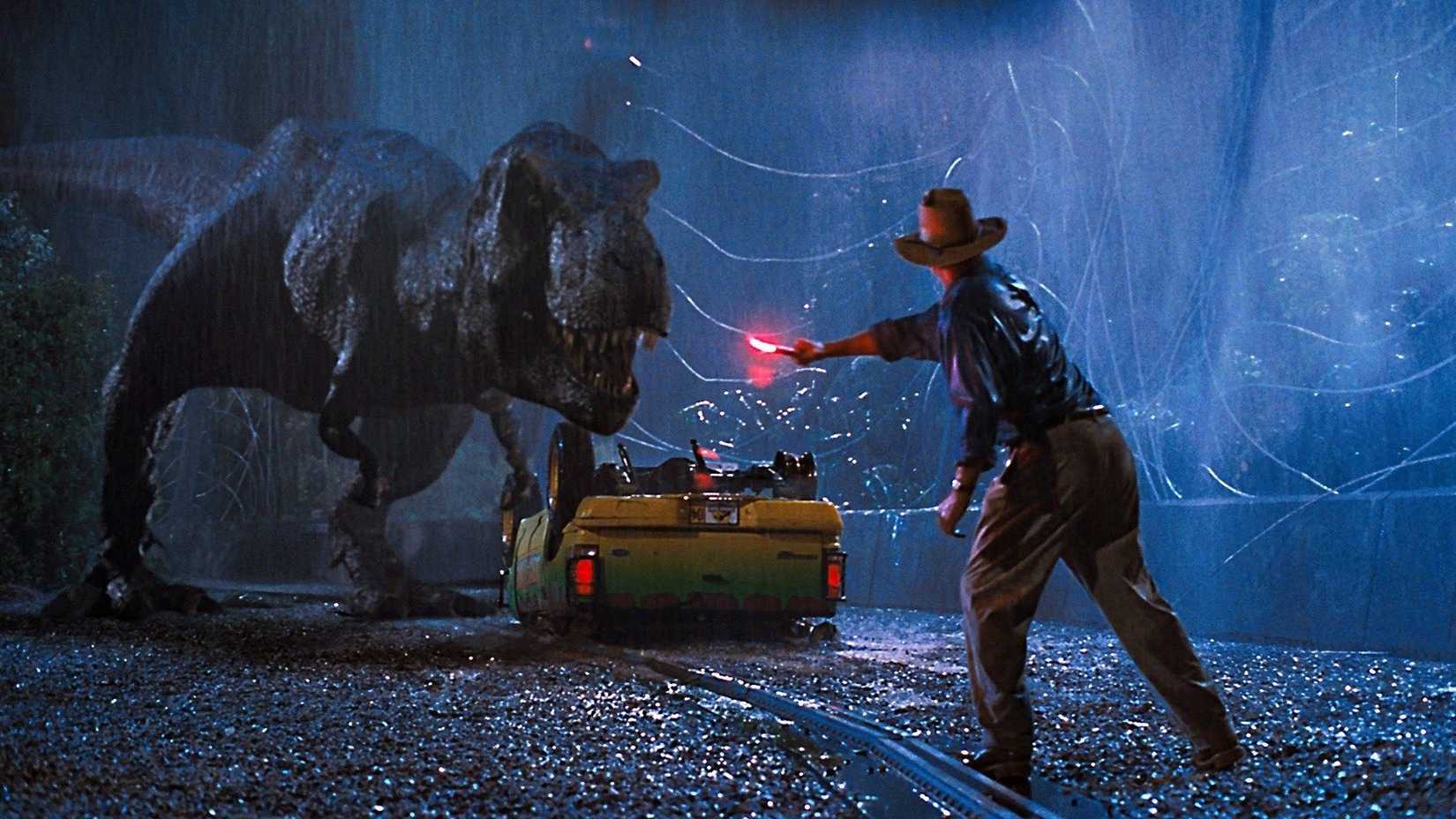
Steven Spielberg was already famous for huge hits like Jaws, Raiders of the Lost Ark, and E.T., but he really pushed the boundaries with this new film, striving to create the most realistic dinosaurs ever seen on screen.
As a movie fan, I have to say Jurassic Park really blew me away when it came out, and honestly, it still does. It wasn’t just the great story and characters, though – what really made it special was how incredibly well the effects were done. They used a mix of practical animatronics and early CGI, and it’s amazing how much of it still looks good today. In fact, some scenes actually hold up better than the effects in the newer Jurassic World films, which is pretty impressive!
Jurassic Park was an incredible success, surpassing even the high expectations surrounding its release. It went on to become the foundation for a massive and enduring science fiction franchise.
2001: A Space Odyssey (1968)
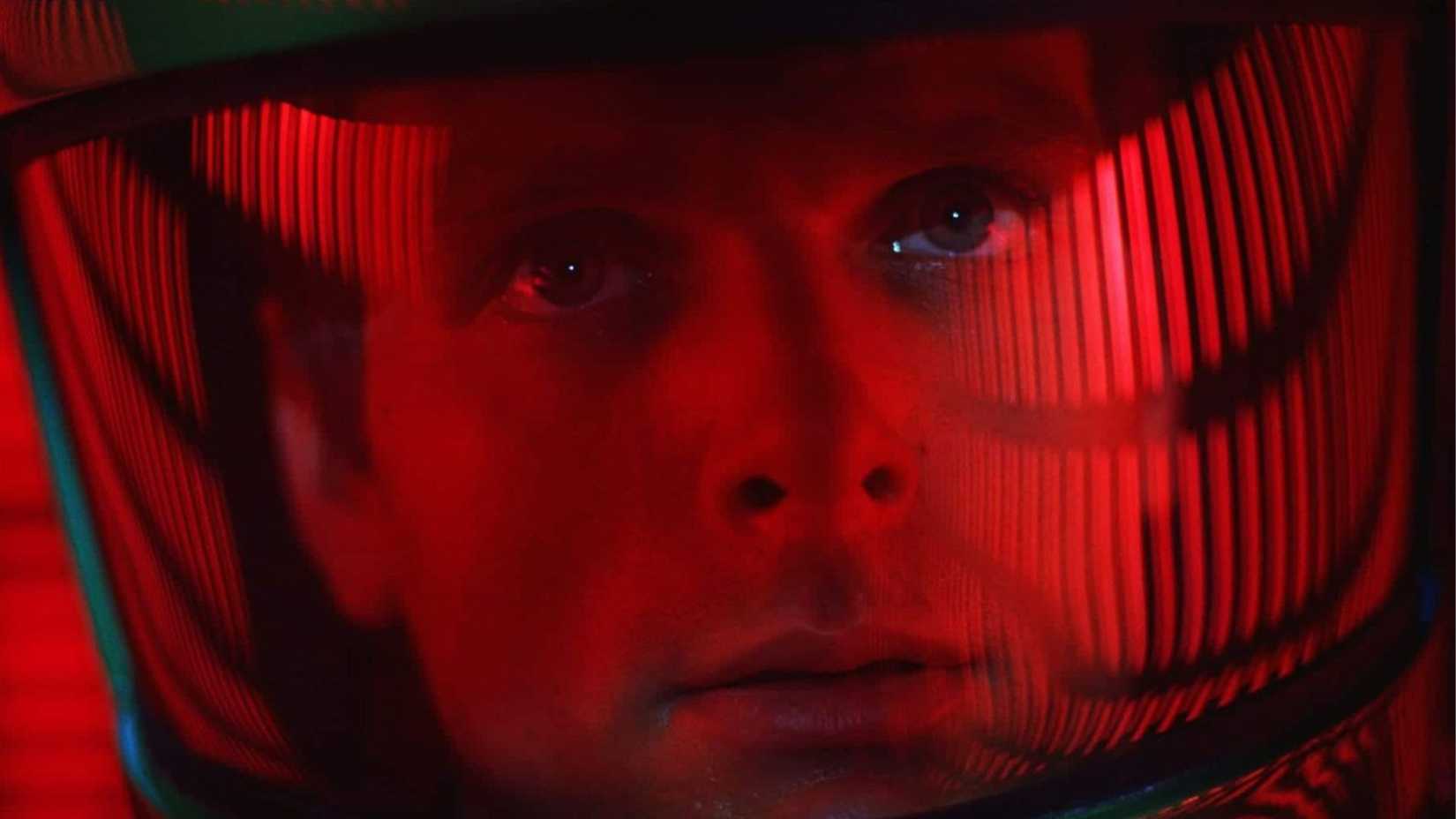
Stanley Kubrick’s film is a landmark achievement in science fiction. Unlike many earlier films in the genre, which often had limited budgets, Kubrick created a visually stunning and thought-provoking exploration of human evolution, inspired by the writings of Arthur C. Clarke.
This 1968 film was incredibly influential, changing the direction of the science fiction genre. Its thought-provoking themes, powerful music, and immersive atmosphere demonstrated the potential for large-scale, visually stunning space adventures.
This movie isn’t for all tastes, but its impact on film is undeniable. It significantly expanded the possibilities within its genre and continues to be a culturally important work.
Blade Runner 2049 (2017)
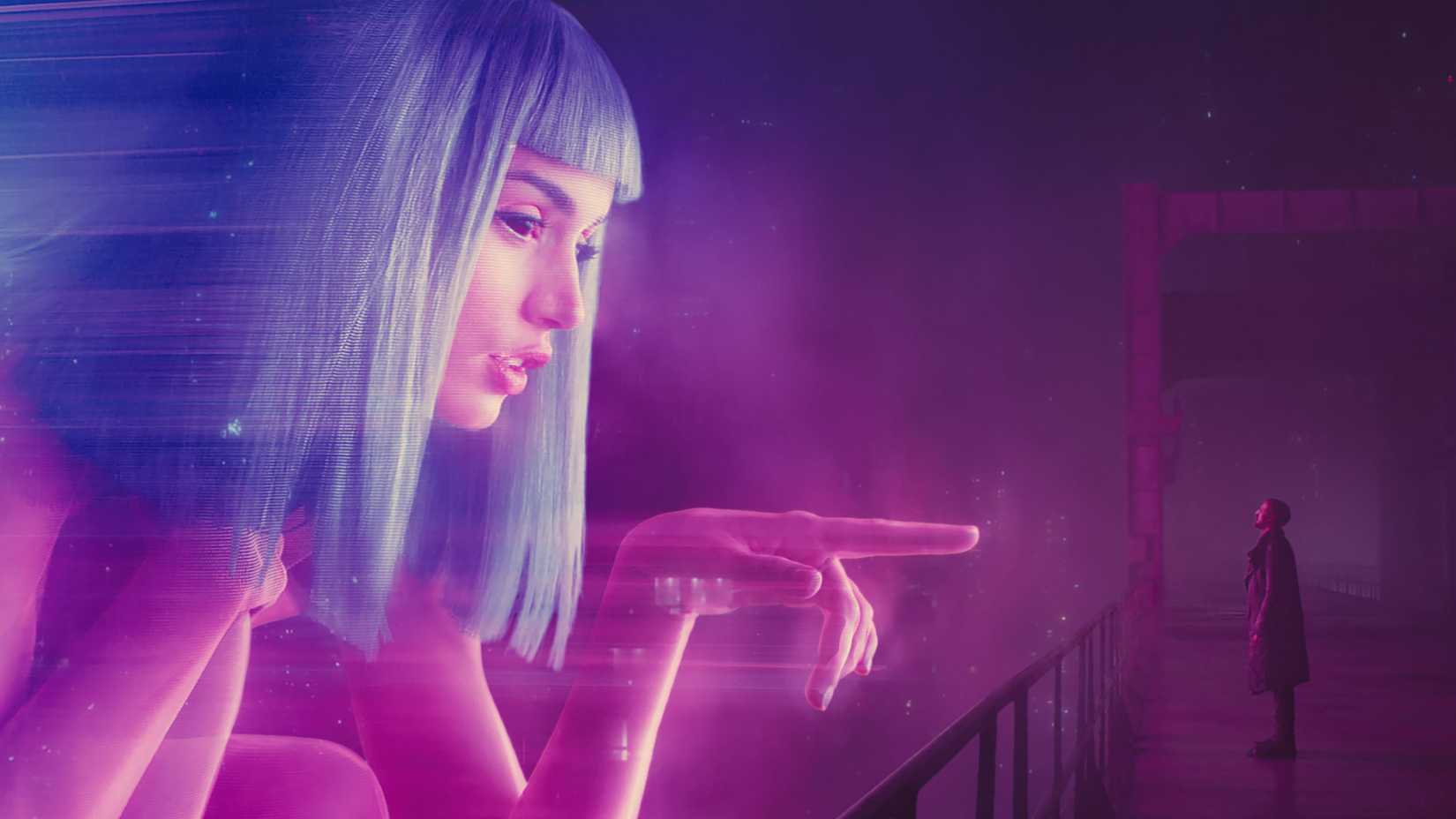
Though the original Blade Runner from 1982 wasn’t a blockbuster, it was unexpected when a sequel was announced for 2017. Blade Runner 2049 was even more ambitious than its predecessor, offering a fresh take on the science fiction genre with thought-provoking themes and impressive visuals.
The sequel came out 35 years after the original, making it one of the longest gaps between films in history. Though the movie was critically acclaimed and lived up to its promise as a high-quality science fiction film, it didn’t attract a large enough audience to earn back its significant $150-180 million production cost.
Few movies feel as grand and meaningful as Blade Runner 2049, so it’s a shame it wasn’t more widely appreciated. However, we should also be grateful that it was made in the first place.
Star Wars: Episode I – The Phantom Menace (1999)
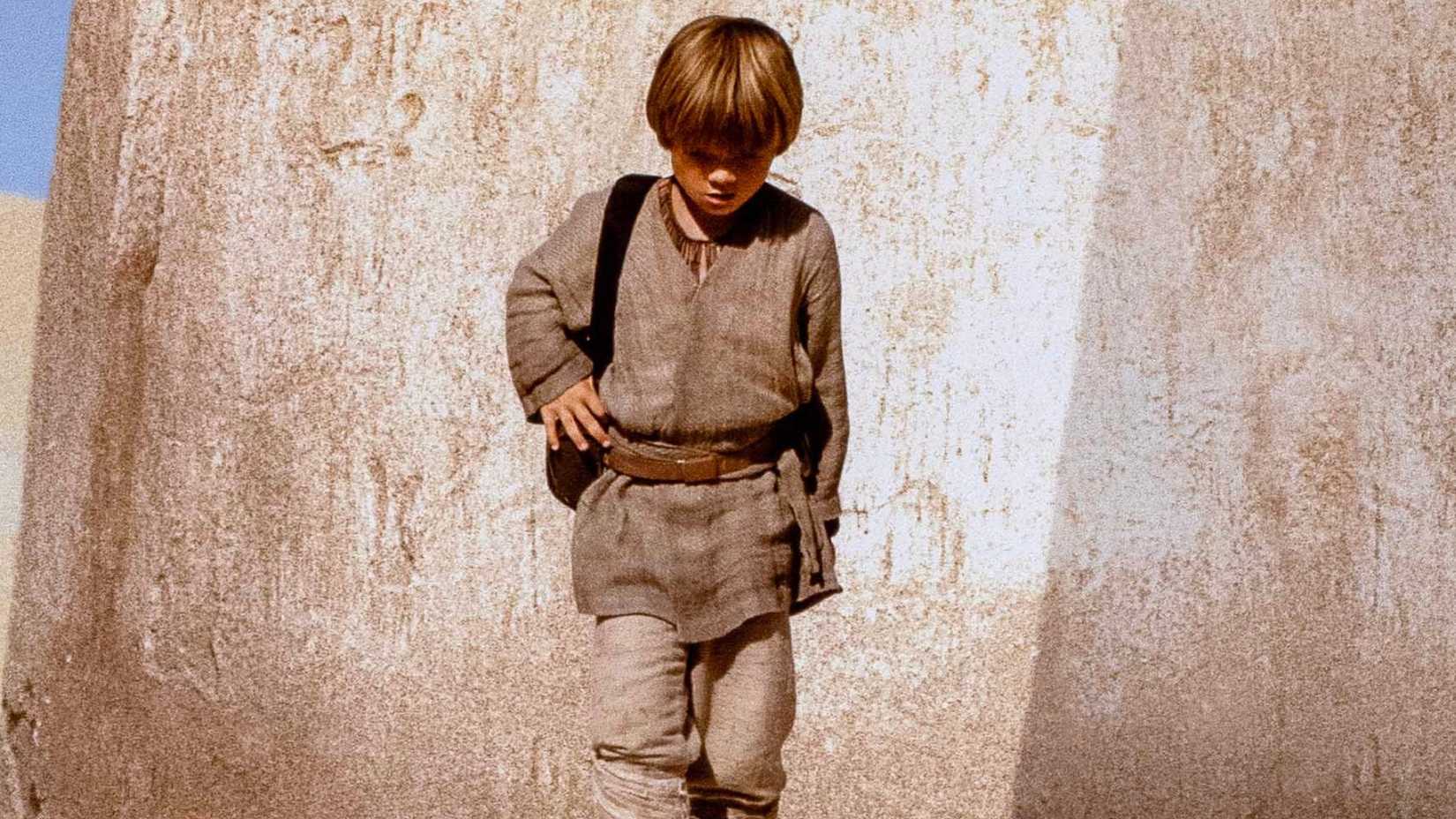
It’s easy to overlook just how ambitious this Star Wars project once was, given the negative reviews and audience reaction it ultimately received. After Return of the Jedi came out, George Lucas’s plans for a nine-part Star Wars saga stalled, leading to numerous sequels that were never made.
While waiting for technology to improve enough to realize his vision, Lucas used profits from the 1997 re-releases of the original Star Wars films to begin developing the prequel trilogy, which would eventually become Episode I.
With new characters like the Sith, a Jedi Council, and the Trade Federation, plus exciting additions like podracing, The Phantom Menace attempted to build a huge and innovative world, and it succeeded in many ways.
Cloud Atlas (2012)
Many novels are thought to be impossible to turn into films, and David Mitchell’s Cloud Atlas was considered one of the most challenging—until the Wachowskis decided to make it. The novel’s complex structure, with six loosely connected stories spanning different eras, seemed too expansive for a typical movie.
As a film buff, I was completely captivated by Cloud Atlas. It’s a truly epic movie – almost three hours long! – and boasts an incredible cast. Seriously, Tom Hanks, Halle Berry, Hugh Grant, Hugo Weaving… they all play multiple roles spanning different eras. What I loved most is how it weaves together these seemingly separate stories to show how people are connected across time. It’s a really thought-provoking and ambitious film.
Although some of the racial makeup choices in the film now seem insensitive and haven’t held up over time, it remains a powerful and original work of science fiction.
The Avengers (2012)
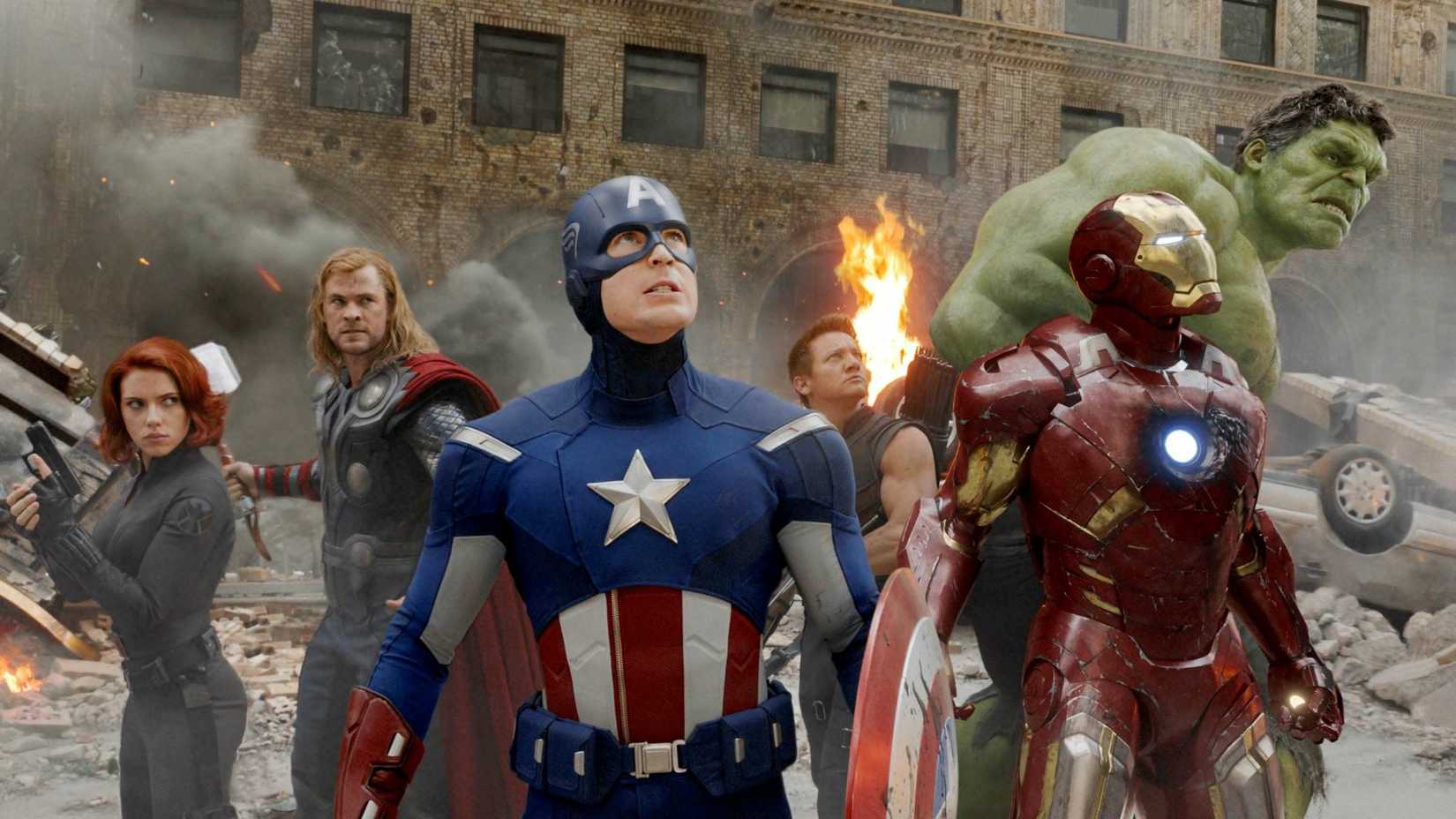
Since Marvel launched the Marvel Cinematic Universe with Iron Man in 2008, they’ve repeatedly changed what audiences expect from big-budget movies. While many of their projects could be considered groundbreaking – including the upcoming Avengers: Doomsday – it was their very first large-scale team-up event that truly had a lasting impact on filmmaking.
Before The Avengers came out, the idea of interconnected superhero movies was almost unheard of. The film’s success led other studios to try and create similar shared universes, though with varying results. Ultimately, The Avengers significantly influenced what audiences now expect from superhero films and stories.
The Avengers launched a cinematic universe that’s still thriving today, establishing Marvel as a globally beloved and dominant force in film.
Megalopolis (2024)

Francis Ford Coppola’s Megalopolis is a truly unique and ambitious film, and stands out as one of the best of the 21st century, despite not finding a large audience. It’s a strange and fascinating look at the conflict between wanting to achieve great things and the problems of corruption, a project Coppola began developing way back in the 1970s.
The documentary Megadoc offers a behind-the-scenes look at the making of the film and is highly recommended. Despite featuring a fantastic cast, creative story, and stunning imagery, the film wasn’t well-received initially, but it’s likely critics will view it more favorably in the future.
As of that point, Megalopolis hadn’t been successful, bringing in just $14 million globally despite costing $120 million to make – a significant portion of which came from the director’s own funds. It appears viewers weren’t quite prepared for a new film from the director of The Godfather.
Avatar (2009)
James Cameron has repeatedly pushed the boundaries of movie budgets. When it came out, Terminator 2: Judgment Day was the costliest film ever made, but Cameron surpassed that record twice more with True Lies in 1994 and then Titanic in 1997. Still, it was Avatar where he truly achieved his artistic and technical peak.
Avatar revolutionized how movies were made and experienced. It boasted groundbreaking special effects and utilized innovative 3D technology, creating a cinematic experience unlike any other before it.
Okay, look, the story in Avatar? Yeah, it’s pretty standard sci-fi stuff. But honestly, the visuals still blow me away. I’ve seen a lot of movies, and nothing really looked like Avatar did when it came out, and even now, years later, it still holds up better than most. It’s incredible to think James Cameron was developing this thing since ’94 – four years of work from the initial planning stages to actually hitting theaters! It really set a new bar for science fiction, and in my opinion, it still does.
Star Wars (1977)
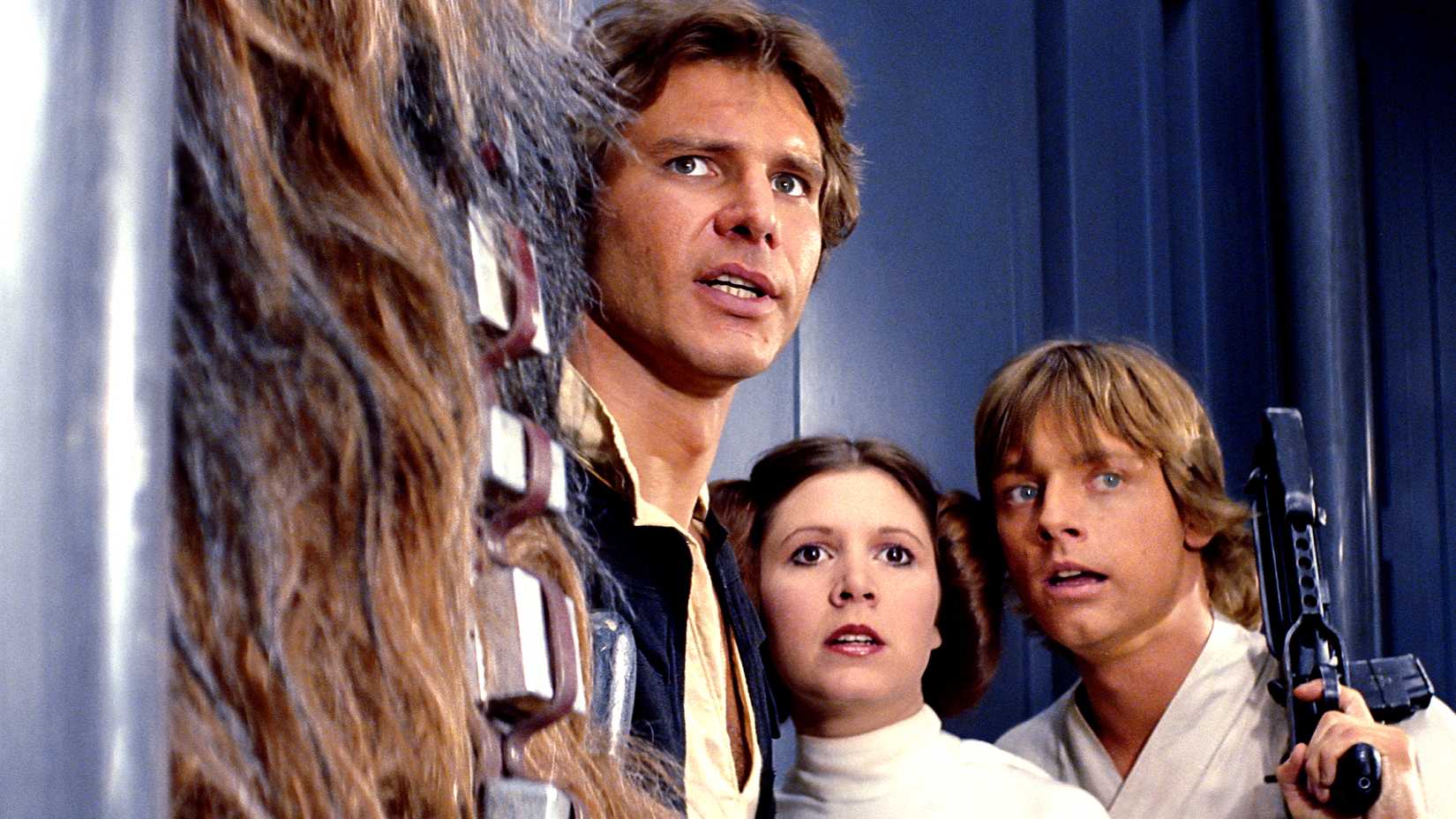
Building on the success of 2001: A Space Odyssey, Star Wars embraced the more imaginative aspects of science fiction and crafted a story that was intelligent, dramatic, and felt realistic.
Inspired by classic serials like Flash Gordon and Japanese samurai films such as Akira Kurosawa’s The Hidden Fortress, Star Wars was a boldly imaginative project. It also broke new ground with its visual effects, striving for a level of realism never before seen on film.
This film holds up remarkably well over time and laid the groundwork for the massive Star Wars franchise it would become. Everything that defines Star Wars – from the Jedi to the vast, exciting galaxy and memorable characters – is present and impactful in this first movie.
Dune (2021)

Creating a film version of Dune was always a huge undertaking, but attempting it again after David Lynch’s 1984 movie wasn’t well-received seemed nearly impossible. The project stalled for years, and many people thought the story simply couldn’t be made into a successful film.
Denis Villeneuve had a different approach. As a dedicated fan of the book, he invested a huge amount of time and effort into creating a realistic and immersive world for the story of Arrakis. However, he was initially only approved to make one movie, so he took a risk by hoping the film’s success would allow him to complete the story in a sequel.
It’s great that this film was made – it’s a real win for science fiction. This incredibly ambitious movie feels completely new and unlike anything audiences have seen before. Of all the amazing sci-fi films out there, Dune stands out as perhaps the most ambitious.
2026-05-17 03:52