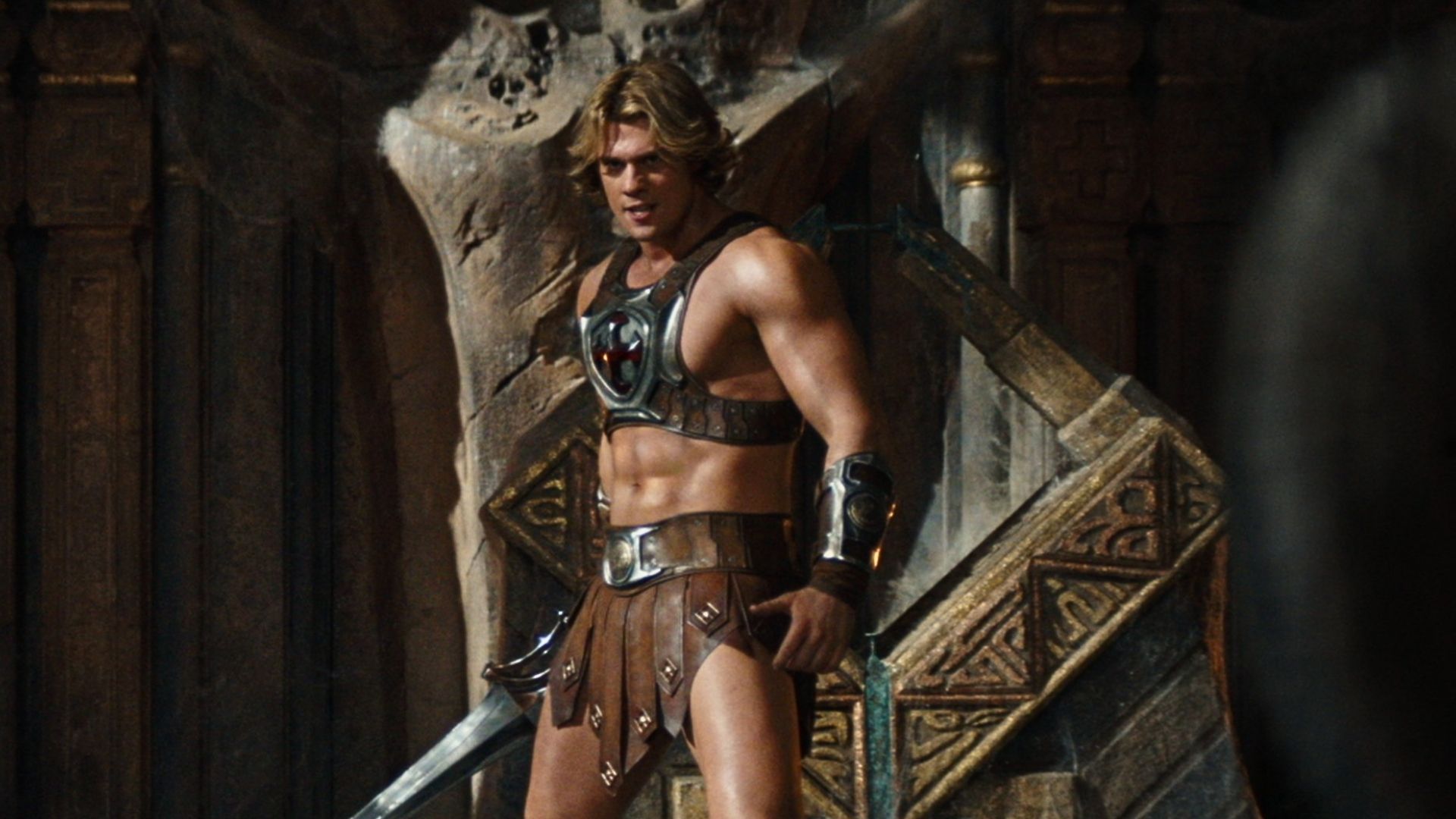
Travis Knight’s new movie, based on the classic Masters of the Universe, aims to update the popular ’80s franchise for modern audiences and examine what strength and power mean today. The original He-Man was known for his muscular build and represented a certain type of strong, masculine image that was popular in the ’80s. However, this new film will go beyond just physical strength and explore a more complex understanding of what it means to be powerful.
In an interview with Entertainment Weekly, writer Chris Butler explained that the team behind Masters of the Universe aimed to create a positive male role model, much like Barbie has been for girls, stating:
Just as Barbie represented ideals for girls, He-Man embodied those for boys – strength, power, and being the best. I wanted the film to explore those themes, and what it truly means to be a man, and a person.
Travis Knight, the director of Bumblebee, built the movie’s core idea around He-Man’s famous line, ‘I have the power.’ He explained that the phrase explores themes of strength, masculinity, and how these concepts connect. He felt this concept was central to the story from the very beginning.
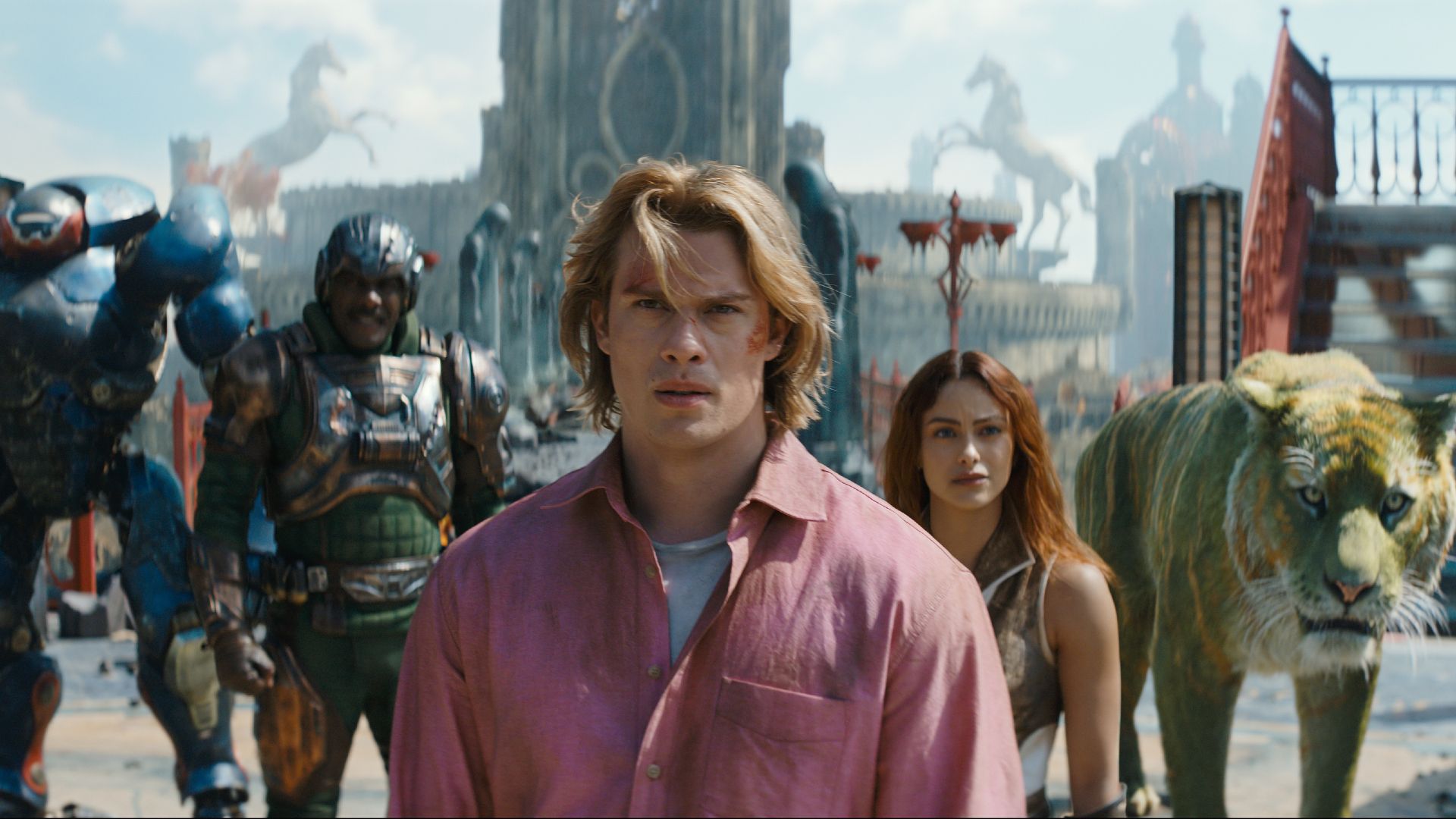
Knight wanted to challenge harmful stereotypes about what it means to be a man. He recalls being told things like, “Men shouldn’t show emotion,” and feeling pressured to prove his toughness – even to the point of physically hurting himself to suppress feelings. He saw this as a way to examine how these ideas have changed over time, comparing the expectations of masculinity in the 1980s to those of today.
Knight intentionally brought a sense of compassion to the show, inspired by the original He-Man and the Masters of the Universe cartoon from the 1980s – including both the episodes themselves and the positive messages at the end. He explained that He-Man’s kindness resonated with him as a child, and he hopes to create the same positive impact on a new generation of viewers, stating:
He spoke a lot about being kind, having good friendships, and showing compassion – he genuinely cared about people. He was a truly unique person, almost like a coach who taught you how to understand others, but in a very quirky way. For someone like me – a sensitive, artistic, and somewhat unusual kid who didn’t make friends easily – his message was incredibly powerful. I was comfortable being alone and had a rich inner life, but struggled to connect deeply with others. The idea that you could be both strong and sensitive felt revolutionary. It was like realizing you didn’t have to choose between being tough and being in touch with your feelings – you could have both.
It’s encouraging to see the new He-Man film aiming for more than just action, exploring ideas about power and the strength found in kindness. Given current conversations about young men and feelings of isolation, reimagining He-Man for a modern audience is a smart move. The film suggests that true strength isn’t just about physical power, but also about empathy and caring for others – a valuable message for today’s generation.
This creative choice is likely to spark debate, as some viewers are quick to criticize anything addressing “toxic masculinity” as being overly progressive. There’s already been online backlash over a character using pronouns, which is ironic considering He-Man’s name itself includes a pronoun. While Masters of the Universe relies on 1980s nostalgia, to stay relevant it needs to appeal to a new audience, and this updated approach could help the franchise become popular again.
2026-04-14 22:24