
They just don’t make ’em like they used to, and by that I mean those iconic 2000s commercials.
As a kid growing up in the 2000s, it felt like everyone was constantly trying to sell me something. The decade was all about reality TV, celebrities, and the very beginning of social media taking over – it was a big shift. Honestly, it’s probably even more intense now with ads popping up during streaming shows and sponsored posts everywhere, but back then, at least the commercials were kind of… fun? They had a little more style, you know?
TV commercials in the 2000s were known for catchy, repetitive jingles, a playful and often ironic sense of humor, and bright, energetic visuals. This style carried over from the late 90s, and commercials often drew inspiration from, and even influenced, popular culture. Many were delightfully strange—and that’s what made them so memorable, even years later.
Whether it was the noisy Spongmonkeys or an energetic older man dancing to the Vengaboys, these commercials from the 2000s are sure to bring back memories for Gen X and Millennial viewers.
Fanta
Remember the early 2000s Fanta commercials with the Fantanas? These four vibrant dancers and spokesmodels always seemed to be having a blast in cool, exotic locations. They’d ask, “Don’t you wanna?” before launching into Fanta’s upbeat, catchy jingle. It was incredibly memorable, and let’s be honest, it definitely made you want a Fanta!
Orbit
Remember that Orbit gum commercial with the witty British woman? It showed a group playfully arguing, using funny, made-up insults like “lint licker” instead of swear words. It was a clever way to suggest cleaning up your mouth! The woman’s line, “Fabulous! For a good clean feeling, no matter what…” was instantly memorable and perfectly captured the ad’s playful spirit.
Education Connection
Before artists like Charli XCX popularized hyperpop, the Education Connection commercial jingle was everywhere – and it became a popular internet meme. This high-energy, upbeat jingle, often shown late at night, was a defining sound of commercials in the early 2000s. The commercial, featuring a girl with a bob haircut studying while spinning in her chair, inspired many to explore higher education “on the internet.”
Quiznos
I honestly have no idea what a Spongmonkey even is, but who could forget those strange Quiznos mascots? They first appeared in a truly wild 2004 ad campaign, featuring these bizarre, screeching creatures – originally from the internet – singing about how much they loved Quiznos subs. It was incredibly strange and memorable, and that commercial is stuck in my head like a perfectly toasted sandwich.
Six Flags
For many in the 2000s, a summer trip to Six Flags with friends was the highlight of the season. The park’s commercials, featuring a lively older man dancing to the Vengaboys’ hit song from 1998, perfectly captured that feeling of excitement. Known as ‘Mr. Six,’ the character—actually a young choreographer in heavy makeup—was everywhere on TV during that decade. He became so well-known that he was even parodied on Saturday Night Live in 2022, almost twenty years after first appearing in those energetic commercials.
Starburst
Candy commercials were famously strange in both the ’90s and 2000s. In 2007, Starburst released a particularly bizarre commercial featuring a character called ‘Little Lad.’ He looked like a child from a classic novel, with a distinctive haircut and outfit, and acted like he hadn’t grown up. The commercial showed him approaching two guys enjoying Berries & Creme Starburst, then suddenly bursting into a happy song and dance. It was odd, but incredibly memorable, and it recently went viral again in 2021.
Folgers
Few things are as comforting as family, but sometimes family relationships can feel…awkward. This is definitely the case with Folgers’ widely discussed 2009 “Coming Home” commercial – often called the “Folgers Incest Ad.” The ad shows a sister greeting her brother who’s home for the holidays, and things quickly become unsettling. She playfully declares him her ‘present’ and puts a bow on his shirt, leading to a tense exchange of glances and uncomfortable vibes before their parents enter the room. The whole scene has a strangely familiar, and unsettling, energy – reminiscent of the complicated relationship between Cersei and Jaime Lannister.
Geico
Geico is famous for its catchy commercials, and their mascot, the Geico Gecko (named Martin!), is one of the most recognizable around. But their advertising really hit its stride in the 2000s with the caveman commercials. These ads, built around the idea that Geico’s online quote system was so simple even a caveman could use it, were particularly funny. One standout spot from 2006 featured a refined caveman doing a double-take at an airport poster with the slogan. The humor came from his offended reaction, perfectly set to the upbeat song “Remind Me” by Röyksopp.
J.G. Wentworth
Need money now and have a structured settlement? You might remember JG Wentworth from their memorable commercials – the ones with the opera-singing Vikings! They’ve made a name for themselves with a catchy jingle about turning settlements into immediate cash: “I have an annuity, but I need cash now / Call JG Wentworth / 877-CASH-NOW.” Even if you’re not sure what a structured settlement is, that commercial is hard to forget!
Head On
If you watched TV in the late 2000s, you likely remember the HeadOn commercial. It featured the same phrase – “HeadOn. Apply directly to the forehead.” – repeated three times, played twice in a row. This incredibly repetitive ad, which first aired in 2006, was hard to forget, though it also sparked some controversy. While the product itself, meant for headache relief, has been discontinued, the instruction remains iconic: HeadOn. Apply directly to the forehead. Applied directly to the forehead. Applied directly to the forehead.
Verizon
For many Americans in the 2000s, the phrase “Can you hear me now?” was everywhere. It was made famous by actor Paul Marcarelli, who played the “Test Man” in Verizon Wireless’ popular commercials throughout the decade and the line became a common part of everyday conversation. The commercials were so successful that even after Marcarelli’s contract with Verizon ended, Sprint hired him in 2016 for a campaign called “Paul Switched.”
Apple iPod
Apple achieved something remarkable in the mid-2000s: they created a feeling of ‘cool’ through their iconic iPod commercials. These ads, now famous for their minimalist style, showed black silhouettes dancing against vibrant backgrounds, always with an iPod. The commercials were set to music from popular artists like Gorillaz, N.E.R.D., and Daft Punk, and the combination of energetic visuals and effortlessly cool music became a defining symbol of the decade.
ShamWow!
Back in 2006, Vince Offer, a charismatic salesman, started appearing on TV selling ShamWow!, a super-absorbent towel originally claimed to hold 20 times its weight in liquid. His energetic infomercial was hard to avoid, and he cleverly showed off the towel’s abilities in a simple way, making viewers feel like they needed one.
K9 Advantix
Everyone agrees puppies are adorable, and yellow Lab puppies are especially sweet. But a singing yellow Lab puppy? It’s almost too much! K9 Advantix’s famous TV ad – the one with a cheerful puppy singing a letter from summer camp to the tune of Amilcare Ponchielli’s “Dance of the Hours” – is easily one of the cutest commercials we’ve seen in years.
Subway
Subway’s 2008 “$5 Footlong” campaign was incredibly popular, featuring memorable commercials with characters like a gorilla and a movie star. Launched during a tough economic time, the promotion was a huge success, bringing in billions of dollars for the company. It became so strongly associated with the brand that I was surprised to recently discover you can no longer actually buy a 12-inch sub for $5. (Though, honestly, it’s hard to find anything that costs just $5 these days!)
2000s Movies That Got Bad Reviews That Are Actually Good

Mission: Impossible II (2000)
With a Rotten Tomatoes score of 57%, Mission: Impossible II often gets a bad rap. Director John Woo, fresh off the success of Face/Off, delivered another action-packed thriller featuring a good agent battling a dangerous villain. The film even uses the myth of Bellerophon and the Chimera – as the names for a virus and its cure – to explore the idea that heroes need villains, a common theme in Woo’s work. Like Face/Off, this film features characters who can disguise themselves as their enemies. While many consider it the weakest Mission: Impossible movie, it’s arguably a decent action film when compared to others in the genre.

Ocean’s Twelve (2004)
With a Rotten Tomatoes score of 55%, Ocean’s Twelve is a surprisingly self-aware sequel. The film centers on Danny Ocean’s crew being pressured to pull off an even bigger heist than before, and it cleverly explores the challenges of following up a successful movie. Characters openly acknowledge they’re struggling and settling for second best, mirroring the real-life pressures faced by director Steven Soderbergh, who briefly retired after making the film. Many critics in 2004 dismissed Ocean’s Twelve as repetitive, but the movie was intentionally about the difficulty of creating something original when expectations are high.
Deja Vu (2006)
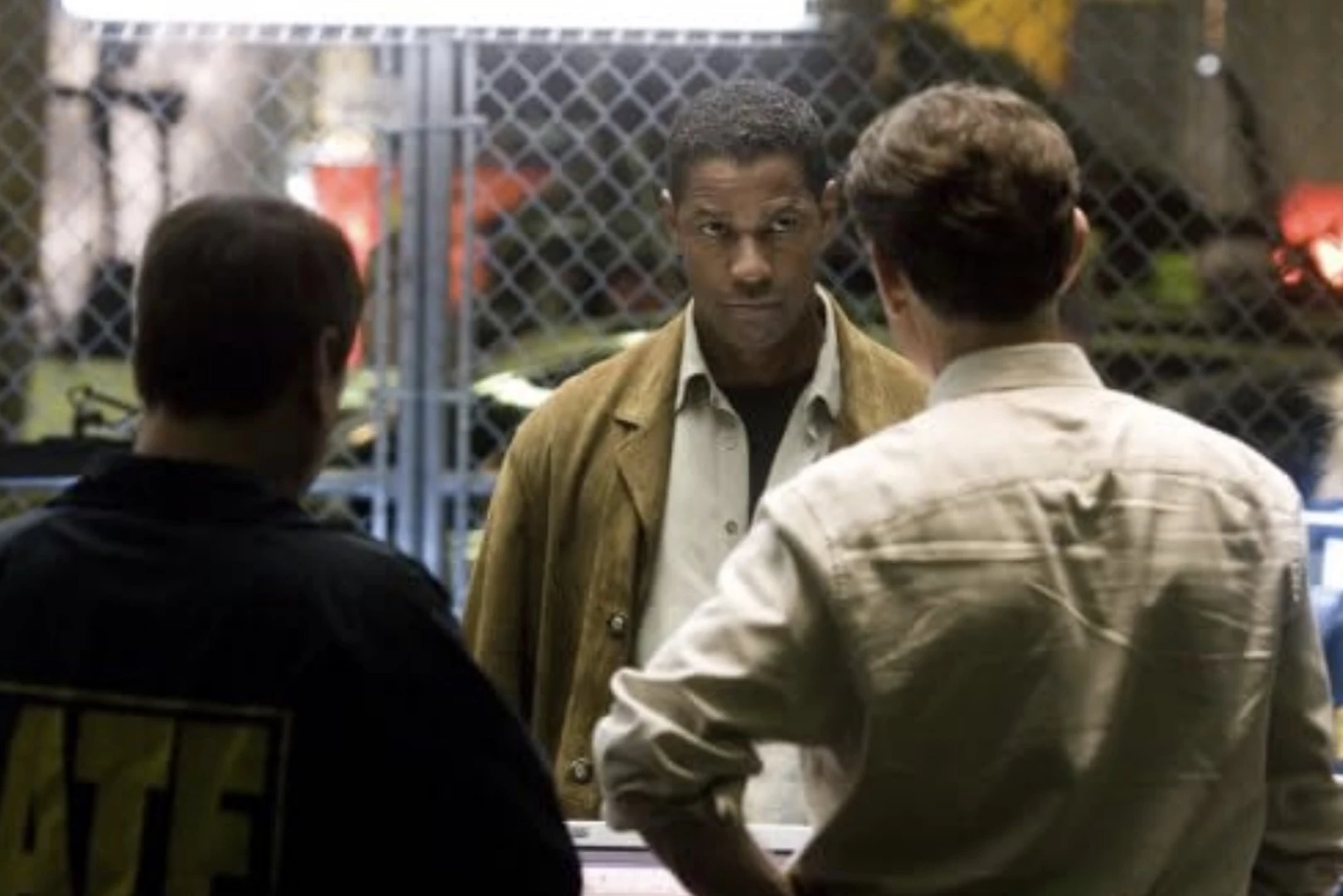
With a Rotten Tomatoes score of 55%, Deja Vu is a science fiction take on Alfred Hitchcock’s Vertigo. Interestingly, the writers, Bill Marsilii and Terry Rossio, reportedly weren’t pleased with director Tony Scott’s vision, feeling he prioritized the thriller aspects of the story over their intricate time travel concept. The film follows a government agent (Denzel Washington) investigating a terrorist attack in New Orleans. He uses experimental technology to look back in time, allowing him to track the bomber and even develop feelings for one of the victims (Paula Patton). While I haven’t seen the original screenplay, the finished film remains one of my favorites directed by Tony Scott – it’s a sad, unusual movie with a haunting quality and several mind-bending twists.
The Fast and the Furious (2001)
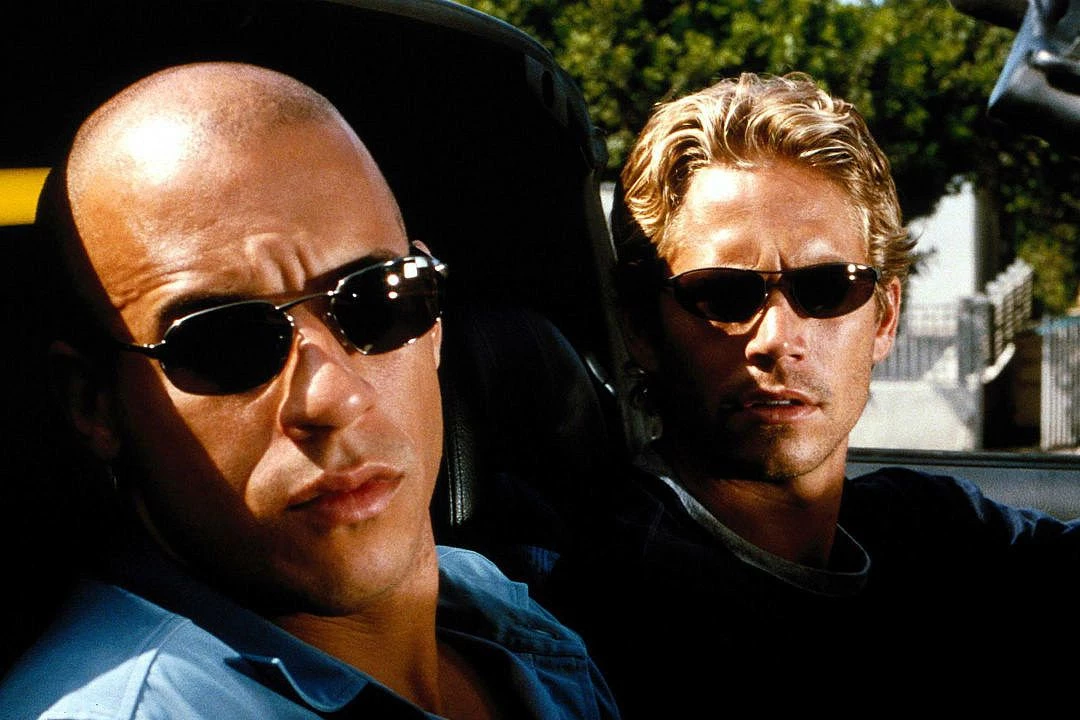
With a Rotten Tomatoes score of 55%, the first Fast & Furious film already had many of the elements that would define the series. It featured over-the-top action, a strong emphasis on the characters as a ‘family,’ and a blurry line between good and bad guys. Most importantly, the film established the captivating dynamic between Paul Walker and Vin Diesel – their contrasting personalities created a unique and compelling chemistry that kept audiences engaged. While the stunts initially drew people in, it was the complicated, yet affectionate, relationship between these two leads that made them return for more.

The Devil’s Rejects (2005)
With a Rotten Tomatoes score of 54%, Rob Zombie’s House of 1000 Corpses is a typical slasher film about teenagers being hunted by a family of killers. However, the sequel, The Devil’s Rejects, flips the script, portraying that same family as the main characters – though they are still violent and cruel. They become the focus as they are chased by the police for their past actions, which may explain why the movie received some negative reviews. Personally, I think The Devil’s Rejects works well, even though it’s very dark. But because it’s so different in tone and focus from House of 1000 Corpses, it’s not surprising when fans of the first film don’t enjoy the second.

The Mexican (2001)
With a Rotten Tomatoes score of 54%, The Mexican brought together two of Hollywood’s biggest stars, Brad Pitt and Julia Roberts. However, the film didn’t quite live up to expectations. Marketed as a romantic comedy, it was more of a quirky crime story that unfortunately kept Pitt and Roberts largely separated on screen. Their characters split early on and spend most of the movie pursuing separate storylines. Despite this, both actors deliver solid performances, and James Gandolfini is a standout as a criminal who kidnaps Roberts’ character, using her as leverage to ensure Pitt’s character finds a valuable antique pistol – the very ‘Mexican’ the title refers to.

Jackass: The Movie (2002)
The first Jackass movie received a 49% rating on Rotten Tomatoes, meaning opinions were pretty divided. Interestingly, it actually has the lowest score of all the Jackass films – the latest one, Jackass Forever, scored an 86! It’s possible that critics became more accepting of the series’ crude humor over time, especially as younger reviewers who grew up with it started writing reviews.
National Treasure (2004)
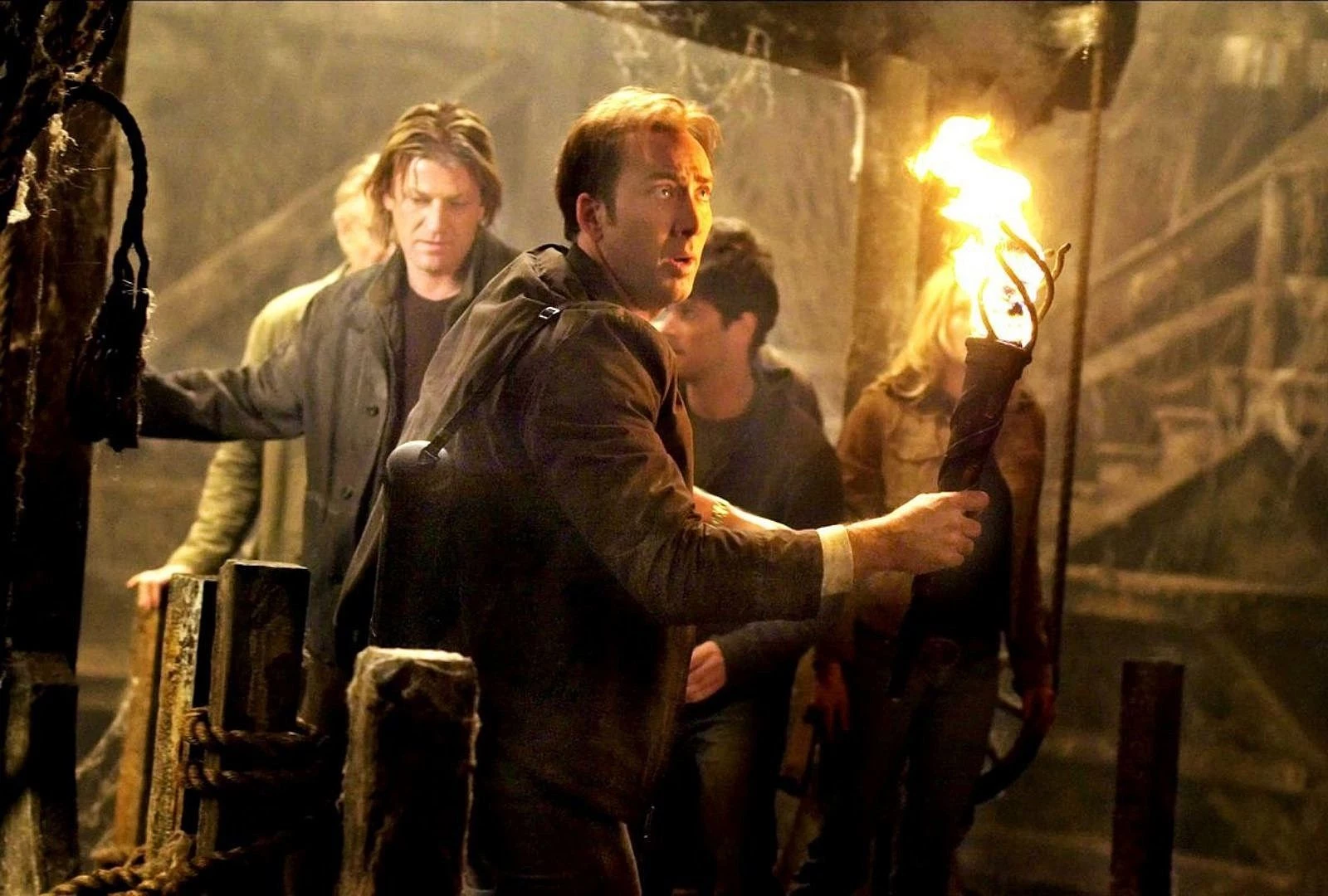
The movie currently has a 46% rating on Rotten Tomatoes, which is surprising. Despite the films being frequently shown on TV and Nicolas Cage often being asked about a third installment for years – the last sequel, Book of Secrets, came out in 2007 – the National Treasure movies weren’t well-received by critics when they were first released. One reviewer believes the critics missed the mark, and even thinks the sequel is enjoyable!
The Cell (2000)
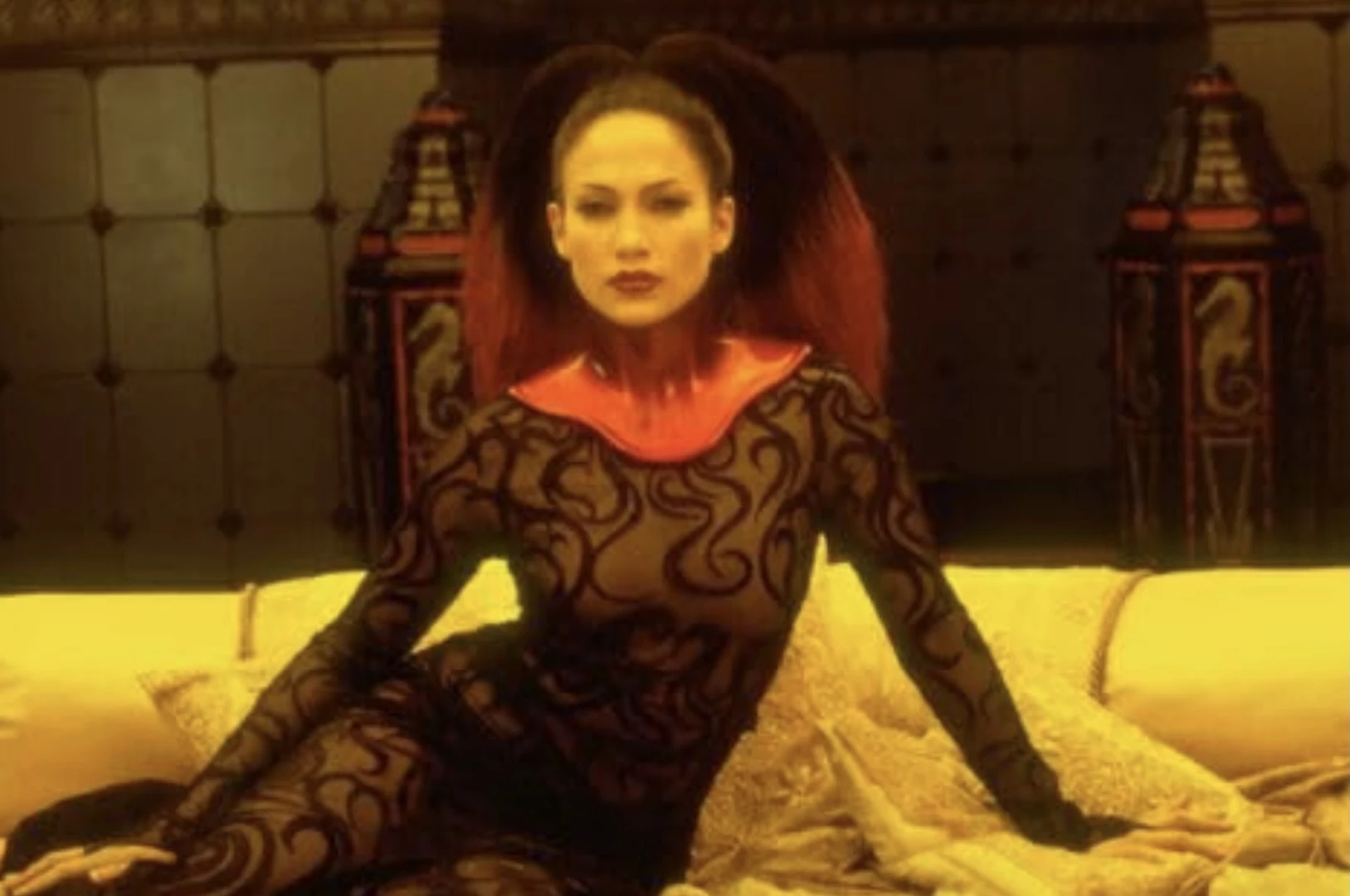
With a Rotten Tomatoes score of 45%, The Cell follows a familiar formula for thrillers after Silence of the Lambs: a pursuit of a serial killer. However, the film stands out thanks to its stunning visuals. Directed by Tarsem, it takes viewers inside the disturbed mind of a comatose killer (Vincent D’Onofrio) through the eyes of a psychologist (Jennifer Lopez) and an FBI agent (Vince Vaughn). They use new technology to explore his psyche, hoping to find clues to the location of his next victim. Like many thrillers from that time, The Cell balances intense seriousness with over-the-top moments, but its unique costumes and surreal imagery make it a worthwhile watch.

The House Bunny (2008)
Despite a low Rotten Tomatoes score of 44%, The House Bunny is surprisingly funny, largely thanks to Anna Faris’s hilarious performance. The movie centers around a former Playboy Bunny who, at 27, finds herself unexpectedly in charge of a quirky sorority. While the premise might not appeal to everyone, Faris truly shines, delivering one of the best comedic performances in recent years. The supporting cast, including Emma Stone and Kat Dennings, also contribute to the film’s charm, helping Faris guide the sorority sisters. It’s ironic, then, that the movie receives mostly negative reviews on Rotten Tomatoes.

The Box (2009)
With a Rotten Tomatoes score of 42%, The Box effectively ended director Richard Kelly’s career in mainstream Hollywood – he hasn’t directed another feature film since. Starring Cameron Diaz and James Marsden, the movie is based on a short story by Richard Matheson (previously adapted for The Twilight Zone) and presents a couple with a disturbing choice: press a button and receive a million dollars, but someone they don’t know will die as a result. Critics disliked the film, and audiences were confused by Kelly’s strange and unsettling approach to the story. It even received a rare ‘F’ from CinemaScore voters, meaning it failed to resonate with almost everyone. Despite all that, I find myself enjoying it, perhaps because of Frank Langella’s performance as a chillingly capitalist villain and Kelly’s overall creepy, end-of-the-world atmosphere.

Saw VI (2009)
With a Rotten Tomatoes score of 39%, Saw VI is considered a standout in the Saw franchise, even though original creators James Wan and Leigh Whannell were no longer involved. The film features a particularly deserving villain – a callous insurance executive – and surprisingly draws connections between Jigsaw’s brutal methods and the flaws within the healthcare system. It’s a darkly twisted take on A Christmas Carol, where the ghosts inflict pain with buzzsaws and thumbscrews. The movie is famous for its elaborate trap involving the insurance executive (Peter Outerbridge) being forced to decide which of his employees lives or dies while they are strapped to a spinning merry-go-round connected to a shotgun. As the merry-go-round whirls, the employees desperately try to convince him to spare them, even turning on each other in their fight for survival – a uniquely American scenario!

The Break-Up (2006)
With a Rotten Tomatoes score of 34%, The Break-Up isn’t your typical romantic comedy. It’s intentionally awkward in places, which makes sense considering it’s about the messy end of a long-term relationship between Vince Vaughn and Jennifer Aniston. It doesn’t offer many of the usual rom-com delights, but perhaps that’s not surprising given the title. The film’s concept – a breakup movie – is strangely appealing, and some viewers might find it surprisingly quotable, even years later.

Gamer (2009)
The movie Gamer received a 30% rating on Rotten Tomatoes. This darkly satirical film imagines a future where people control others like characters in a video game. Gerard Butler plays Kable, a ‘player’ who is actually controlled by another gamer, Logan Lerman. The premise is inventive, and the action sequences, directed by Mark Neveldine and Brian Taylor, are fast-paced and exceptionally well-done.
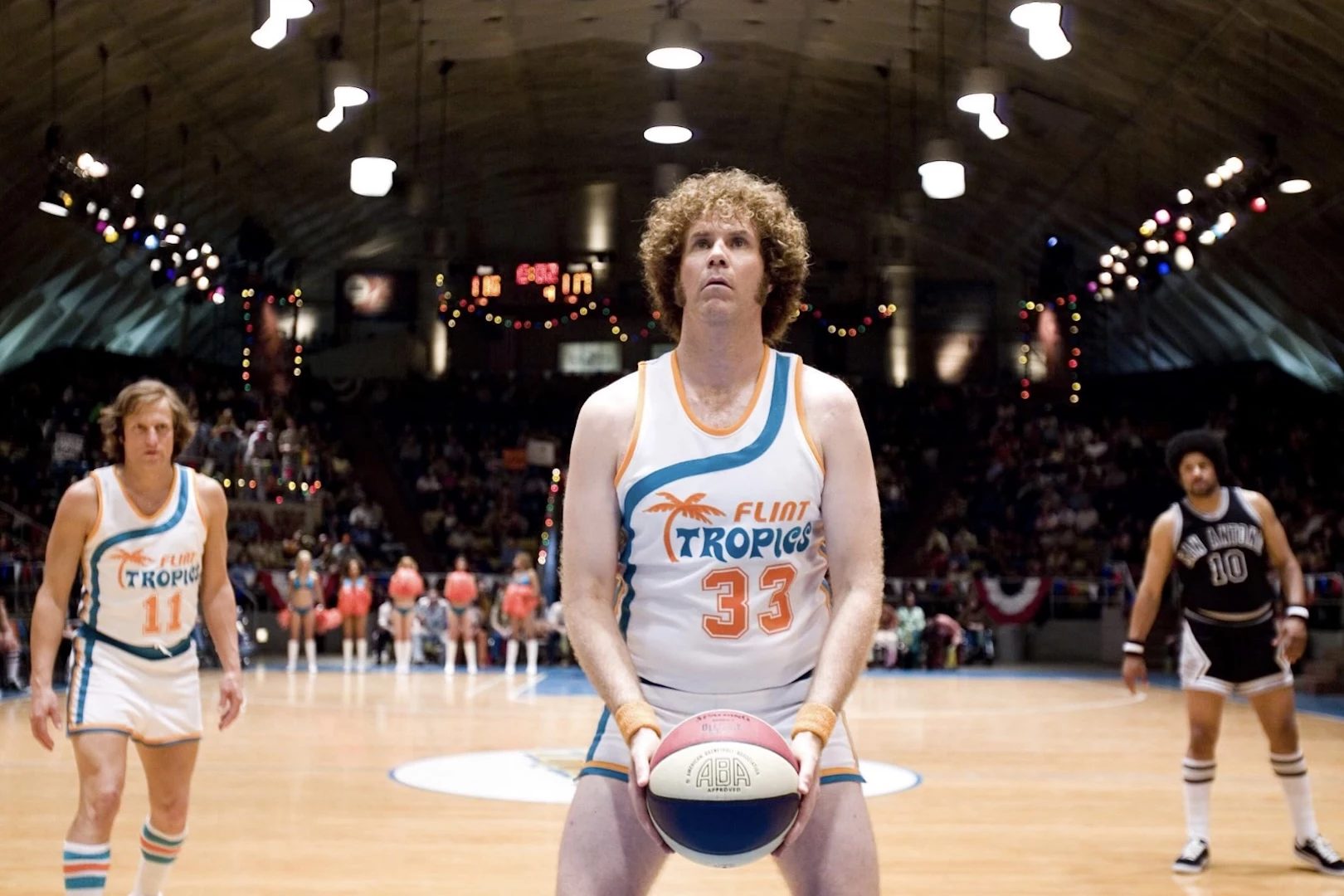
Semi-Pro (2008)
Okay, let’s talk about Semi-Pro. It’s got the lowest score on this list – a dismal 23% on Rotten Tomatoes – but honestly? I’ve seen this Will Ferrell comedy more than any other on here, probably upwards of six times. Ferrell plays the owner and star player of the Flint Tropics, a struggling ABA team desperately trying to make it into the NBA. It’s not a shock the critics weren’t kind; Ferrell’s comedies usually shine when he’s working with Adam McKay, and that wasn’t the case here. But despite the critical drubbing, this movie is funny. The gags are fantastic, and the supporting cast is stacked with comedy gold – Woody Harrelson, Andre Benjamin, Will Arnett, and a whole bunch of other familiar faces. And let’s not forget the pièce de résistance: Ferrell singing a song called “Love Me Sexy!” Seriously, “Love Me Sexy!” – are you not entertained?!
2026-04-14 17:31