
It’s difficult to judge the show House by today’s standards because the main character’s genius is linked to his questionable morals. While the show doesn’t ask us to approve of his bad actions, it also portrays him as captivating, intelligent, and relatable, which makes it hard to simply dislike him.
Certain episodes of House are incredibly rewatchable, blending the mystery of a Sherlock Holmes story with the compelling format of a medical drama. However, the show isn’t always easy to watch. House’s substance abuse and often harsh treatment of his colleagues make some episodes quite difficult and uncomfortable to revisit.
Despite feeling current, the show House first aired over two decades ago. Unfortunately, it hasn’t held up well over time. A lot of its humor and storylines now feel dated and rely on outdated and harmful stereotypes that were once considered acceptable as comedy.
Although the medical cases on House remain interesting, the show’s handling of issues like consent, mental health, and identity often clashes with modern values. Eight episodes, in particular, now appear troubling or unacceptable to many viewers.
The Itch
Season 5, Episode 7
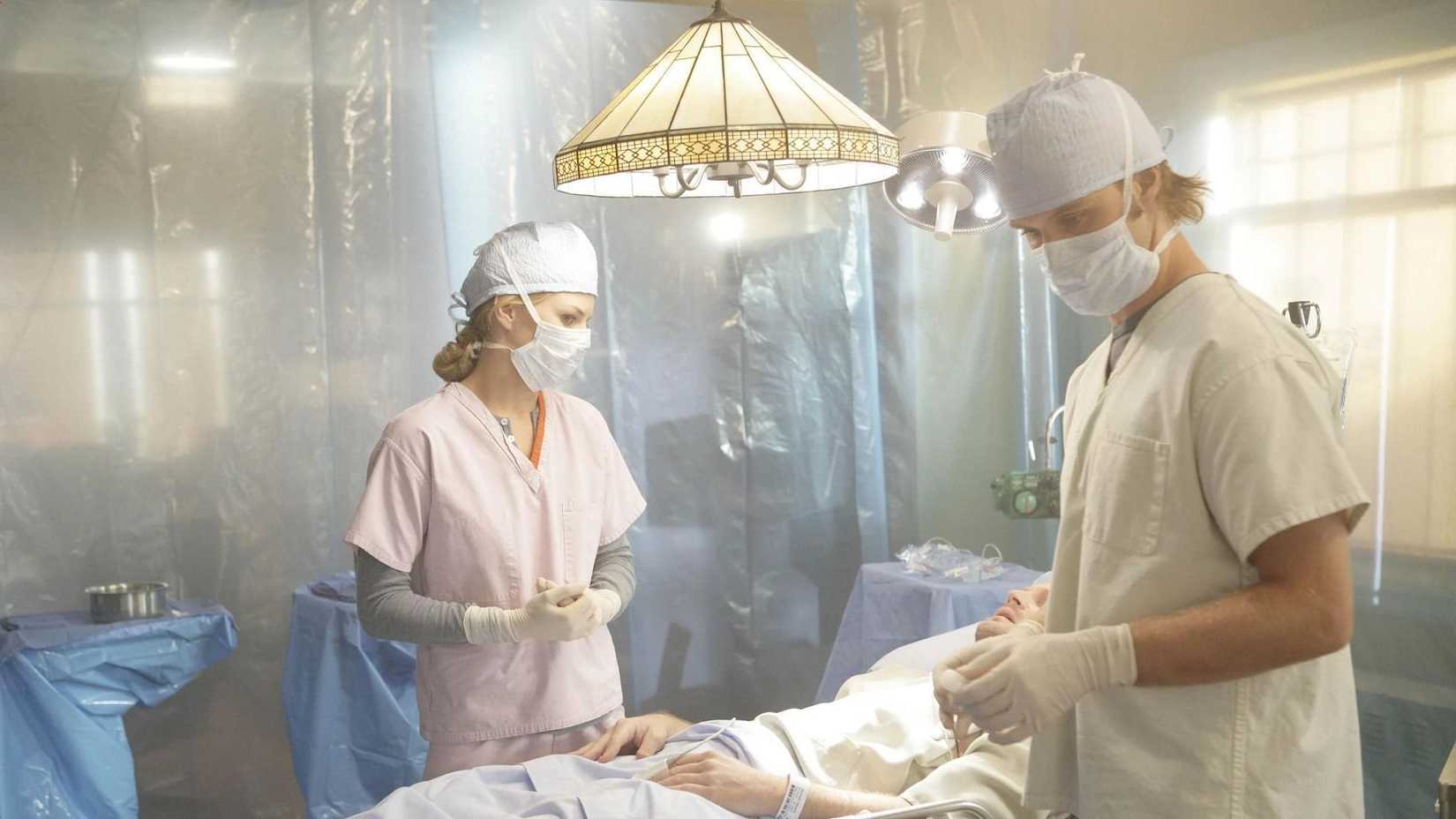
In the episode “The Itch,” House takes a highly unethical step: he commits fraud to treat a patient with severe agoraphobia. He tells the man he’ll perform surgery in his home, but actually intends to sedate him and move him to the hospital without his consent.
House doesn’t consider whether his patient is agreeing to these extreme methods, the potential emotional damage, or even what will happen when the patient wakes up confused and disoriented, which could worsen their condition. If that doesn’t work, he goes even further, secretly switching the patient’s pain medication for a harmless fluid, deliberately causing intense pain in the hope that the desperation will overcome their fear of leaving the house.
Cameron finds House’s actions to be controlling, unkind, and dangerously irresponsible. While she attempts to honor the patient’s wishes, the conflict between the doctors creates more instability in an already delicate case. Successfully treating agoraphobia depends on patience and building trust, but House consistently damages both of those essential elements.
Heavy
Season 1, Episode 16
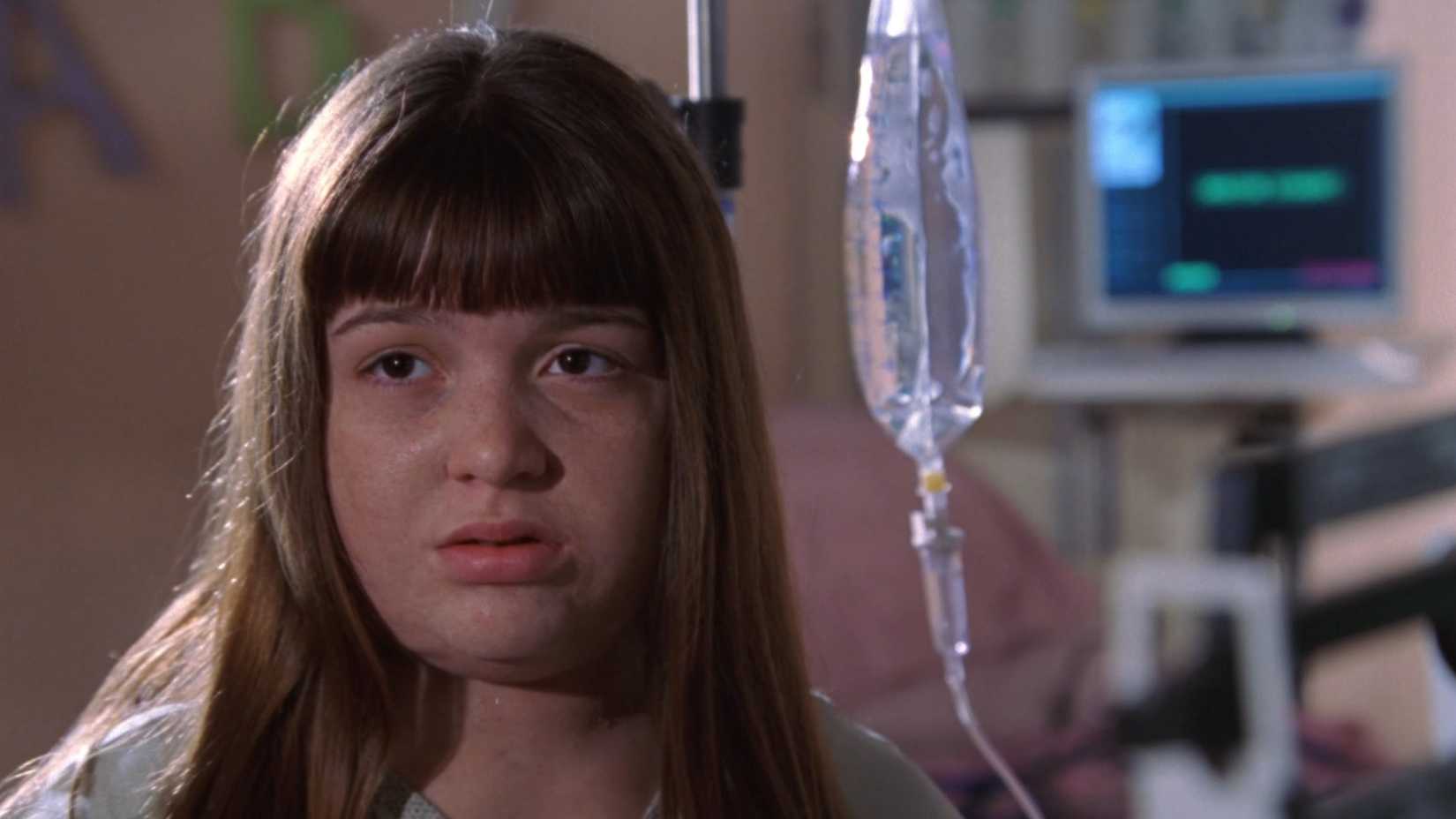
Watching this episode of House felt…uncomfortable, honestly. It really brought back a certain type of early 2000s TV – shows that often used weight as either a cheap joke or as a sign that someone was, on some level, failing as a person. It’s a tricky subject, and one we’re still grappling with as a country. In this particular episode, the team is dealing with a ten-year-old girl who is severely obese, and Chase just…can’t let it go. He keeps focusing on her weight in a way that feels really insensitive and, frankly, a bit jarring to watch.
He keeps blaming her weight for every health issue, even after she and her mother explain she’s already trying to eat better and exercise. He ignores their explanations and repeats the same advice, making appointments feel like a scolding about willpower instead of a real effort to find out what’s wrong.
The episode eventually shows that her weight was a result of an underlying problem, proving she was right all along. Although this feels like a positive conclusion, it still suggests that she needed to lose weight quickly to be considered truly well. Thankfully, a case like this today wouldn’t require weight loss to confirm the patient’s experience or demonstrate that the doctors were mistaken.
Open And Shut
Season 6, Episode 18
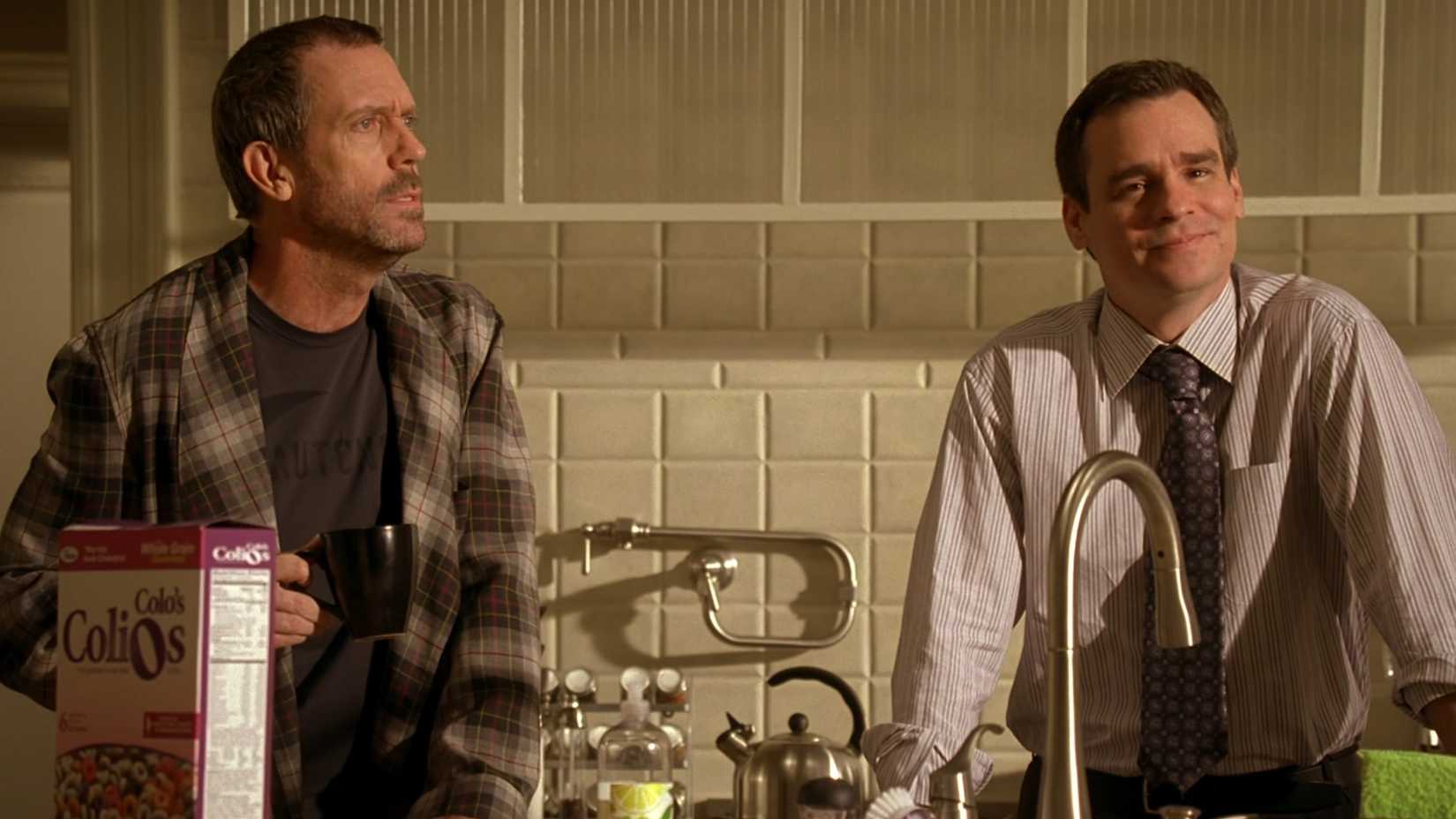
The podcast “Open and Shut” focuses on a woman in an open marriage, and the investigators repeatedly express surprise that this type of relationship could even work. They seem to automatically assume her personal life is problematic, suggesting that being in an open marriage means she’s either unstable, dishonest, or has underlying health issues.
The story briefly suggests her heightened libido might be a sign of illness, revealing an old-fashioned idea about women and their sexuality. Instead of addressing her actual health concerns, the doctors focus on and discuss her personal life, making it the main point of interest in the episode.
The episode deserves praise for ultimately showing that her open marriage wasn’t related to her medical condition, proving the doctors’ initial ideas wrong. However, the way the story was presented doesn’t hold up well when viewed today.
Back in 2010, when this episode first aired, ethical non-monogamy wasn’t something you often saw discussed openly in TV shows and movies. Today, it’s a much more commonly understood relationship style. While some medical dramas might still feature doctors who disapprove of it, they probably wouldn’t portray the idea itself as completely surprising or automatically questionable to everyone.
The Choice
Season 6, Episode 19
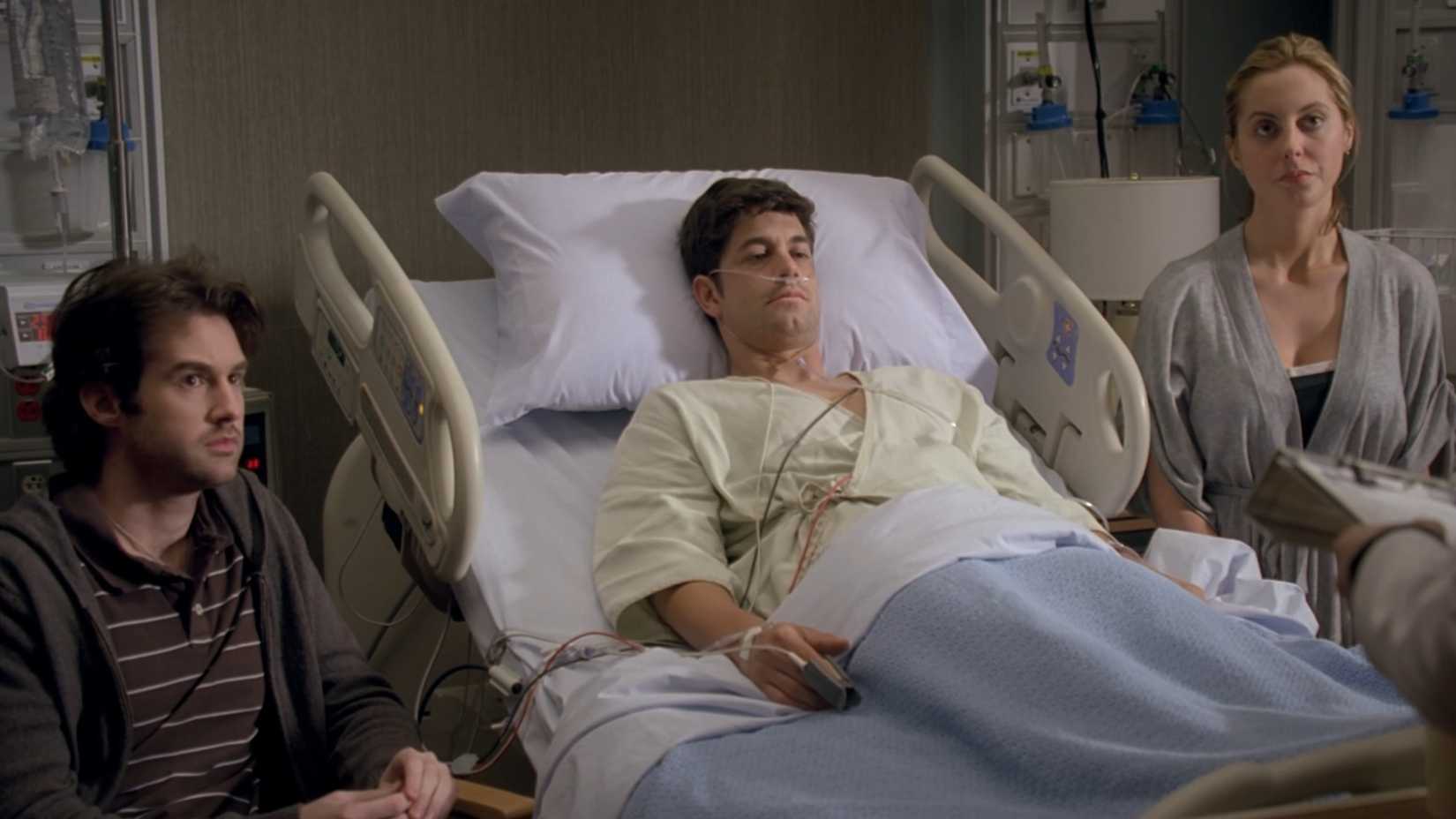
In the “Choice” episode, House and his team go further than usual in their investigation of a patient. When Ted collapses at his wedding, the team’s diagnosis—which involves some questionable methods like breaking into his home—reveals he previously dated men and tried conversion therapy before identifying as straight.
The story had the potential to delve into complex themes like identity, hidden feelings, and the damaging effects of conversion therapy, especially if it had focused on Ted’s inner struggles. However, the narrative disregards Ted’s desire for privacy and instead engineers a painful confrontation, bringing his current and former partners together to expose his past.
It wasn’t so much that a line was crossed, but rather that a problem was solved in a surprisingly quick and unsettling way. The consequences are devastating: Ted still hopes to marry his partner, but she ultimately breaks up with him, leaving his life in ruins by the end of the episode.
Looking back at season 6 of House, some episodes haven’t held up as well as I’d hoped, and this one really stands out. If this episode aired now, I think the conversation would rightly focus much more on things like consent and respecting people’s privacy, and how much damage House actually does when he inserts himself into their lives.
Better Half
Season 8, Episode 9

The House episode “Better Half” noticeably stretches medical accuracy to make a point about sexuality. House bets Wilson he can diagnose a patient who identifies as asexual without ever seeing her, using only her medical records and lab results. This idea is problematic, as it implies House believes he understands the woman’s sexuality better than she does.
House goes too far, crossing several ethical boundaries. He manipulates the situation and deceives the patient’s husband into undergoing further tests. He treats the case like a game, focusing on the mystery of the patient’s illness instead of respecting their privacy and well-being.
Ultimately, House is proven right: the husband has a medical issue causing his low libido, and the wife pretended to be asexual to keep their relationship going. The way the story ends suggests that asexuality isn’t a real identity, but something doctors can disprove with enough investigation.
While the plot twist might work for a single story, it unfortunately suggests that asexuality is a problem to be fixed or a phase people go through, instead of a genuine sexual orientation. A more compelling twist would have been if the husband had a health issue, and the wife was authentically asexual, creating uncertainty in their relationship.
The scene is presented as playful, not a serious breach of boundaries, and the show quickly moves past it without much fallout. However, looking back, this behavior feels unnecessarily hostile and unprofessional, especially considering how much expectations around workplace behavior and power imbalances have changed.
Skin Deep
Season 2, Episode 13
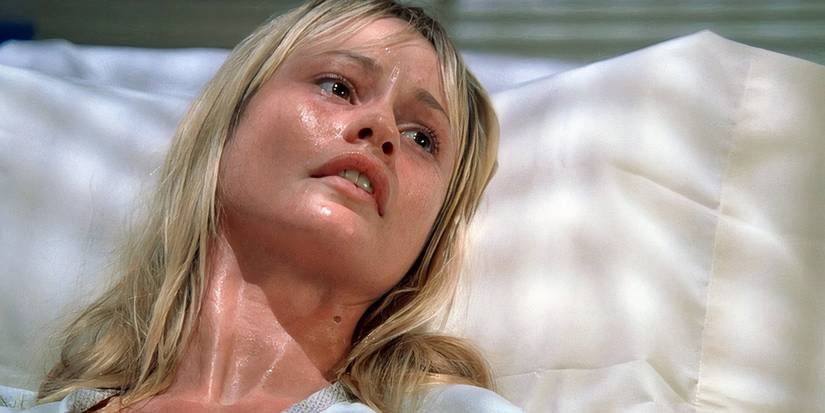
This episode of House is particularly disturbing because the main character spends much of the time making inappropriate sexual comments about Alexandra, the teenage patient the team is trying to help.
The investigation uncovered a disturbing truth: Alexandra had a sexual relationship with her father. The narrative presented suggests Alexandra held the power in the relationship and used it to gain control, which is a deeply problematic framing, especially considering today’s understanding of this as statutory rape.
To make matters worse, the episode’s resolution reveals that Alexandra is intersex. House points out the irony of the “perfect woman” being biologically male, but Alexandra is visibly upset by this discovery. Today, this storyline would be approached with more sensitivity and understanding.
Carrot Or Stick
Season 7, Episode 10

As a film fan, I was really bothered by how “Carrot or Stick” handled Chase’s nude photos being leaked. They just brushed it off as a “prank,” which completely downplays the serious damage done by sharing those images without his consent. It’s not harmless fun – it’s a deeply humiliating and violating experience, and the movie really minimized that harm.
The show attempts to justify the prank by linking it to the character’s past infidelity following a divorce. An episode centers around him trying to identify the perpetrator among women he had relationships with at a wedding. However, this approach is deeply insensitive, suggesting that harassment is excusable if the victim is perceived as having questionable morals or a loose sexual history.
The show treats the “prankster’s” claim that her actions were meant to teach a lesson as something not serious. Even more concerning is Chase’s reaction: he actually agrees with her justification and then asks her on a date. By today’s standards, with greater understanding of consent, harassment, and imbalances of power, this episode of House would likely be considered very disturbing.
Read More
- Passenger Review: Clever, Scary Touches Elevate An Otherwise By-The-Numbers Horror Movie
- Hugh Jackman’s Sheep Detective 2 Is Unlikely To Happen, According To Writer Craig Mazin
- 5 Forgotten R-Rated Sci-Fi Movies That Are Perfect From Start to Finish
- The Rookie Season 8 Finale Shatters A Series Record
- 5 Forgotten Jedi Most Deserving of Their Own Star Wars Movie
- Netflix’s 2-Part True Crime Thriller Is The Closest We Have Come To A Film Noir Revival
- The 8 Best X-Files Episodes Written By Vince Gilligan
- Project Hail Mary Is Now A Global Streaming Hit Before Prime Video Release
- 10 Years After Lost, Damon Lindelof Delivered Another TV Masterpiece
- Hulu’s 10-Part Historical Epic Miniseries Is So Good, It’s Becoming A Full Series
2026-04-12 20:23